

The Ultimate Guide to Your Elimination Diet Plan: Step-by-Step
How to Start an Elimination Diet Plan
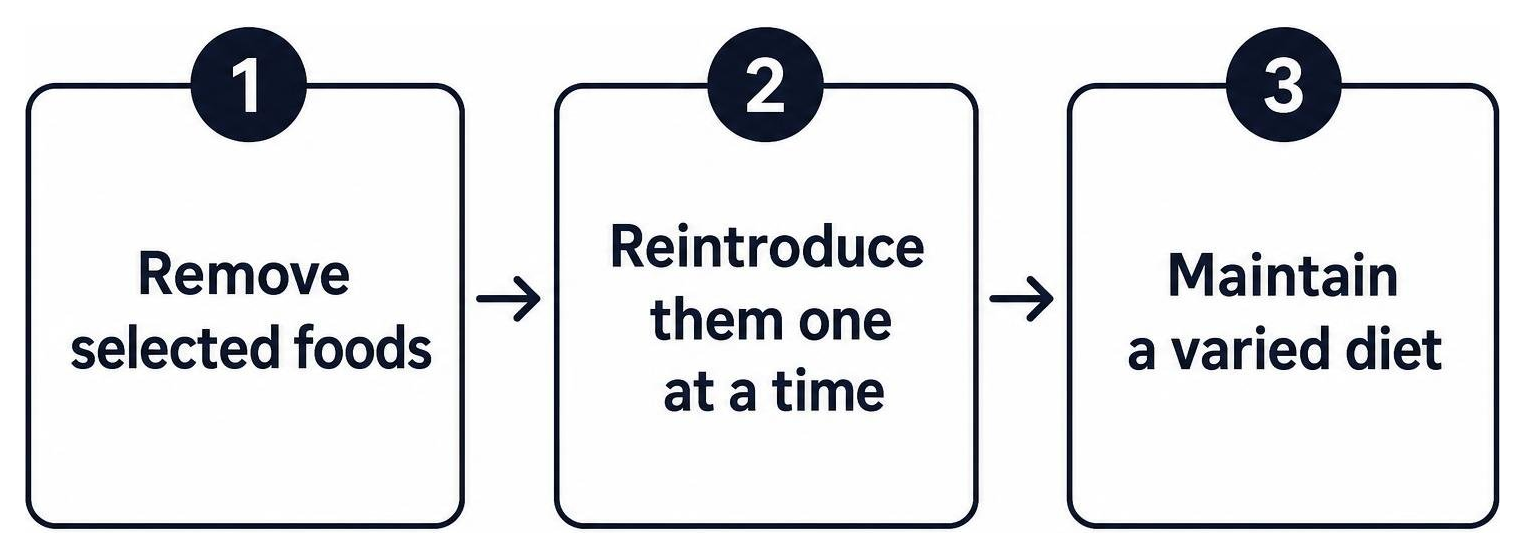
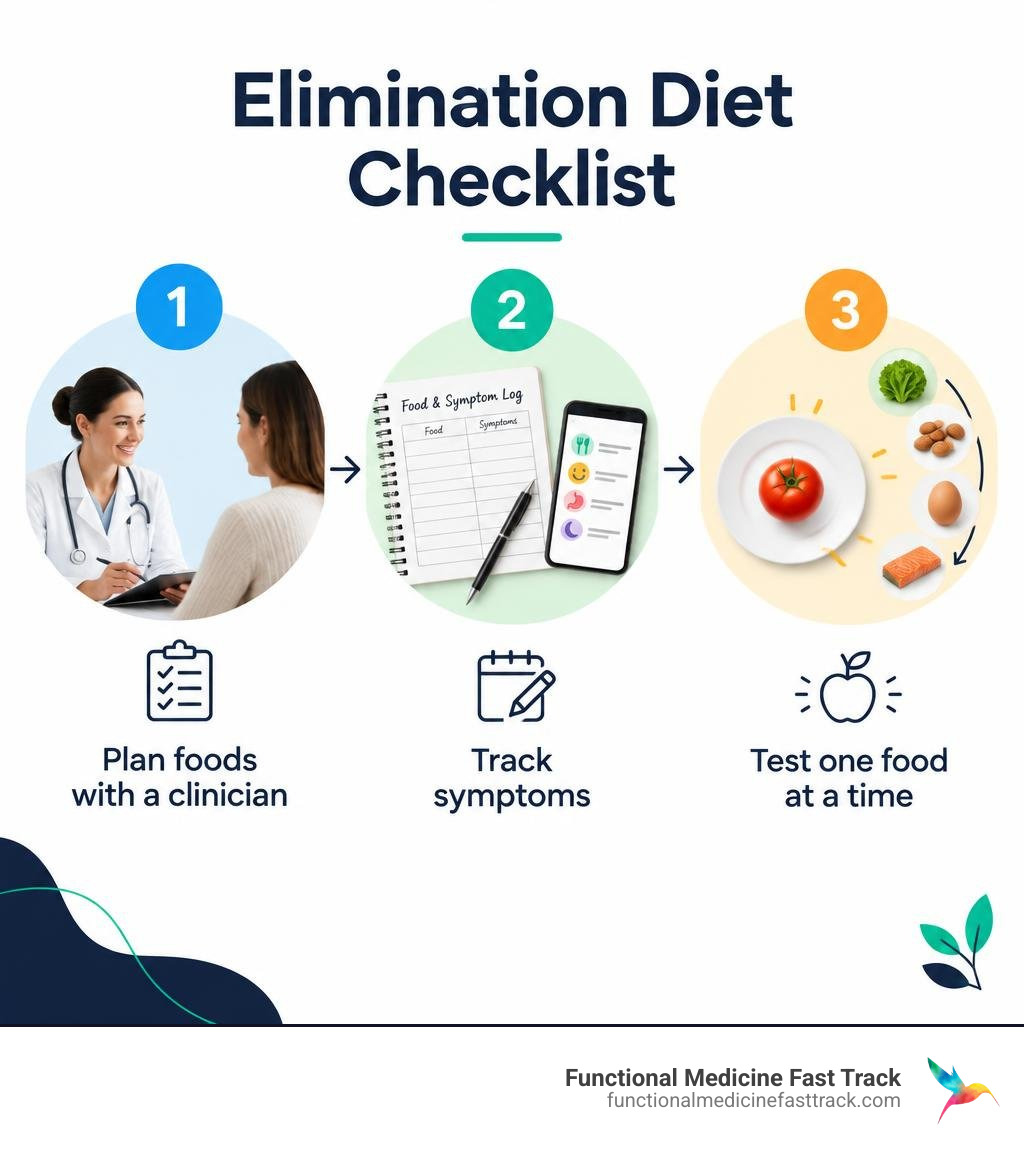
An elimination diet plan is a short-term way to explore whether certain foods are linked to symptoms. With a clinician's guidance, choose foods to remove, keep a daily food and symptom journal, then reintroduce one food at a time. The goal is to return foods you tolerate to your regular diet, not to stay on a restrictive plan.
Do not reintroduce a food that may have caused a serious allergic reaction without an allergist's guidance. A registered dietitian can also help you plan balanced meals while foods are removed.
I'm Garric Vosloo, CEO of Functional Medicine Fast Track. My background includes more than 30 years of patient consulting and ownership of two private practices; this guide walks through each step of an elimination diet plan.
What Is an Elimination Diet Plan and How Does It Work?
An elimination diet is a structured, diagnostic strategy designed to uncover hidden adverse reactions to food. Rather than relying solely on guesswork or laboratory panels that may have varying degrees of sensitivity, this dietary investigation temporarily removes common trigger foods to calm your immune system and gastrointestinal tract.
When we consume foods our bodies cannot tolerate, the gut mucosal barrier can become irritated. This irritation may contribute to heightened intestinal permeability—often described as leaky gut—allowing undigested food particles to interact directly with immune cells. This immune activation can trigger systemic inflammation, presenting as joint pain, skin breakouts, brain fog, fatigue, or chronic digestive discomfort.
Because non-allergic food sensitivities often involve delayed immune or non-immune pathways rather than immediate classical allergy responses, an elimination diet program remains the gold standard diagnostic tool for identifying individual dietary triggers.
Purpose and Clinical Benefits
The primary purpose of an elimination approach is not weight loss, but systematic discovery and mucosal rest. By removing potential dietary stressors, you give your digestive tract the opportunity to reset.
Research suggests that removing symptom-provoking foods can help reduce circulating inflammatory mediators and support the restoration of gut mucosal integrity. In clinical practice, as the immune burden declines, many people notice rapid improvements across various bodily systems:
Enhanced Vitality: Many individuals follow an energy optimization guide to overcome unexplained sluggishness and morning fatigue once reactive foods are removed.
Sharper Mental Clarity: Food-induced neuroinflammation can manifest as persistent brain fog, memory lapses, or mood fluctuations; addressing these dietary triggers can support anxiety and mood symptoms.
Digestive Calm: Alleviating continuous immune friction allows the brush border enzymes and microbiome to rebalance, significantly reducing discomfort after eating.
Who Should Consider or Avoid This Approach
An elimination diet is particularly useful for individuals experiencing chronic, unexplained symptoms that have not responded to standard lifestyle adjustments.
Ideal candidates include those dealing with:
Chronic digestive complaints (gas, bloating, irregular bowel habits)
Skin conditions (eczema, unexplained rashes, acne)
Widespread joint and muscle stiffness
Chronic sinus congestion or post-nasal drip
Suspected non-celiac gluten sensitivity or non-IgE-mediated food reactions
Who should avoid or delay this approach:
Individuals with a history of eating disorders: The restrictive nature of the initial phase can trigger disordered eating patterns or obsessive food anxiety.
Pregnant or nursing mothers: Nutrient and caloric demands are elevated during pregnancy and lactation; major dietary restrictions should not be undertaken without specialized medical supervision.
Individuals with acute, severe medical illness: Anyone dealing with unmanaged systemic conditions should focus on stabilization under the direct care of their physician before altering their diet significantly.
The Three Essential Phases of an Elimination Diet
Navigating an elimination approach successfully requires strict adherence to three distinct phases: Elimination, Reintroduction, and Maintenance. Skipping steps or rushing the timeline can invalidate your results and leave you guessing about your actual triggers.

Executing Phase 1 of Your Elimination Diet Plan
The first phase requires total avoidance of selected trigger foods. According to clinical guidance, such as the Common Allergen Elimination Diet, strict compliance is vital because even trace exposures can perpetuate immune activation and cloud your baseline.
To understand how to prepare your kitchen and mindset, review our detailed elimination diet phase 1 guide.
Duration: The elimination phase typically lasts between 2 and 4 weeks. Two weeks is generally considered the minimum duration required for initial symptom changes to emerge, while many clinicians utilize a structured 21-day elimination diet guide to align with the natural clearance cycle of circulating immune complexes.
Physiology: The cells lining your intestinal tract turnover rapidly—every 2 to 4 days. A 3-week window allows multiple cycles of gut cell renewal in an environment free from irritating antigens.
Phase 2: Systematic Reintroduction Plan
Phase 2 is where the diagnostic discoveries happen. You should only begin reintroducing foods once your baseline symptoms have noticeably improved during Phase 1. If symptoms remain unchanged after four weeks, consult your healthcare provider to investigate non-dietary root causes.
When reintroducing foods, follow this systematic testing schedule:
Choose One Single Food: Test a single ingredient from one food group (for example, pure plain yogurt for dairy, or plain boiled wheat noodles for gluten). Do not reintroduce complex dishes like pizza, which combine dairy, wheat, and nightshades simultaneously.
Day 1 (Challenge Day): Eat a small portion of the test food at breakfast. If no immediate symptoms occur within two hours, consume a normal portion at lunch and dinner.
Days 2 and 3 (Observation Period): Return completely to the strict Phase 1 elimination diet. Do not introduce any other new foods. Monitor your body closely for delayed reactions.
Evaluate and Record: An offending food will often provoke symptoms within 10 minutes to 12 hours, but delayed immune responses can take up to 48 or 72 hours to manifest. Use a symptom journal to track digestion, skin changes, sleep quality, joint stiffness, and energy.
Proceed or Pause: If no symptoms appear after 3 full days of observation, that food is likely safe to include in your broader diet. If a reaction occurs, record the specific symptoms, remove the food immediately, and wait until your baseline settles before testing the next item.
Phase 3: Long-Term Maintenance and Gut Healing
The ultimate objective of this process is dietary diversity, not lifelong deprivation. Most individuals find that they only need to permanently remove 1 to 3 specific trigger foods to maintain substantial symptom relief.
During the maintenance phase, you transition into a personalized low allergy diet plan tailored precisely to your unique biology. Furthermore, food sensitivities are not always permanent. Research indicates that avoiding symptom-provoking foods while providing nutritional support for gut integrity may allow mucosal tissues to recover, often enabling successful re-evaluation of reactive foods after 4 to 6 months.
Foods to Include and Avoid During the Plan
Understanding what to put on your plate is just as important as knowing what to remove. Focusing on nutrient-dense, colorful, whole foods prevents feelings of deprivation and supports metabolic function.

Navigating the Comprehensive Food List
The standard elimination approach removes the top most common reactive foods while prioritizing nourishing alternatives. You can explore our complete elimination diet food list for an exhaustive breakdown.
Be sure to avoid common inflammatory foods for gut health, particularly ultra-processed snacks, refined sugars, and artificial food additives.
Nutritional Category | Foods to Eliminate | Foods to Enjoy Freely |
|---|---|---|
Proteins | Eggs, soy (tofu, edamame), shellfish, beef, pork, processed meats | Pastured poultry, wild-caught low-mercury fish, wild game, clean pea or hemp protein |
Dairy & Alternatives | Cow’s milk, cheese, butter, yogurt, cream, soy milk | Coconut milk, almond milk, cashew milk, hemp milk, macadamia milk, pure olive oil, ghee (if dairy protein-free) |
Grains & Starches | Wheat, barley, rye, spelt (all gluten), corn | Quinoa, brown rice, wild rice, buckwheat, millet, amaranth, tapioca, arrowroot, sweet potatoes |
Legumes & Nuts | Peanuts, peanut butter, soybeans | Chickpeas, lentils, black beans, almonds, walnuts, pumpkin seeds, sunflower seeds, chia, flax |
Vegetables | Nightshades (tomatoes, white potatoes, eggplants, bell peppers, cayenne, paprika) | Broccoli, kale, spinach, carrots, cauliflower, zucchini, cucumbers, asparagus, beets, Brussels sprouts |
Fruits | Citrus fruits (oranges, grapefruits, lemons), conventional dried fruit with sulfites | Blueberries, raspberries, blackberries, apples, pears, avocados, bananas, melons |
Beverages & Extras | Coffee, caffeinated tea, alcohol, soda, refined white/brown sugar, high-fructose corn syrup | Filtered water, herbal teas (peppermint, chamomile), matcha, turmeric, ginger, fresh herbs |
Daily Meal Planning for Your Elimination Diet Plan
Meal planning removes daily stress and helps prevent accidental exposures. Utilizing a pre-structured allergy elimination meal plan allows you to focus on cooking simple, balanced meals.
Try building your daily meals around a simple "protein + vegetable + healthy fat + complex carb" framework:
Breakfast: A nourishing smoothie made with clean pea protein, unsweetened coconut milk, frozen blueberries, spinach, and ground flaxseed; or a warm bowl of certified gluten-free oats topped with walnuts and sliced pears.
Lunch: A large grain bowl featuring quinoa, roasted sweet potatoes, steamed broccoli, and sliced grilled chicken breast drizzled with extra virgin olive oil and fresh rosemary.
Dinner: Baked wild salmon seasoned with turmeric, ginger, and sea salt, served alongside roasted asparagus and a generous serving of mashed cauliflower.
Snacks: Sliced cucumbers with homemade olive oil-based hummus, a handful of raw pumpkin seeds, or fresh apple slices paired with almond butter.
For additional culinary ideas, check out our collection of recipes for elimination diets.
Troubleshooting Symptoms, Safety, and Common Challenges
Making significant changes to your daily eating habits can occasionally produce short-term challenges. Being prepared for these transitions ensures you stay the course comfortably.
Managing First-Week Side Effects and Detox Reactions
During the first 3 to 7 days of the elimination phase, some individuals experience temporary side effects. These can include mild headaches, lightheadedness, fatigue, changes in sleep patterns, or temporary shifts in bowel habits.
These adjustments are often related to sudden reductions in refined sugar or caffeine withdrawal rather than the healthy foods you are eating. To support your body during this transition:
Hydrate Consistently: Drink at least 2 quarts (64 to 80 ounces) of pure, filtered water daily to assist your natural metabolic clearance pathways.
Maintain Caloric Balance: Do not drastically cut calories; ensure you consume plenty of healthy fats (avocados, olive oil) and root vegetables to sustain your energy.
Prioritize Rest: Allow for gentle movement like walking and aim for 7 to 9 hours of quality sleep each night.
Reading Labels and Preventing Cross-Contamination
Hidden ingredients are the most frequent reason elimination plans produce ambiguous results. Food manufacturers often use technical terms for common allergens—such as "casein" or "whey" for dairy, "hydrolyzed vegetable protein" for soy, and "malt" for gluten. Always inspect both the main ingredient list and any allergen advisory warnings.
In a shared household kitchen, cross-contamination can accidentally introduce reactive proteins. Use these practical strategies to keep your meals pure:
Designate Separate Tools: Use a dedicated cutting board, toaster, and wooden spoons for allergen-free meal preparation.
Sanitize Thoroughly: Clean countertops, pans, and food prep surfaces before cooking your meals.
Label Condiment Jars: Double-dipping knives into shared butter, mayo, or jam jars transfers trace crumbs of gluten; use separate squeeze bottles instead.
Dine Out with Care: When eating at restaurants, clearly inform the staff of your dietary restrictions, avoid deep-fried foods cooked in shared oil fryers, and opt for simple, steamed or grilled whole-food dishes.
Frequently Asked Questions About Elimination Diets
How long does it take to see results on an elimination diet?
Most clients notice noticeable symptom improvement within 10 to 14 days of beginning the strict elimination phase. However, the exact timeline depends on individual mucosal healing rates, immune baseline, and adherence. A full 3-week window provides adequate time for inflammatory pathways to quiet down.
What is the difference between food allergy testing and an elimination diet?
Traditional IgE allergy blood or skin-prick tests detect immediate, potentially life-threatening allergic reactions (such as anaphylaxis, hives, or acute swelling). In contrast, food sensitivities and intolerances are frequently non-IgE mediated, involving delayed immune responses or digestive enzyme deficiencies that standard allergy panels may miss. An elimination approach remains the most practical method for identifying these functional intolerances. You can explore our guide on allergy testing approaches to learn more about the distinct diagnostic mechanisms.
Can an elimination diet help with chronic gas, bloating, and acid reflux?
Yes. Removing highly fermentable, irritating, or inflammatory foods frequently provides relief from functional GI distress. If you regularly battle upper abdominal burning or lower bowel expansion, our clinical resources on relieving gas and bloating and managing acid reflux offer focused dietary strategies to soothe upper and lower GI distress.
Conclusion
Embarking on an elimination diet plan is one of the most proactive, empowering steps you can take to understand your body’s unique nutritional needs. By removing potential dietary agitators, systematically tracking your responses, and reintroducing foods with intention, you replace guesswork with clear, actionable insights.
At Functional Medicine Fast Track, our mission is to empower healthcare professionals with clinical systems, marketing strategies, and client-centered platforms that transform patient care. We believe that true health begins by identifying root causes rather than simply managing downstream symptoms.
To support your health journey, download our comprehensive Elimination Diet Food Plan Guide to access complete grocery checklists, meal preparation frameworks, and clinical tracking sheets today.