
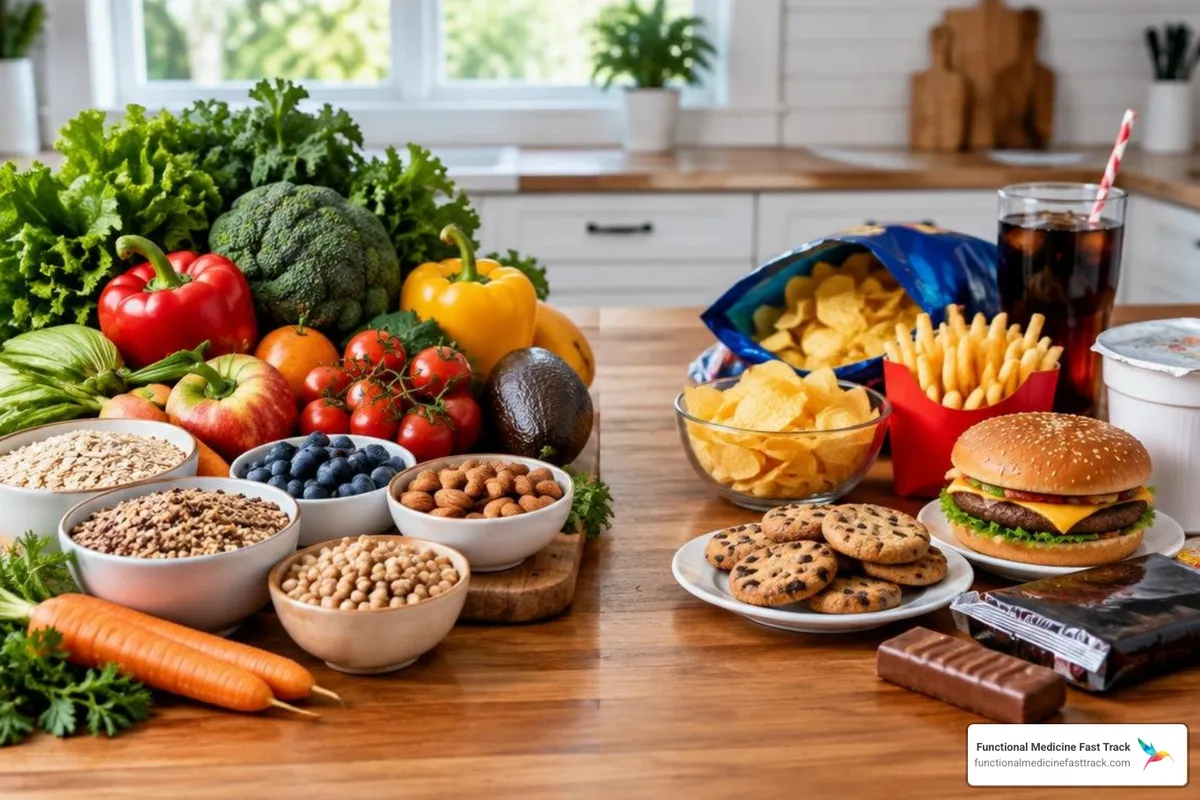
The 10 Worst Foods for Gut Health You Should Stop Eating Today
Why Certain Foods Sabotage Your Gut Microbiome and Digestion
The 10 worst foods for gut health include ultra-processed foods with synthetic emulsifiers, high-fructose corn syrup and liquid sugars, artificial sweeteners and sugar alcohols, deep-fried foods made with industrial seed oils, processed meats, excessive red meat, excess alcohol, refined grains, high-pesticide conventional produce, and individual trigger foods such as high-FODMAP or high-lactose items. These foods can thin the protective mucus layer, feed pathogenic bacteria, increase intestinal permeability, and trigger bloating, cramping, and low-grade inflammation.
Your gastrointestinal tract is home to trillions of microorganisms collectively known as the gut microbiome. A thriving microbiome contains over 1,000 bacterial species working together to break down complex nutrients, produce essential vitamins, modulate immune function, and generate short-chain fatty acids (SCFAs) like butyrate, acetate, and propionate. SCFAs act as the primary energy source for your colonocytes—the cells lining your large intestine—and help maintain the integrity of your mucosal barrier.
When your diet leans heavily toward processed, refined, or chemically altered items, this delicate ecosystem suffers. Pathogenic bacteria thrive on refined carbohydrates and simple sugars, outcompeting beneficial strains such as Bifidobacteria and Lactobacilli. Over time, this microbial shift leads to gut dysbiosis.
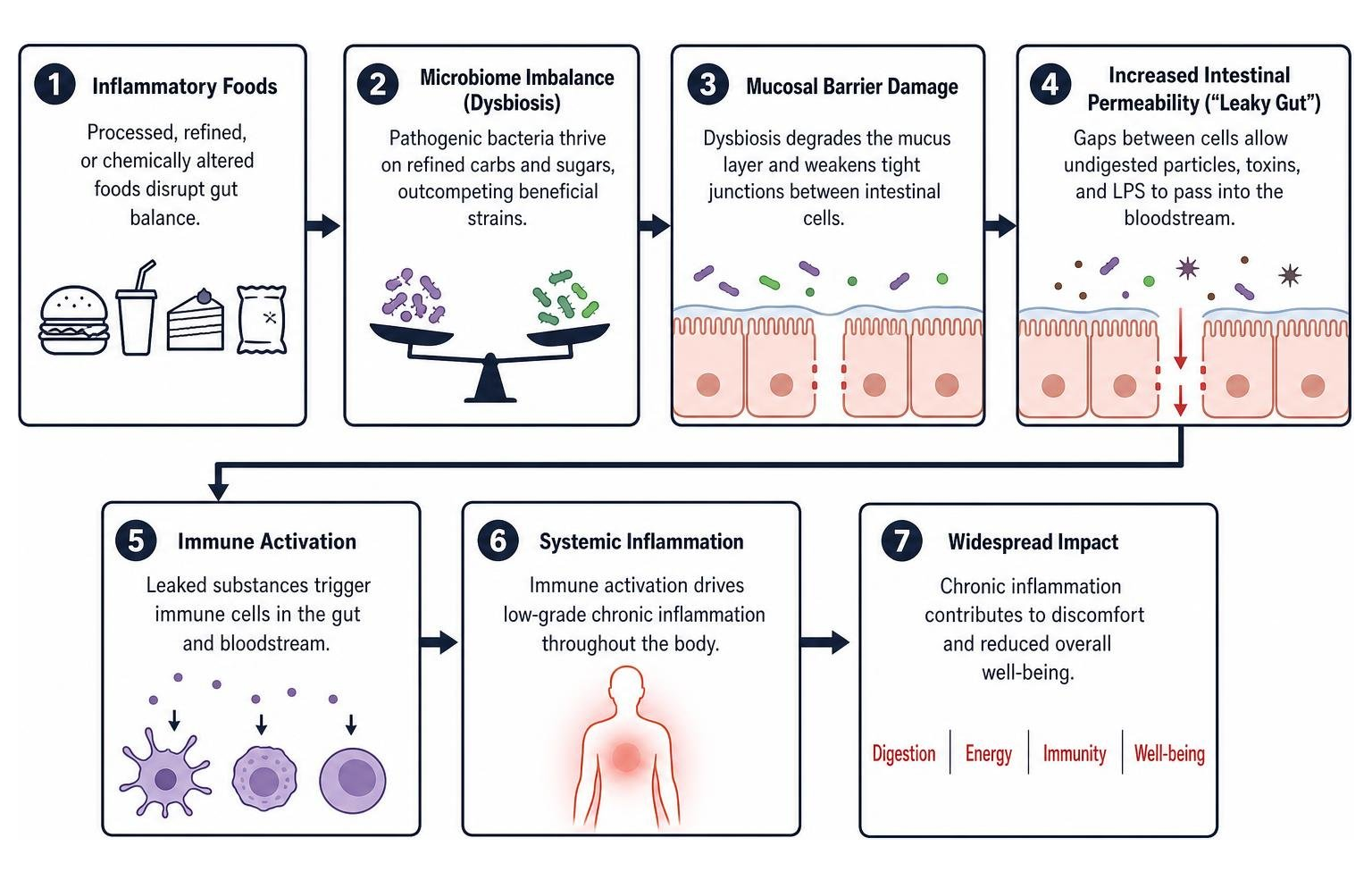
Dysbiosis degrades the protective mucus layer lining your digestive tract, increasing intestinal permeability (often described as "leaky gut"). When the tight junctions between your intestinal cells loosen, undigested food particles, microbial toxins, and lipopolysaccharides leak into the bloodstream. This activates immune cells, triggering low-grade chronic inflammation throughout the body.
A comprehensive scientific review on ultra-processed food additives and intestinal inflammation highlighted how synthetic additives, colorings, and emulsifiers strip away mucosal defenses. When your barrier weakens, everyday digestion becomes uncomfortable. If you are experiencing frequent distress, following an elimination diet for gas and bloating helps pinpoint which foods are driving your flare-ups.
The 10 Worst Foods for Gut Health and What to Eat Instead
Eliminating dietary irritants does not mean starving your plate of flavor or variety. Below, we break down how the 10 worst foods for gut health damage your digestive tract, alongside practical whole-food swaps to support your microbiome.
Food Category | Primary Gut Mechanism | Functional Whole-Food Swap |
|---|---|---|
Ultra-Processed Foods | Emulsifiers degrade mucus layer and spur inflammation | Whole grains, raw nuts, fresh produce |
Liquid Sugars & HFCS | Feeds pathogenic microbes; weakens gut barrier | Sparkling water with fresh citrus slices |
Artificial Sweeteners | Alters bacterial composition; causes osmotic bloating | Fresh whole berries, pure stevia leaf extract |
Deep-Fried Foods | Hexane-extracted oxidized oils slow transit time | Air-fried dishes with extra virgin olive oil |
Processed Meats | Nitrates and heme iron yield toxic metabolites | Pastured poultry, wild-caught salmon, lentils |
Excessive Red Meat | Choline/carnitine convert to inflammatory TMAO | Grass-fed beef (modest portions), tempeh |
Excess Alcohol | Ethanol directly damages mucosal lining and barrier | Polyphenol-rich herbal teas, kombucha |
Refined Grains | Starves beneficial bacteria; causes glucose spikes | Quinoa, rolled oats, sprouted grain bread |
High-Pesticide Foods | Glyphosate residues inhibit beneficial microbes | Certified organic produce, local pesticide-free crops |
Individual Triggers | Poor enzyme digestion (lactase) or FODMAP gas | Fermented dairy (kefir), low-FODMAP vegetables |
1. Ultra-Processed Foods and Synthetic Emulsifiers
Ultra-processed foods (UPFs) make up nearly 60% of the standard Western diet. These convenience items are engineered for extended shelf life rather than biological compatibility. They contain industrial additives, artificial colorings, chemical texturizers, and synthetic emulsifiers such as carboxymethylcellulose (CMC) and polysorbate-80.
Emulsifiers behave much like dish soap in your digestive tract: they break down fats, thinning the protective mucosal layer that keeps gut microbes separated from your epithelial wall. When this layer degrades, bacteria come into direct contact with intestinal cells, triggering immune signaling and chronic intestinal inflammation.
Furthermore, ultra-processing strips intact plant cell structures, depriving your distal colon of prebiotic fibers. For those managing severe digestive flare-ups, consulting a guide on Fast Tract Diet foods to avoid can help clarify which complex processed carbohydrates to eliminate.
Replace with: Whole, unprocessed foods in their natural form—such as steel-cut oats, quinoa, raw sunflower seeds, and steamed vegetables.
2. High-Fructose Corn Syrup and Liquid Sugar
Liquid sugars—found abundantly in sodas, energy drinks, sweetened teas, and commercial juices—are especially harsh on gut physiology. High-fructose corn syrup (HFCS) delivers a concentrated payload of unbound fructose directly to your small intestine.
When fructose intake exceeds the transport capacity of intestinal GLUT5 transporters, the excess passes unabsorbed into the colon. There, colonic bacteria rapidly ferment the sugars, creating hydrogen and methane gases that cause cramping, distention, and diarrhea.
Research indicates that excessive fructose metabolism generates metabolites that stress liver function and damage the tight junctions of the intestinal epithelium.
Replace with: Sparkling mineral water infused with fresh cucumber slices, crushed mint, or a squeeze of fresh lemon and lime zest.
3. Artificial Sweeteners and Sugar Alcohols
Non-nutritive sweeteners like sucralose, aspartame, saccharin, and sugar alcohols (polyols such as sorbitol, maltitol, and xylitol) are commonly marketed as metabolic aids. However, they can disrupt delicate microbial balances.
Studies transferring gut microbes from sweetener-consuming humans into germ-free mice showed noticeable impairments in glucose tolerance. Furthermore, sugar alcohols pull water into the large intestine through osmosis. In a large food-and-symptom diary study where most participants suffered from IBS, artificial sweeteners were linked to digestive symptoms 24 to 72 hours after consumption.
Leading gastroenterology resources, including clinical perspectives on gut-irritating foods, highlight how polyols aggravate visceral hypersensitivity and create persistent bloating.
Replace with: Whole-food sweetness from fresh berries, cinnamon, or modest amounts of pure, unrefined green stevia leaf.
4. Deep-Fried Foods and Industrial Seed Oils
French fries, fried chicken, and commercial snack chips are commonly fried in refined industrial seed oils—such as soybean, corn, canola, and cottonseed oil. These oils undergo high-heat refining and chemical hexane extraction, leaving them rich in pro-inflammatory omega-6 fatty acids and prone to lipid oxidation.
Consuming oxidized fats disrupts normal bile acid signaling in the upper GI tract, impairs gastric emptying, and delays intestinal transit time. This sluggish motility can lead to heartburn, indigestion, and lower esophageal sphincter relaxation. In the colon, degraded fats disrupt the cell membrane stability of beneficial microbes, reducing SCFA production.
Replace with: Foods baked, roasted, or air-fried using heat-stable fats like cold-pressed extra virgin olive oil or avocado oil.
5. Processed Meats
Processed meats—such as bacon, hot dogs, sausages, and deli cold cuts—contain high concentrations of sodium, chemical nitrates, nitrites, and advanced glycation end-products (AGEs).
When nitrates interact with dietary amines during processing or digestion, they form N-nitroso compounds (NOCs), which are known genotoxins. High consumption of processed meats is consistently linked with an increased risk of colorectal cancer and systemic inflammation. Furthermore, these additives alter microbial diversity, selecting for bacteria that produce inflammatory metabolites instead of health-promoting SCFAs.
Replace with: Clean animal proteins like pasture-raised chicken, wild-caught salmon, pastured eggs, or plant proteins like soaked organic lentils.
6. Excessive Red Meat
While unprocessed red meat provides bioavailable zinc, B vitamins, and iron, consuming large quantities on a daily basis can skew the gut microbial profile.
When you consume high amounts of red meat, gut microbes metabolize nutrients like L-carnitine and choline into trimethylamine (TMA). The liver then oxidizes TMA into trimethylamine-N-oxide (TMAO), a circulating metabolite linked to atherosclerosis, arterial stiffening, and vascular inflammation.
Excessive intake of red meat also increases the presence of secondary bile acids in the colon, which can irritate the gut lining when balanced plant fiber is missing from the diet.
Replace with: Modest portions of 100% grass-fed beef paired with rich portions of leafy greens, or plant-centric protein alternatives such as fermented tempeh.
7. Excess Alcohol
Alcohol (ethanol) acts as a direct toxin to the gastrointestinal mucosa. Even moderate binges can cause acute inflammation of the stomach lining (gastritis) and increase intestinal permeability.

Long-term alcohol use significantly changes the gut microbiome, decreasing helpful microbes and increasing harmful ones. Ethanol and its toxic metabolite, acetaldehyde, disrupt the protein bridges holding tight junctions together. This allows bacterial endotoxins (lipopolysaccharides) to cross directly into the portal circulation, stressing the liver and activating widespread immune cascades.
While modest red wine intake provides beneficial polyphenols that support microbial diversity, higher alcohol consumption consistently damages the gut barrier.
Replace with: Brewed herbal infusions like ginger, peppermint, or chamomile tea, or naturally fermented, low-sugar kombucha served in a wine glass.
8. Refined Grains and Stripped Carbohydrates
White flour, commercial pastries, white bread, and instant boxed snacks have had their fibrous bran and nutrient-dense germ stripped away during milling. What remains is an easily digestible starch that spikes blood glucose and insulin levels rapidly.
Because refined grains are absorbed high up in the digestive tract, they leave little nourishment for the bacteria living in your large intestine. This lack of fuel starves beneficial fermenters. Without dietary fiber, some gut bacteria turn to consuming the mucosal layer itself for fuel, thinning the gut barrier.
Adding fiber-rich items from an anti-inflammatory food list PDF helps provide the structural fiber needed to feed a resilient microbiome.
Replace with: Ancient whole grains like quinoa, buckwheat, wild rice, or rolled oats rich in beta-glucan and resistant starch.
9. Conventional Non-Organic Foods High in Pesticides
Modern agricultural methods frequently rely on synthetic pesticides, fungicides, and herbicides. Chief among these is glyphosate, the active ingredient in many commercial weedkillers applied to conventional wheat, oats, and soy.
Glyphosate works by targeting the shikimate pathway—a metabolic pathway found in plants and bacteria, but not in human cells. While originally assumed safe for humans, our gut bacteria do possess this pathway. Research indicates that over half of the most common gut microbial species may be sensitive to glyphosate, with beneficial strains like Bifidobacterium and Lactobacillus proving particularly susceptible.
Replace with: Certified organic produce—especially for items found on the Environmental Working Group’s "Dirty Dozen" list—or produce sourced from local farmers practicing regenerative agriculture.
10. Individual Trigger Foods (High-FODMAPs and High-Lactose Dairy)
Not all gut-disrupting foods are universally harmful; some depend entirely on individual digestive physiology.
Approximately 70% of adults worldwide don't have enough intestinal lactase, the enzyme needed to digest lactose. In these individuals, unabsorbed milk sugars trigger bloating, cramping, and osmotic diarrhea.
Similarly, high-FODMAP foods (fermentable oligosaccharides, disaccharides, monosaccharides, and polyols) like garlic, onions, cauliflower, and beans are nutritious for healthy guts, but can cause severe distress in people with Small Intestinal Bacterial Overgrowth (SIBO) or IBS. Cross-referencing our Fast Tract Diet list of foods helps clarify which carbohydrate structures might be challenging your personal digestive capacity.
Replace with: Lactose-free, fermented dairy options like plain kefir, or low-FODMAP vegetable alternatives like zucchini, cucumbers, spinach, and carrots.
How to Identify and Eliminate the 10 Worst Foods for Gut Health
Transforming your digestive health does not require a lifetime of rigid restriction. Instead, it requires a systematic approach to identifying and removing irritants while nourishing your microbiome with diverse whole foods.
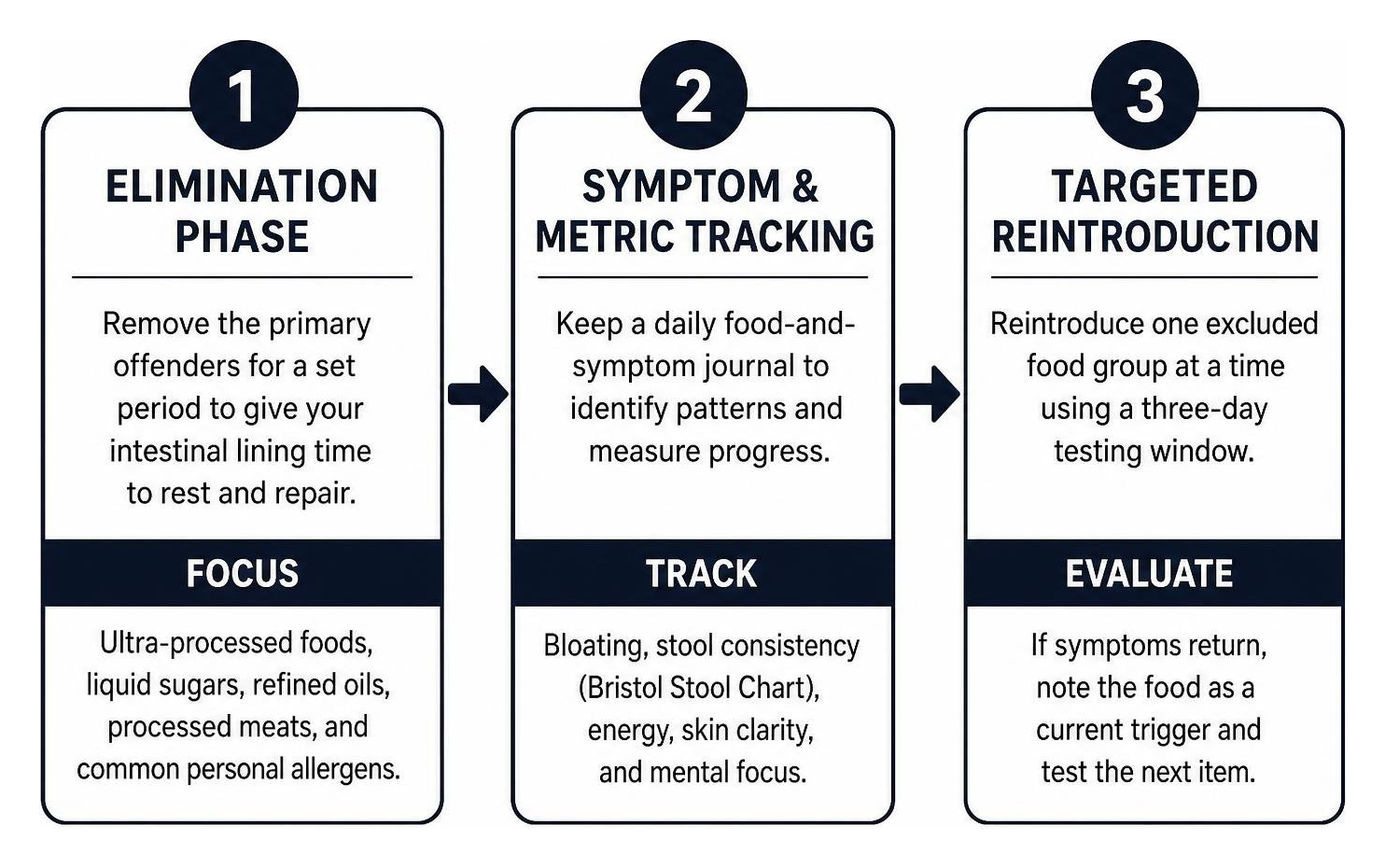
A functional medicine reset typically follows these key phases:
The Elimination Phase: Remove the primary offenders—ultra-processed foods, liquid sugars, refined oils, processed meats, and common personal allergens—for a set period. Following a structured 21-day elimination diet guide gives your intestinal lining the rest it needs to start repairing.
Symptom & Metric Tracking: Keep a daily food-and-symptom journal. Track digestive indicators like bloating, stool consistency (using the Bristol Stool Chart), energy patterns, skin clarity, and mental focus.
Targeted Reintroduction: Reintroduce one excluded food group at a time over a three-day testing window. If bloating or fatigue returns, note the food as a current trigger and set it aside before testing the next item.
Cultivating Plant Diversity: Research from the American Gut Project shows that people who eat more than 30 different plant types each week have significantly more diverse gut microbiomes than those eating 10 or fewer. Rotate various vegetables, herbs, seeds, and spices onto your plate. You can reference our food list PDF for a practical lineup of gut-supportive foods.
Managing Lifestyle Amplifiers: Diet is only one component of gut health. Chronic psychological stress redirects blood flow away from the gut, reducing digestive enzyme output. Prioritize seven to eight hours of quality sleep nightly, stay hydrated, and take walks to encourage natural peristalsis.
Frequently Asked Questions About the 10 Worst Foods for Gut Health
Are the 10 worst foods for gut health harmful to everyone?
No. While ultra-processed foods, trans fats, excess liquid sugars, and heavy alcohol consumption damage the gut barrier and microbiome in almost everyone over time, other foods depend on your individual biochemistry. Whole-food items like dairy, legumes, garlic, and onions can be nutritious for a balanced microbiome, but can trigger acute distress in individuals with lactose malabsorption, SIBO, or IBS.
What are the earliest warning signs of an unhealthy gut?
The earliest indicators often show up as post-meal abdominal distension, excessive gas, irregular bowel movements, acid reflux, or unpredictable cramping. However, because the gut communicates with the rest of the body through the gut-brain and gut-skin axes, early dysbiosis often manifests as brain fog, chronic afternoon fatigue, unexplained skin breakouts, or mood swings. Reviewing our Elimination Diet Energy Guide 2026 explains how hidden gut dysfunction directly drains systemic vitality.
How quickly can the gut microbiome recover after removing bad foods?
Microbiome composition shifts rapidly. Research shows that changing from a high-fat, high-sugar processed diet to a high-fiber, plant-rich whole-food diet can produce measurable changes in bacterial populations within 24 to 72 hours. However, repairing a thinned mucus lining, restoring epithelial tight junctions, and clearing chronic low-grade inflammation typically requires several weeks of consistent, nourishing dietary choices.
Conclusion
Your digestive tract acts as the gateway to your overall health, energy, and immune resilience. While convenience foods, artificial sweeteners, fried oils, and hidden additives can disrupt your microbiome and weaken your intestinal lining, the body is remarkably capable of repair when given the right conditions.
Rather than looking at gut health through the lens of permanent restriction, focus on sustainable dietary upgrades. Replace stripped, refined products with colorful, polyphenol-rich plants, clean proteins, and healthy fats.
To jumpstart your personalized digestive recovery plan, download the Elimination Diet Food Plan and start restoring balance to your gut microbiome today.