
Master the 21-Day Elimination Diet Food List Step by Step
Start With a Clear 21-Day Elimination Diet Food List
A 21-day elimination diet food list helps you remove common food triggers long enough to establish a symptom baseline, then test foods back in one at a time.
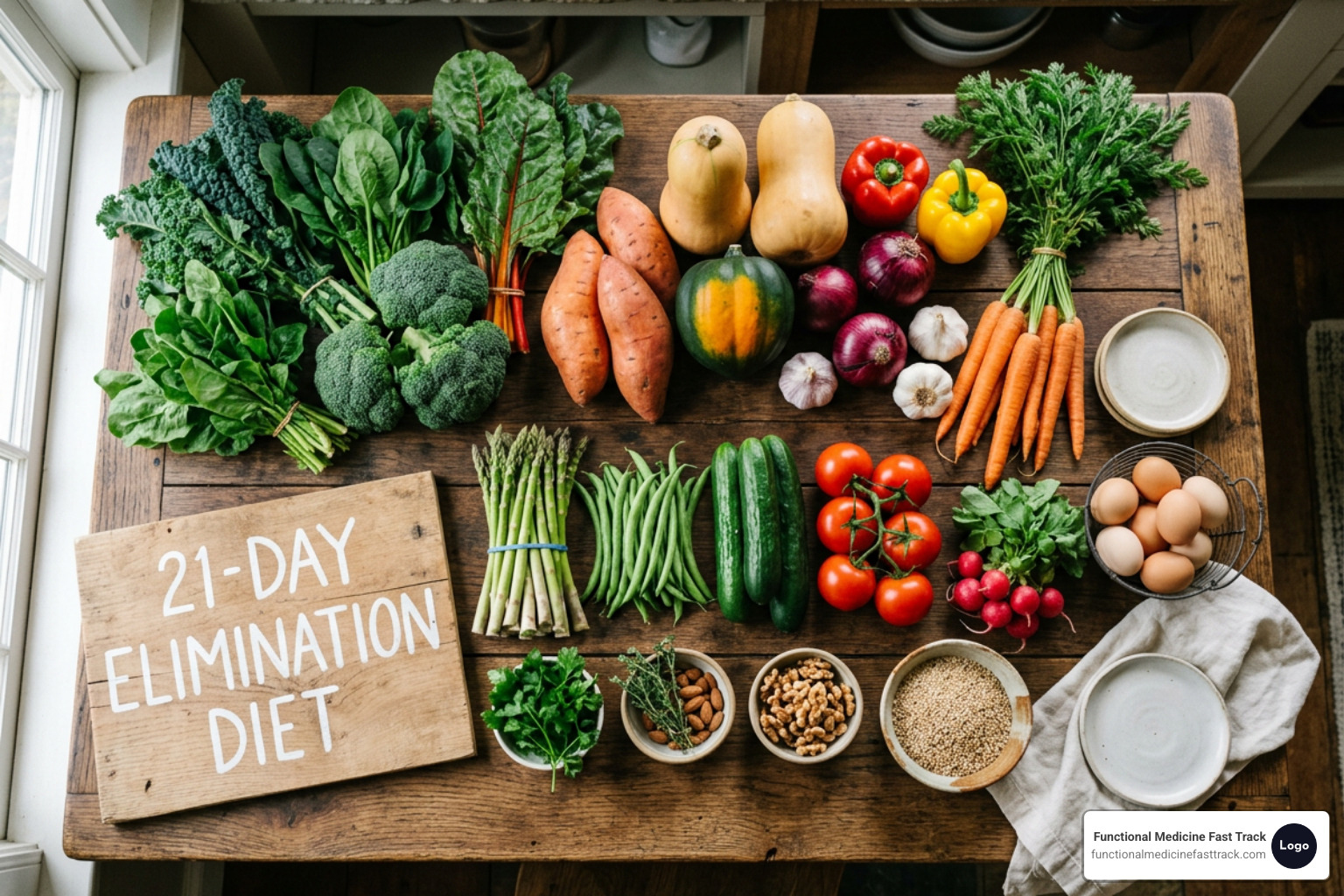
For the 21-day elimination phase, build meals around:
Vegetables, especially leafy greens, cruciferous vegetables, squash, carrots, and sweet potatoes
Fruit such as berries, apples, pears, melon, and bananas
Protein from poultry, selected fish, legumes, or other protocol-approved options
Gluten-free carbohydrates such as rice, quinoa, buckwheat, millet, and oats labeled gluten-free
Healthy fats including extra-virgin olive oil, avocado, avocado oil, coconut, nuts, and seeds, if included in your protocol
At the same time, remove common triggers such as dairy, gluten-containing grains, soy, corn, eggs, peanuts, alcohol, caffeine, refined sugar, processed foods, and artificial additives. Some protocols also remove nightshades, tree nuts, seeds, legumes, fish, or shellfish, so the exact list should match the symptoms and clinical goals being assessed.
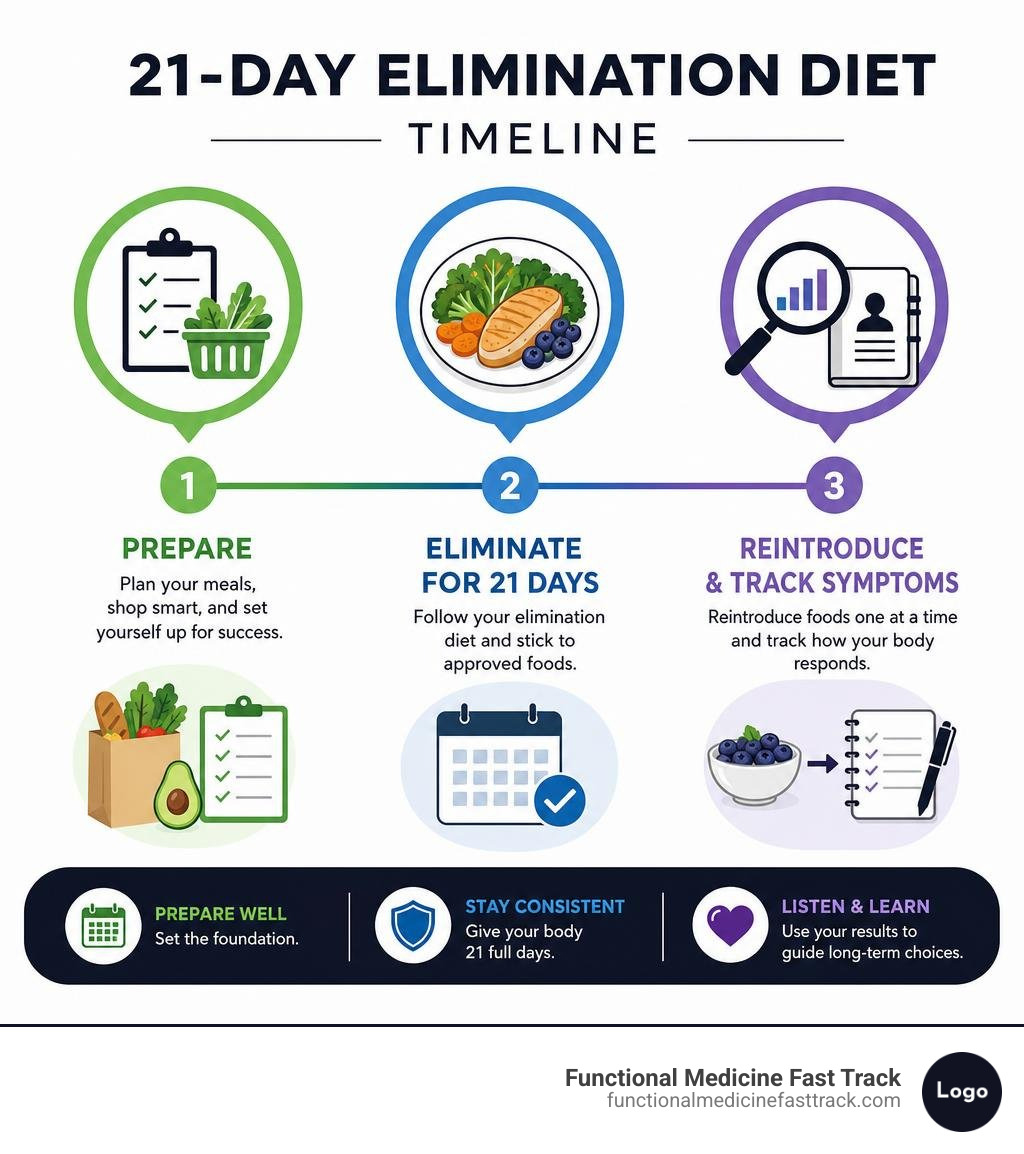
This is not meant to be a crash diet or a permanent way of eating. It is a short-term, structured experiment. The goal is to help uncover whether food may be contributing to bloating, bowel changes, headaches, fatigue, skin flares, joint pain, brain fog, or other recurring symptoms. After 21 consistent days, a deliberate reintroduction process provides the useful data.
For clinicians, the value is not just the food list. It is the repeatable framework: prepare, eliminate, track, reintroduce, and use the findings to shape a more personalized long-term plan.
Understanding the Rationale: Food Allergies, Sensitivities, and Gut Healing
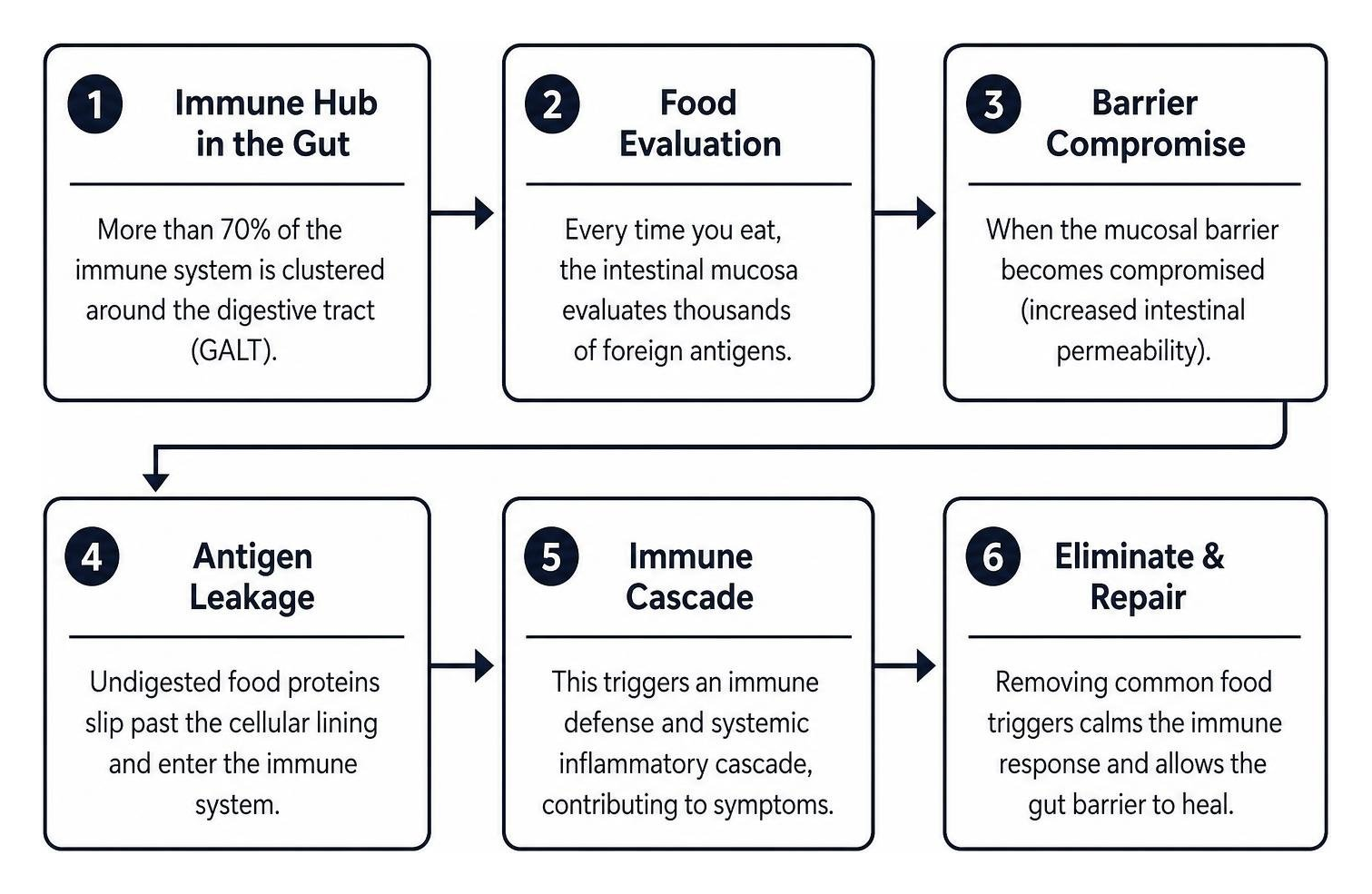
To understand why an elimination protocol works so reliably, we must examine the physiology of the gastrointestinal tract. More than 70% of the human immune system is physically clustered around the digestive tract in the gut-associated lymphoid tissue (GALT). Every time you eat, your intestinal mucosa must evaluate thousands of foreign antigens and decide whether to tolerate them or trigger an immune defense.
When the mucosal barrier becomes compromised or inflamed—often referred to as increased intestinal permeability—undigested food proteins slip past the cellular lining. This exposes them directly to immune cells, igniting a systemic inflammatory cascade. By temporarily removing the most immunogenic triggers, we calm this immune response and give the gastrointestinal tract the space it needs to repair. The scientific rationale behind an elimination diet centers on allowing enterocyte turnover and tissue regeneration without the constant assault of reactive antigens. We frequently cover these foundational gut-immune dynamics on the FMFT blog to help practitioners and patients connect physiological mechanisms with clinical protocols.
Allergies vs Sensitivities vs Intolerances
A major source of confusion in clinical nutrition is the distinction between food allergies, food sensitivities, and food intolerances. While their clinical presentations may overlap, their underlying mechanisms are distinct:
True Food Allergies (IgE-Mediated): These involve an immediate hypersensitivity reaction driven by Immunoglobulin E (IgE) antibodies. When an allergic individual consumes an offending food, mast cells rapidly degranulate and release histamine. Symptoms typically appear within 10 minutes to 2 hours and can include hives, facial swelling, vomiting, wheezing, or life-threatening anaphylaxis.
Food Sensitivities (IgG/IgA/Cell-Mediated): Unlike classic allergies, food sensitivities involve non-IgE immune pathways, primarily driven by Immunoglobulin G (IgG) or delayed cell-mediated reactions. Offending foods provoke symptoms anywhere from 10 minutes to 12 hours later, and symptoms of food sensitivity may be delayed by hours or even days. This delayed hypersensitivity makes identifying triggers through memory alone nearly impossible without a structured protocol.
Food Intolerances (Enzymatic or Chemical): Intolerances are non-immunological reactions caused by enzymatic deficiencies, pharmacological compounds, or malabsorption issues. For instance, 25% to 90% of the world’s population is estimated to be lactase-deficient to some extent, leading to lactose intolerance due to insufficient lactase enzymes. Other examples include histamine intolerance or sensitivities to sulfites and food additives.
Why 21 Days Is the Clinical Standard
Why not a 5-day or 10-day cleanse? In clinical practice, 21 days represents the sweet spot for physiological reset. The intestinal lining replaces itself approximately every two to four days, meaning enterocyte turnover happens rapidly when inflammatory irritants are removed. However, allowing the epithelial barrier to establish tight-junction integrity and dampening circulating immune complexes takes longer.
Three weeks gives the immune system enough time to clear active circulating antibodies and establish a quiet baseline. Most food allergies/sensitivities can resolve within 4 to 6 months of avoiding symptom-provoking foods and taking supportive supplements, but 21 days is the required window to settle active gut irritation so that subsequent food challenges produce clear, readable signals.
The Comprehensive 21-Day Elimination Diet Food List: Foods to Eat and Avoid
Following a protocol successfully requires clarity on what is on your plate and what stays out of the kitchen. Adhering strictly to established clinical elimination guidelines ensures that the immune system remains unprovoked throughout the diagnostic window.
Food Category | Foods to Include (Healing Staples) | Foods to Exclude (Inflammatory Triggers) |
|---|---|---|
Proteins | Pasture-raised chicken, turkey, lamb, wild game, wild-caught low-mercury fish (salmon, sardines, mackerel), clean pea/rice/hemp protein powder | Beef, pork, processed cold cuts, bacon, sausages, shellfish, canned meats with additives, conventional feedlot meats |
Dairy & Alternatives | Coconut milk, unsweetened almond milk, cashew milk, oat milk (certified GF), hemp milk, coconut kefir, cultured dairy-free yogurt | Cow’s milk, goat’s milk, sheep’s milk, cheese, butter, cream, yogurt, whey, casein, ice cream |
Grains & Starches | White rice, brown rice, wild rice, quinoa, buckwheat, amaranth, millet, teff, arrowroot, tapioca, sweet potatoes, yams, squash | Wheat, barley, rye, spelt, kamut, farro, couscous, semolina, triticale, conventional oats, corn, cornstarch, gluten-containing baked goods |
Vegetables | Broccoli, cauliflower, Brussels sprouts, kale, spinach, arugula, cabbage, carrots, celery, cucumbers, zucchini, beets, onions, garlic | Tomatoes, white potatoes, eggplants, bell peppers, hot peppers/chilis, cayenne pepper, paprika, tomatillos (nightshades) |
Fruits | Blueberries, blackberries, raspberries, strawberries, apples, pears, cherries, cantaloupe, honeydew, watermelon, peaches, plums | Citrus fruits (oranges, grapefruits, lemons, limes—in strict protocols), high-sugar dried fruits containing sulfites |
Legumes, Nuts & Seeds | Lentils, chickpeas, black beans, adzuki beans (if tolerated); chia seeds, flaxseeds, pumpkin seeds, sunflower seeds, almonds, walnuts | Peanuts, peanut butter, soybeans, tofu, tempeh, edamame, soy protein isolate, misos, soy sauce |
Fats & Oils | Extra-virgin olive oil, avocado oil, coconut oil, unrefined sesame oil, ghee (if casein-free/tolerated), MCT oil | Canola oil, soybean oil, corn oil, cottonseed oil, peanut oil, hydrogenated trans fats, margarine, commercial salad dressings |
Beverages & Spices | Filtered water, rooibos tea, chamomile, peppermint, ginger tea, fresh vegetable juices, fresh rosemary, thyme, oregano, turmeric, cinnamon | Coffee (regular and decaf), black tea, green tea, energy drinks, soda, alcohol, beer, wine, barbecue sauces, ketchup, artificial flavorings |
Approved Pantry Staples on Your 21-Day Elimination Diet Food List
When following the protocol, build meals around nutrient-dense, whole foods:
Phytonutrient-Rich Vegetables: Cruciferous varieties like broccoli, bok choy, and Brussels sprouts provide glucosinolates that convert to isothiocyanates (like sulforaphane), supporting liver biotransformation. Leafy greens, carrots, parsnips, and squash supply soluble fiber.
Quality Proteins: Pasture-raised poultry, lamb, and cold-water, wild-caught fish deliver essential amino acids needed for enterocyte wall repair. Clean plant proteins (such as organic pea or hemp protein) serve as reliable alternatives.
Gluten-Free Grains and Root Carbohydrates: Quinoa, millet, buckwheat, and sweet potatoes offer steady glucose without the zonulin-triggering gluten peptides found in modern wheat.
Healthy Fats: Cold-pressed extra-virgin olive oil, avocado oil, and coconut milk provide essential fatty acids that support cellular membranes and bile flow.
Fermented Foods & Herbs: Cultured coconut yogurt, unsweetened coconut kefir, and raw sauerkraut feed beneficial commensal gut bacteria. Anti-inflammatory spices such as turmeric, ginger, oregano, and rosemary provide antioxidant defense.
Foods Excluded from the 21-Day Elimination Diet Food List
Removing specific foods for 21 days is essential for quieting immune activity:
Dairy Proteins: Cow, goat, and sheep milk products contain casein and whey proteins that frequently trigger immune complex formation and gut permeability.
Gluten and Corn: Gluten triggers zonulin release in the gut epithelium, while corn is a common allergen that is heavily cross-bred and frequently cross-reactive.
Soy and Peanuts: Both are potent allergens that can drive mast cell activation and gastrointestinal distress.
Nightshades: Tomatoes, potatoes, eggplants, and peppers contain solanine and lectins that may irritate joint tissues and intestinal linings in sensitive individuals.
Refined Sugars and Artificial Additives: Cane sugar, high-fructose corn syrup, aspartame, and sucralose disrupt the gut microbiome balance and drive blood sugar swings.
Processed Meats and Alcohol: Nitrates, sulfites, and alcohol place excess metabolic demand on the liver and irritate the mucosal lining.
Step-by-Step Preparation and Navigating the First Week
Success on an elimination diet comes down to preparation. Stepping into Day 1 without an organized kitchen or meal plan makes compliance difficult when hunger or fatigue sets in.

Kitchen Prep and Meal Planning Strategies
Set yourself up for consistency with these clinical best practices:
Perform a Thorough Kitchen Sweep: Clear your counters, refrigerator, and pantry of tempting reactive foods. If family members are not participating, designate a specific shelf for your approved staples.
Master Ingredient Label Reading: Offending proteins hide under obscure names. Dairy often lurks as sodium caseinate, whey powder, or lactalbumin. Gluten hides in modified food starch, malt extract, hydrolysed vegetable protein (HVP), and soy sauce.
Batch Cook Base Components: Prepare large batches of shredded roast chicken, baked sweet potatoes, and steamed quinoa on the weekend. Having pre-cooked proteins and complex carbohydrates on hand prevents impulsive slip-ups.
Prioritize Nutrient Diversity and Caloric Adequacy: An elimination diet is a therapeutic diagnostic protocol, not a calorie-restriction plan. If you fail to eat enough healthy fats (avocados, olive oil) and complex carbohydrates, you will experience fatigue and intense cravings.
Managing Withdrawal Symptoms and Die-Off Reactions
During the first 3 to 7 days, many people experience mild withdrawal symptoms, often called a "cleansing reaction" or die-off response. As you remove refined sugar, artificial additives, and daily caffeine, your body shifts its metabolic pathways.
Caffeine Weaning: Abruptly stopping coffee often triggers intense vascular headaches. If you consume multiple cups daily, taper down across 4–5 days before Day 1, or swap in roasted dandelion root tea, chicory root brew, or herbal peppermint tea.
Blood Sugar and Energy Fluctuations: Lightheadedness and fatigue during days 2 to 4 usually indicate inadequate caloric or sodium intake. Because whole-food diets naturally lower circulating insulin, the kidneys excrete more water and sodium.
Electrolyte and Hydration Support: Drink at least 2 quarts (64–80 oz) of clean, filtered water daily. Add a pinch of unrefined sea salt to your water or sip warm, homemade mineral-rich bone broth to replenish sodium, potassium, and magnesium.
Gentle Movement: Avoid high-intensity interval training during week one. Choose walking, restorative yoga, and prioritizing 8 hours of sleep to support liver and cellular repair.
The Systematic Reintroduction Protocol and Symptom Tracking
The 21-day elimination phase calms systemic inflammation, but the real diagnostic answers emerge during the reintroduction phase. Rushing this stage or adding multiple foods back simultaneously undoes three weeks of consistent effort. For a clinical template, clinicians often rely on a structured reintroduction guide to help patients systematically challenge individual foods.
Testing Foods One at a Time
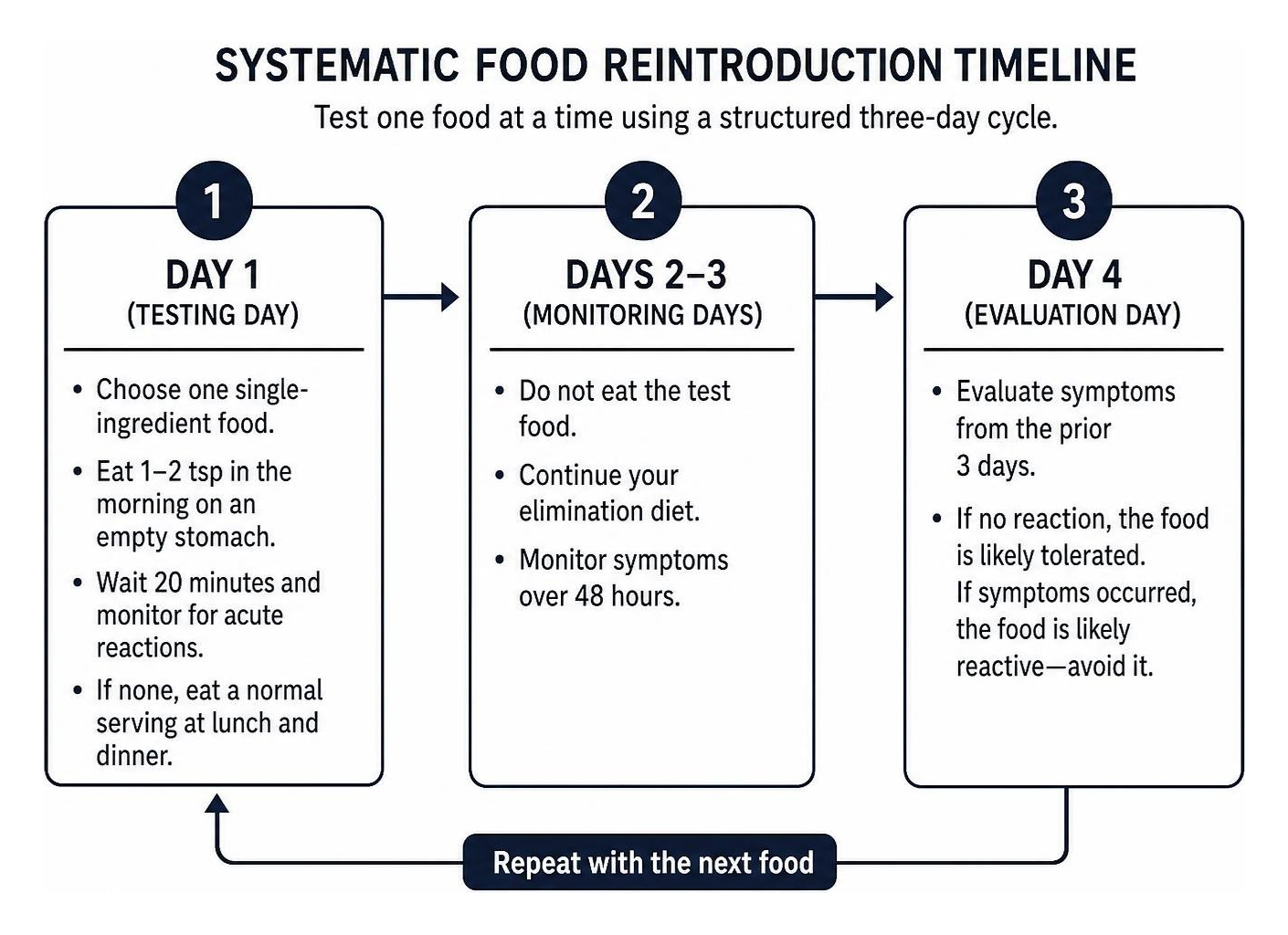
After Day 21—assuming your baseline symptoms have significantly settled—begin testing eliminated foods using a structured three-day cycle:
Day 1 (Testing Day): Pick one single-ingredient food (e.g., pure organic eggs or pure sheep’s milk yogurt, not a baked good containing dairy, eggs, and wheat). Eat a small portion (1 teaspoon to 1 tablespoon) in the morning on an empty stomach. Wait 20 minutes to monitor for acute reactions. If none appear, eat a normal-sized serving at lunch, and a final serving at dinner.
Days 2 and 3 (Observation / Washout Period): Return 100% to your strict baseline elimination diet. Do not introduce any other new foods. Monitor your body closely for delayed reactions over these 48 hours.
Day 4 (Decision Day): If you experienced zero adverse reactions over the 72-hour window, that food is considered currently tolerated and can be kept in your rotation. If you experienced any symptoms, document the reaction and remove that food from your diet for at least 3 to 6 months while continuing gut healing. Proceed to the next single food challenge.
Identifying Immediate vs Delayed Reactions
Tracking your body's signals requires a dedicated food-symptom journal. Systematically tracking physiological markers is essential for measuring clinical results across an intervention.

Watch for both subtle and pronounced reactions across these primary systems:
Gastrointestinal: Bloating, acid reflux, stomach cramping, excessive gas, loose stools, or sudden constipation.
Neurological & Mood: Afternoon brain fog, migraines, dull headaches, anxiety, sudden mood swings, or poor sleep quality.
Musculoskeletal: Joint stiffness, finger swelling, muscle aches, or flare-ups of tendon discomfort.
Dermatological: Eczema patches, acne eruptions, contact dermatitis, hives, or itchy skin.
Respiratory & Systemic: Sinus congestion, post-nasal drip, dark circles under the eyes, unexplained fluid retention, or sudden drops in energy within hours of eating.
What to Do When Symptoms Persist After Three Weeks
While many individuals experience improved digestion, steady energy, and clearer skin within 21 days, some find that their symptoms remain unchanged. If you experience minimal to no improvement after three weeks of strict compliance, consider these clinical possibilities:
Small Intestinal Bacterial Overgrowth (SIBO): If healthy prebiotic foods, garlic, onions, or cruciferous vegetables trigger intense bloating, bacteria may have colonized the small intestine, fermenting healthy fibers into hydrogen or methane gas.
Histamine Intolerance: If fermented foods, bone broths, spinach, and avocados cause headaches, flushing, or nasal congestion, you may lack adequate diamine oxidase (DAO) enzymes to break down histamine.
Oxalate or Salicylate Sensitivity: Certain plant compounds found in spinach, almonds, berries, and herbs can irritate tissues in individuals with specific metabolic or detox pathway imbalances.
Underlying Dysbiosis or Intestinal Parasites: Chronic dysbiosis, fungal overgrowth (Candida), or hidden environmental exposures (such as mycotoxins or heavy metals) may drive systemic inflammation that diet alone cannot fully clear.
When basic dietary adjustments reach their limit, exploring functional testing—such as comprehensive stool panels, organic acid testing, and breath testing—helps uncover deeper imbalances. Learning about comprehensive root-cause analysis allows practitioners to look beyond basic food elimination and address underlying systemic dysfunctions.
Frequently Asked Questions About the 21-Day Elimination Diet
Can I drink coffee or caffeinated tea during the 21-day protocol?
We strongly recommend avoiding regular coffee, decaffeinated coffee, and black tea during the 21-day elimination phase. Coffee contains bioactive compounds that can irritate the gastric mucosa, stimulate stress-hormone production (cortisol and adrenaline), and stress Phase I liver detoxification pathways.
Additionally, decaffeinated coffee often contains solvent residues from chemical processing and still contains cross-reactive proteins that can trigger immune responses. Instead, choose organic herbal teas like rooibos, chamomile, roasted chicory root, peppermint, or freshly sliced ginger steeped in hot water.
How much weight will I lose during the elimination phase?
The elimination diet is designed as a functional diagnostic tool rather than a weight-loss program, but many individuals lose between 2 to 7 pounds during the first week. This initial drop reflects the loss of excess water weight as systemic inflammation subsides.
When you eliminate inflammatory foods and excess refined carbohydrates, circulating insulin levels drop, allowing the kidneys to release stored sodium and fluid. As long as you consume adequate portions of approved proteins, healthy fats, and gluten-free complex carbohydrates, your muscle mass and baseline energy will stay steady throughout the protocol.
Is the elimination diet safe and feasible for vegetarians?
Yes, but it requires deliberate planning to ensure adequate daily protein and essential amino acids without relying on soy, wheat gluten (seitan), or conventional dairy. Vegetarians should base their meals on protocol-approved legumes (adzuki beans, lentils, chickpeas, and black beans, soaked and thoroughly cooked), pseudo-grains like quinoa and amaranth, organic hemp seeds, pumpkin seeds, and clean, single-ingredient sprouted pea or brown rice protein powders.
If eggs are well tolerated and permitted by your clinician, pasture-raised organic eggs serve as an easily digested, complete protein source.
Conclusion
A structured 21-day elimination diet remains one of the most practical, cost-effective tools in functional medicine. By temporarily clearing common dietary irritants, you give your digestive tract the opportunity to rest, repair the mucosal barrier, and reset immune signaling. Most importantly, the reintroduction phase transforms everyday meals into clear biological feedback, showing you exactly how different foods interact with your physiology.
Healing is not about permanent food restriction; it is about uncovering your bio-individual blueprint so you can eat with confidence, energy, and freedom.
Ready to put this protocol into action? Healthcare professionals looking to implement standardized functional protocols can access our clinical resources through Functional Medicine Fast Track to support long-term patient outcomes. Download the complete Elimination Diet Food Plan to begin your 21-day reset.