

Why Your Daily Meals Might Be the Secret Cause of Low Energy
How an Elimination Diet Can Help Find Food Triggers Behind Low Energy
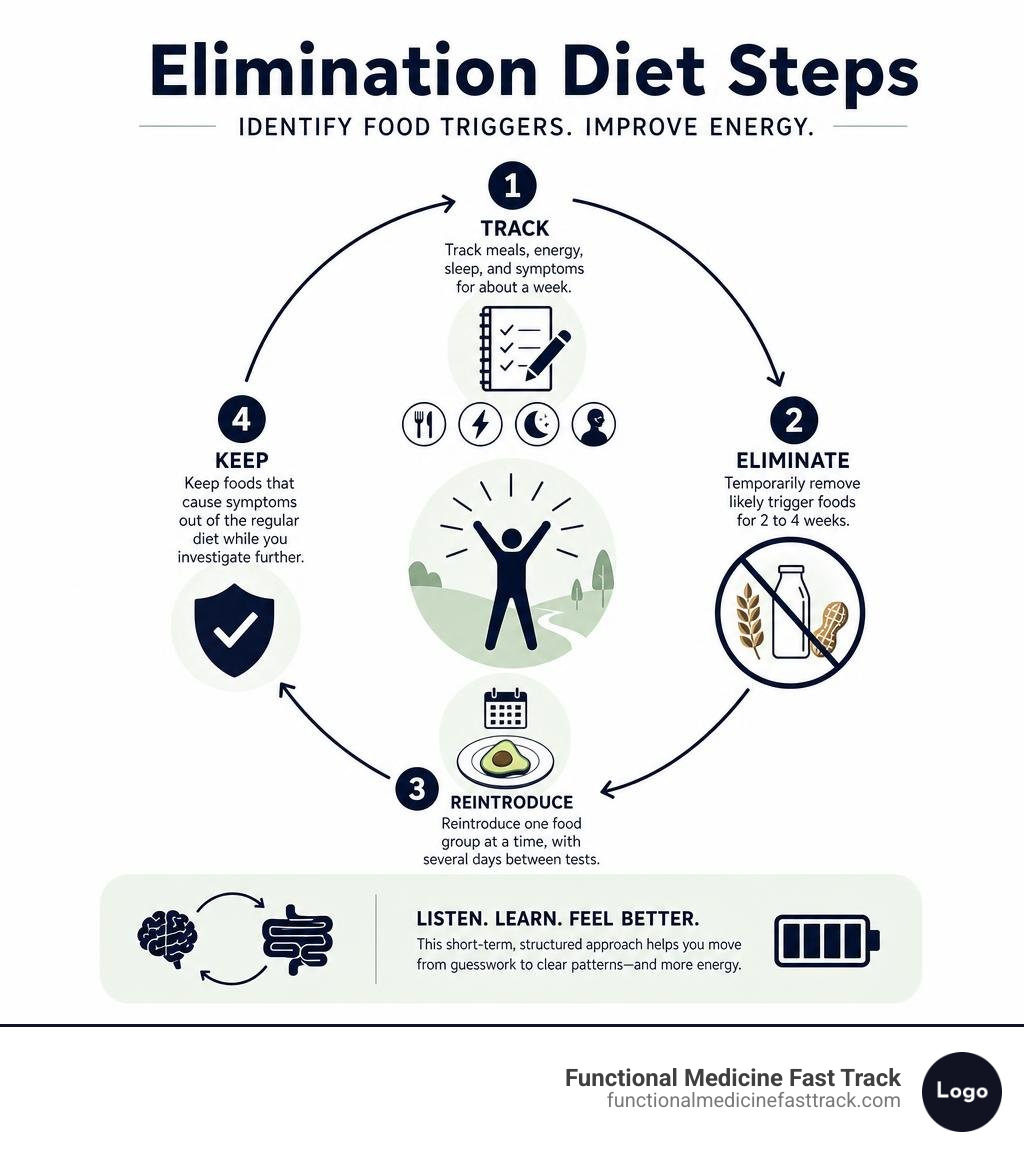
An elimination diet for low energy can help identify whether certain foods are linked to fatigue, brain fog, digestive problems, or afternoon energy crashes. The practical approach is simple:
Track meals, energy, sleep, and symptoms for about a week.
Temporarily remove likely trigger foods for 2 to 4 weeks.
Reintroduce one food group at a time, with several days between tests.
Keep foods that cause symptoms out of the regular diet while you investigate further.
This is not a weight-loss plan or a permanent list of forbidden foods. It is a short-term, structured experiment designed to replace guesswork with useful patterns.
Food reactions are not always immediate. A true food allergy can cause rapid symptoms such as hives, swelling, wheezing, or vomiting. Intolerances and other non-allergic reactions may show up more subtly, with bloating, headaches, skin changes, poor focus, or fatigue that appears later that day or over the next few days.
Low energy also has many possible causes, including poor sleep, iron deficiency, thyroid conditions, celiac disease, infection, depression, medication effects, and inadequate calorie intake. An elimination diet can reveal a food-related pattern, but it cannot diagnose these conditions or rule out an allergy. For persistent, severe, or unexplained fatigue, a clinical assessment should come first.
The Hidden Link Between Digestion, Inflammation, and Chronic Fatigue
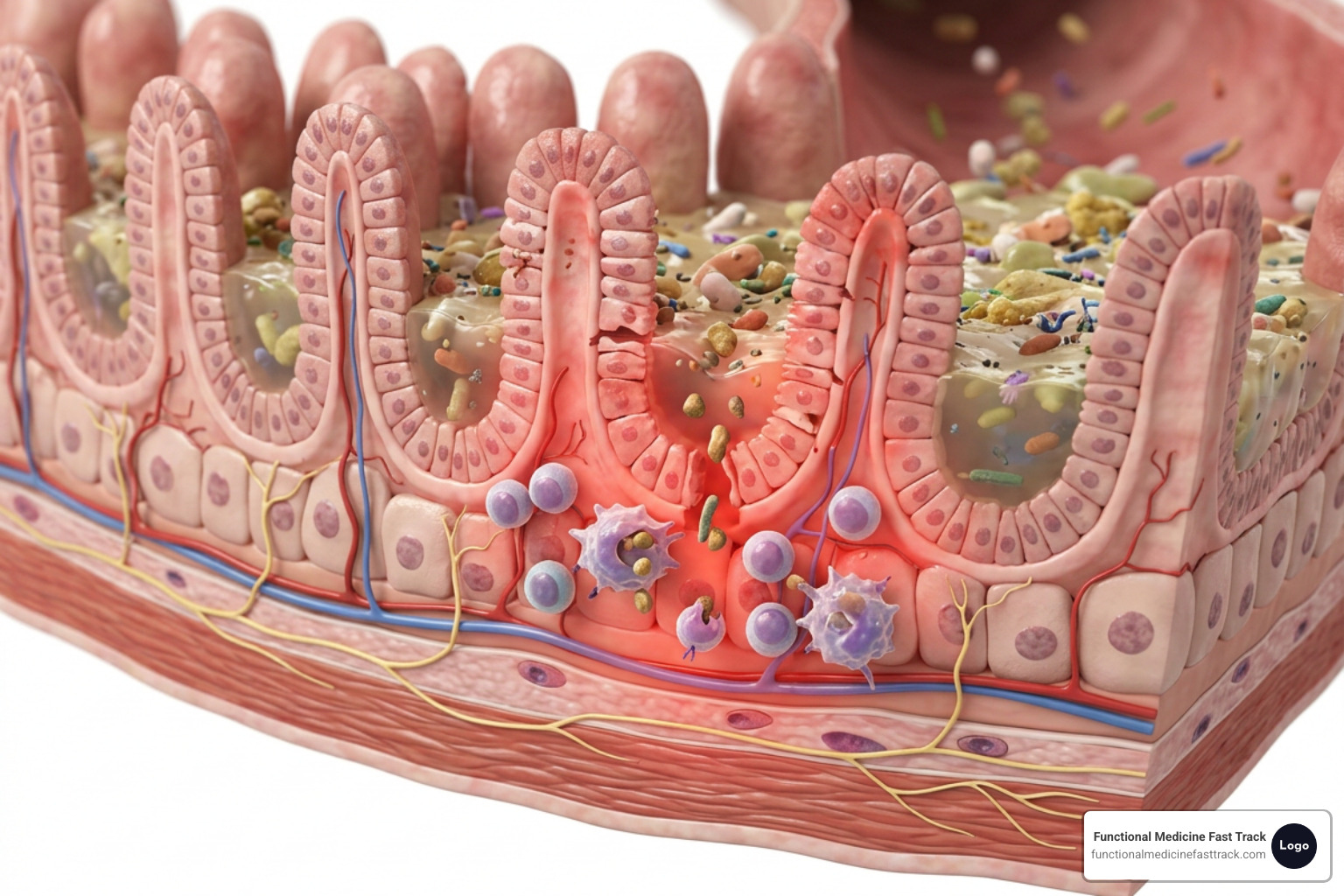
When we eat, our digestive tract does far more than break down calories. It acts as our primary immunological barrier against the outside world. In fact, over 70% of the body’s immune cells reside directly within the gut mucosa. When we consume foods that irritate this mucosal barrier, we trigger localized low-grade inflammation that can quickly become systemic.
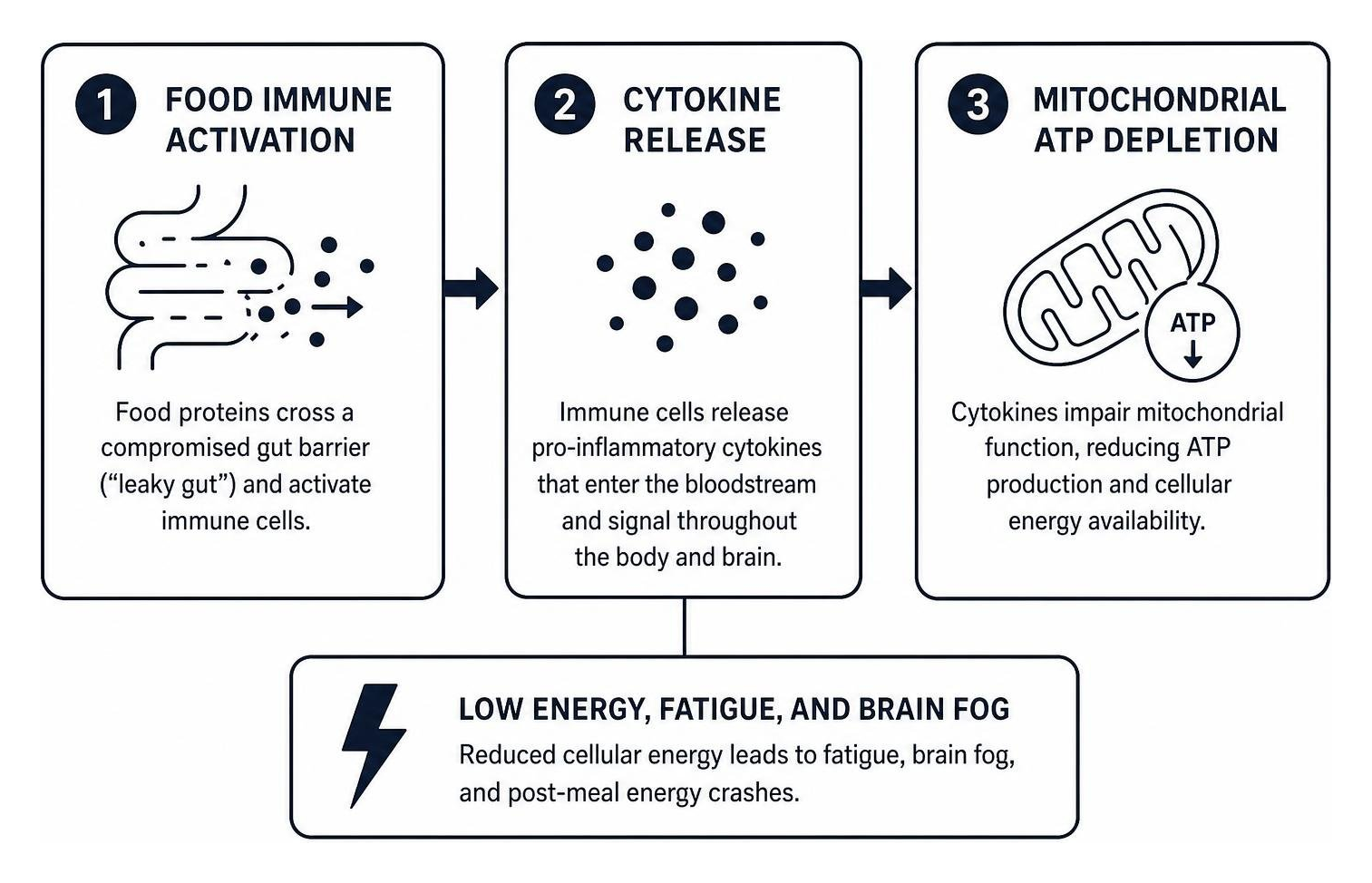
Up to 25% of adults experience unpleasant symptoms after consuming common foods, and general food sensitivities or intolerances impact between 15% and 20% of the population. When offending dietary proteins pass through a hyperpermeable gut wall ("leaky gut"), circulating immune complexes form. This immune activation demands massive amounts of metabolic energy.
When your body mounts an immune response to daily lunch staples, inflammatory signaling molecules circulate throughout your bloodstream. These pro-inflammatory cytokines cross the blood-brain barrier and signal your central nervous system to conserve fuel. The result? Profound postprandial somnolence, brain fog, and chronic slumps. Furthermore, systemic inflammation directly impairs mitochondrial respiration, blunting the production of adenosine triphosphate (ATP) in cellular power plants. When your mitochondria cannot efficiently synthesize ATP, you feel depleted regardless of how many hours you sleep.
For those investigating chronic fatigue causes, recognizing this gut-immune-mitochondrial axis is the first step toward reclaiming vitality, as we regularly discuss across our FMFT Blog.
Food Allergies vs Sensitivities: Why Fatigue Takes Days to Appear
It is critical to distinguish between classical food allergies, enzymatic food intolerances, and non-allergic food sensitivities:
Classical IgE-Mediated Allergies: Involve an acute histamine response triggered by immunoglobulin E (IgE). Symptoms—such as hives, facial swelling, wheezing, or anaphylaxis—appear within minutes to two hours.
Enzymatic Intolerances: Result from digestive enzyme deficiencies (such as lactase deficiency, which impacts an estimated 25% to 90% of global populations depending on genetic lineage). These produce localized gastrointestinal distress such as gas, bloating, and osmotic diarrhea.
Non-IgE Food Sensitivities: Involve cell-mediated or non-IgE immune pathways. Rather than an immediate histamine flare, reactive white blood cells slowly release cytokines such as interleukin-6 (IL-6), interleukin-1 beta (IL-1β), and tumor necrosis factor-alpha (TNF-α).
These inflammatory cytokines peak anywhere from 2 to 72 hours after ingestion. Because of this massive time delay, you might eat a bowl of whole-wheat pasta on Monday evening and experience crippling brain fog, low motivation, and joint stiffness on Wednesday afternoon. Without a structured investigative protocol, connecting the symptom to its root cause is virtually impossible.
Why an Elimination Diet for Low Energy Works Better Than Standard Blood Tests
Direct-to-consumer IgG food sensitivity panels are heavily marketed, but they frequently report false positives. Elevated IgG titers often indicate normal immune tolerance and exposure rather than a clinical sensitivity.
A structured elimination protocol remains the undisputed gold standard for identifying adverse food reactions (Malone & Daley, 2024). By removing suspected trigger foods for a defined window, we give the intestinal epithelium time to turn over (which happens naturally every 2 to 4 days) and calm systemic immune activation. When a food is reintroduced to a quieted baseline, any latent biological reaction produces a clear, undeniable symptom signal. For a deeper look at the methodology, see the clinical overview of elimination diets.
Step-by-Step Guide: Implementing an Elimination Diet for Low Energy

Undertaking an elimination protocol requires thoughtful preparation and structured execution. Approaching it as an organized culinary experiment prevents overwhelm and ensures accurate data while sustaining daily stamina during dietary changes.
Top Preparation Tips Before Starting an Elimination Diet for Low Energy
Check Your Calendar: Choose a 4- to 6-week window devoid of major holidays, weddings, international vacations, or intense work travel.
Audit Your Kitchen: Clear your pantry and refrigerator of tempting trigger foods. Designate specific allergen-free storage bins if sharing a household.
Master Label Reading: Commercial foods hide allergens under obscure names. Dairy appears as casein, whey, or sodium caseinate; gluten lurks in modified food starch, malt extract, and hydrolyzed vegetable protein; soy hides in emulsifiers and lecithin.
Pre-Cook and Batch Prep: Prepare safe staples in bulk—roast root vegetables, bone broths, grilled poultry, and seed-based dressings—so healthy fuel is instantly accessible when fatigue strikes.
Support Electrolytes and Hydration: As processed foods exit your diet, insulin drops, prompting your kidneys to excrete sodium and water. Replenish with clean sea salt, potassium-rich leafy greens, and plenty of filtered water.
Phase 1: The Elimination Phase (Weeks 1 to 4)
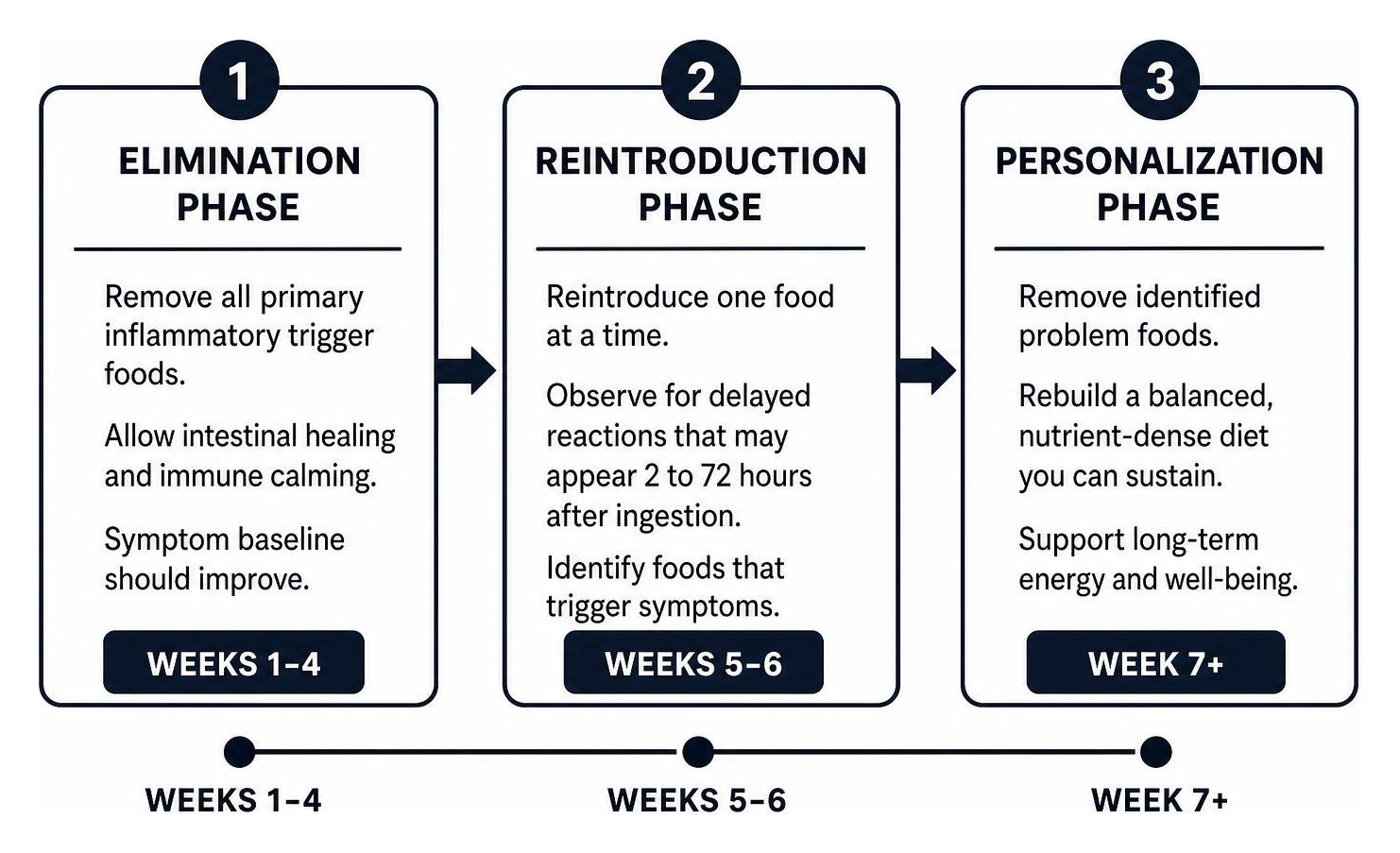
During this phase, remove all primary inflammatory triggers simultaneously. The most common protocol removes:
Gluten-containing grains: Wheat, barley, rye, spelt, and triticale
Dairy products: Cow's milk, cheese, yogurt, butter, and cream
Soy products: Tofu, edamame, soy sauce, tamari, and soy lecithin
Corn and corn derivatives: Corn syrup, cornstarch, and polenta
Eggs: Both whites and yolks
Peanuts and tree nuts: (Or limit to safe options like seeds if using broader protocols)
Refined sugars & artificial sweeteners: High-fructose corn syrup, aspartame, and sucralose
Industrial seed oils & ultra-processed additives: Canola, corn, soybean, and cottonseed oils
In clinical populations, such as pediatric patients with inflammatory bowel disease, studies demonstrate that dietary restrictions naturally surge following diagnosis—with dairy (45%), deep-fried items (30%), wheat (15%), and legumes (15%) being the most frequently removed (Mocic et al., 2023).
What to Expect During Week One: The first 3 to 5 days often involve a temporary adaptation slump. As your body transitions away from quick-burning refined carbohydrates, artificial additives, and stimulants, you may experience withdrawal headaches, mild irritability, or low stamina. Functional practitioners refer to these temporary slumps as "false fires." By days 7 to 10, systemic inflammation recedes, digestive comfort improves, and baseline cellular energy rises substantially.
Phase 2: Systematic Food Challenge and Reintroduction
Once you have achieved a steady, symptom-free baseline (typically at week 3 or 4), the true detective work begins. Never reintroduce multiple foods at once. Follow this strict 4-day testing cycle:
Managing Your Caloric and Nutrient Needs Without Crashing
The most common reason people experience low energy on an elimination diet is inadvertent undereating. When you eliminate calorie-dense convenience foods, your total volumetric food intake must increase to meet daily metabolic demands.
Research in pediatric IBD cohorts shows that at diagnosis, patients on restrictive diets consumed only 90.1% of their recommended daily caloric intake compared to 122.4% in healthy controls, maintaining lower intakes of carbohydrates, unsaturated fats, calcium, and phosphorus over time (Mocic et al., 2023). Ensuring adequate macronutrient replacement and clinical supplementation—utilized by 75% of successful elimination dieters in pediatric studies (Mocic et al., 2023)—is essential for sustaining energy.
To maintain robust ATP production, view this process as a diet of abundance and replacement, rather than restriction. Replace processed carbohydrates with anti-inflammatory fats, clean proteins, and colorful, phytonutrient-dense complex carbohydrates that yield measurable clinical results in patient outcomes.
Trigger Category | Removed Foods | High-Energy Replacement Alternatives | Key Micronutrients Provided |
|---|---|---|---|
Gluten / Grains | Wheat bread, pasta, rye, barley | Sweet potatoes, squash, quinoa, parsnips, wild rice | Complex B-vitamins, potassium, clean glycogen |
Dairy | Cow’s milk, cheese, butter | Coconut milk, avocado oil, extra virgin olive oil, ghee (if tolerated) | Fat-soluble vitamins (A, D, E, K), MCTs |
Soy & Legumes | Soy protein, edamame, tofu, peanuts | Grass-fed beef, pastured chicken, wild-caught salmon, hemp hearts | Iron, zinc, bioavailable essential amino acids |
Refined Sugars | Pastries, soda, candy, processed syrups | Whole berries, green apples, raw honey (minimal), pomegranate | Polyphenols, vitamin C, antioxidant defense |
Industrial Oils | Soybean, canola, corn, cottonseed oils | Cold-pressed olive oil, avocado oil, virgin coconut oil | Oleic acid, polyphenols, mitochondrial membrane support |
Common Pitfalls That Drain Energy During Elimination
Unintentional Caloric Deficits: Forgetting to add healthy fats (avocados, coconut butter, extra virgin olive oil) to meals.
Accidental Exposures: Dining at restaurants with hidden cross-contamination in fryers or marinades, resetting the biological clock.
Premature Reintroduction: Testing a new food before baseline digestive symptoms and fatigue have completely stabilized.
Over-Restricting Carbohydrates: Slashing all carbohydrates simultaneously, inducing an unintended keto-adaptation slump.
Neglecting Micronutrients: Failing to supplement calcium, magnesium, or fat-soluble vitamins when key food groups are temporarily excluded.
Working with Healthcare Practitioners and Investigating Root Causes
While an elimination diet provides profound clarity, it remains one tool within a broader diagnostic framework. Food sensitivities are rarely the ultimate root cause; rather, they are symptoms of underlying physiological imbalances such as gut dysbiosis, small intestinal bacterial overgrowth (SIBO), impaired hypothalamic-pituitary-adrenal (HPA) axis regulation, or suboptimal thyroid hormone conversion (T4 to active T3).
If you are a patient experiencing chronic exhaustion, seeking out trained clinicians who understand functional immunology ensures you do not spend years unnecessarily avoiding dozens of foods. Discover more about integrative health strategies to see how comprehensive root-cause mapping transforms patient care.
If you are a licensed healthcare practitioner looking to master root-cause resolution, expand clinical nutrition protocols, and build a high-impact, independent virtual practice, starting functional medicine exploration with our integrated system provides the clinical workflows, marketing funnels, and delivery platforms needed to scale your impact.
Frequently Asked Questions About Food Sensitivities and Fatigue
How long does it take to feel more energetic after removing trigger foods?
Most individuals notice improvements in morning alertness, mental clarity, and postprandial energy within 7 to 10 days of strict elimination. Complete resolution of deep muscular fatigue, skin conditions, and joint stiffness may take 3 to 4 weeks as intestinal epithelial barriers regenerate and systemic cytokine concentrations decline.
Can an elimination diet distinguish between food intolerances and chronic illness?
An elimination protocol clarifies whether dietary antigens are driving or exacerbating your fatigue. However, it cannot replace medical evaluations for conditions like celiac disease, Hashimoto's thyroiditis, sleep apnea, or occult viral reactivation (such as Epstein-Barr virus). If energy levels remain completely unchanged after 4 weeks of strict dietary compliance, non-dietary root causes must be thoroughly investigated.
What should I do if my low energy does not improve during the elimination phase?
If fatigue persists despite strict adherence:
Assess Caloric & Carbohydrate Intake: Ensure you are consuming sufficient calories and complex carbohydrates (such as root vegetables).
Review Sleep Architecture: Address evening blue-light exposure, circadian disruption, and potential sleep-disordered breathing.
Investigate Functional Lab Biomarkers: Work with a qualified practitioner to run comprehensive panels evaluating ferritin, vitamin D, full thyroid profiles (Free T3, Free T4, Reverse T3, thyroid antibodies), adrenal cortisol rhythmicity, and comprehensive stool analysis.
Conclusion
Chronic low energy is not a natural byproduct of aging or a busy schedule—it is a physiological message from your body. Implementing a strategic elimination diet removes the immunological static of everyday reactive foods, quiets systemic inflammation, restores mitochondrial ATP synthesis, and provides clear, personalized data on what fuels your vitality.
Ready to take the guesswork out of your nutrition? Download our comprehensive, clinician-designed Elimination Diet Food Plan Guide to access complete shopping lists, detailed recipes, and structured reintroduction tracking templates today.
References
Jordan C. Malone, Sharon F. Daley. "Elimination Diets." StatPearls Publishing, 2024. NBK599543. Mocic Pavic A, Sila S, Misak Z, Kolaček S, Hojsak I. "The Frequency and Impact of Self-Imposed Elimination Diets on the Nutritional Status and Clinical Course of Disease in Children with Inflammatory Bowel Disease.." Nutrients, 2023. PMCID PMC10675566.