

Start Your Reset Right with the Phase 1 Elimination Diet Food List
Understanding the Purpose and Timeline of Phase 1
The elimination diet food list phase 1 focuses on nutrient-dense, low-reactivity whole foods while removing the most common inflammatory triggers. Compliant staples center around non-starchy vegetables, leafy greens, root vegetables, low-glycemic fruits, clean proteins (such as wild-caught fish and pasture-raised poultry), healthy fats like olive oil and avocado, and select gluten-free grains. Meanwhile, major dietary triggers—including gluten, dairy, soy, corn, eggs, peanuts, nightshades, refined sugar, caffeine, and alcohol—are strictly avoided to reduce mucosal immune activation and calm gut inflammation.
Food sensitivities often trigger delayed immune reactions and subtle, chronic symptoms like brain fog, sluggish digestion, skin flare-ups, migraines, and achy joints. Phase 1 acts as a functional diagnostic reset, clearing dietary noise to establish a true symptom baseline.
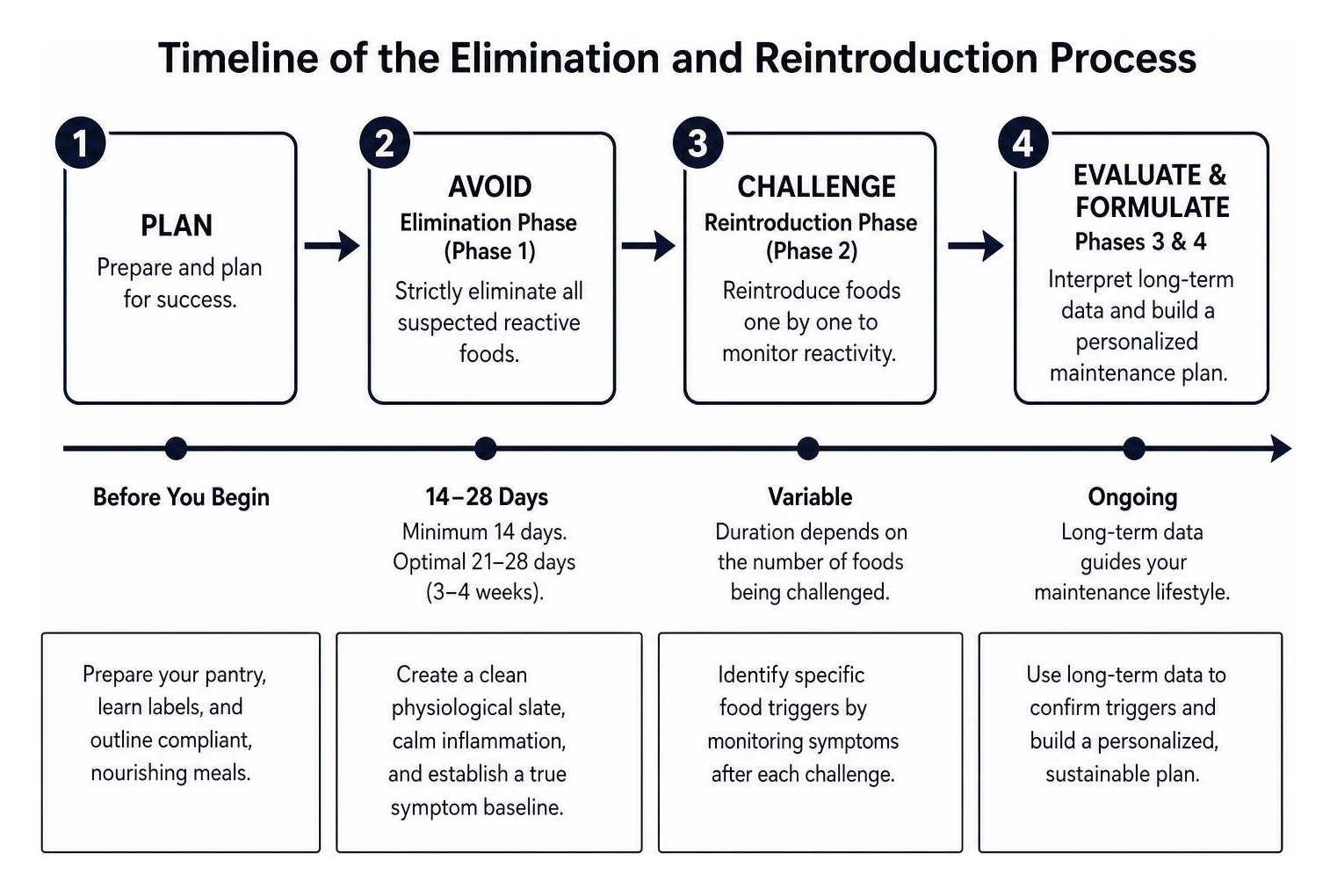
In clinical functional medicine, the elimination diet remains the gold standard for identifying hidden food triggers. It follows the proven PACE framework:
Plan: Prepare the pantry, learn to read labels, and outline compliant meals.
Avoid (Phase 1): Strictly eliminate all suspected reactive foods.
Challenge (Phase 2): Methodically reintroduce foods one by one to monitor reactivity.
Evaluate and Formulate (Phases 3 & 4): Interpret long-term data and construct a personalized maintenance lifestyle.
How long does this reset take? A strict minimum of 14 days is necessary to clear circulating antibodies and calm systemic reactivity. For broader, deeper symptom relief—particularly with chronic autoimmune or joint complaints—a 21- to 28-day (3- to 4-week) duration is optimal. Following structured integrative elimination diet guidance ensures you stay within safe, nutritionally sound boundaries throughout this diagnostic window.
Complete Elimination Diet Food List Phase 1 for Optimal Healing
Phase 1 is not about starvation; it is about nourishment with low-reactivity, anti-inflammatory whole foods. Focusing entirely on what is forbidden makes any protocol feel overwhelming. Instead, center your grocery cart around the vibrant, nutrient-dense staples allowed on the elimination diet food list phase 1:
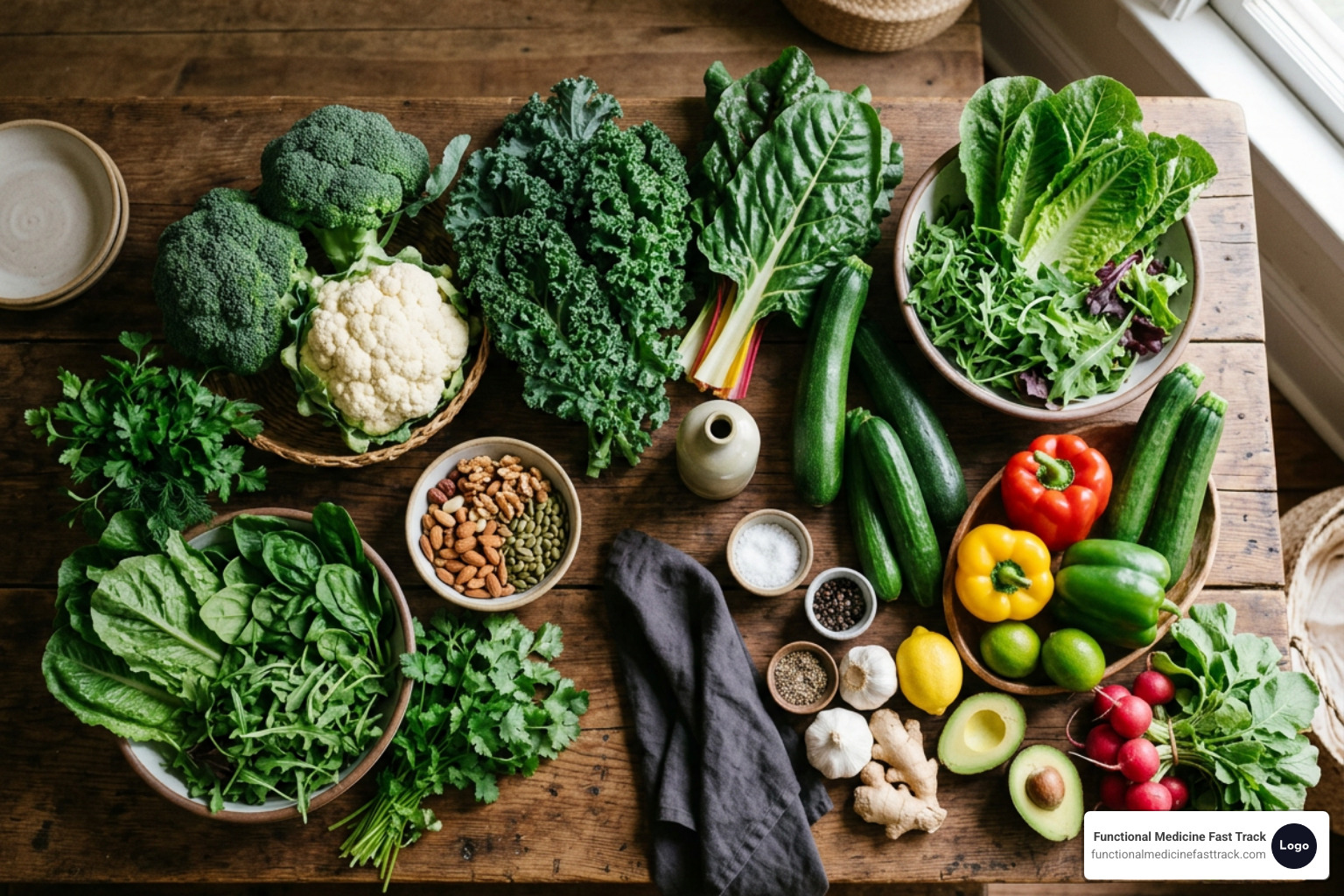
1. Non-Starchy and Cruciferous Vegetables
Vegetables deliver essential polyphenols, prebiotics, and glucosinolates that activate phase II liver detoxification enzymes:
Cruciferous Powerhouses: Broccoli, broccolini, cauliflower, Brussels sprouts, cabbage, bok choy, and kale.
Leafy Greens: Spinach, arugula, Swiss chard, watercress, romaine, and mixed greens.
Crisp Essentials: Cucumbers, zucchini, summer squash, celery, asparagus, green beans, artichokes, and radishes.
Aromatics: Garlic, onions, leeks, shallots, scallions, and fresh ginger root.
2. Starchy Vegetables and Tubers
Clean carbohydrate sources supply ongoing fuel without triggering gluten or grain sensitivities:
Sweet potatoes, yams, parsnips, turnips, rutabagas, carrots, beets, and winter squash (butternut, acorn, and kabocha).
3. Low-Glycemic and Nutrient-Dense Fruits
Whole fruits provide antioxidant support and gentle fiber. Stick to 2–3 daily servings to keep blood sugar balanced:
Berries: Blueberries, blackberries, raspberries, strawberries, and cranberries.
Stone and Orchard Fruits: Apples, pears, peaches, plums, and cherries.
Tropical Fruits (in moderation): Papayas, pineapples, bananas, and mangoes.
4. Clean, High-Quality Animal and Plant Proteins
Quality protein is crucial for tissue repair and gut integrity. Aim for 3–4 oz (roughly the size of your palm) per meal:
Poultry: Pasture-raised or organic chicken, turkey, and duck.
Wild-Caught Fish: Low-mercury seafood like wild Alaskan salmon, sardines, mackerel, trout, and cod.
Clean Meats: Grass-fed lamb, venison, or wild game (limit or avoid conventional factory-farmed beef).
Plant-Based Alternatives: Organic pea protein, hemp protein, and sprouted rice protein powder.
5. Gluten-Free Grains and Pseudograins
For those tolerating grains, these non-gluten options provide sustaining fiber:
Brown rice, wild rice, white basmati rice, quinoa, millet, buckwheat, amaranth, teff, and certified gluten-free oats.
6. Nourishing Fats and Oils
Healthy lipids support cellular membrane health and soothe mucosal irritation:
Extra-virgin olive oil, avocado oil, whole avocados, coconut oil, unsweetened coconut butter, and olives.
7. Seeds and Tolerated Nuts
Provide clean micronutrients, magnesium, and essential fatty acids:
Chia seeds, ground flaxseeds, pumpkin seeds (pepitas), sunflower seeds, and hemp hearts. (Tree nuts such as almonds, walnuts, and cashews are allowed in moderate protocols, though excluded in strict autoimmune elimination diets).
8. Dairy Alternatives
Unsweetened coconut milk, coconut yogurt (additive-free), almond milk, oat milk, hemp milk, and flax milk.
Food Category | Permitted Phase 1 Staples | Recommended Daily Servings |
|---|---|---|
Non-Starchy Veggies | Broccoli, kale, zucchini, asparagus, cucumbers, cabbage | 4–6+ servings (raw or cooked) |
Starchy Veggies & Tubers | Sweet potatoes, squash, parsnips, carrots, beets | 1–2 servings |
Low-Glycemic Fruits | Blueberries, blackberries, apples, pears | 2–3 servings |
Quality Proteins | Wild salmon, pasture-raised turkey/chicken, lamb | 3–4 servings (approx. palm-sized) |
Gluten-Free Grains | Quinoa, brown rice, millet, buckwheat | 1–2 servings (optional) |
Healthy Fats & Oils | Extra virgin olive oil, avocado, coconut oil | 3–5 servings (1-2 Tbsp each) |
Seeds & Plant Milks | Chia, pumpkin seeds, hemp hearts, coconut milk | 1–2 servings |
How to Structure Your Elimination Diet Food List Phase 1 Meals
Adhering to Phase 1 requires proactive planning. When hunger strikes without compliant food nearby, unintentional slip-ups occur. Follow these three meal-building strategies:
Use the Plate Formula: Fill 50% of your plate with non-starchy vegetables, 25% with clean protein, and 25% with starchy roots or gluten-free grains. Drizzle with 1–2 tablespoons of cold-pressed oil.
Batch Cook Twice Weekly: Roast large sheet pans of broccoli, carrots, and sweet potatoes alongside batch-prepped chicken breasts or baked wild salmon. Store meals in glass containers for effortless grab-and-go lunches.
Rotate Your Proteins: Avoid eating chicken three meals a day. Alternate between fish, turkey, lamb, and plant proteins to avoid developing new sensitivities during your reset.
Stay Thoroughly Hydrated: Drink 6 to 8 glasses of filtered water daily to support lymphatic drainage and kidney biotransformation. Herbal infusions like peppermint, chamomile, and ginger tea count toward your hydration target.
Foods and Additives to Strictly Eliminate in Phase 1
Achieving clear diagnostic results requires complete elimination. Consuming even minute amounts of an inflammatory food triggers low-grade immune reactions that cloud your symptom baseline.

Eliminate the following food groups entirely throughout Phase 1:
Gluten-Containing Grains: Wheat, barley, rye, spelt, farro, kamut, triticale, semolina, couscous, and standard commercial oats.
Dairy Products: Cow's milk, cheese, butter, yogurt, cream, sour cream, whey, and casein.
Soy and Soy Derivatives: Soybeans, edamame, tofu, tempeh, soy sauce, tamari, miso, and soy lecithin.
Corn Products: Sweet corn, cornstarch, cornmeal, polenta, corn tortillas, and high-fructose corn syrup.
Nightshade Vegetables (in comprehensive protocols): Tomatoes, white potatoes, eggplants, all bell peppers, chili peppers, cayenne, paprika, and goji berries.
Eggs: Both egg whites and yolks, as well as processed goods containing powdered eggs or albumin.
Peanuts and Peanut Products: Peanuts, peanut butter, and peanut flour (peanuts are legumes, not nuts, and carry a high allergen profile).
Processed and Cured Meats: Bacon, sausage, hot dogs, cold cuts, and jerky containing nitrates or filler starches.
Refined Sugars and Artificial Sweeteners: Cane sugar, high-fructose corn syrup, aspartame, sucralose, saccharin, and sugar alcohols (sorbitol, xylitol, erythritol).
Alcohol, Caffeine, and Chocolate: Coffee, caffeinated black or green teas, energy drinks, cocoa, and all alcoholic beverages.
To review a clinically formulated protocol, access our Elimination Diet Food Plan to help guide your patient or personal reset.
Hidden Ingredients to Watch on Your Elimination Diet Food List Phase 1
Packaged foods hide common allergens behind complex chemical names. Always read the complete ingredient panel:
Hidden Gluten: Modified food starch, malt extract, hydrolyzed wheat protein, brewer's yeast, dextrin, natural flavoring, and caramel color.
Hidden Dairy: Whey, casein, caseinate, sodium caseinate, lactalbumin, ghee, and natural butter flavor.
Hidden Soy: Textured vegetable protein (TVP), vegetable broth, lecithin, vitamin E (tocopherols derived from soy), and monosodium glutamate (MSG).
Hidden Corn: Dextrose, maltodextrin, crystalline fructose, xanthan gum, ascorbic acid (often corn-derived), and baking powder.
Hidden Sweeteners: Agave, barley malt, brown rice syrup, cane crystals, evaporated cane juice, and fruit juice concentrate (over 60 aliases exist for refined sugar).
Rule of thumb: When in doubt about a packaged ingredient, leave it out.
Managing Initial Side Effects and Navigating Phase 1 Flavoring
During days 2 to 5 of Phase 1, some individuals experience a temporary symptom flare before feeling better. As your body clears refined sugars, artificial additives, and daily caffeine, you may experience mild withdrawal headaches, lightheadedness, fatigue, mood irritability, or digestive shifts.
These symptoms are normal indicators of metabolic adaptation. Ease the transition by sipping mineral-rich bone broth, adding unrefined sea salt to your meals, staying hydrated, and resting. By days 7 to 10, these initial reactions typically give way to steady energy, sharper focus, and lighter digestion.
Eliminating bottled dressings, soy sauce, and ketchup does not mean eating bland food. Enhance your dishes using these clean flavor builders:
Herbs: Fresh or dried rosemary, thyme, oregano, basil, dill, cilantro, parsley, and sage.
Anti-Inflammatory Roots: Fresh grated turmeric and minced ginger.
Salty and Umami Flavors: Pure coconut aminos (the ideal soy sauce substitute), unrefined Celtic sea salt, Himalayan pink salt, and garlic powder.
Acids and Vinegars: Raw unpasteurized apple cider vinegar, red wine vinegar, and fresh lemon or lime juice (if citrus is permitted in your specific tier).
Fats: Finishing drizzles of organic cold-pressed extra-virgin olive oil or avocado oil.
Keep a daily food and symptom journal throughout Phase 1. Record your meals, hydration, bowel movements, energy scores (1–10), and any lingering joint, skin, or digestive symptoms. This journal becomes your baseline when evaluating reactions during Phase 2 reintroduction.
Frequently Asked Questions About Phase 1 Elimination
How long should I stay on Phase 1 before reintroducing foods?
Phase 1 should last a minimum of 14 days, though 21 to 28 days yields clearer results for chronic symptoms. Reintroduction should only begin once your primary symptoms (e.g., bloating, migraines, joint stiffness) have noticeably stabilized. If active digestive distress persists, consult your functional healthcare provider to assess other variables, such as SIBO or dysbiosis.
What should I do if I accidentally consume a restricted food?
Do not panic or abandon the protocol. Note the accidental exposure in your food diary, along with any symptoms that appear over the next 24 to 72 hours. If a noticeable flare occurs, extend Phase 1 by 3 to 5 days to allow the immune response to settle before beginning systematic reintroduction.
What are the main signs that Phase 1 is working?
Most individuals report marked improvements by the second or third week. Common markers of success include:
Significant reductions in post-meal bloating, gas, and reflux
Higher, consistent daytime energy without mid-afternoon slumps
Clearance of stubborn skin redness, acne, or eczema patches
Reduced morning joint stiffness and muscle aches
Sharper cognitive focus and improved sleep quality
Conclusion
Phase 1 of the elimination diet is a targeted diagnostic intervention that reduces systemic inflammation, supports gut barrier recovery, and establishes a clear symptom baseline. While removing multiple food groups requires upfront planning and diligence, the payoff is immense: genuine clinical clarity regarding what truly nourishes your unique physiology.
Once your baseline is calm and stable, you can transition safely into Phase 2, challenging eliminated foods one by one using a structured reintroduction schedule.
At Functional Medicine Fast Track, we empower healthcare professionals with clinical systems, practical patient handouts, and done-for-you resources that make interventions like elimination diets simple, repeatable, and clinically transformative. Download the comprehensive elimination diet food plan to launch your clinical resets with clarity and confidence.