
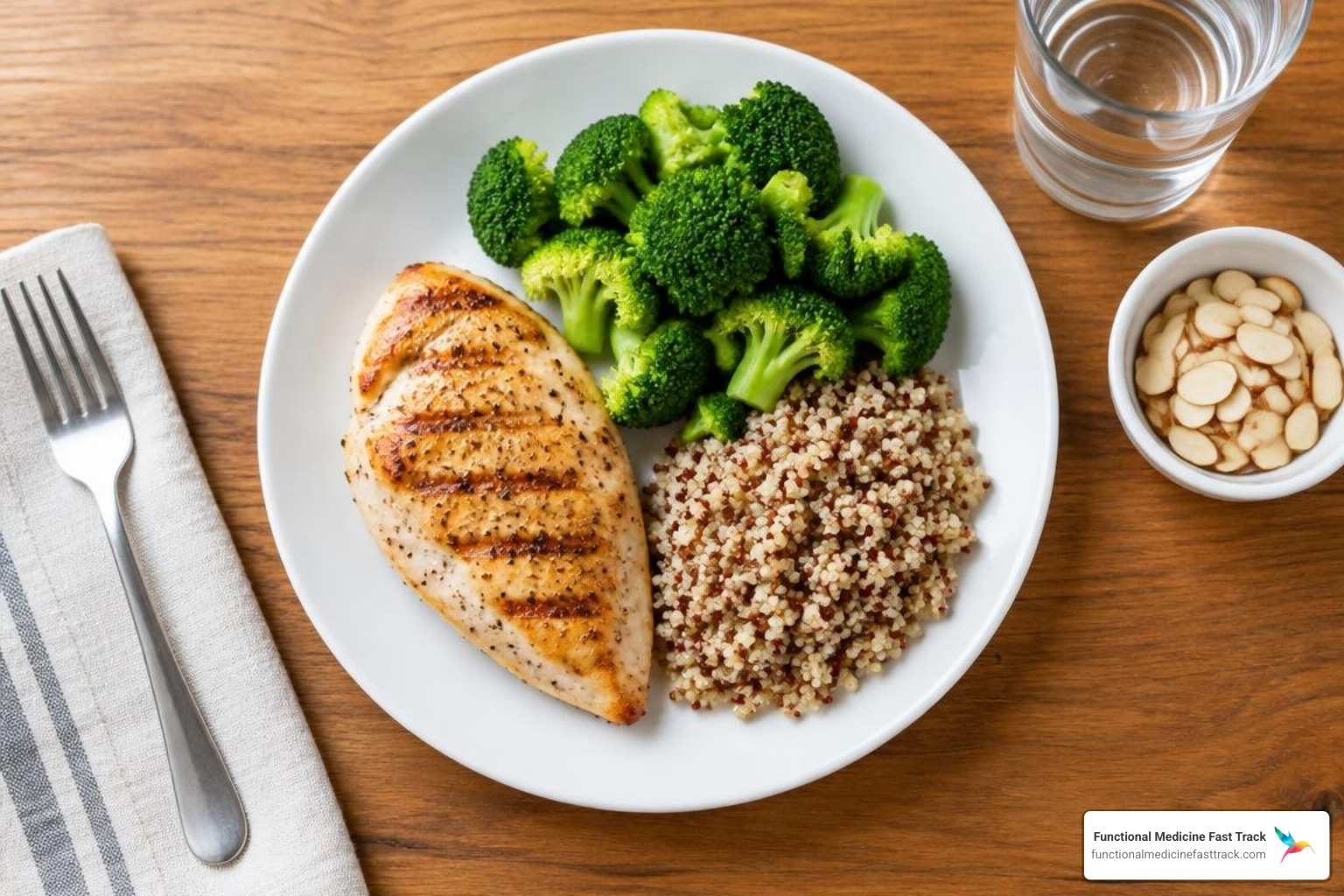
Elimination Diet for Acid Reflux: What to Eat and What to Skip
Why an Elimination Diet for Acid Reflux Works: Clinical Evidence and Benefits
An elimination diet for acid reflux involves temporarily removing key triggers—such as acidic foods, high-fat meals, caffeine, dairy, and yeast—for 2 to 4 weeks to calm esophageal inflammation, then methodically reintroducing foods one at a time to identify individual culprits. Most people struggling with chronic gastroesophageal reflux disease (GERD) find themselves caught in a cycle of endless antacids and prescription proton pump inhibitors (PPIs). While acid-blocking medications can provide short-term symptom suppression, they rarely resolve the underlying driver of upper gastrointestinal distress. In functional medicine, we look deeper at how specific foods trigger immune responses, alter stomach motility, and irritate the mucosal lining of the esophagus.
The clinical evidence supporting dietary elimination for upper GI disorders is compelling. In conditions driven by immune-mediated esophageal inflammation, such as eosinophilic esophagitis (EoE), dietary therapy consistently matches or outperforms drug interventions. Research shows that a structured six-food elimination diet (SFED) produces histologic remission rates equivalent to topical fluticasone therapy while delivering massive cost savings—averaging $5,719.72 per person for dietary management compared to $9,261.58 for pharmacologic treatment.
Treatment Approach | Average Cost per Patient | Primary Mechanism | Clinical Efficacy / Remission Rate |
|---|---|---|---|
Targeted Elimination Diet | $5,719.72 | Removes immune & chemical irritants; heals mucosa | Equal to topical steroids in EoE; 50% GIS drop in GERD |
Topical Corticosteroids | $9,261.58 | Suppresses local esophageal inflammation | High histologic remission in EoE; ongoing cost |
Proton Pump Inhibitors (PPIs) | Ongoing prescription cost | Chemically blocks gastric acid secretion | 54.1% symptom improvement in laryngopharyngeal reflux |
Plant-Based Mediterranean Diet | Standard grocery budget | Lowers dietary acid, buffers pepsin activity | 62.6% symptom improvement in laryngopharyngeal reflux |
Targeted food removal also benefits standard, medication-resistant GERD. In a randomized controlled pilot trial on test-based exclusion diets, patients with refractory reflux who followed a personalized food exclusion protocol experienced a 50% reduction in their GERD Impact Scale (GIS) scores after just one month, compared to only 26.9% in the control group (Caselli et al., 2014). When the control group crossed over to the targeted exclusion diet, their symptom scores dropped by an additional 44.9% over two months.
These findings confirm what we observe clinically: eliminating specific trigger foods allows the lower esophageal sphincter (LES) to regain proper tone and gives the irritated esophageal epithelium an opportunity to heal.
How an Elimination Diet for Acid Reflux Differs from Standard GERD Advice
Standard medical advice for heartburn tends to follow a generic checklist: avoid chocolate, skip peppermint, steer clear of fried foods, and stop eating tomatoes. While these guidelines can offer baseline relief, they treat every digestive tract as identical.
An elimination protocol differs by treating your reflux as a dynamic, bio-individual puzzle. Beyond chemically acidic or fatty items that mechanically relax the LES, many patients experience delayed hypersensitivity reactions. In a study evaluating non-responders to PPI therapy, 100% of the participants reacted moderately or severely to between 5 and 19 distinct foods on leukocyte-activation testing. Surprising culprits such as brewer's yeast, lettuce, and pork frequently provoke immune-driven esophageal dysfunction that standard advice completely overlooks.
Instead of permanent, arbitrary dietary restriction, a structured Elimination Diet Program removes suspected irritants temporarily, establishes a calm digestive baseline, and methodically tests foods one by one to reveal your exact physiological triggers.
Systemic Benefits Beyond Esophageal Relief
When you eliminate inflammatory food triggers, the benefits extend far beyond your esophagus. Chronic nocturnal acid exposure disrupts sleep architecture, leaving you fatigued, foggy-headed, and irritable. Removing dietary irritants significantly reduces nighttime reflux events, allowing for deep, restorative sleep that naturally lowers morning cortisol levels.
Systemic improvements often include:
Reduced systemic inflammation: Quieting gut-derived immune activation eases joint aches, skin flare-ups, and chronic sinus congestion.
Microbiome recovery: Diversifying whole-food fiber intake once trigger foods are identified restores beneficial gut flora and improves lower-bowel regularity.
Metabolic optimization: Shifting away from processed trigger foods toward nutrient-dense whole foods naturally stabilizes blood sugar and supports healthy weight management, which in turn reduces intra-abdominal pressure against the stomach.
Foods to Skip: Major Reflux Triggers and Hidden Sensitivities
Starting an elimination protocol requires a clear understanding of which foods provoke gastric backflow. We divide reflux triggers into two categories: classic physiological irritants and hidden immune sensitivities.
During the initial elimination phase, removing both categories gives your stomach lining and esophageal mucosa a complete break. For a broader overview of fermentable irritants, reviewing Fast Tract Diet Foods to Avoid can help clarify which carbohydrates might also be contributing to upper digestive pressure.
Classic GERD Irritants vs. Hidden Immune Triggers
Classic GERD triggers act primarily through physical and chemical mechanisms:
Lower Esophageal Sphincter Relaxers: Chocolate (due to theobromine), peppermint (volatile oils), alcohol, and high-fat meals stimulate cholecystokinin (CCK), causing the muscular valve at the top of the stomach to relax inappropriately.
Direct Mucosal Irritants: Highly acidic citrus fruits, tomato products, and spicy foods containing capsaicin directly irritate the nerve endings in an already inflamed esophagus.
Gas and Pressure Promoters: Carbonated beverages introduce dissolved gas directly into the stomach, increasing intragastric pressure and forcing the LES open.
Hidden immune triggers operate differently. Rather than simply altering stomach pH, these foods provoke localized or systemic immune responses that cause delayed tissue swelling, impaired motility, and secondary reflux:
Cow's Milk Protein: Casein and whey can trigger subtle inflammatory reactions in the digestive tract. In infant and adult studies, dairy elimination consistently resolves treatment-resistant reflux.
Brewer's and Baker's Yeast: Found in fermented baked goods, beer, and nutritional yeast, yeast extracts frequently provoke leukocytotoxic reactions that manifest as upper GI distress.
Alliums and Nightshades: Beyond the raw burn of garlic and onions, certain compounds in nightshades (peppers, eggplants, white potatoes) can trigger delayed hypersensitivity in sensitive individuals.
What to Eat: Soothing, Low-Acid, and Nutrient-Dense Foods
An elimination diet is not about starvation; it is about abundance with the right ingredients. To calm inflammation and prevent the activation of mucosal pepsin (which reactivates below pH 5.0), your meals should center around alkaline, low-fat, and easily digestible whole foods.
You can easily reference our comprehensive Anti-Inflammatory Food List PDF to build a wide variety of meals around the following reflux-safe staples:
Lean, Clean Proteins: Skinless chicken breast, ground turkey, egg whites, and wild-caught white fish (such as cod or sole) provide tissue-repairing amino acids without delaying gastric emptying.
Non-Citrus Fruits: Bananas, cantaloupe, honeydew melon, watermelon, and pears have an inherently low acid profile and coat the stomach lining.
Gentle Vegetables: Zucchini, cucumbers, asparagus, green beans, leafy greens (spinach, kale), sweet potatoes, and carrots provide critical phytonutrients without provoking excess gas.
Complex, Soothing Carbohydrates: Rolled oats, brown rice, quinoa, and sweet potatoes absorb excess stomach juices and provide steady, slow-burning fuel.
Hydration Alternatives: Filtered water, alkaline water (pH 8.0+), chamomile tea, and fresh ginger root steeped in hot water.
Soothing Staples for Esophageal Repair
Certain therapeutic foods and functional botanicals actively accelerate the restoration of the gut mucosal barrier:
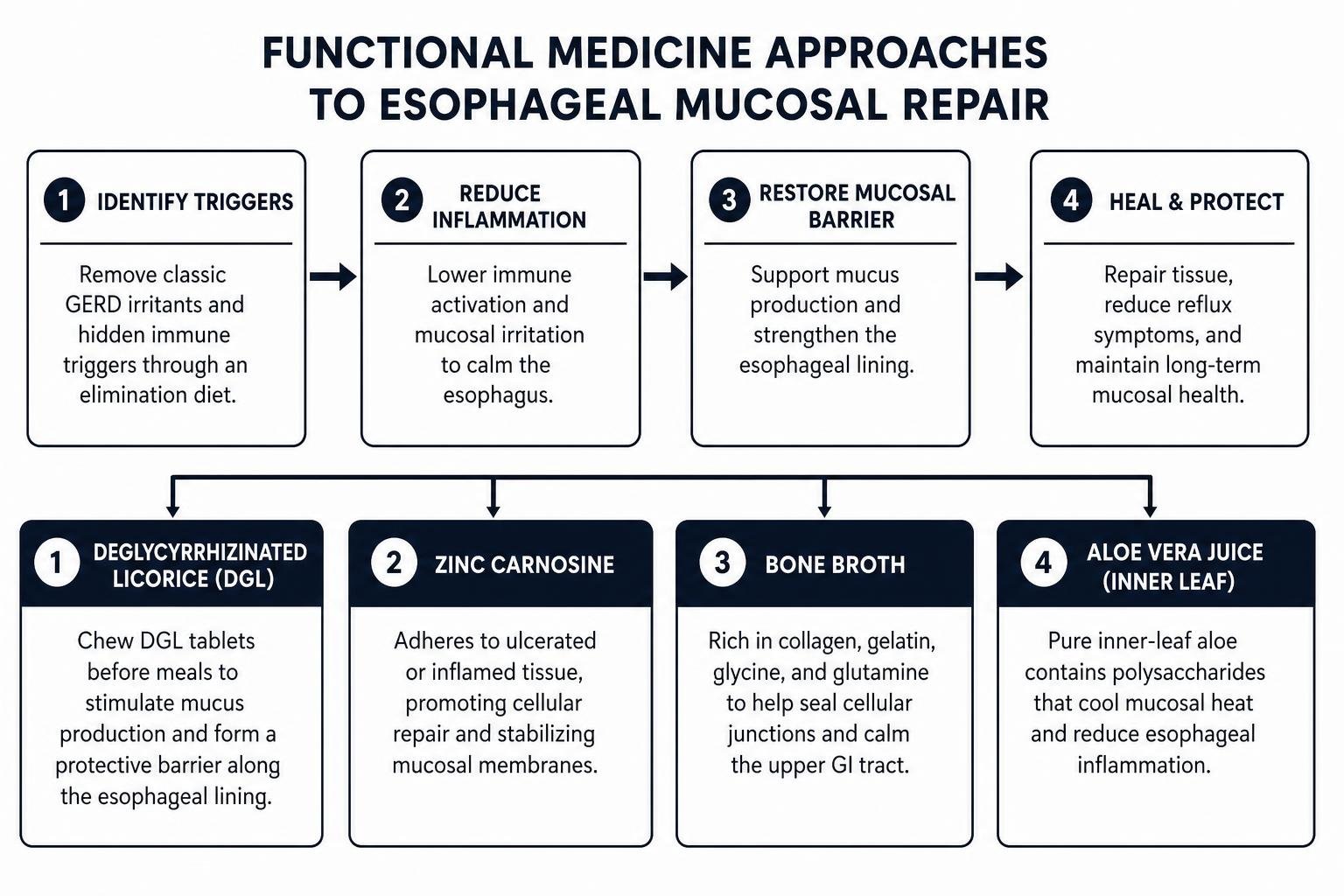
Deglycyrrhizinated Licorice (DGL): Chewing DGL tablets before meals stimulates mucus production, forming a protective barrier along the esophageal lining against stomach acid and digestive enzymes.
Zinc Carnosine: This specialized chelated compound adheres directly to ulcerated or inflamed gastric tissue, promoting cellular repair and stabilizing mucosal membranes.
Bone Broth: Rich in collagen, gelatin, glycine, and glutamine, sipping warm bone broth helps seal cellular junctions and calm the upper GI tract.
Aloe Vera Juice (Inner Leaf): Pure, decolorized inner-leaf aloe contains polysaccharides that cool mucosal heat and reduce esophageal inflammation.
To explore which carbohydrates generate the least microbial fermentation pressure in the upper stomach, check out the Fast Tract Diet List of Foods.
Step-by-Step Implementation and Reintroduction
Following an elimination diet requires a clear roadmap, incorporating structured approaches such as the 2-Week Acid Reflux Diet framework. Attempting to guess your triggers without a structured baseline will only lead to confusion.

Step-by-Step Elimination Diet for Acid Reflux Protocol
A successful protocol consists of distinct stages: preparation, baseline elimination, and stabilization.
Preparation and Baseline Tracking (Days 1–3): Before removing foods, spend three days logging everything you eat, your meal timing, stress levels, and reflux severity in a daily symptom diary. This establishes your baseline score.
Strict Elimination Phase (Weeks 1–2): Completely remove all classic triggers (coffee, alcohol, chocolate, citrus, tomato, fried foods, mint, carbonation) and top immunogenic antigens (dairy, gluten, yeast). Prepare your meals at home using whole, single-ingredient foods.
Stabilization Window (Weeks 3–4): As your esophageal tissues calm down and heartburn dissipates, you reach digestive baseline. If you need step-by-step instructions on meal planning during this phase, follow our Elimination Diet Phase 1 Guide.
Structured Reintroduction and Challenge Strategy
Once you have achieved at least 5 to 7 consecutive days of minimal to no reflux symptoms, you can begin the reintroduction phase. Never reintroduce multiple foods simultaneously.
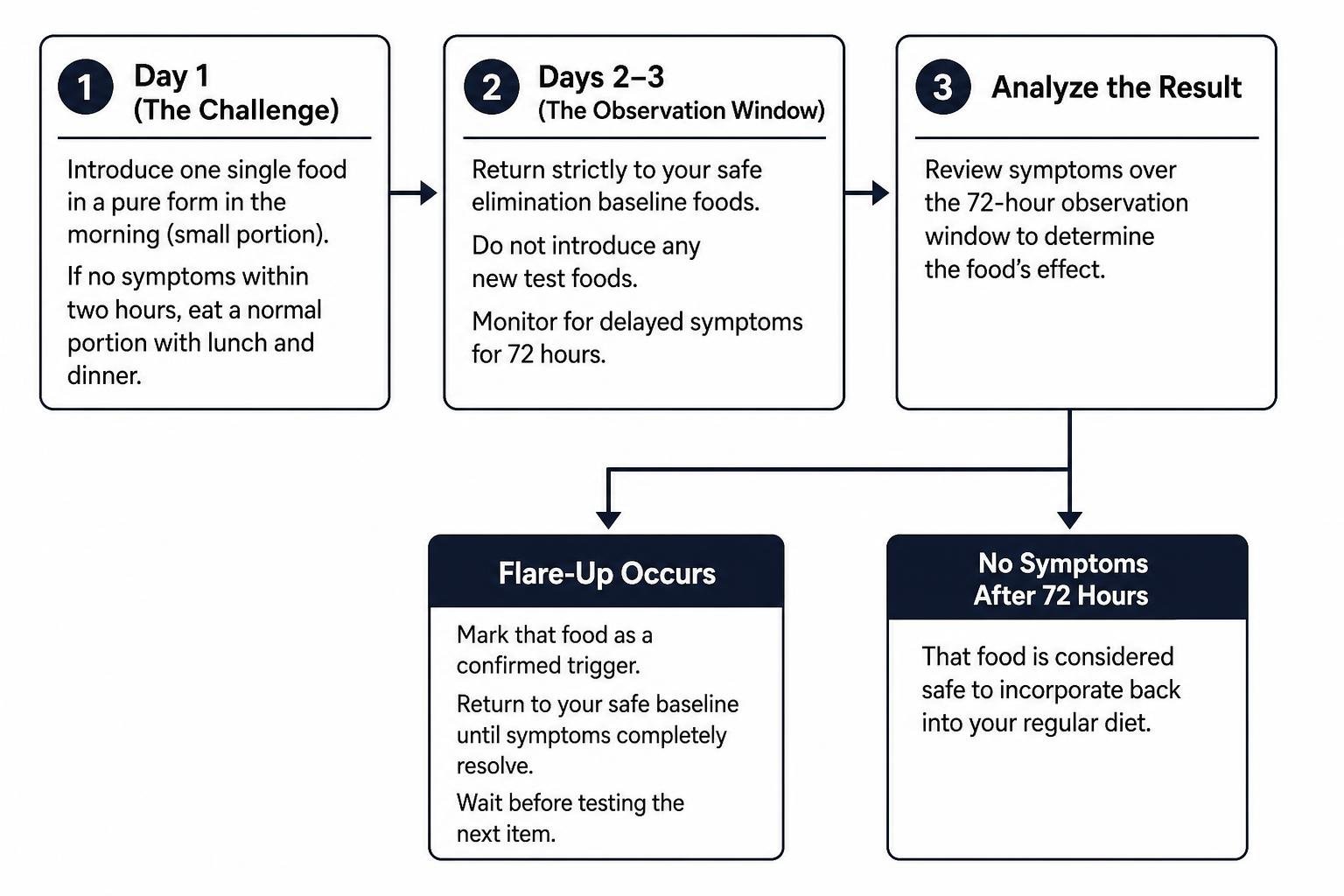
Day 1 (The Challenge): Introduce one single food item in a pure form (e.g., plain organic cow's milk, or black coffee without additives). Consume a small portion in the morning. If no symptoms appear within two hours, eat a normal portion with lunch and dinner.
Days 2 and 3 (The Observation Window): Return strictly to your safe elimination baseline foods. Do not introduce any new test foods. Monitor for delayed symptoms, which can include throat clearing, morning hoarseness, mid-back pain, bloating, or disturbed sleep.
Analyzing the Result:
If a flare-up occurs: Mark that food as a confirmed trigger, return to your safe baseline until symptoms completely resolve, and wait before testing the next item.
If no symptoms occur after 72 hours: That food is considered safe to incorporate back into your regular diet.
For an in-depth breakdown of testing timelines, consult our 21-Day Elimination Diet Guide.
Lifestyle Amplifiers and Mechanical Reflux Distinctions
Diet is only half the battle. How, when, and how much you eat directly dictates how well your lower esophageal sphincter stays closed.

Key lifestyle adjustments that amplify your dietary protocol include:
The Three-Hour Bedtime Cutoff: Never lie flat with food in your stomach. Clinical crossover trials confirm that eating within 2 hours of bedtime increases supine acid reflux by a mean of 5.2 percentage points compared to finishing meals 6 hours prior. Aim for a strict 3-hour minimum buffer between dinner and sleep.
Head-of-Bed Elevation: Raising the head of your bed 6 inches using bed risers (or a medical wedge pillow) harnesses gravity to prevent acid from migrating upward. Systematic reviews show this simple intervention slashes nocturnal acid exposure time from 21% down to 15%.
Portion Control and Chewing Speed: Large meals stretch the gastric fundus, automatically triggering transient lower esophageal sphincter relaxations (TLESRs). Eat until you are 80% full, and chew every bite thoroughly to reduce digestive workload.
Managing Upward Pressure: If you experience severe abdominal distension that pushes upward against the stomach, implementing an Elimination Diet for Gas and Bloating will alleviate the intra-abdominal pressure driving gastric contents upward.
Distinguishing Mechanical Defects from Food Intolerances
Dietary changes resolve chemical and immune-driven reflux, but they cannot physically repair anatomical defects. If you follow a strict elimination protocol for 4 weeks with zero improvement, you may be dealing with a structural issue:
Hiatal Hernia: When the upper stomach slips above the diaphragm, the mechanical pinch that reinforces the LES is compromised. While diet reduces the acidity of the refluxate, it cannot slide the stomach back into place.
Severe LES Hypotonia: Neuromuscular weakness of the sphincter valve often requires targeted prokinetic therapies or specialized diaphragmatic breathing training.
Diagnostic Confirmation: If symptoms persist despite strict adherence, a gastroenterologist can perform an upper endoscopy (EGD) or high-resolution esophageal manometry to evaluate sphincter integrity and check for structural issues.
Frequently Asked Questions About Acid Reflux Elimination Diets
How quickly can someone expect symptom relief on an elimination diet?
Most people experience a noticeable drop in acute heartburn within 3 to 7 days of cutting out high-acid foods, alcohol, and large high-fat meals. However, if your reflux manifests as Laryngopharyngeal Reflux (LPR or "silent reflux") with symptoms like chronic throat clearing, vocal hoarseness, or a persistent post-nasal drip, mucosal tissue recovery typically requires 4 to 6 weeks of consistent management to clear embedded pepsin enzymes.
Can I drink coffee or tea during the elimination phase?
Both caffeinated and decaffeinated regular coffee should be eliminated during the first 2 to 4 weeks. Coffee stimulates gastric acid secretion and relaxes the LES. If you absolutely require a warm morning beverage, opt for soothing herbal teas like chamomile or ginger. If you eventually reintroduce coffee, choose a low-acid, cold-brewed variety and consume it strictly after a balanced breakfast—never on an empty stomach.
How do I know if reflux is caused by food intolerances or a mechanical issue?
If your reflux fluctuates significantly depending on what you eat, improves within days of eliminating inflammatory foods, and worsens after meals containing dairy, yeast, or acidic foods, food intolerance is likely a major driver. If your reflux occurs regardless of what you eat—especially whenever you bend over, lift heavy objects, or lie flat—a mechanical defect such as a hiatal hernia or severe lower esophageal sphincter laxity may be present.
Conclusion
Resolving chronic acid reflux does not require a lifetime of bland, joyless eating or permanent reliance on acid-suppressing medication. By using an elimination diet as a temporary diagnostic framework, you can identify your body's specific biological triggers, quiet esophageal inflammation, and rebuild digestive resilience.
At Functional Medicine Fast Track, we guide practitioners and patients toward addressing the root causes of chronic gastrointestinal distress through personalized, data-driven lifestyle medicine.
To jumpstart your healing journey with complete food lists, meal templates, and reintroduction tracking sheets, download our comprehensive Elimination Diet Food Plan PDF today.
References
Caselli M, Zuliani G, Cassol F, Fusetti N, Zeni E, Lo Cascio N, Soavi C, Gullini S. "Test-based exclusion diets in gastro-esophageal reflux disease patients: a randomized controlled pilot trial.." World journal of gastroenterology, 2014. PMCID PMC4258591.