

Low Allergy Eating: Simple Daily Menus for Sensitive Bodies
A Simple Low Allergy Diet Plan for Daily Meals
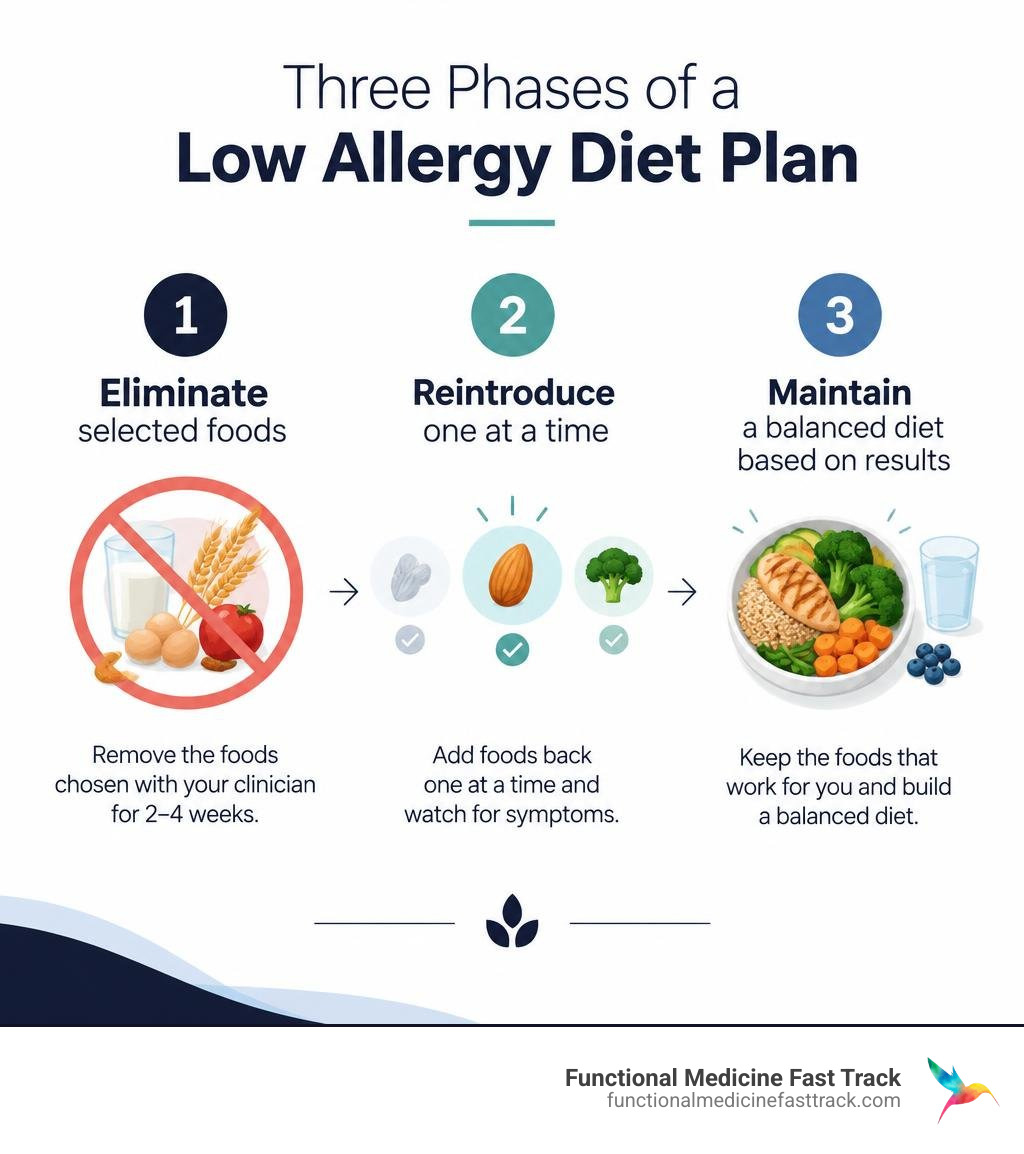
Start with meals built from foods you tolerate: rice porridge with a pear for breakfast, a quinoa and chicken bowl for lunch, and roasted chicken, sweet potato, and green beans for dinner. Use fruit or plain rice cakes for snacks. If you are testing suspected food triggers, remove only the foods chosen with your clinician for about two to four weeks. Keep a food and symptom diary, then reintroduce foods one at a time.
A low allergy diet plan is a short-term way to learn which foods may be linked to symptoms, not a list of foods everyone must avoid. Do not reintroduce a food at home if it has caused a severe reaction or you have a diagnosed food allergy. An allergist or dietitian can help you keep meals balanced and plan safe food challenges.
I'm Garric Vosloo, CEO of Functional Medicine Fast Track. My 30-plus years working with patients and healthcare practices inform this practical approach to building a low allergy diet plan.
Understanding Low Allergy and Elimination Diets
When our bodies react negatively to what we eat, navigating mealtime can feel like walking through an invisible minefield. Many people experience some form of food intolerance or sensitivity, yet spend years addressing downstream symptoms without ever identifying what is sparking their discomfort.
To find real relief, we must distinguish between classic food allergies, food intolerances, and food sensitivities:
IgE-Mediated Food Allergies: These involve an immediate immune system response driven by Immunoglobulin E (IgE) antibodies. Symptoms like hives, swelling, wheezing, or anaphylaxis usually appear within minutes.
Food Intolerances: These are typically non-immunological digestive failures. A common example is lactose intolerance, where the body lacks the lactase enzyme needed to break down milk sugars.
Non-IgE Food Sensitivities: These involve delayed immune pathways (often involving IgG, IgA, or cell-mediated responses). Symptoms can take hours or even days to surface, manifesting as joint pain, fatigue, skin breakouts, or digestive unrest.
When undiagnosed triggers continually irritate the gut barrier, they fuel low-grade systemic inflammation. A structured dietary approach acts as an internal reset button. By temporarily removing high-risk foods using a comprehensive elimination diet food list, we calm the immune system, soothe the mucosal lining, and establish a clear baseline to accurately pinpoint offending items.
Reaction Type | Primary Mechanism | Onset of Symptoms | Common Examples | Typical Symptoms |
|---|---|---|---|---|
True Food Allergy (IgE) | Immune system (IgE antibodies trigger mast cell degranulation) | Immediate (minutes to 2 hours) | Peanuts, shellfish, tree nuts, eggs, cow's milk | Hives, facial swelling, wheezing, vomiting, anaphylaxis |
Food Intolerance | Non-immune digestive deficit (enzyme deficiency or chemical sensitivity) | Dose-dependent (30 minutes to several hours) | Lactose, fructose, histamine, sulfites | Gas, bloating, diarrhea, abdominal cramping |
Food Sensitivity (Non-IgE) | Complex immune response (cell-mediated, IgG/IgA pathways) | Delayed (several hours up to 3 days) | Gluten, dairy proteins, soy, nightshades | Brain fog, joint stiffness, eczema, fatigue, migraines |
Health Benefits for Chronic Conditions
Removing dietary irritants does far more than calm an upset stomach; it may systematically lower inflammation across multiple organ systems.
Irritable Bowel Syndrome (IBS): IBS affects many individuals worldwide. Clinical research suggests that following an elimination plan can support significant symptom reduction and allow irritated tissues to rest by removing common fermentable sugars or irritating proteins.
Chronic Migraines: Many people suffer from frequent, debilitating headaches. Studies indicate that following an elimination diet may reduce the frequency and severity of migraine attacks.
Eczema and Atopic Conditions: Skin is often an external reflection of internal gut health. When immune-triggering foods are removed, many individuals see substantial clearance of stubborn dermatitis and atopic eczema flares.
Attention-Deficit/Hyperactivity Disorder (ADHD): Clinical research suggests that eliminating artificial additives, synthetic dyes, and common food allergens under professional supervision may noticeably reduce behavioral flares and improve focus.
Specialized Dietary Approaches: EoE and Histamine Sensitivity
Certain health conditions require more tailored dietary frameworks than a generic elimination plan.
Eosinophilic Esophagitis (EoE) is a chronic, non-IgE-mediated allergic inflammatory condition where white blood cells (eosinophils) build up in the esophagus, causing difficulty swallowing and food impaction. Clinical research demonstrates that dietary approaches—such as elemental diets or empiric elimination diets including the 6-Food Elimination Diet (dairy, wheat, egg, soy, nuts, seafood) and the 4-Food Elimination Diet (dairy, wheat, egg, soy)—can induce histologic remission. Studies also suggest that removing cow's milk alone can induce clinical remission in pediatric EoE patients.
Histamine sensitivity represents another distinct challenge. Individuals with reduced levels of the diamine oxidase (DAO) enzyme struggle to break down histamine from aged, fermented, or cured foods. In these cases, following low-histamine meal prep approaches—such as cooking fresh cuts of meat, avoiding slow-simmered bone broths, and freezing leftovers immediately—prevents histamine buildup and calms reactions like hives, flushing, and rapid heartbeat.
Designing Your Low Allergy Diet Plan: Phases and Food Lists
A successful elimination plan follows three distinct phases:
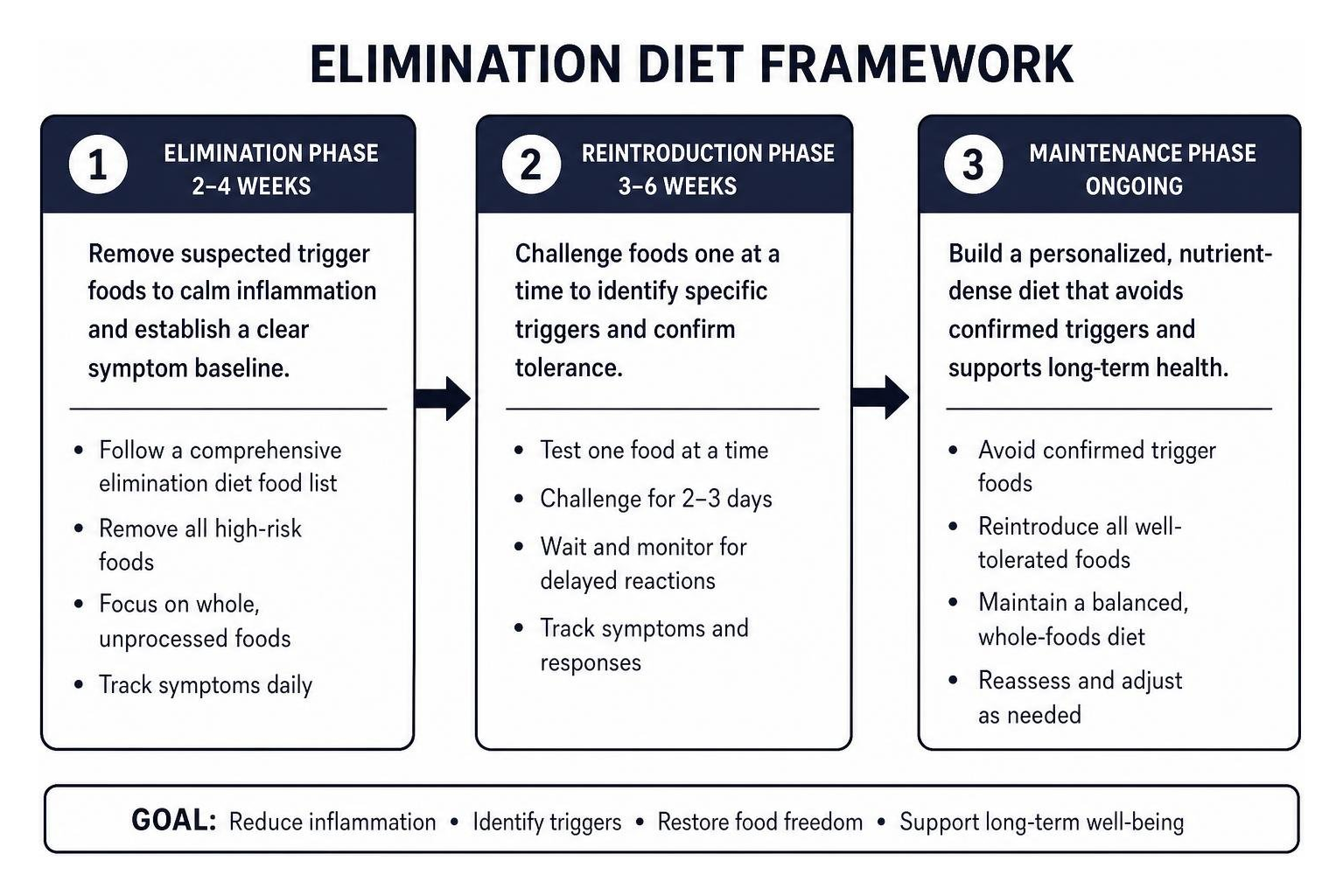
Elimination Phase (2 to 4 weeks): Remove all suspected trigger foods to reduce systemic inflammation and establish a symptom-free baseline.
Reintroduction Phase (3 to 6 weeks): Methodically test eliminated foods one at a time over 2 to 3 days while monitoring for delayed physical reactions.
Maintenance Phase (Ongoing): Craft a long-term, nutrient-dense eating pattern that permanently avoids confirmed triggers while re-incorporating all well-tolerated foods.
If you are planning your timeline, following a structured 21-day elimination diet guide provides a clear, manageable framework to complete the foundational phase without feeling overwhelmed.

Essential Guidelines for a Low Allergy Diet Plan
During the elimination phase, we remove the primary foods responsible for the vast majority of allergic reactions, alongside common inflammatory drivers like nightshades, artificial preservatives, and chemical food additives.
To ensure clarity, the table below highlights standard high-risk foods to eliminate alongside safe, nourishing alternatives:
Food Category | Foods to Exclude | Safe, Nutrient-Dense Alternatives |
|---|---|---|
Dairy | Cow, goat, and sheep milk, cheese, butter, yogurt, cream, whey, casein | Fortified coconut milk, pea milk, almond milk, calcium-set hemp milk |
Gluten & Grains | Wheat, barley, rye, spelt, kamut, triticale, processed wheat flour | White rice, brown rice, quinoa, buckwheat, millet, tapioca, cassava |
Proteins & Eggs | Whole eggs, egg whites, soy (tofu, tempeh, edamame), processed meats | Fresh poultry, grass-fed beef, lamb, wild-caught white fish, pea protein |
Legumes & Nuts | Peanuts, tree nuts (walnuts, cashews, almonds), soybeans, lentils* | Pumpkin seeds, sunflower seeds, tigernuts (if tolerated), chia seeds |
Vegetables | Nightshades (tomatoes, white potatoes, eggplants, bell peppers, cayenne) | Sweet potatoes, carrots, zucchini, broccoli, cauliflower, leafy greens, squash |
Fruits | Citrus fruits, strawberries (in high-histamine cases), dried fruit with sulfites | Pears (peeled), apples, blueberries, raspberries, melon, plantains |
Oils & Condiments | Industrial seed oils (soybean, corn, canola), soy sauce, MSG, artificial sweeteners | Extra virgin olive oil, cold-pressed coconut oil, avocado oil, sea salt, fresh herbs |
*Note: In broader elimination diets, some legumes like lentils are removed initially; in pediatric four-food plans, legumes other than soy are often kept. Refer to professional pediatric allergy guidance when tailoring plans for infants and children.
Managing Nutritional Adequacy and Risks
While an elimination plan is an invaluable diagnostic tool, strict dietary restriction comes with real physiological and psychological risks if mismanaged:
Micronutrient Deficiencies: Cutting out dairy can compromise calcium and vitamin D levels. Excluding fortified grains can lower your intake of B vitamins, iron, and iodine. To protect your micronutrient balance, incorporate calcium-rich leafy greens (like kale and bok choy), zinc-dense pumpkin seeds, wild-caught salmon, and iodine-rich sea vegetables or fortified plant drinks.
Caloric Deficits and Fatigue: Many people inadvertently under-eat when removing convenience foods, resulting in headaches and sluggishness. Ensure you consume adequate complex carbohydrates (sweet potatoes, squash, quinoa) and healthy fats (olive oil, coconut oil).
Disordered Eating Patterns: Hyper-focusing on ingredient lists can provoke mealtime anxiety or orthorexic behaviors. We always emphasize that an elimination diet is a temporary investigative phase, never a permanent lifestyle of restriction.
Clinical Supervision: Anyone with a history of severe allergic reactions (anaphylaxis) must never reintroduce high-risk allergens at home without direct medical oversight from a qualified allergist or immunologist.
Practical Meal Planning and Everyday Preparation
Success on a low allergy meal plan comes down to solid kitchen logistics. The hardest three days of an elimination plan are simply the initial grocery trip and kitchen reorganization—treat it as an empowering shopping adventure!
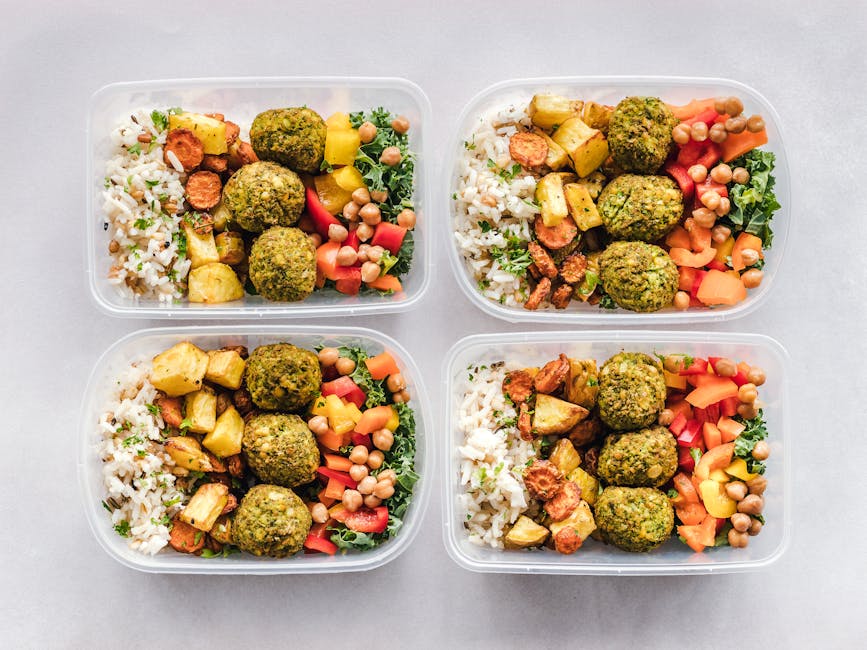
Smart Batch Cooking: Prepare large batches of safe base proteins and complex carbs twice a week. Roast sheet pans of root vegetables, chicken thighs, and steamed greens so you always have a safe meal ready within minutes.
Preventing Histamine Build-Up: If you are histamine-sensitive, avoid leaving leftovers in the refrigerator for days. Practice shallow cooling—spreading warm foods in shallow containers so they cool quickly—and freeze individual meal portions immediately.
Avoiding Cross-Contamination: Thoroughly clean cutting boards, blenders, toasters, and cast-iron skillets to remove lingering gluten, nut, or dairy residues.
Dining Out Safely: Review restaurant menus in advance. Stick to simple, minimally seasoned dishes like grilled salmon or roasted chicken with plain steamed vegetables and olive oil. Don't hesitate to inform the staff of your dietary exclusions.
7-Day Sample Low Allergy Diet Plan Menu
Here is a balanced daily meal schedule that completely avoids major allergens, gluten, nightshades, and artificial additives. You can modify these ideas using an allergy elimination meal framework or cross-check ingredients with an anti-inflammatory food guide.
Day 1
Breakfast: Warm coconut milk quinoa porridge topped with sliced peeled pears and pumpkin seeds.
Lunch: Wild salmon salad bowl with mixed greens, cucumber, grated carrots, and extra virgin olive oil dressing.
Dinner: Roasted chicken breast, baked sweet potato wedges, and steamed broccoli florets.
Snacks: Plain brown rice cakes topped with sunflower seed butter.
Day 2
Breakfast: Smoothie made with pea protein powder, blueberries, unsweetened coconut yogurt, and flaxseed.
Lunch: Leftover roasted chicken salad over a bed of baby arugula with diced apple and olive oil.
Dinner: Lean ground turkey skillet with diced zucchini, carrots, and yellow squash served over jasmine rice.
Snacks: Sliced cucumber and peeled carrots with homemade garlic-free pumpkin seed dip.
Day 3
Breakfast: Cassava flour pancakes served with pure maple syrup and fresh blueberries.
Lunch: Ground turkey and zucchini bowl with leftover jasmine rice and steamed green beans.
Dinner: Slow-cooked beef pot roast with carrots, parsnips, and celery in a simple sea-salt broth.
Snacks: Chilled unsweetened pear sauce with chia seeds.
Day 4
Breakfast: Warm rolled oats (certified gluten-free) cooked in water or coconut milk, topped with sliced banana.
Lunch: Leftover beef roast and root vegetables paired with a crisp side salad.
Dinner: Baked white fish (cod or halibut) with lemon-herb quinoa and roasted asparagus.
Snacks: Crispy baked plantain chips with sea salt.
Day 5
Breakfast: Savory breakfast hash made with diced sweet potatoes, ground turkey, and baby spinach.
Lunch: Cold quinoa bowl with shredded chicken breast, cucumbers, olive oil, and sea salt.
Dinner: Pan-seared lamb chops with mashed cauliflower and garlic-free steamed kale.
Snacks: Rice crackers paired with sliced avocado (if tolerated).
Day 6
Breakfast: Berry-chia pudding prepared overnight in fortified unsweetened coconut milk.
Lunch: Lamb chop leftovers with a large mixed green salad, shredded beets, and olive oil.
Dinner: Roasted chicken thighs, baked butternut squash slices, and sautéed green cabbage.
Snacks: Fresh apple slices with a sprinkle of ground cinnamon.
Day 7
Breakfast: Cassava flatbread topped with mashed avocado and sea salt, served with herbal tea.
Lunch: Warm shredded chicken and butternut squash bowl over a bed of baby spinach.
Dinner: Grass-fed beef burger patties (bunless) topped with caramelized onions, served with roasted parsnip fries and steamed zucchini.
Snacks: Plain rice cakes with mashed raspberries and chia seeds.
Smart Sourcing, Label Reading, and Food Swaps
Reading ingredient labels carefully is essential to avoid hidden allergens:
Baking Replacements: Replace eggs in baking recipes using "aquafaba" (the liquid from cooked chickpeas, which whips like egg whites) or a "flax egg" (1 tablespoon ground flaxseed mixed with 3 tablespoons warm water).
Dairy Swaps: Choose unflavored, calcium-fortified plant milks (such as oat, pea, or coconut milk). Be sure to avoid formulas that use casein, whey, or sodium caseinate as thickeners.
Gluten-Free Grain Selection: Always choose grains with a "Certified Gluten-Free" label to prevent hidden cross-contamination from shared agricultural milling facilities.
Watch Out for Sneaky Additives: Watch out for ingredients like "natural flavors," hydrolyzed plant protein (often derived from soy or wheat), and bread preservatives like calcium propionate or cultured dextrose, which can provoke allergic or chemical sensitivities.
Step-by-Step Food Challenge and Reintroduction Plan
The reintroduction phase is where your detective work pays off. Do not rush this step. If you add multiple foods back at once, you will have no way of knowing which one triggered your symptoms.
Follow this precise approach for testing each eliminated food:
Test a Single Ingredient: Choose one specific food to challenge (for example, plain organic cow's yogurt, not a flavored yogurt that contains citrus, soy lecithin, or modified starch).
Day 1 (Challenge Day):
Morning: Eat a small portion (e.g., 1/2 teaspoon of yogurt or a bite of scrambled egg) on an empty stomach. Wait 20 minutes to monitor for immediate reactions.
Afternoon: If no reaction occurs, eat a normal portion (e.g., 1/2 cup of yogurt).
Evening: If still symptom-free, consume another standard serving with dinner.
Days 2 and 3 (Observation Window):
Return entirely to your baseline elimination diet. Do not introduce any new test foods.
Closely monitor your digestion, skin, energy, and sleep over the next 48 hours for delayed immune responses.
Evaluate and Record:
No reaction? The food is likely safe. You can set it aside as tolerated and proceed to test the next food item.
Symptoms flared? Note the reaction in your elimination diet symptom tracker. Remove that food completely from your meals for at least 3 to 6 months before considering a future re-challenge. Allow your symptoms to settle back to baseline before testing the next item.
Recognizing Adverse Reactions
Food reactions are not always limited to an upset stomach. Pay close attention to subtle, whole-body signals over the 72 hours following each challenge:
Digestive System: Sudden bloating, acid reflux, stomach cramps, nausea, diarrhea, or constipation.
Integumentary System (Skin): Itchy patches, hives, eczema flares, acne breakouts, or unexplained facial flushing.
Neurological & Mood: Brain fog, sudden fatigue, irritability, mood swings, or throbbing headache attacks.
Musculoskeletal System: Unexplained morning joint stiffness, muscle aches, or generalized fluid retention.
Emergency Reminder: If you ever experience swelling of the lips, tongue, or throat, or tightness in the chest and difficulty breathing, use emergency medication if prescribed and seek immediate emergency medical care.
Long-Term Maintenance and Gut Healing
Once you finish your reintroductions, the final step is establishing an enjoyable, long-term eating routine that supports mucosal barrier repair and microbiome diversity:
Embrace Food Rotation: Avoid eating the exact same proteins and grains every single day. Rotating foods on a 4-day cycle helps prevent new food sensitivities from developing.
Support the Mucosal Lining: Focus on whole foods rich in gut-supportive nutrients, including zinc, vitamin A, and omega-3 fatty acids from wild cold-water fish.
Expand Plant Diversity: Work toward including 30 or more diverse plant foods each week (from tolerated vegetables, herbs, safe grains, and fruits) to cultivate a resilient, balanced gut microbiome.
Frequently Asked Questions About Low Allergy Eating
How long should I stay on an elimination diet?
The strict elimination phase should typically last between 2 and 4 weeks. This provides enough time to clear circulating inflammatory proteins and establish a clear symptom baseline. You should avoid staying on an overly restrictive diet for longer than 6 to 8 weeks without clinical supervision, as prolonged restriction can reduce microbiome diversity and increase the risk of nutrient deficiencies.
Can children safely follow a low allergy diet plan?
Yes, but pediatric elimination diets require close guidance from a pediatric dietitian or allergy specialist. Children have high micronutrient and caloric demands for growth and brain development. When eliminating staples like dairy, eggs, or wheat, parents must use suitable fortified plant-based milk alternatives and monitor protein, calcium, iron, and vitamin D intake closely.
What should I do if my symptoms do not improve?
If your symptoms show no improvement after 3 to 4 weeks on a strict plan, look for hidden sources of cross-contamination in your condiments, medications, or supplements. If your diet is completely clean, your symptoms may be driven by environmental triggers, chronic nervous system stress, or underlying gut dysbiosis (such as SIBO or fungal overgrowth) that require comprehensive functional medicine testing.
Conclusion
Navigating food sensitivities does not mean resigning yourself to a lifetime of bland, stressful meals. By following a structured low allergy diet plan, you can strip away confusing dietary noise, lower systemic inflammation, and accurately pinpoint the specific foods that nourish your body versus those that drain your vitality.
True healing is about finding the root cause of your symptoms and building a sustainable lifestyle. If you are a healthcare professional looking to master clinical approaches and integrate these root-cause methodologies into your practice, our team at Functional Medicine Fast Track provides the clinical mentorship, patient platforms, and implementation frameworks needed to transform patient outcomes.
For practitioners who want to streamline the diagnostic process, downloadable elimination diet food list resources offer a structured starting point for patient education, compliant meal planning, and systematic food reintroduction. Ready to take control of your health? Begin your structured path toward lasting gut health today.
References
Venter C, Fleischer DM. "Diets for diagnosis and management of food allergy: The role of the dietitian in eosinophilic esophagitis in adults and children.." Annals of allergy, asthma & immunology : official publication of the American College of Allergy, Asthma, & Immunology, 2016. PMCID PMC8022286.