

The 4-Trigger Allergy Elimination Diet Meal Plan That Won't Make You Miss Real Food
Introduction
An allergy elimination diet meal plan works by removing the four most common dietary triggers—dairy, gluten, soy, and eggs—for 21 to 28 days while you eat balanced, whole-food meals built around clean proteins, healthy fats, and hypoallergenic carbohydrates. After symptoms stabilize, you reintroduce each food one at a time to identify which ingredients cause reactions. This structured approach gives your immune system and gut mucosa time to quiet down, making it easier to connect specific foods with chronic fatigue, brain fog, unpredictable digestion, or stubborn skin flare-ups.
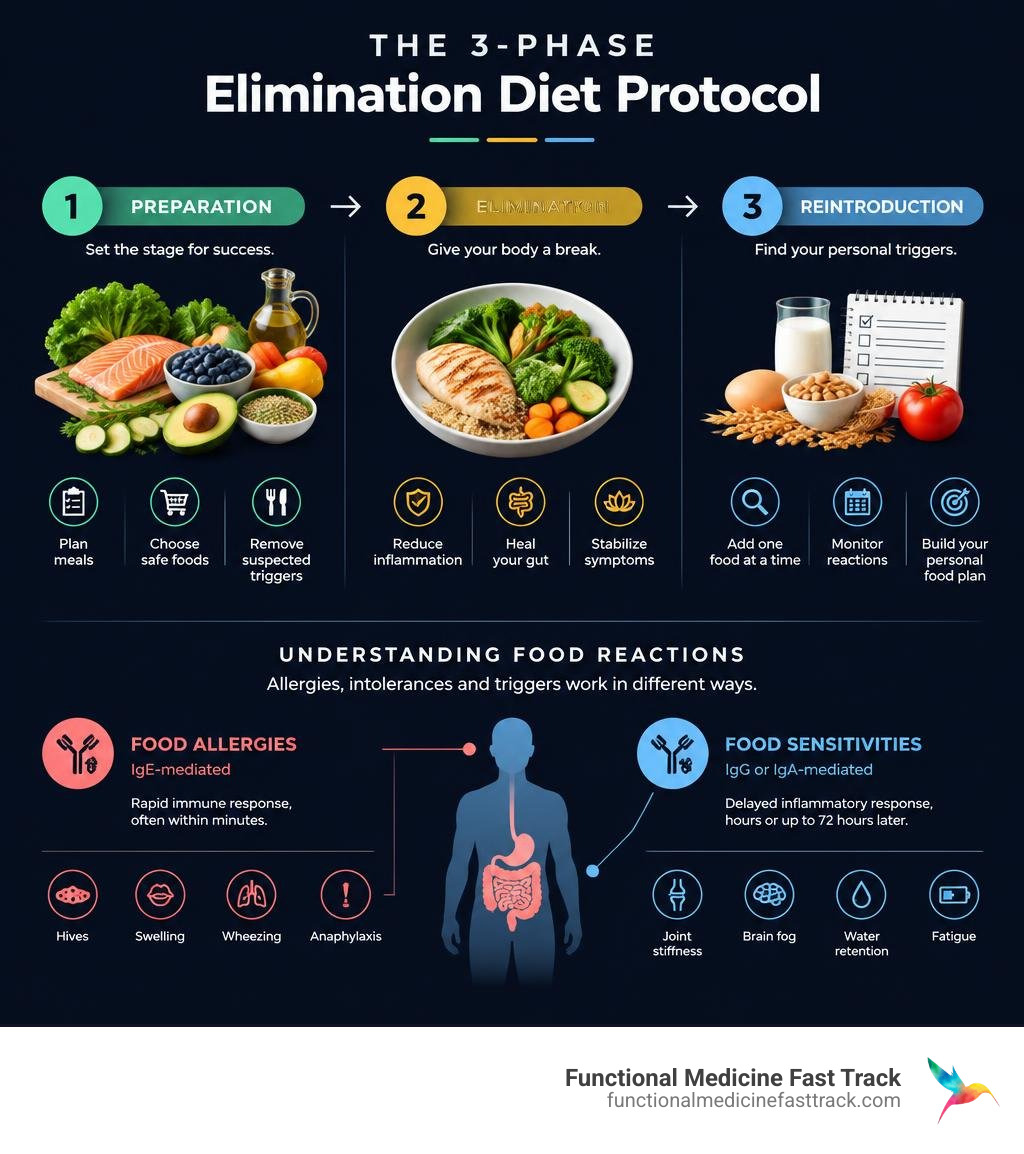
Understanding Food Allergies, Intolerances, and Triggers
Navigating adverse food reactions requires distinguishing between the distinct biological pathways that produce symptoms. Many people conflate immediate allergic responses with delayed sensitivities or non-immune digestive intolerances, leading to confusion during recovery.
True food allergies are primarily IgE-mediated reactions. In these cases, the immune system identifies a specific food protein as an immediate threat, triggering rapid mast cell degranulation and histamine release. This cascade can produce hives, swelling, wheezing, or life-threatening anaphylaxis within minutes. In contrast, food sensitivities often involve IgG or IgA antibodies, generating delayed inflammatory responses that manifest hours or even up to 72 hours later as joint stiffness, brain fog, water retention, or fatigue.
Food intolerances typically bypass the adaptive immune system entirely. They often stem from enzymatic deficiencies (such as lactase deficiency in lactose intolerance), pharmacological reactions to naturally occurring compounds (like histamines or tyramine), or mechanical irritation of the intestinal barrier.
Feature | Food Allergy (IgE-Mediated) | Food Sensitivity (IgG/Delayed) | Food Intolerance (Non-Immune) |
|---|---|---|---|
Immune Involvement | Yes (IgE antibodies) | Yes (IgG, IgA, immune complexes) | No (Enzymatic or chemical) |
Reaction Timing | Immediate (minutes to 2 hours) | Delayed (up to 72 hours) | Variable (30 minutes to hours) |
Common Symptoms | Hives, swelling, anaphylaxis | Brain fog, joint pain, fatigue | Bloating, gas, cramps, diarrhea |
Severity | Can be life-threatening | Chronic, debilitating | Uncomfortable, localized to gut |
Testing Approach | Skin prick, serum specific IgE | Elimination and reintroduction | Breath tests, enzyme trials |
When the mucosal barrier becomes compromised—often referred to as increased intestinal permeability—undigested food particles can pass into the bloodstream, triggering systemic symptoms. We frequently recommend managing digestive symptoms with an elimination diet for gas and bloating to allow the gut lining to repair before evaluating deeper food triggers.
First formalized in clinical settings in 1926, elimination diets remain the clinical gold standard for uncovering hidden dietary triggers. Modern clinical research on 21-day elimination diet meal plan benefits confirms that a structured three-week protocol can significantly lower inflammatory markers and relieve chronic digestive and extra-intestinal complaints.
The 4 Major Triggers vs. Comprehensive Elimination Protocols
While thousands of dietary compounds exist, the top eight to nine food allergens account for roughly 90% of all adverse food reactions. Rather than stripping your diet down to a handful of items, focusing on the four primary culprits provides an effective diagnostic starting point:
Dairy proteins (casein and whey)
Gluten-containing grains (wheat, barley, rye)
Soy derivatives (soy protein isolate, soy sauce, lecithin)
Egg proteins (specifically egg whites and yolks)
In clinical gastroenterology, targeted interventions like the Two-Food Elimination Diet (2-FED), which eliminates cow's milk and wheat, have shown substantial success in managing conditions like eosinophilic esophagitis (EoE), an allergic inflammatory condition of the esophagus estimated to affect roughly one in 1,000 children and adults. Expanding to a Six-Food Elimination Diet (6-FED) adds eggs, soy, peanuts/tree nuts, and fish/shellfish.
For complex presentations involving severe joint pain or systemic autoimmunity, practitioners may utilize an Autoimmune Protocol (AIP) or follow a comprehensive elimination diet menu planning strategy that also temporarily removes nightshades, legumes, and seed oils. However, for most individuals, removing the four primary triggers delivers relief without unnecessary dietary restriction.
Why You Need a Structured Allergy Elimination Diet Meal Plan
Attempting an elimination diet without a structured roadmap often leads to caloric deficits, repetitive meals, and premature abandonment of the protocol. When you eliminate staple foods without deliberate replacements, you risk missing essential micronutrients and macronutrients needed for daily energy and tissue repair.
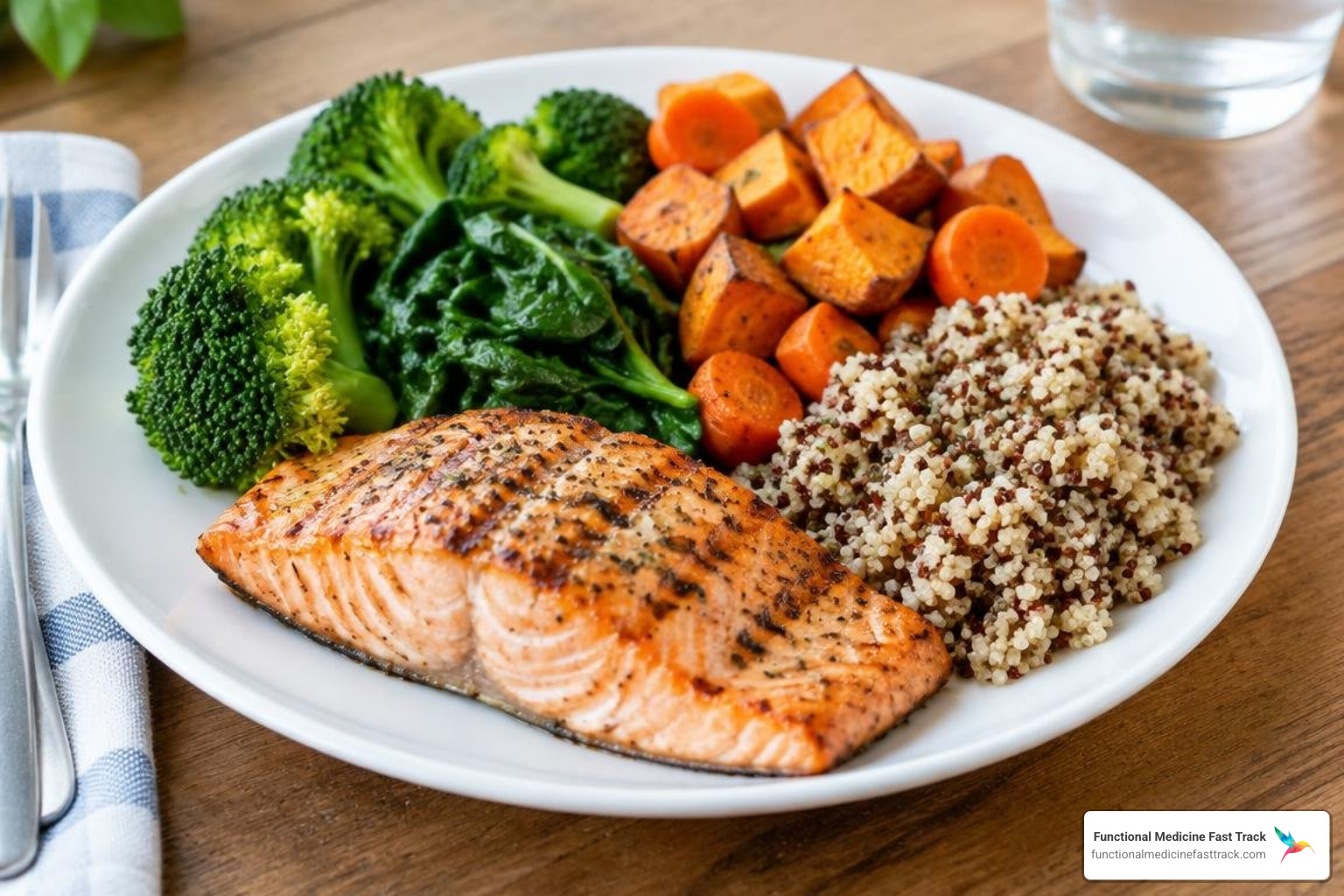
A well-designed plan supports intestinal barrier healing. The cells lining the intestinal tract (enterocytes) turn over every 2 to 4 days, meaning they require steady amino acids (like glutamine and glycine), zinc, and omega-3 fatty acids to regenerate healthy tight junctions. Furthermore, IgG antibodies have a serum half-life of roughly 21 days. Removing trigger proteins for a full three to four weeks allows circulating immune complexes to clear, establishing a quiet, non-reactive baseline.
To balance your meals during this phase, you can reference our downloadable anti-inflammatory food list PDF to choose nutrient-dense alternatives that keep inflammation low.
Core Principles of an Allergy Elimination Diet Meal Plan
To keep your energy steady and your metabolism supported, every meal during the elimination phase should follow these structural guidelines:
Clean, High-Quality Proteins: Include wild-caught ocean fish, pasture-raised poultry, grass-fed meats, and hypoallergenic bone broths (aim for 20–25% of total daily calories).
Cold-Pressed Healthy Fats: Generous amounts of extra virgin olive oil, avocado oil, coconut milk, and unrefined coconut oil support hormone production and cellular repair.
Complex, Hypoallergenic Carbohydrates: Fiber-rich root vegetables (sweet potatoes, parsnips, butternut squash, carrots) and non-gluten whole grains (wild rice, brown rice, quinoa) maintain glycogen stores and feed beneficial gut flora.
Micronutrient-Dense Produce: Emphasize leafy greens, sulfur-rich cruciferous vegetables, and polyphenol-packed dark berries to support liver detoxification pathways.
Following a structured elimination diet phase 1 guide ensures your daily meals remain balanced and enjoyable rather than restrictive.
Approved and Prohibited Foods Checklist
Consulting our master elimination diet food list will help you navigate your grocery shopping with confidence:
Approved Foundations: Grass-fed beef, organic poultry, wild salmon, cod, turkey, sweet potatoes, yams, squash, zucchini, broccoli, cauliflower, kale, spinach, blueberries, apples, pears, extra virgin olive oil, avocado, coconut milk, sea salt, fresh herbs, herbal teas, and filtered water.
Prohibited Items (The 4 Triggers & Irritants): All cow, goat, and sheep dairy (milk, cheese, yogurt, butter, ghee, whey, casein); all gluten grains (wheat, spelt, rye, barley, commercial oats); all soy products (tofu, tempeh, edamame, soy lecithin, soy sauce); all eggs (whites and yolks, baked goods containing eggs); artificial sweeteners (aspartame, sucralose); refined seed oils; alcohol; and excess caffeine.
Always read labels carefully. Dairy often hides under names like caseinate, lactalbumin, or whey, while wheat derivatives appear as modified food starch, hydrolyzed vegetable protein, or malt dextrin.
The Step-by-Step 4-Trigger Elimination Protocol
Executing an elimination diet successfully comes down to three disciplined phases: preparation, strict elimination, and systematic rechallenge.

Preparation Phase (Days 1–7): Clear your pantry of obvious trigger foods, batch-cook base proteins and root vegetables, and log your baseline symptoms in a daily food-mood journal.
Elimination Phase (Days 8–28): Strictly eliminate dairy, gluten, soy, and eggs for a minimum of 21 days (up to 4 to 6 weeks if symptoms are longstanding). Monitor your digestion, skin clarity, sleep quality, and energy levels daily.
Reintroduction Phase (Days 29+): Systematically test each individual food group in isolation while watching for delayed reactions.
Protocol Type | Foods Removed | Duration | Best Suited For |
|---|---|---|---|
4-Trigger Protocol | Dairy, Gluten, Soy, Eggs | 3 to 4 Weeks | General fatigue, bloating, mild joint pain, skin flare-ups |
2-FED Protocol | Cow's Milk, Wheat | 8 to 12 Weeks | Targeted eosinophilic esophagitis (EoE), simple pediatric cases |
6-FED Protocol | Dairy, Wheat, Eggs, Soy, Nuts, Seafood | 4 to 6 Weeks | Moderate-to-severe IBS, unresolved atopic eczema |
Comprehensive AIP | Top allergens + Nightshades, Grains, Legumes, Seeds | 4 to 8 Weeks | Active autoimmune disease, complex multi-system reactivity |
For complete day-by-day instructions, refer to our step-by-step 21 day elimination diet guide.
7-Day Sample Allergy Elimination Diet Meal Plan
This 7-day meal plan demonstrates how nutrient-dense and satisfying allergen-free eating can be. Each day averages approximately 1,800 calories with balanced macronutrients.

Day 1
Breakfast: Warm quinoa porridge prepared with unsweetened coconut milk, topped with fresh blueberries, ground cinnamon, and a drizzle of raw honey.
Lunch: Mediterranean chopped salad with grilled chicken breast, cucumbers, kalamata olives, avocado, red onion, and an extra virgin olive oil and lemon vinaigrette.
Dinner: Pan-seared wild salmon fillet served over baked sweet potato mash with steamed garlic broccoli florets.
Snack: Sliced crisp apple with creamy sunflower seed butter.
Day 2
Breakfast: Coconut chia seed pudding layered with wild blueberries and toasted unsweetened shredded coconut.
Lunch: Leftover pan-seared salmon and sweet potato mash with a side of mixed baby greens and olive oil dressing.
Dinner: Grass-fed beef and vegetable stir-fry with zucchini, carrots, bok choy, and ginger, cooked in avocado oil with coconut aminos over steamed jasmine rice.
Snack: Carrot and cucumber batons served with fresh guacamole.
Day 3
Breakfast: Savory breakfast hash made with ground pasture-raised turkey, diced butternut squash, chopped kale, and rosemary cooked in olive oil.
Lunch: Leftover beef and vegetable stir-fry with steamed jasmine rice.
Dinner: Slow-cooked shredded chicken verde over cilantro-infused brown rice, topped with sliced avocado, fresh lime juice, and sea salt.
Snack: Plantain chips served with homemade olive tapenade.
Day 4
Breakfast: Nutrient-dense green smoothie blended with baby spinach, frozen blueberries, avocado, organic unsweetened pea protein, and coconut water.
Lunch: Hearty lentil and root vegetable soup made with carrots, celery, parsnips, and fresh thyme, served with brown rice cakes.
Dinner: Herb-roasted pasture-raised chicken thighs with roasted rainbow carrots, parsnips, and sautéed garlic asparagus.
Snack: Pear slices paired with roasted pumpkin seeds (pepitas).
Day 5
Breakfast: Warm cinnamon-spiced apple slices sautéed in coconut oil over cooked whole-grain millet with raw honey.
Lunch: Leftover roasted chicken thighs and root vegetables over a bed of baby arugula with lemon-olive oil dressing.
Dinner: Baked wild cod fillets served with roasted delicata squash rings and sautéed garlic-lemon green beans.
Snack: Celery ribs filled with sunflower seed butter and unsweetened raisins.
Day 6
Breakfast: Savory ground turkey hash with sweet potatoes, diced zucchini, and baby spinach.
Lunch: Chilled wild salmon salad tossed with diced cucumbers, avocado, fresh dill, and olive oil over crisp romaine lettuce leaves.
Dinner: Grass-fed beef burger patties (bun-free) served with roasted sweet potato wedges and a large garden salad dressed with olive oil and apple cider vinegar.
Snack: Coconut milk yogurt topped with fresh blackberries.
Day 7
Breakfast: Green tropical smoothie made with kale, frozen mango, coconut milk, ground flaxseed, and hypoallergenic protein powder.
Lunch: Leftover grass-fed beef patty with sweet potato wedges and steamed broccoli.
Dinner: Slow-simmered chicken and butternut squash curry prepared with rich coconut milk, fresh ginger, and turmeric over steamed wild rice.
Snack: Fresh cucumber slices sprinkled with sea salt and drizzled with cold-pressed olive oil.
For ideas on extending your meal variety beyond the first week, explore our sample 30-day meal plan for elimination diet ideas.
Handling Cravings, Detoxification, and Common Mistakes
During the first 3 to 7 days of an elimination diet, some individuals experience transient withdrawal symptoms, including mild headaches, fatigue, irritability, and intense cravings. These reactions often reflect the removal of refined sugars, caffeine, and highly processed food additives rather than a true deficiency.
To navigate this adjustment smoothly:
Stay Hydrated: Drink at least two quarts of filtered water daily to support lymphatic flow and kidney filtration.
Taper Caffeine Gradually: If quitting coffee cold-turkey triggers severe tension headaches, blend half-decaf with regular coffee over four days prior to full elimination.
Eat Sufficient Calories and Fats: If you feel chronically hungry, increase your intake of sweet potatoes, avocados, coconut oil, and clean proteins. Under-eating is the leading cause of early protocol failure.
Beware of Cross-Contamination: When dining out or sharing a kitchen, ensure cookware and prep surfaces are free from wheat flour and dairy residues.
Food sensitivities can also affect neurotransmitter balance and mood regulation. If you notice psychological symptoms during the transition, review our guide on identifying systemic impacts on mood using an elimination diet for anxiety.
The Strategic Reintroduction and Maintenance Phase
The reintroduction phase is where you gather your actual diagnostic data. Reintroducing foods too quickly or in mixed dishes (like pizza, which contains both dairy and gluten) will obscure which specific ingredient caused a reaction.
Follow this precise rechallenge sequence:
Confirm Baseline Stability: Only begin reintroductions if your primary symptoms (digestive discomfort, skin rashes, joint pain) have significantly improved and remained stable for at least 5 consecutive days.
Choose One Single-Ingredient Food: Test an isolated form of the food group. For example, use plain cow's milk yogurt or hard cheese (for dairy) rather than a processed product with multiple additives. For gluten, choose plain cream of wheat or simple sourdough wheat bread.
Day 1 Testing:
Eat a small portion (e.g., 1 teaspoon of yogurt or a few bites of bread) in the morning on an empty stomach.
If no immediate symptoms occur within 2 hours, consume a normal serving at lunch.
If still symptom-free, consume a normal serving at dinner.
Days 2 & 3 Observation Window: Return strictly to your safe elimination diet baseline for the next 48 to 72 hours. Do not introduce any new foods during this window. Watch for delayed reactions, including:
Gastrointestinal shifts (bloating, gas, altered bowel frequency, reflux)
Neurological symptoms (brain fog, morning headaches, lethargy)
Cutaneous changes (eczema patches, facial flushing, acne, itchy skin)
Musculoskeletal signs (joint stiffness, muscle aches, fluid retention)
Mood or sleep disruptions (insomnia, restlessness, irritability)
Interpret the Result:
If a reaction occurs: Mark the food as a confirmed trigger. Return to the strict elimination baseline until all symptoms fully resolve before testing the next food group.
If no reaction occurs after 3 full days: The food is considered tolerated. Set it aside and proceed to test the next trigger food from your list.
For ongoing clinical tracking support, consider our comprehensive clinical elimination diet program framework.
Troubleshooting Persistent Symptoms and Next Steps
If your symptoms fail to improve after 21 to 30 days of strict 4-trigger elimination, several underlying factors may warrant clinical exploration:
Histamine Intolerance: You may be reacting to naturally high-histamine foods included on standard elimination plans, such as avocados, spinach, canned fish, bone broth, and fermented vegetables.
Small Intestinal Bacterial Overgrowth (SIBO): If healthy fermentable plant fibers and prebiotic root vegetables cause severe bloating and gas, you may benefit from targeted carbohydrate adjustments with the fast tract diet list of foods to limit bacterial fermentation.
Undiagnosed Celiac Disease: Celiac disease must always be evaluated via serology (tTG-IgA) and clinical endoscopy prior to long-term gluten elimination, as removing gluten prematurely can cause false-negative lab results.
Underlying Micronutrient Imbalances: Low vitamin D levels compromise mucosal tight junctions and gut barrier integrity, increasing overall immune reactivity.
Working closely with a functional medicine practitioner ensures that persistent symptoms are evaluated comprehensively with proper diagnostic testing.
Frequently Asked Questions about Allergy Elimination Diets
How long does it take to see noticeable results on an elimination diet?
Most individuals notice improvements in digestion and energy within 10 to 14 days of strict elimination. Because enterocytes regenerate every 2 to 4 days, the physical gut lining begins repairing quickly once irritants are removed. However, joint pain, skin conditions like eczema, and systemic inflammation may require 3 to 4 weeks to subside as circulating IgG antibody complexes clear.
What is the difference between food sensitivity tests and an elimination diet?
Commercial IgG food sensitivity blood tests measure the presence of IgG antibodies to specific food proteins, which often reflects past exposure and immune tolerance rather than a clinical sensitivity. This can produce both false positives and false negatives. A structured elimination and rechallenge protocol remains the clinical diagnostic gold standard because it directly measures real-time biological reactions in your body.
Can I reintroduce trigger foods once my gut has healed?
In many cases, yes. Unlike permanent IgE-mediated food allergies, non-celiac food sensitivities often resolve once the intestinal mucosal barrier heals, gut dysbiosis is corrected, and systemic inflammation subsides. After avoiding a trigger food for 3 to 6 months while supporting gut barrier integrity, many individuals can successfully reintroduce the food in moderation or on a 4-day rotational schedule without symptom recurrence.
Conclusion
An elimination protocol is not a permanent restrictive diet—it is a structured diagnostic tool designed to help you understand your unique biology. By temporarily removing the four primary dietary triggers (dairy, gluten, soy, and eggs) and focusing on balanced, anti-inflammatory whole foods, you can calm systemic inflammation, allow your gut lining to heal, and identify which foods truly support your health.
If you are ready to identify your personal triggers and rebuild your relationship with food, explore our step-by-step clinical elimination diet food plan to download your full roadmap today.