
A Simple Guide to Low Inflammation Foods for Balanced Living
Low Inflammation Foods to Put on Your Plate
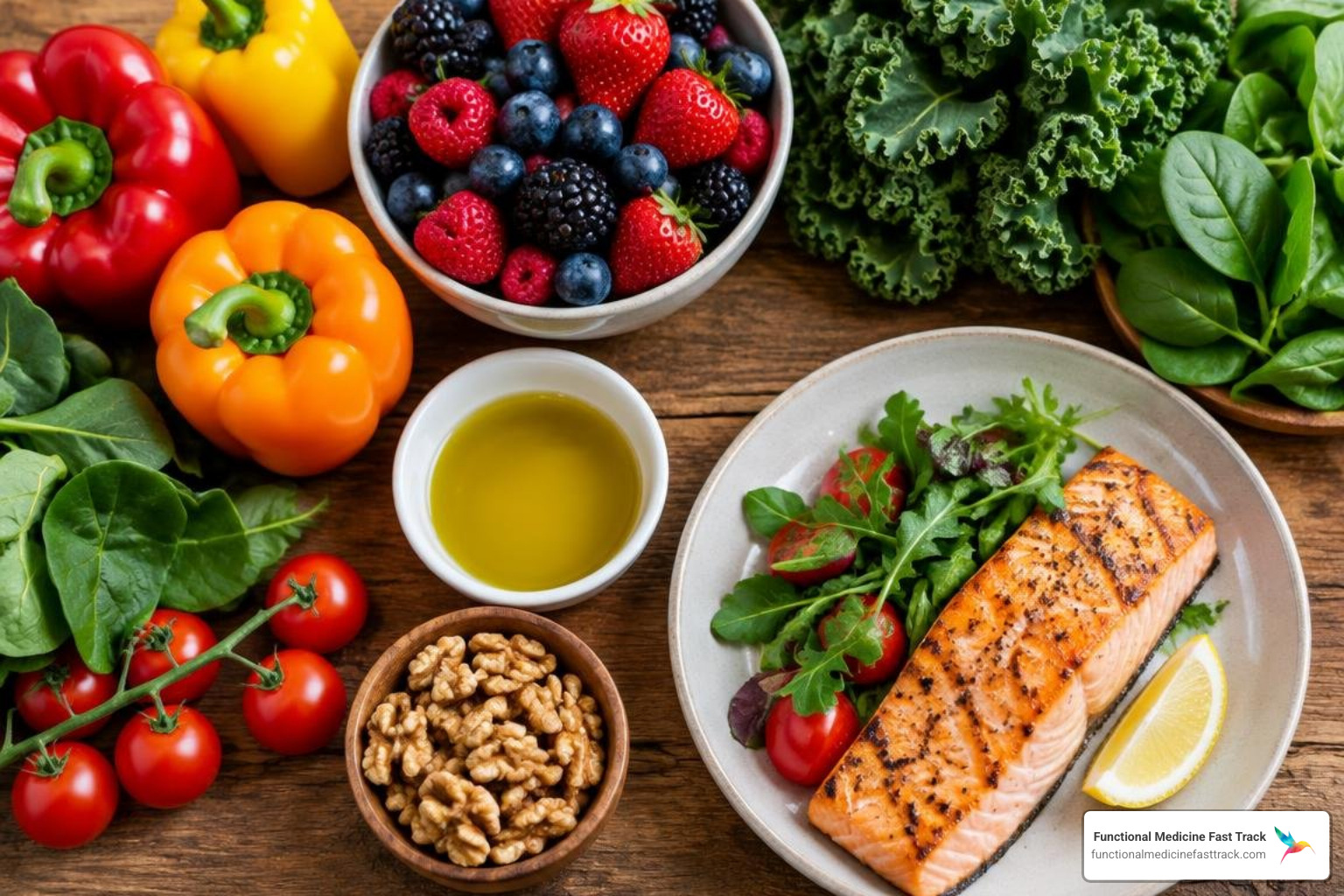
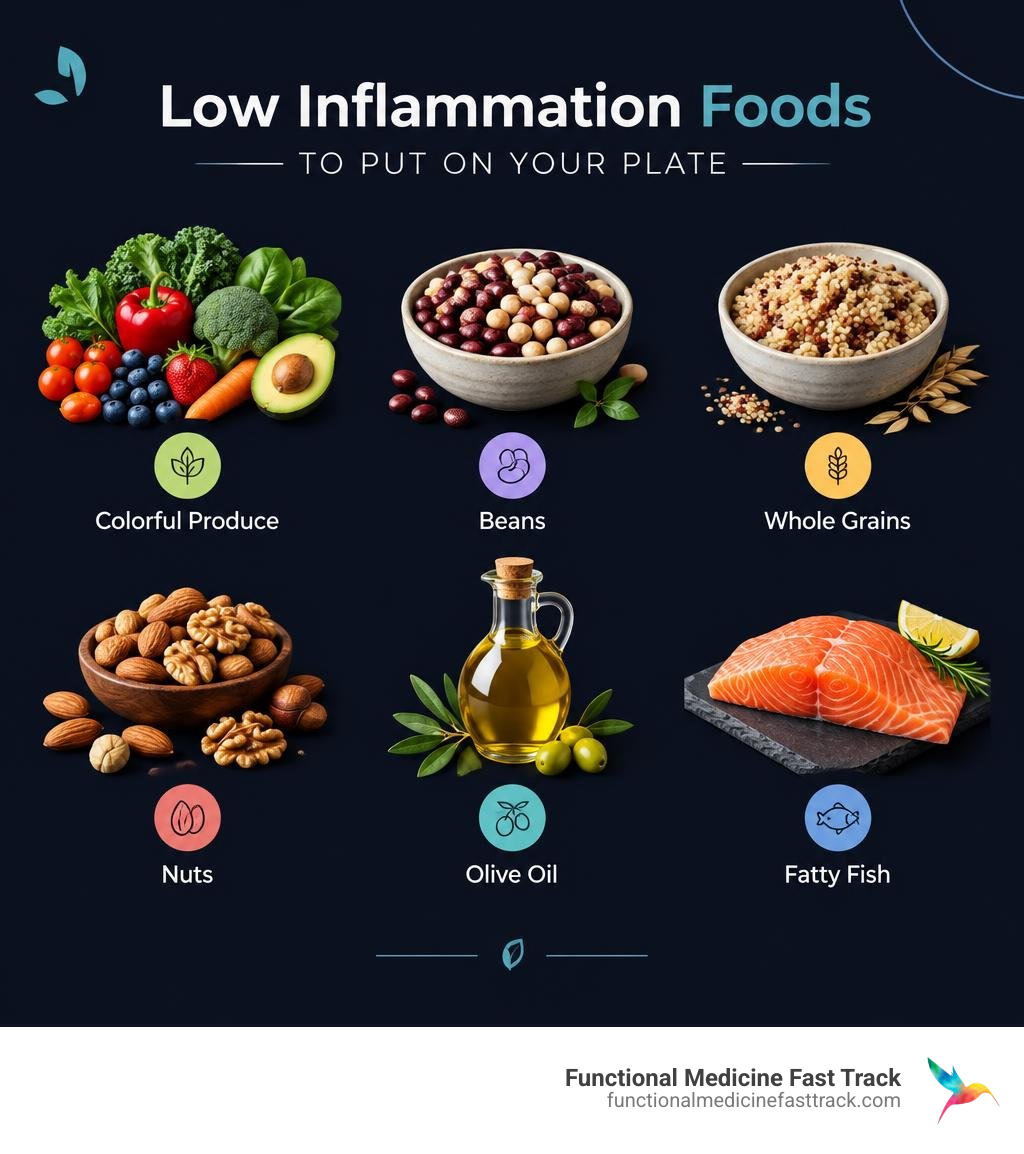
Low inflammation foods include berries, leafy greens, beans, whole grains, walnuts, olive oil, and fatty fish such as salmon. Build meals around a mix of these foods, and choose water or unsweetened tea more often than sugary drinks. This eating pattern may support a healthy immune response, but no single food can do the work alone.
The easiest place to start is with one swap: add berries to breakfast, use olive oil instead of butter, or replace processed meat with beans or fish.
I'm Garric Vosloo, CEO of Functional Medicine Fast Track and a former Institute for Functional Medicine Certified Practitioner. I draw on more than 30 years of experience consulting with patients and running two practices to help make choices like low inflammation foods easier to put into practice.
Understanding Chronic Inflammation and Why Diet Matters
Inflammation is not inherently bad; it is our body's vital physiological response to acute injury and pathogen exposure. When you cut your finger or catch a cold, the immune system mobilizes white blood cells and inflammatory cytokines to neutralize invaders and repair tissue. However, problems arise when this acute mechanism fails to turn off, evolving into persistent, low-grade systemic inflammation.
Over time, sustained cellular stress and oxidative damage can accelerate tissue degeneration (Yu et al., 2024). According to insights shared in the Harvard Health guide to foods that fight inflammation, sustained systemic inflammation is deeply intertwined with modern non-communicable diseases, including cardiovascular disorders, metabolic imbalances, cognitive decline, and joint discomfort.
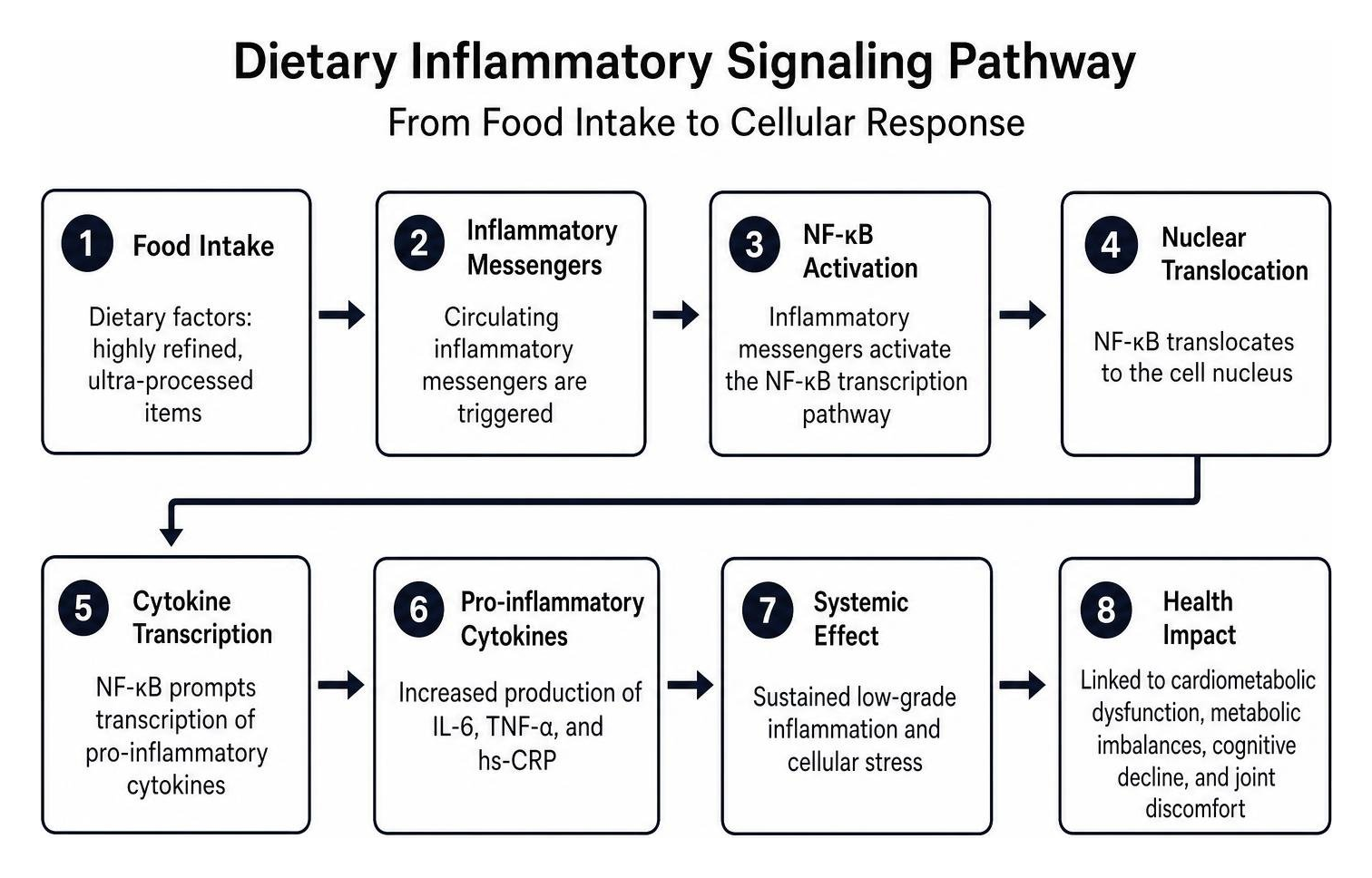
At a molecular level, dietary factors interact continuously with cell signaling pathways. When we consume highly refined, ultra-processed items, circulating inflammatory messengers trigger the nuclear factor-kappa B (NF-κB) transcription pathway. Once activated, NF-κB translocates to the cell nucleus, prompting the transcription of pro-inflammatory cytokines such as interleukin-6 (IL-6), tumor necrosis factor-alpha (TNF-α), and high-sensitivity C-reactive protein (hs-CRP).
Researchers often measure the inflammatory impact of eating patterns using the Dietary Inflammatory Index (DII). Studies show that higher, pro-inflammatory DII scores correlate with heightened risks for cardiometabolic dysfunction and impaired cellular defense. Conversely, adopting an eating plan filled with nutrient-dense, minimally processed ingredients may support balanced cytokine production and calm cellular stress pathways. To see how these choices look on paper, reviewing our Anti-Inflammatory Food List PDF can offer a helpful visual summary.
Essential Categories of Low Inflammation Foods to Eat Daily
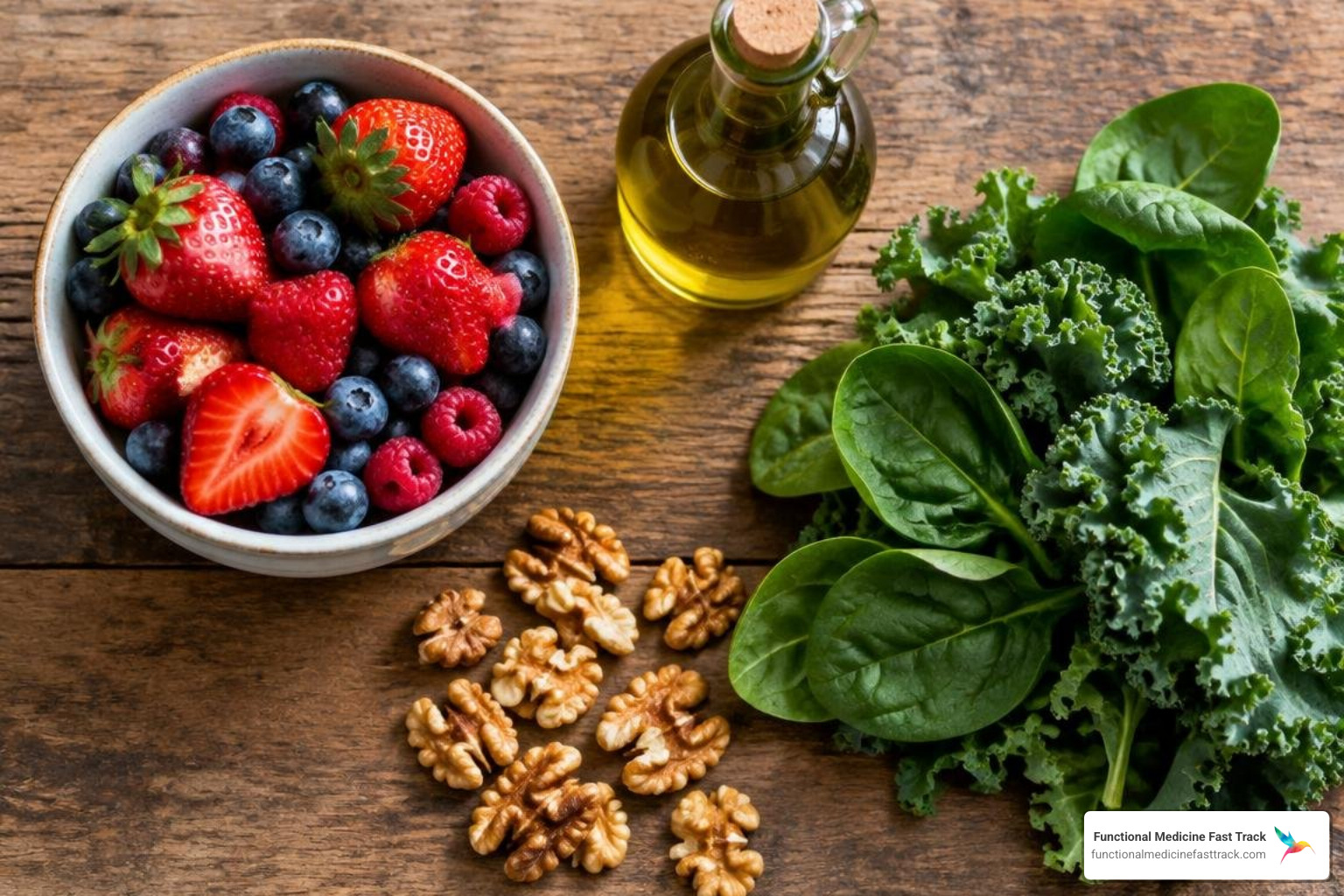
Creating a low-inflammation kitchen does not require complicated rules. It is about consistently providing your cells with bioactive compounds, antioxidants, and essential micronutrients. As detailed in the Cleveland Clinic overview on anti-inflammatory diet benefits, eating whole, unrefined foods delivers synergistic nutrients that work together to protect endothelial function, support cellular membranes, and quench free radicals.
Plant-Based Low Inflammation Foods and Phytonutrients
Plants are nature's primary source of phytonutrients—chemical compounds produced by plants to protect themselves from environmental stress that offer similar protective benefits when consumed by humans.
Dark Leafy Greens: Spinach, kale, Swiss chard, and collard greens contain abundant folate, lutein, and vitamins C and K. These nutrients may support tissue repair and maintain vessel health.
Anthocyanin-Rich Berries: Blueberries, blackberries, and strawberries owe their deep blue and purple hues to anthocyanins, powerful polyphenols that research suggests can lower oxidative stress.
Cruciferous Vegetables: Broccoli, Brussels sprouts, cabbage, and cauliflower deliver glucosinolates, which break down into sulforaphane—a potent activator of the body's natural antioxidant defense systems.
Flavonoid-Dense Produce: Onions, apples, and citrus fruits are packed with quercetin and rutin, bioflavonoids recognized for their ability to help stabilize immune cells.
When increasing plant intake, selecting unrefined complex carbohydrates over simple starches helps maintain stable blood sugar levels. For individuals seeking clear structure around carbohydrate quality, referencing a detailed carb food list helps balance fiber diversity with glycemic control.
Healthy Fats, Marine Omega-3s, and Gut-Supporting Probiotics
Fats are crucial building blocks for cell membranes and hormone precursors. The quality of dietary fat determines whether your cells synthesize pro-inflammatory or anti-inflammatory signaling molecules.
Marine Omega-3 Fatty Acids: Cold-water fatty fish such as wild salmon, sardines, mackerel, and anchovies are rich in eicosapentaenoic acid (EPA) and docosahexaenoic acid (DHA). These long-chain fatty acids compete directly with arachidonic acid, giving rise to specialized pro-resolving mediators (SPMs) that help resolve inflammatory cascades.
Monounsaturated Fats (MUFAs): Extra virgin olive oil serves as the cornerstone of anti-inflammatory eating. It contains oleocanthal, a natural compound that operates along pathways similar to traditional non-steroidal anti-inflammatory agents.
Nuts and Seeds: Walnuts, chia seeds, and flaxseeds provide alpha-linolenic acid (ALA) alongside mineral cofactors like magnesium and zinc.
Fermented and Prebiotic Foods: Gut barrier integrity is essential for keeping systemic inflammation in check. Incorporating traditional fermented foods like plain kefir, unsweetened yogurt, sauerkraut, and kimchi introduces beneficial microbes. Pairing these with prebiotic fibers feeds the microbiome, encouraging the production of short-chain fatty acids (SCFAs) like butyrate that may support gut barrier function. For those managing functional gastrointestinal sensitivities alongside inflammation, exploring a targeted Fast Tract Diet framework can help reduce digestive discomfort while preserving nutrient density.
Pro-Inflammatory Foods to Avoid or Minimize
Reducing systemic inflammation is as much about removing cellular irritants as it is about adding protective foods. When we regularly consume pro-inflammatory dietary elements, we place an ongoing biochemical burden on our metabolic and immune systems. Guidance from Johns Hopkins Medicine on inflammatory dietary patterns highlights several food categories that actively contribute to immune signaling dysregulation.
Inflammatory Food Category | Cellular Impact | Nourishing Alternative Swap |
|---|---|---|
Refined Sugars & Sodas | Rapid glycemic spikes, oxidative stress, elevated NF-κB | Sparkling water with fresh lemon, herbal teas, whole berries |
Industrial Seed Oils (Corn, Soybean) | High omega-6 ratio promoting arachidonic acid pathways | Extra virgin olive oil, avocado oil, culinary walnut oil |
Ultra-Processed Meats | High saturated fat, nitrates, advanced glycation end-products | Wild-caught salmon, pasture-raised poultry, lentils, beans |
Refined Grain Products | High glycemic load, depleted micronutrient density | Quinoa, wild rice, sweet potatoes, steel-cut oats |
Trans Fats & Hydrogenated Oils | Endothelial disruption, elevated circulating hs-CRP | Fresh avocado slices, raw almonds, mixed raw seeds |
Limiting these items is fundamental to digestive health. Identifying and removing the worst foods for gut health helps reduce unwanted intestinal permeability and limits the release of inflammatory molecules into the bloodstream.
Identifying Hidden Triggers in Processed Products
Modern food processing frequently introduces hidden ingredients that can challenge sensitive digestive and immune systems. High-fructose corn syrup, artificial emulsifiers, and synthetic preservatives can alter microbial balance and irritate the delicate gut mucosal barrier.
Furthermore, individuals dealing with persistent, unexplained inflammatory symptoms may be reacting to specific food proteins. Utilizing a structured elimination diet food list as part of a 21-day elimination diet guide or a low allergy diet plan offers a clear method to identify personal triggers without permanent restriction.
Practical Strategies for Building an Anti-Inflammatory Eating Pattern

Transitioning to an anti-inflammatory lifestyle does not require extreme cleanses or restrictive regimens. Grounded in the evidence-based principles outlined in the Mayo Clinic recommendations on groceries for chronic inflammation, the most effective approach relies on daily, sustainable habits.
Cooking Methods and Kitchen Wisdom
How you prepare food matters just as much as what you buy:
Choose Gentle Heat: High-temperature dry cooking—such as char-broiling and deep-frying—generates advanced glycation end-products (AGEs) and lipid peroxides that trigger oxidative stress. Opt instead for steaming, poaching, braising, or baking at moderate temperatures.
Embrace Anti-Inflammatory Spices: Turmeric contains curcumin, which research suggests may downregulate inflammatory pathways; pairing it with black pepper enhances curcumin absorption. Ginger, garlic, rosemary, and oregano also add flavorful bioactive compounds to daily meals.
Prioritize Whole-Food Diversity: Aim to consume a wide spectrum of natural colors throughout the week to maximize your intake of complementary phytonutrients.
Incorporating Low Inflammation Foods into Daily Meals
Building balanced meals is straightforward when you rely on simple food swaps:
Morning Meal: Swap sugary morning pastries or refined cereals for a bowl of steel-cut oats topped with ground flaxseed, fresh blueberries, and a sprinkle of cinnamon, or choose pasture-raised eggs scrambled with baby spinach and olive oil.
Midday Plate: Replace typical deli meat sandwiches with a large, colorful salad featuring mixed leafy greens, canned wild sardines or chickpeas, sliced avocado, pumpkin seeds, and a dressing made of extra virgin olive oil and lemon juice.
Evening Dinner: Instead of deep-fried proteins and white rice, bake wild salmon or organic tempeh alongside roasted cruciferous vegetables (such as broccoli and cauliflower) paired with a serving of steamed quinoa or baked sweet potato.
Snacks and Sips: Swap ultra-processed snack bars for a handful of raw walnuts and an apple. Drink filtered water, green tea, or unsweetened chamomile throughout the day. To organize your weekly shopping trips, keep a practical food list on your refrigerator.
When tailoring your diet, you may also find it helpful to review specific foods to limit by checking a Fast Tract Diet foods to avoid resource, ensuring your choices support both immune balance and comfortable digestion.
Frequently Asked Questions About Anti-Inflammatory Eating
How quickly might dietary changes influence inflammation markers?
Biochemical shifts often begin within a few weeks of adopting an unrefined, nutrient-dense diet. Studies examining dietary interventions note that inflammatory biomarkers, such as hs-CRP and serum IL-6, may begin to trend downward within 3 to 12 weeks of consistent lifestyle changes. However, clinical timelines vary based on individual genetics, baseline health status, sleep quality, stress levels, and daily physical activity.
Can cooking methods influence whether a meal is pro-inflammatory?
Yes. Cooking techniques that involve extreme dry heat, such as deep-frying, char-grilling red meats, or high-heat broiling, can produce pro-inflammatory compounds like advanced glycation end-products (AGEs) and heterocyclic amines. Using lower-temperature, moisture-retaining methods—such as steaming, gentle sauteing, braising, stewing, and baking—helps protect food nutrients and minimizes the formation of inflammatory byproducts.
Is the Mediterranean diet the best framework for supporting a healthy inflammatory response?
The traditional Mediterranean dietary pattern is one of the most widely studied eating styles for managing systemic inflammation. Its emphasis on extra virgin olive oil, diverse plant foods, legumes, whole grains, nuts, and omega-3-rich seafood provides a comprehensive foundation for supporting long-term health. That said, personalized adjustments based on individual digestive tolerance and sensitivities can make this framework even more effective.
Conclusion
Embracing low inflammation foods is not a temporary fix or a rigid diet; it is a foundational, food-first lifestyle that provides your body with the cellular resources it needs for long-term health and vitality. By emphasizing a wide variety of colorful plant foods, nourishing fats, clean proteins, and gut-supportive fibers—while minimizing ultra-processed items—you help calm systemic immune signaling naturally.
At Functional Medicine Fast Track, we believe in empowering both healthcare practitioners and individuals with practical, evidence-based lifestyle strategies that address root causes rather than just managing symptoms. When you are ready to take the next step in refining your daily nutritional foundation, explore the complete Fast Tract Diet list of foods to help you build a personalized, low-inflammation plate that supports your long-term wellness journey.
References
Yu X, Pu H, Voss M. "Overview of anti-inflammatory diets and their promising effects on non-communicable diseases.." The British journal of nutrition, 2024. PMCID PMC11576095.