

The Fast Tract Diet List of Foods for Rapid Heartburn Relief
Start With Low-Fermentation Foods for Heartburn Relief
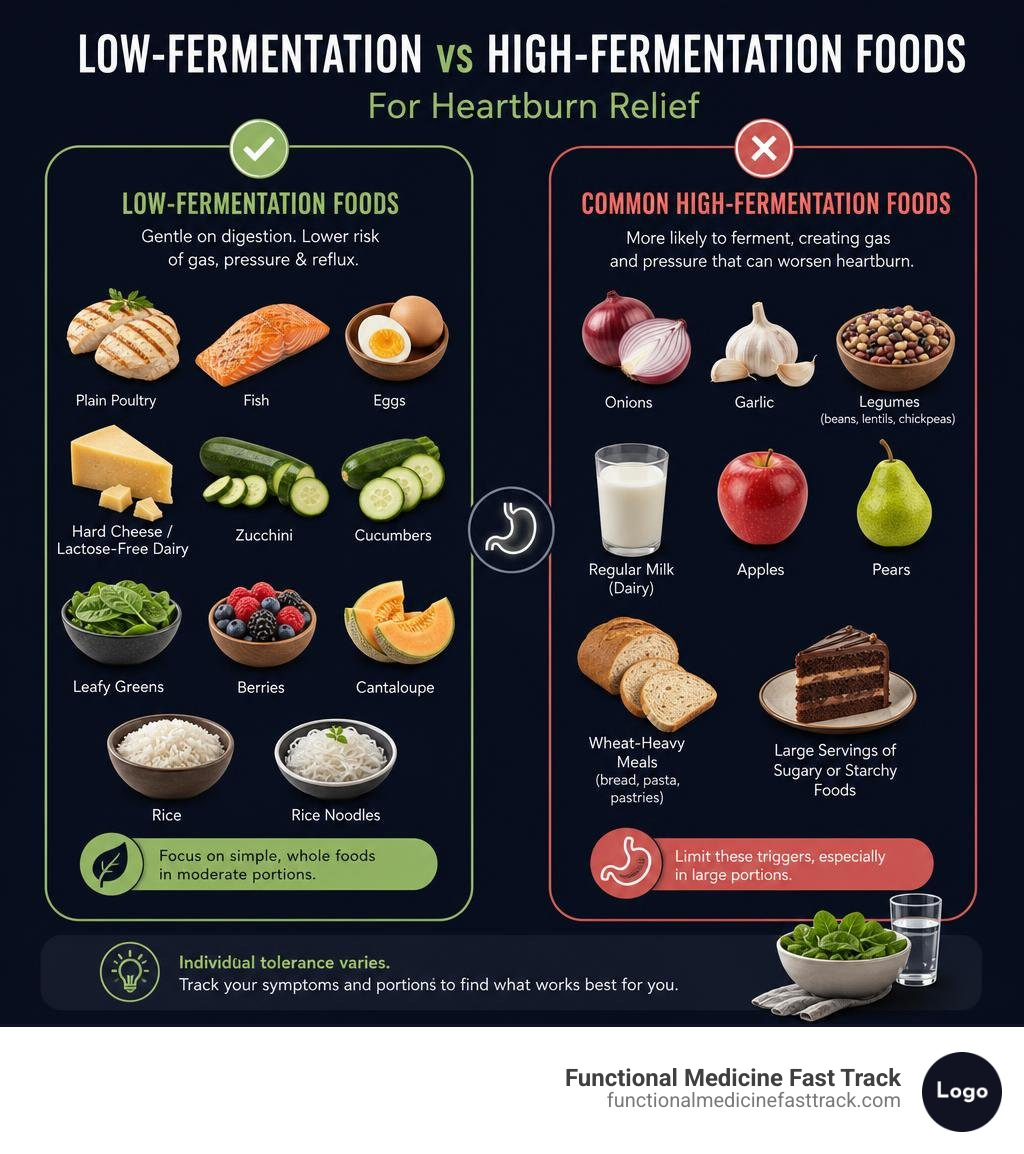
A practical Fast Tract Diet list of foods starts with low-fermentation choices: plain poultry, fish, eggs, hard cheese or lactose-free dairy, zucchini, cucumbers, leafy greens, berries, cantaloupe, rice, and rice noodles. Limit common high-fermentation triggers such as onions, garlic, legumes, regular milk, apples, pears, wheat-heavy meals, and large servings of sugary or starchy foods.
The goal is not simply to remove "acidic" foods. It is to reduce the fermentable carbohydrates that may create intestinal gas and pressure. For some people, that pressure can worsen reflux, bloating, and upper-GI discomfort.
The Fast Tract approach uses Fermentation Potential (FP) to account for both the type of carbohydrate and the serving size. In practice, clinicians can use the food list as a starting point, then help patients track symptoms, portions, and individual tolerances. This matters because a food that works well in a small serving may be a trigger in a larger one.
This guide organizes the most useful low-FP foods by category, so you can build simple meals that support digestive comfort without making nutrition needlessly complicated.
Introduction to Low-Fermentation Eating for Acid Reflux
For decades, conventional medicine told patients that heartburn was purely an acid production issue. The standard advice was simple: avoid spicy foods, cut out citrus, steer clear of coffee, and take acid-suppressing medications. Yet millions of people find that their symptoms persist, or return with a vengeance the moment they try to taper off acid blockers.
In functional medicine, we look at the underlying mechanics of gastroesophageal reflux disease (GERD), laryngopharyngeal reflux (LPR), and functional gastrointestinal disorders. One of the most common root drivers is not an excess of stomach acid, but rather an excess of intragastric pressure.
When your gut microbiome experiences dysbiosis or small intestinal bacterial overgrowth (SIBO), microbes feast on undigested carbohydrates in your digestive tract. This microbial fermentation produces large volumes of intestinal gas, including hydrogen, methane, and carbon dioxide.

As this gas accumulates, it increases upward pressure on the lower esophageal sphincter (LES). When the pressure exceeds the closing capacity of the valve, stomach contents—acid, enzymes, and micro-aerosols—get forced upward into the esophagus and airway.
By following evidence-based digestive health guidelines, you limit the dietary substrates that bacteria ferment. The primary metric used to quantify this is Fermentation Potential (FP). FP calculates the total grams of fermentable carbohydrates in a specific portion of food, taking into account:
Fructose (especially in excess of glucose)
Lactose
Resistant starches
Dietary fiber
Oligosaccharides (fructans and galacto-oligosaccharides)
Sugar alcohols (polyols)
When you lower the FP of your daily intake, gas production plummets, lower esophageal sphincter pressure normalizes, and heartburn relief often occurs within days.
The Core Fast Tract Diet List of Foods by Category
Navigating a therapeutic diet should never feel like guesswork. The table below outlines how common everyday foods compare in terms of their fermentation potential, helping you choose low-FP options that support gut motility and SIBO relief.
Food Category | Low-Fermentation Choices (Preferred) | High-Fermentation Triggers (Limit/Avoid) |
|---|---|---|
Proteins | Chicken, turkey, beef, wild salmon, cod, shrimp, eggs, tofu | Breaded meats, heavily processed sausages with high-fructose corn syrup fillers |
Fats & Oils | Olive oil, butter, ghee, coconut oil, avocado oil | Dressings with high-fructose corn syrup, garlic-infused cream sauces |
Dairy | Aged cheddar, parmesan, swiss, lactose-free milk, lactose-free cream | Whole milk, condensed milk, soft fresh cheeses (ricotta, cottage cheese), regular ice cream |
Grains & Starches | Jasmine rice, basmati rice, rice noodles, gluten-free sourdough | Whole wheat flour, barley, rye, resistant starch potatoes (cooled), high-fiber bran cereals |
Vegetables | Zucchini, cucumbers, spinach, lettuce, bok choy, celery, carrots | Onions, garlic, shallots, leeks, cauliflower, asparagus, artichokes, Brussels sprouts |
Fruits | Strawberries, blueberries, raspberries, cantaloupe, honeydew | Apples, pears, mangoes, watermelon, cherries, dried fruits (raisins, dates) |
Legumes & Nuts | Almonds (small amounts), walnuts, macadamia nuts, pumpkin seeds | Lentils, black beans, chickpeas, kidney beans, baked beans, soy flour |
Proteins, Fats, and Low-Lactose Dairy
Pure proteins and dietary fats contain zero fermentable carbohydrates. Because gut bacteria cannot ferment pure lipids or amino acids into gas, these foods carry a Fermentation Potential of zero. They form the foundational anchors of a low-fermentation meal plan.
Lean poultry and wild fish: Chicken breast, pasture-raised turkey, wild-caught salmon, trout, cod, and halibut offer bioavailable protein to preserve lean muscle without feeding microbial overgrowth.
Shell eggs: Eggs are exceptionally versatile, nutrient-dense, and have an FP value of zero.
Healthy fats: Extra virgin olive oil, grass-fed butter, ghee, avocado oil, and coconut oil provide essential fatty acids, support hormone synthesis, and slow gastric emptying moderately without provoking reflux.
Hard cheeses and lactose-free dairy: While fresh dairy contains significant amounts of lactose (a double-sugar that bacteria readily ferment), aged cheeses like parmesan, mature cheddar, provolone, and swiss undergo natural fermentation that consumes virtually all lactose. Lactose-free milk, heavy cream, and lactose-free sour cream are also well-tolerated options.
Low-Risk Carbohydrates on the Fast Tract Diet List of Foods
Carbohydrates require the most strategic attention. Not all carbs ferment equally; foods with a high glycemic index that break down rapidly into glucose high in the digestive tract are absorbed before gut bacteria can ferment them.
Jasmine and basmati rice: Unlike whole grains loaded with resistant starch, freshly cooked jasmine and basmati white rice are rapidly absorbed in the upper small intestine, leaving minimal residue for microbial fermentation.
Rice noodles and rice paper: Simple rice pasta and Vietnamese rice vermicelli provide versatile meal options with very low FP scores.
True sourdough bread: Traditional long-fermentation sourdough allows wild yeasts and lactobacilli to pre-digest much of the fructans and starches in the grain, making small, controlled portions far easier on the gut than standard wheat bread.
Low-starch grains in moderation: Quinoa and rolled oats can be included in small, measured servings, provided individual tolerance allows.
The golden rule for carbohydrates is strict portion control. Even a low-FP starch will cause fermentation if eaten in quantities that exceed the small intestine's immediate absorption capacity.
Gut-Friendly Vegetables and Low-Fructose Fruits
Vegetables and fruits provide essential micronutrients, polyphenols, and cellular hydration. The key is prioritizing varieties that are low in excess free fructose, polyols, and indigestible oligosaccharides. Cross-referencing an evidence-based, printable elimination diet reference can help you quickly verify which produce options support your phase of recovery.
Non-fermentable vegetables: Zucchini, English cucumbers, spinach, butterhead lettuce, Swiss chard, bok choy, green beans, and carrots provide gentle bulk without generating excessive gas.
Low-fructose fruits: Strawberries, blueberries, raspberries, cantaloupe, and honeydew melon contain balanced fructose-to-glucose ratios, preventing the malabsorption that fuels dysbiosis.
Portion management for fiber: While dietary fiber is important for long-term health, therapeutic low-fermentation diets temporarily moderate total fiber intake to starve out bacterial overgrowth in the upper GI tract.

High-Fermentation Foods to Limit or Avoid
To reduce gas-driven lower esophageal pressure, it is essential to minimize foods with high FP values during the initial phase of dietary intervention.
The Primary High-FP Categories to Minimize:
Fructan and Oligosaccharide Heavyweights:
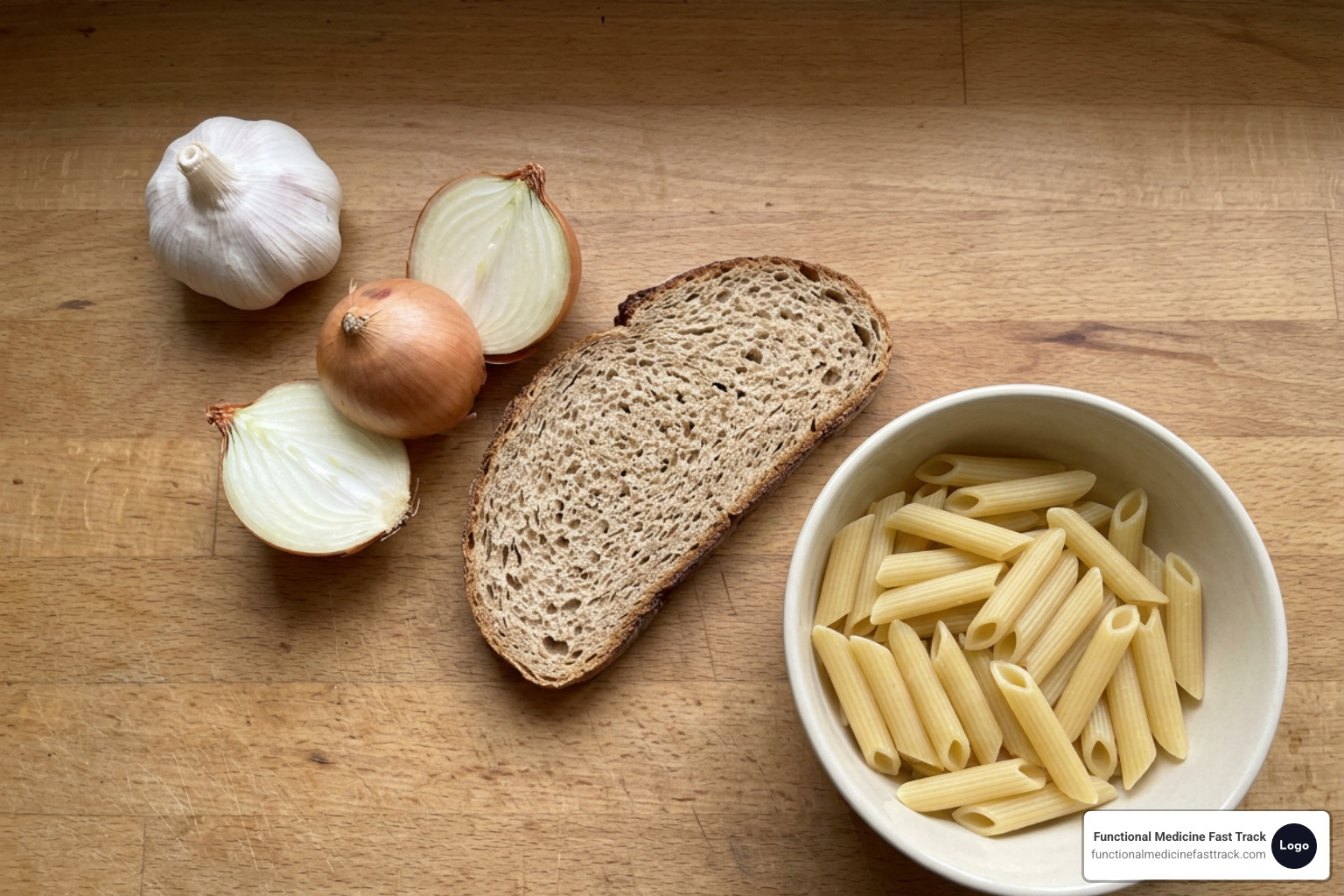
Garlic and onions: The single most potent triggers for upper-GI bloating and reflux. Even small amounts of onion powder or garlic salt can fuel intense microbial gas production.
Wheat-heavy pasta and breads: Standard whole wheat and refined wheat flour deliver high concentrations of fermentable fructans.
Excess Fructose Sources:
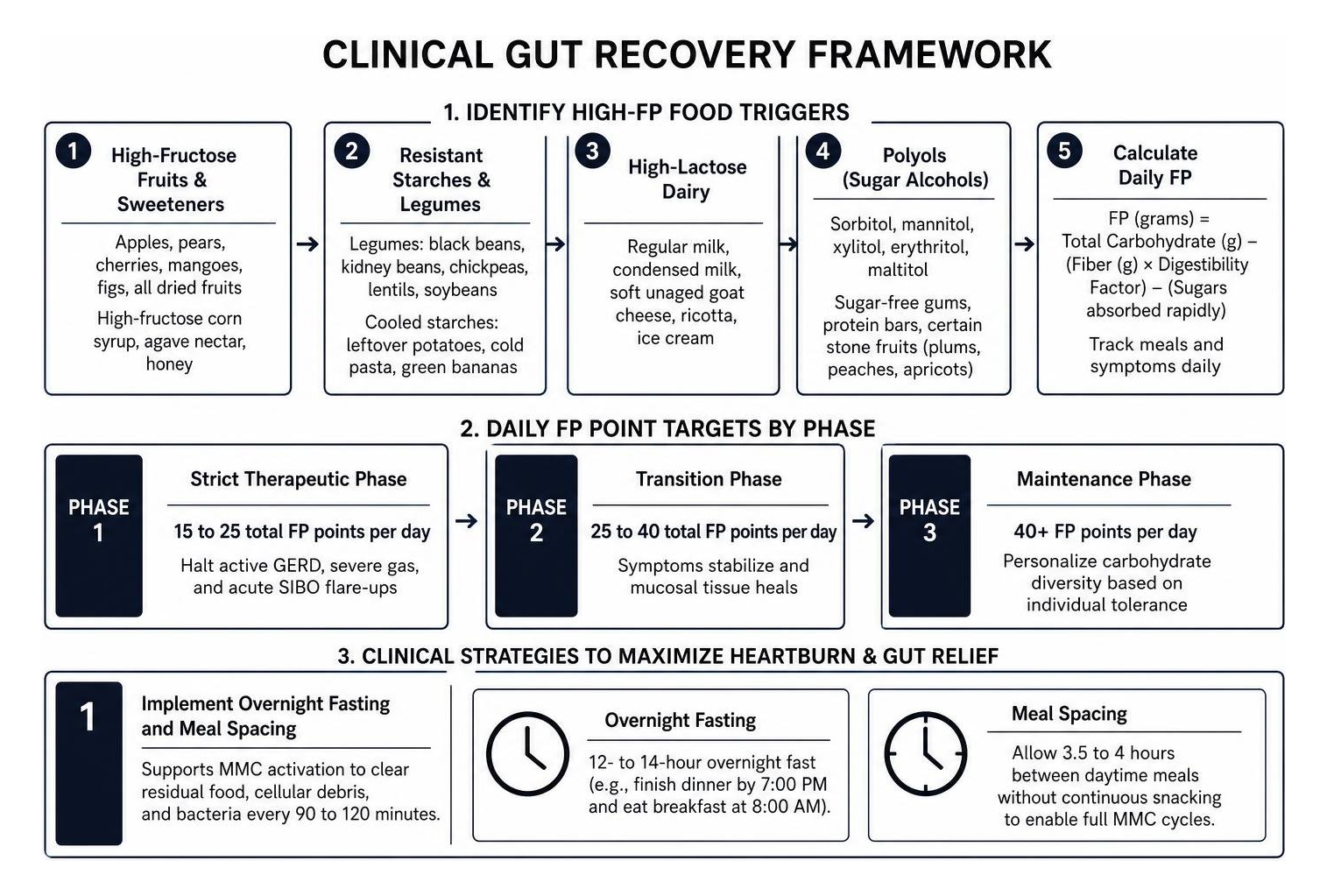
High-fructose fruits: Apples, pears, cherries, mangoes, figs, and all dried fruits contain fructose far in excess of glucose, which overwhelms the GLUT-5 transporter in the small intestine.
Sweeteners: High-fructose corn syrup, agave nectar, and honey.
Resistant Starches and Legumes:
Legumes: Black beans, kidney beans, chickpeas, lentils, and soybeans contain galactooligosaccharides that human digestive enzymes cannot break down, leaving them entirely to bacterial fermentation.
Cooled starches: Leftover, cooled potatoes, cold pasta, and green bananas develop crystalline resistant starches that escape early enzymatic digestion.
High-Lactose Dairy:
Regular milk, condensed milk, soft unaged goat cheese, ricotta, and ice cream contain heavy lactose loads that trigger rapid gas release in anyone with marginal lactase enzyme production.
Polyols (Sugar Alcohols):
Sorbitol, mannitol, xylitol, erythritol, and maltitol found in sugar-free gums, protein bars, and certain stone fruits (plums, peaches, apricots).
Calculating Daily Points on the Fast Tract Diet List of Foods
The Fast Tract Diet system assigns numerical FP values to specific portions of food. By calculating your daily intake, you create an objective, measurable threshold for digestive comfort.
In standard clinical practice, individuals target a specific daily FP budget based on their symptom severity:
Strict Therapeutic Phase: 15 to 25 total FP points per day. This phase is used to halt active GERD, severe gas, and acute SIBO flare-ups.
Transition Phase: 25 to 40 total FP points per day as symptoms stabilize and mucosal tissue heals.
Maintenance Phase: 40+ FP points per day, systematically personalizing carbohydrate diversity based on individual tolerance.
Tracking your meals with a symptom diary enables you to identify the precise glycemic load and serving thresholds that your digestive system can process without triggering reflux.
Clinical Strategies to Maximize Heartburn and Gut Relief
Dietary changes form the foundation of gut recovery, but combining targeted nutrition with functional lifestyle strategies accelerates tissue repair and restores healthy motility.
1. Implement Overnight Fasting and Meal Spacing
The migrating motor complex (MMC) is your gut's natural sweeping wave. It activates only during periods of fasting, clearing residual food, cellular debris, and bacteria from the small intestine down into the colon every 90 to 120 minutes.
Practice a 12- to 14-hour overnight fast (e.g., finishing dinner by 7:00 PM and eating breakfast at 8:00 AM).
Allow 3.5 to 4 hours between daytime meals without continuous snacking to allow the MMC to complete full cleaning cycles.
2. Support Gastric Motility and the Vagus Nerve
A sluggish stomach (delayed gastric emptying) increases the time food sits fermenting in the upper gut.
Stimulate the vagus nerve before meals through deep diaphragmatic breathing, chewing each bite thoroughly, and sitting in a relaxed, parasympathetic state.
Gentle herbal prokinetics such as ginger root tea or standardized artichoke extracts can support downward gastrointestinal motility.
3. Maintain an Accurate Food and Symptom Diary
Do not rely on memory alone. Log:
The exact food and measured serving size
Time of consumption
Any physical sensations (bloating, throat clearing, sour taste, cough, chest tightness) 30, 60, and 120 minutes post-meal This data removes emotion from dietary choices and gives your clinician clear patterns to interpret.
4. Address Upstream Lifestyle Stressors
Elevated sympathetic tone (chronic stress) reduces stomach acid production, halts bile output, impairs enzyme release, and slows intestinal transit. Daily stress management techniques—whether walking in nature, breathwork, or structured relaxation—directly improve digestive outcomes.
Frequently Asked Questions About Low-Fermentation Diets
How quickly does the Fast Tract Diet reduce acid reflux symptoms?
Most individuals experience noticeable symptom reduction within 3 to 5 days of strictly adhering to a low-FP intake. Because microbial gas production drops almost immediately when fermentable substrates are removed, intragastric pressure falls rapidly. Chronic tissue irritation in the esophagus may take several weeks to fully re-epithelialize, but the active upward splashing of stomach contents typically diminishes within the first week.
Can you eat dairy products on a low-fermentation diet?
Yes, provided you choose very low-lactose or lactose-free varieties. Aged hard cheeses (such as parmesan, aged cheddar, manchego, and swiss) have virtually zero lactose because the culturing process converts lactose into lactic acid. Lactose-free milk, heavy cream, and clarified butter (ghee) are also safe options that do not feed microbial fermentation. Avoid unaged soft cheeses, standard milk, and commercial ice cream.
How does the Fast Tract Diet differ from a standard low-FODMAP plan?
While both protocols target fermentable carbohydrates, the Fast Tract Diet uses a comprehensive quantitative calculation (Fermentation Potential) that accounts for resistant starches and total fiber, which are often overlooked on standard FODMAP lists. A food might be technically low-FODMAP (like a large serving of jasmine rice or certain gluten-free grain products) but still carry a significant resistant starch load that ferments if portion sizes are too high. Fast Tract provides quantitative mathematical scoring, allowing for greater serving-size flexibility rather than blanket food eliminations.
Conclusion: Building Your Sustainable Gut Protocol
Eliminating chronic heartburn, GERD, and SIBO symptoms does not mean you are destined to eat a restrictive, bland diet forever. The Fast Tract Diet list of foods is a targeted therapeutic tool designed to reduce gas pressure, eliminate bacterial substrate, and give your esophageal and intestinal tissues the biological space they need to heal.
True digestive recovery moves through deliberate phases: eliminating high-fermentation triggers, stabilizing upper gastrointestinal motility, and methodically personalizing your long-term nutrition plan. If you are navigating complex gastrointestinal challenges or want a structured, clinician-guided roadmap, explore our comprehensive elimination diet food plan to identify food triggers safely and restore your digestive vitality from the inside out.