

Stop Guessing Serving Sizes: The Essential High and Low Carb Food List PDF
A Printable Carb Food List That Starts With Serving Size
Need a carb food list PDF you can print? Start with this basic carbohydrate counting booklet. It lists foods by portion and carbohydrate grams. Save it to your phone or print it, then compare each listed portion with the amount you actually eat.
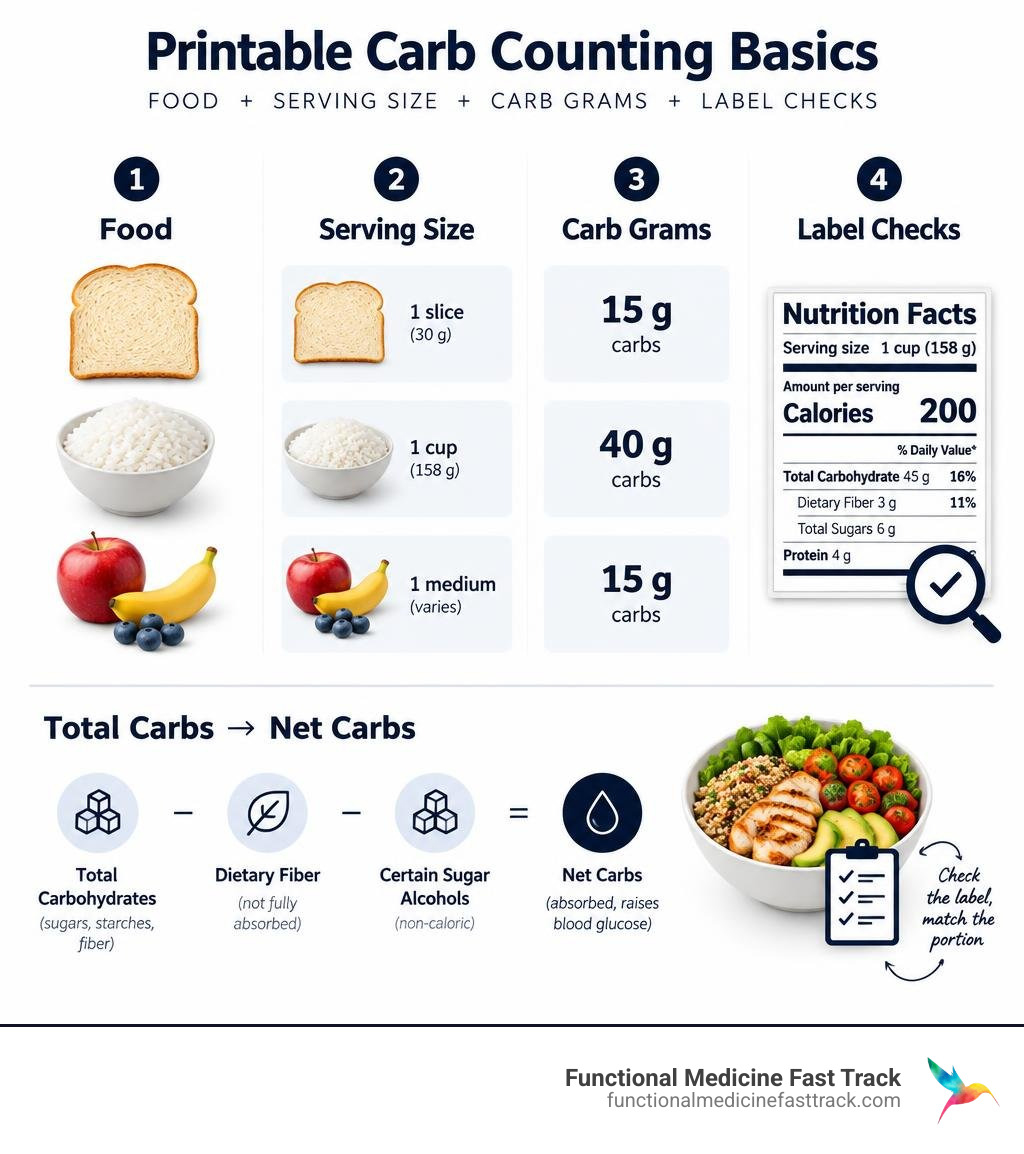
For a quick reference, one medium slice of white toast has about 15 g of carbs, while one cup of cooked white rice has about 40 g. Those numbers are useful only when the portion matches. For packaged foods, check the current label; recipes and serving sizes can change. If you use insulin, follow the counting method and dosing plan set with your diabetes care team.
I'm Garric Vosloo, CEO of Functional Medicine Fast Track. My 30-plus years of consulting with patients and supporting healthcare professionals shape this practical approach to using a carb food list PDF.
Understanding Total Carbs, Net Carbs, and Glycemic Impact
Managing carbohydrate intake requires a clear grasp of how different carbs behave once digested. Total carbohydrates encompass every type of sugar, starch, and dietary fiber found in a food item. However, not all carbohydrates trigger an insulin surge or drive up blood glucose.
When optimizing metabolic health, we distinguish between total carbs and digestible carbs. Net carbohydrates refer to the carbohydrates that your body actively absorbs and converts into blood glucose. To find net carbs, subtract insoluble dietary fiber (and certain non-caloric sugar alcohols) from total carbohydrate grams:
$$\text{Net Carbs} = \text{Total Carbohydrates} - \text{Dietary Fiber}$$
Dietary fiber passes through the upper digestive tract largely intact, where it feeds beneficial bacteria in the gut rather than spiking blood sugar. Alongside carb quantity, the glycemic index (GI) measures how rapidly a carbohydrate-containing food raises blood glucose compared to pure glucose.
When building a nutrition protocol, we often combine carbohydrate tracking with an elimination diet food list or an anti-inflammatory food list PDF. This structured approach helps stabilize postprandial glucose while identifying underlying food sensitivities that drive systemic inflammation.
How Fiber Alters Blood Sugar and Insulin Dosing
Fiber acts as a physiological buffer by slowing gastric emptying and slowing carbohydrate absorption in the small intestine. For individuals calculating insulin-to-carb ratios, accounting for fiber prevents overestimating rapid-acting insulin requirements.
To calculate the precise carbohydrate impact of whole foods, clinical resources like the Carb Counts for Common Foods guide use carb factors. A carb factor represents the percentage of a food’s weight that consists of digestible carbohydrate.
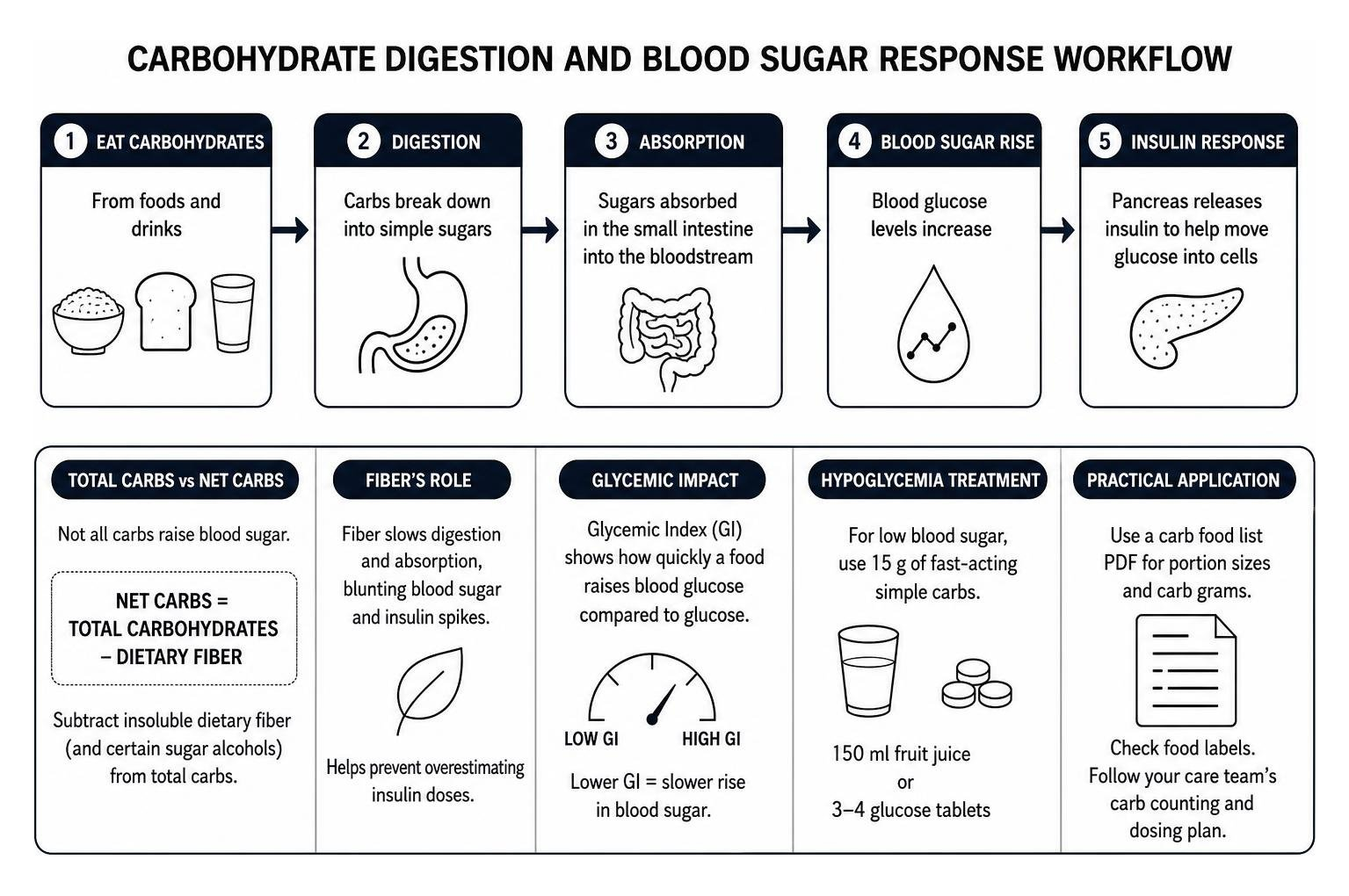
When treating acute hypoglycemia, the goal shifts completely. High-fiber foods work too slowly to raise dangerously low blood sugar. Instead, clinical standards recommend 15 grams of rapid-acting simple carbohydrates without fiber or fat, such as a 150 ml glass of fruit juice or 3–4 glucose tablets.
Integrating a Printable Carb Food List PDF with Elimination Diets
In functional medicine, counting carbohydrates is only one part of the equation; food quality and gut tolerance are equally vital. A food may be low in carbohydrates but still trigger digestive distress if it contains fermentable oligosaccharides, disaccharides, monosaccharides, and polyols (FODMAPs) or specific food antigens.
When guiding clients through clinical resets, we use targeted frameworks like the Fast Tract diet list of foods to reduce gastrointestinal bacterial overgrowth while stabilizing glycemic control. Pairing carbohydrate awareness with our 21-day elimination diet guide allows practitioners to pinpoint hidden food intolerances without sacrificing blood sugar balance.
The Complete Carb Food List PDF: Category-by-Category Breakdown
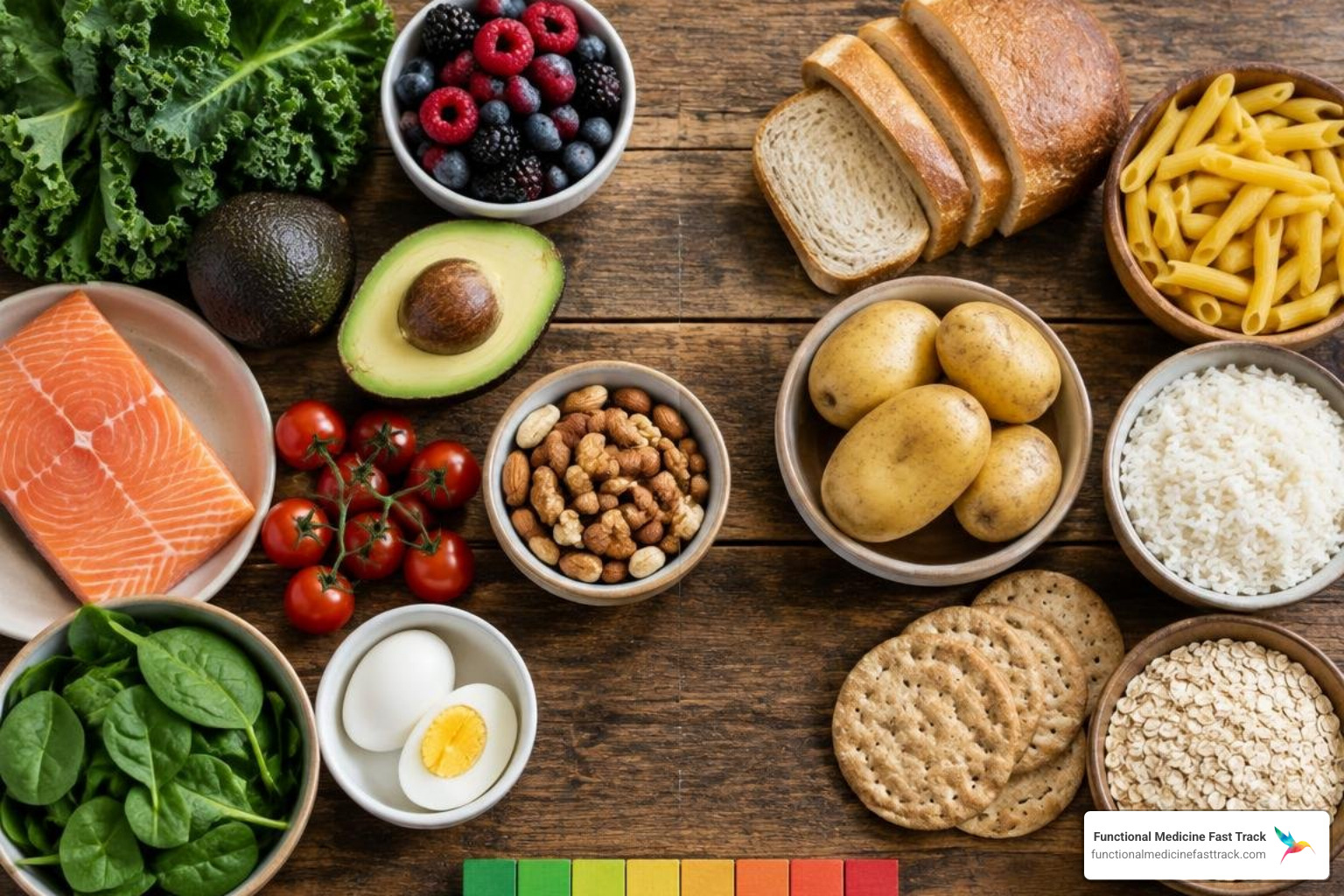
A functional carbohydrate guide groups foods by macronutrient density and glycemic impact. Whether you need a broad food list PDF or a dedicated Low Carb Food List, having reliable data points per standard serving size removes the guesswork from meal planning.
Low-Carb and Non-Starchy Foods for Blood Sugar Control
Non-starchy vegetables provide vital micronutrients, phytonutrients, and prebiotic fiber while contributing minimal digestible carbohydrates. Most leafy greens contain negligible net carbs per standard cup serving:
Raw Spinach & Arugula: 1 g total carbs, 0.7 g fiber (<1 g net carb per cup)
Raw Cucumber: 2 g total carbs, 0.5 g fiber (1.5 g net carbs per 100 g; carb factor of 0.01)
Raw Mushrooms & Asparagus: 1–2 g total carbs per serving
Cruciferous Vegetables (Broccoli, Cauliflower, Bok Choy): 3–5 g total carbs, 2–3 g fiber per cooked cup
Berries (Strawberries, Blackberries, Raspberries): 6–8 g net carbs per half-cup serving
Lean Animal Proteins & Healthy Fats: 0 g total carbohydrates (extra virgin olive oil, wild-caught fish, pastured poultry, avocado oil)
Using the Carb Food List PDF for High-Carb Staples and Grains
Starch-dense staples require exact portion measurement. A small visual miscalculation can easily add 30–50 grams of uncounted carbohydrates to a single meal:
Cooked White Rice: 40 g carbs per 1 cup (145 g cooked)
Cooked Rolled Oats: 25 g carbs per 1 cup cooked (prepared from 45 g raw rolled oats)
Medium Banana: 28 g carbs (approx. 117 g edible portion without skin)
Medium White Bread Slice: 15 g carbs (approx. 32 g slice)
Boiled, Drained Carrots: 11 g carbs per 1 cup (146 g)
Soft Drinks: 27 g carbs per standard 250 ml glass
Iced Chocolate Cake: 28 g carbs per large slice (61 g)
For patients managing insulin therapy, resources like the New Zealand Basic carbohydrate counting booklet provide standardized baseline portions for rapid clinical referencing.
Comparing Nutrition Databases: USDA Factors vs International Food Tables
Carbohydrate reporting methodologies differ between major nutritional databases. Understanding these differences ensures clinical accuracy when designing personalized protocols.
Feature / Metric | USDA FoodData Central | International / NZ Food & Crop Tables |
|---|---|---|
Carb Factor Methodology | Total carbs calculated by difference; requires manual fiber subtraction for net carbs | Often reports available (digestible) carbohydrates directly on reference tables |
Database Breadth | Over 6,000 whole, raw, and branded US food items | Curated regional foods, common household recipes, and localized staple items |
Protein Factor Inclusion | Includes protein factoring (50% protein conversion models for clinical formulas) | Focuses primarily on straight macronutrient weight values |
Fiber Adjustments | Explicitly separates dietary fiber, insoluble fiber, and total sugars | Lists dietary fiber separately; standard values often reflect net digestible carbohydrates |
Formulation Updates | Continuous updates through voluntary manufacturer data submissions | Periodic cyclical revisions based on national dietary surveys |
Practical Carb Counting for Dining Out, Packaged Foods, and Fast Food

Eating outside the home introduces variables such as hidden thickeners, marinades, and non-standard portion sizes. Commercial kitchens frequently add cornstarch, dextrose, or high-fructose syrups to savory sauces and dressings.
When navigating commercial menus or avoiding specific triggers on the Fast Tract diet foods to avoid protocol, review published nutrition guides in advance. For example, a standard 6-inch Subway sandwich (ham, roast beef, or turkey on white bread) contains approximately 39 g of carbohydrate before adding high-sugar condiments or sides.
When reading packaged nutrition panels:
Check the Serving Size: Confirm whether the label represents the entire package or multiple servings.
Calculate Net Carbs: Subtract dietary fiber from total carbohydrate grams.
Inspect Ingredients for Hidden Sugars: Watch for maltodextrin, cane syrup, barley malt, and fruit juice concentrates.
Frequently Asked Questions About Carbohydrate Counting
How do you calculate carbohydrate content from nutrition labels?
Locate the "Total Carbohydrate" line on the Nutrition Facts panel. Note the stated serving size. If calculating net carbs, subtract the "Dietary Fiber" grams from the total carbohydrate grams. If you consume two full servings, multiply that final number by two. Do not subtract non-fiber carbohydrates like starches or sugars.
How often should carb count references and food lists be updated?
Food reference values should be checked annually. Food manufacturers frequently alter recipes, modify serving dimensions, or adjust thickeners and sweetening agents. In addition, updated agricultural soil and crop databases periodically refine the baseline values for whole foods.
Which low-glycemic foods require adjusted insulin doses?
Legumes (lentils, chickpeas, black beans), high-fat dairy, and high-protein meals can cause delayed glucose absorption. Fat and protein slow gastric emptying, which may lead to late postprandial glucose elevations occurring 3 to 5 hours after eating. In clinical settings, individuals using advanced insulin regimens often discuss dual-wave or extended bolus strategies with their care team to match this delayed digestive curve.
Conclusion
Carbohydrate counting is an essential clinical skill for regulating blood glucose, restoring metabolic flexibility, and supporting sustainable energy levels. Whether your goal is managing diabetes, reducing systemic inflammation, or identifying gut triggers, starting with verified portion sizes eliminates guesswork.
At Functional Medicine Fast Track, we empower practitioners to integrate root-cause metabolic solutions through our complete three-pillar system of clinical mentorship, done-for-you practice platforms, and patient delivery tools. To help your clients build balanced, health-promoting daily meals, download the Elimination Diet Food Plan and start personalizing your dietary protocols today.