
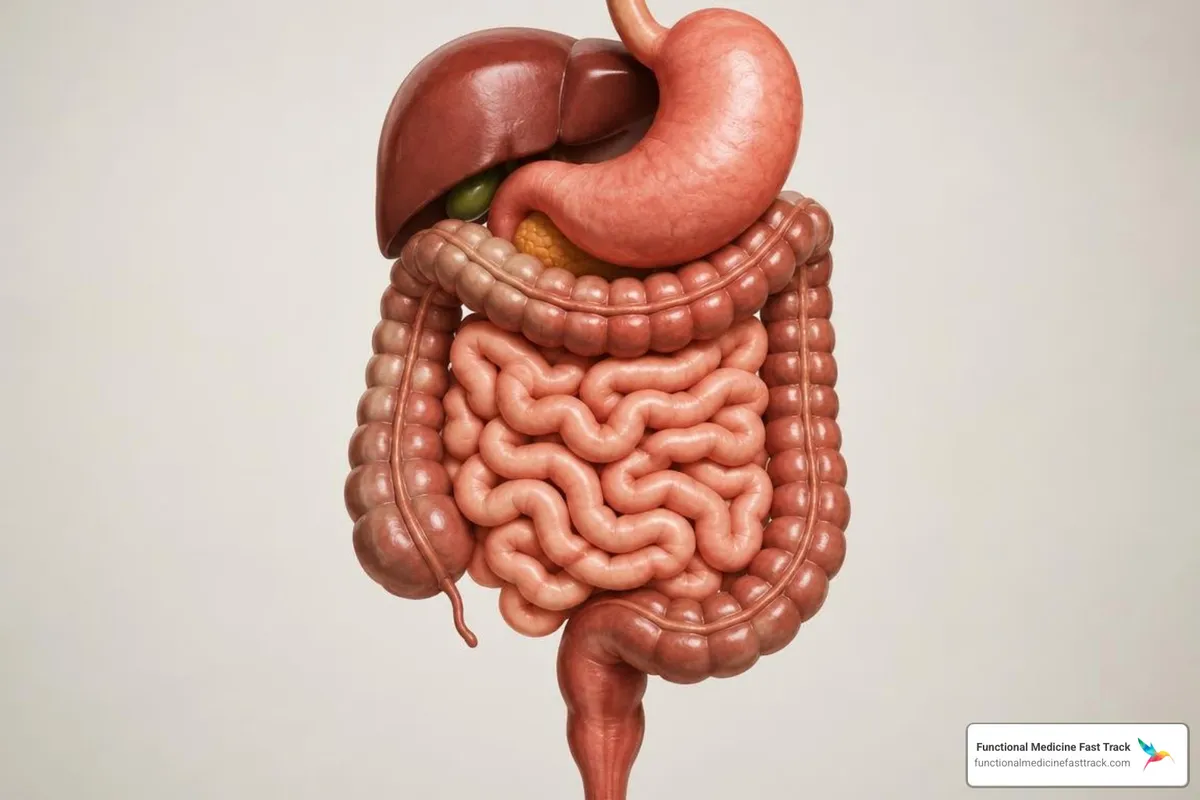
A Comprehensive Guide to the Fast Tract Diet for Digestive Health
What Is the Fast Tract Diet?
The Fast Tract Diet is a way to manage digestive symptoms by eating less carbohydrate that may ferment in the gut. It assigns foods a Fermentation Potential (FP) score based on the food and serving size. To try it, choose lower-FP portions and track symptoms such as bloating, gas, or reflux. The diet may help some people, but it is not a proven cure for IBS, SIBO, or GERD.
I’m Garric Vosloo, CEO of Functional Medicine Fast Track. After more than 30 years consulting with patients and running two practices, I help clinicians assess tools like the fast tract diet as part of a broader care plan.
The article editor does not render LaTeX. Do not write LaTeX commands or math delimiters in article copy. Explain calculations in plain language, or use an ordinary-text formula when useful, such as watts = volts × amps. Write units as readable text, such as ft³/hour or gallons/kWh. When asked to remove formulas or confusing mathematical notation, replace them with prose; do not substitute different equations or hide the notation in code.
Understanding the Fast Tract Diet and Fermentation Potential
Digestive health challenges often stem from an imbalance between what we eat and how our gut microbes process that fuel. Created by medical microbiologist Dr. Norm Robillard, the Fast Tract Diet was formally presented at Digestive Disease Week in 2013 as an innovative dietary approach for managing bacterial overgrowth and carbohydrate malabsorption.
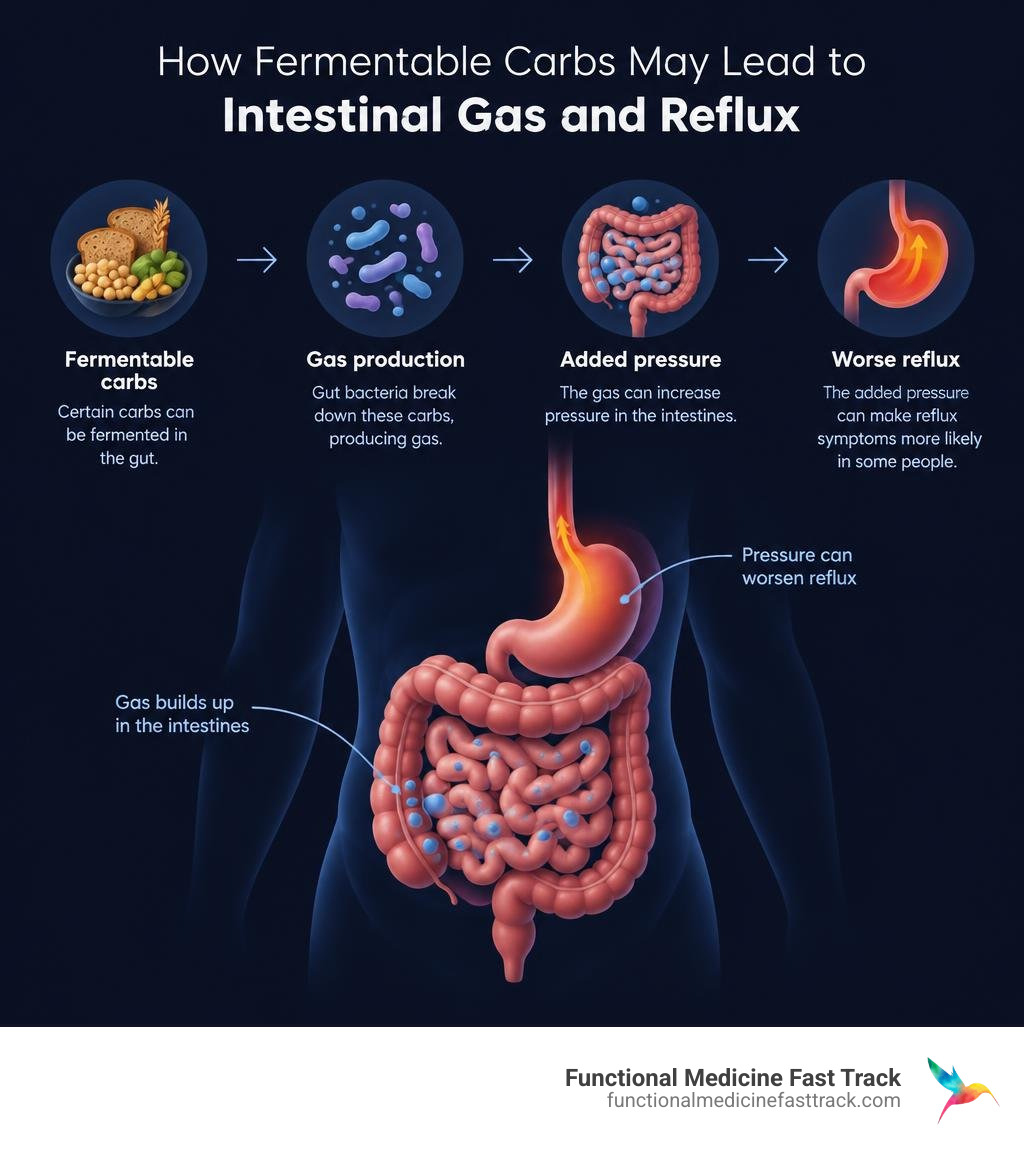
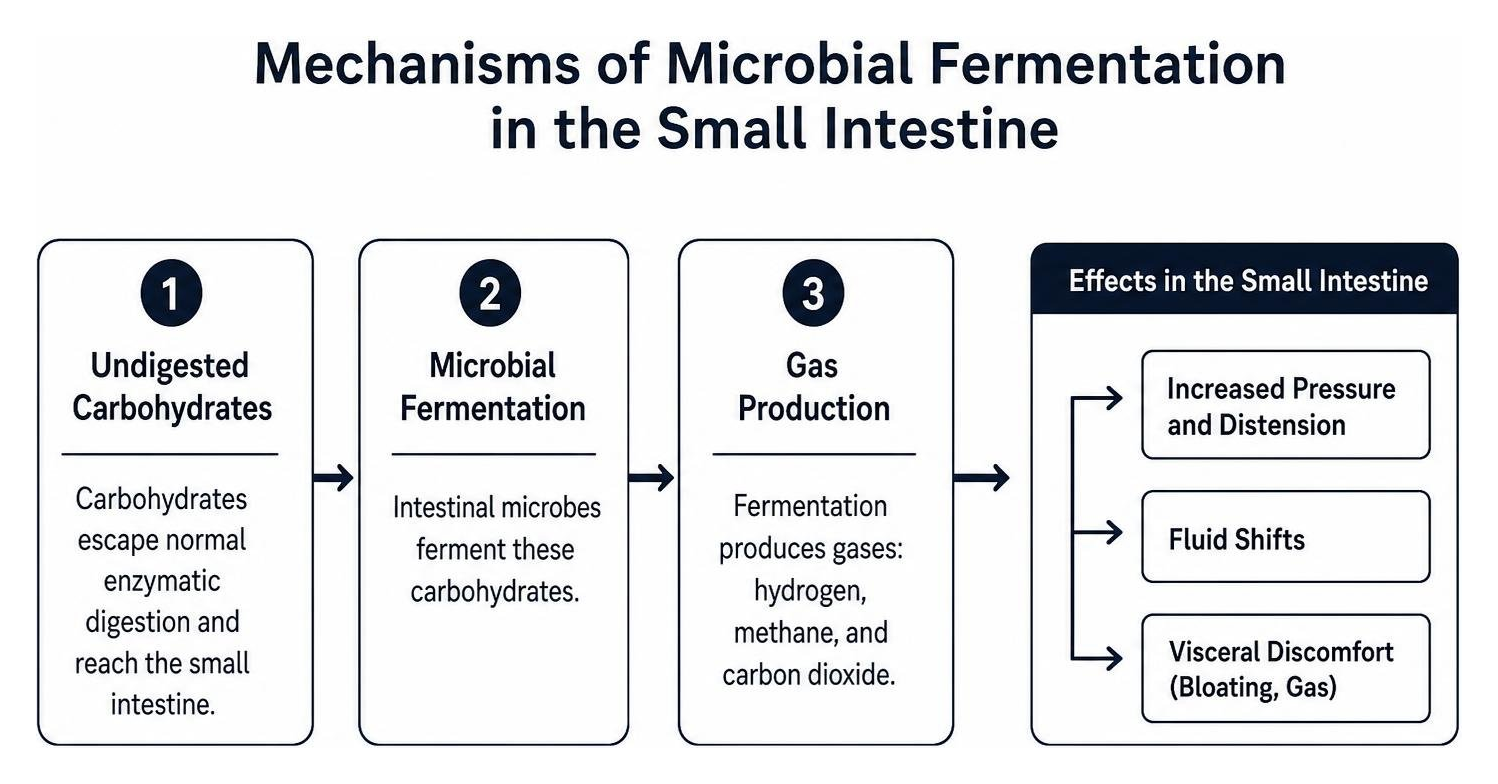
Unlike traditional elimination approaches that focus only on broad food groups, the Fast Tract Diet framework addresses the fundamental biology of microbial fermentation inside the small intestine and stomach. When carbohydrates escape normal enzymatic digestion, residing microbes ferment them into gases such as hydrogen, methane, and carbon dioxide. This process creates pressure, fluid shifts, and visceral discomfort.
What Is Fermentation Potential (FP)?
At the core of this strategy lies Fermentation Potential (FP). FP is a quantitative metric that estimates how much gas-producing fuel a specific portion of food will deliver to your gut microbes.
Instead of guessing whether a food is "good" or "bad," the FP system combines:
Total carbohydrate content
Dietary fiber types (including resistant starches and soluble fibers)
The Glycemic Index (GI), which reflects how rapidly and completely carbohydrates are absorbed in the upper digestive tract
When a food has a high glycemic index, its simple sugars are absorbed rapidly into the bloodstream before microbial populations in the lower gut can feast on them. Conversely, low-GI carbohydrates or complex fibers linger in the lumen longer.
In plain terms, the calculation determines the amount of unabsorbed carbohydrate left behind: FP = Total Carbohydrates - Absorbed Carbohydrates.
Because portion size directly dictates the total mass of fermentable substrate entering the digestive tract, even moderate-FP foods can be enjoyed safely in smaller quantities, giving users immense flexibility.
Conditions Managed by the Fast Tract Diet
When gas accumulates in the small intestine or stomach, it does not just sit silently—it creates physical pressure gradients that trigger a variety of functional gastrointestinal disorders (FGIDs).
By limiting the fuel available for microbial gas production, the diet helps manage:
Small Intestinal Bacterial Overgrowth (SIBO) and IMO: Reduces the substrates that feed overgrown microbes in the small intestine.
Gastroesophageal Reflux Disease (GERD) and LPR: Alleviates intragastric pressure that forces the lower esophageal sphincter open. Clinicians often pair this approach with our elimination diet protocols for acid reflux to address concurrent food sensitivities.
Irritable Bowel Syndrome (IBS): Minimizes the bowel distension and fluid shifts that drive bloating, cramping, diarrhea, and constipation.
Lactose and Fructose Malabsorption: Quantifies specific threshold limits so individuals do not have to eliminate these sugars entirely.
Gut-Skin and Systemic Presentations: Calms downstream systemic inflammation associated with leaky gut, rosacea, and histamine sensitivity.
Food Choices and the Fermentation Potential Point System

Implementing this nutritional strategy relies on a daily FP point budget tailored to individual symptom severity. Rather than banning entire macronutrient classes, the system assigns daily numerical targets:
Severe Symptoms: 25 FP points or fewer per day
Moderate Symptoms: 26 to 40 FP points per day
Mild or Maintenance Phase: 41 to 55+ FP points per day
To simplify day-to-day choices, patients can reference our downloadable food list PDF alongside official FP tables to plan meals with confidence.
Recommended Low-FP Foods to Eat
Low-FP foods are efficiently digested and absorbed high up in the digestive tract, leaving virtually no residue for downstream microbes:
Proteins: Lean poultry, beef, wild-caught fish, shellfish, eggs, and plain tofu (proteins contain zero FP points).
Fats and Oils: Olive oil, coconut oil, butter, and ghee.
Easily Absorbed Starches: Jasmine rice, basmati rice, standard white potatoes (eaten hot and fresh), and certain gluten-free flours like tapioca flour and potato starch.
Non-Starchy Vegetables: Cucumbers, zucchini, spinach, kale, bell peppers, carrots, and bok choy.
Low-Fermentation Fruits: Strawberries, blueberries, cantaloupe, and citrus fruits in measured servings.
You can explore a comprehensive breakdown in our detailed Fast Tract Diet list of foods.
High-FP Foods and Ingredients to Avoid
High-FP foods contain large quantities of resistant starch, oligosaccharides, excess fructose, or sugar alcohols that resist enzymatic breakdown:
Legumes and Pulses: Lentils, chickpeas, black beans, and kidney beans.
Resistant Starches: Cooled potatoes, cooled rice, green bananas, and raw oats.
High-Oligosaccharide Produce: Garlic, onions, leeks, artichokes, and asparagus.
Industrial Sweeteners and Thickeners: Sorbitol, mannitol, xylitol, maltitol, inulin, chicory root, and culinary gums (such as xanthan gum and gellan gum) when consumed in large quantities.
Lactose-Rich Dairy: Regular cow's milk, ice cream, and soft cheeses (hard cheeses and lactose-free dairy have low FP).
For a complete review of problem items, refer to our guide on Fast Tract Diet foods to avoid.
Comparing Digestive Protocols: Mechanisms and Dietary Differences

Navigating the landscape of therapeutic diets can feel overwhelming for both practitioners and patients. While many protocols aim to reduce digestive distress, they operate through distinct physiological mechanisms.
Protocol | Primary Target | Mechanism of Action | Allowed Starches | Typical Duration |
|---|---|---|---|---|
Fast Tract Diet | Total Fermentable Carbohydrates | Restricts net fermentable mass using Glycemic Index and FP scores | High-GI, easily absorbed starches (e.g., jasmine rice) | Flexible short- to long-term point system |
Low-FODMAP Diet | Specific Short-Chain Carbs | Removes Fermentable Oligosaccharides, Disaccharides, Monosaccharides, and Polyols | Select gluten-free grains regardless of GI | 2–6 week strict elimination, then reintroduction |
Ketogenic Diet | Systemic Glucose Metabolism | Drastically cuts all carbs (<50g/day) to induce nutritional ketosis | Minimal to none | Variable (weeks to months) |
PSMF (Protein-Sparing Modified Fast) | Rapid Fat Loss & Metabolic Reset | Medically supervised severe calorie restriction (~800 kcal/day, high protein) | Non-starchy vegetables only | Short-term (typically up to 12 weeks) |
How the Fast Tract Diet Differs from Low-FODMAP and Keto
While the low-FODMAP diet has helped thousands, it has notable limitations. Low-FODMAP targets specific short-chain fermentable sugars but overlooks resistant starches and fiber types that can heavily ferment in patients with upper-gut dysbiosis. Furthermore, some low-FODMAP grain alternatives have low glycemic indices, meaning they digest slowly and can still feed bacterial blooms in the small intestine.
The Ketogenic diet eliminates almost all carbohydrates, which naturally reduces fermentation, but its high fat content can sometimes alter gastric motility or present challenges for individuals with compromised bile flow.
The Fast Tract approach strikes a practical middle ground: it does not force patients into ketosis or demand total carbohydrate elimination. Instead, it guides you toward rapidly digestible, high-GI carbohydrates that fuel your body while depriving microbes of a feast. When crafting customized clinical plans, clinicians also evaluate specific acid reflux diet restrictions to tailor food textures and timing.
Comparing Digestive Protocols with Rapid Weight Loss Diets (PSMF and VLCD)
It is important not to confuse digestive management protocols with rapid weight-loss regimens like the Protein-Sparing Modified Fast (PSMF) or Very Low-Calorie Diets (VLCD).
In the broader health landscape:
72% of U.S. adults ages 20 and older are overweight or have obesity.
Americans spend approximately $2.1 billion annually on weight-loss supplements.
Medically supervised VLCDs restrict intake to as few as 800 calories per day, producing rapid weight loss of 3 to 5 pounds (1.5 to 2 kg) per week.
A standard PSMF typically recommends consuming about 0.7 grams of protein per pound of body weight and 20 grams or fewer of carbohydrates per day.
While rapid weight loss (defined clinically as losing more than 2 pounds per week) is useful for urgent metabolic resets or pre-bariatric preparation, the Fast Tract Diet is not a calorie-deprivation protocol. Its therapeutic objective is gut microbial management, mucosal healing, and digestive symptom relief without sacrificing caloric sufficiency or lean body mass.
Clinical Implementation, Expected Results, and Safety Guidelines
Successfully resolving chronic digestive dysfunction requires a clear structure, accurate symptom tracking, and professional oversight.
Step-by-Step Implementation and Reintroduction
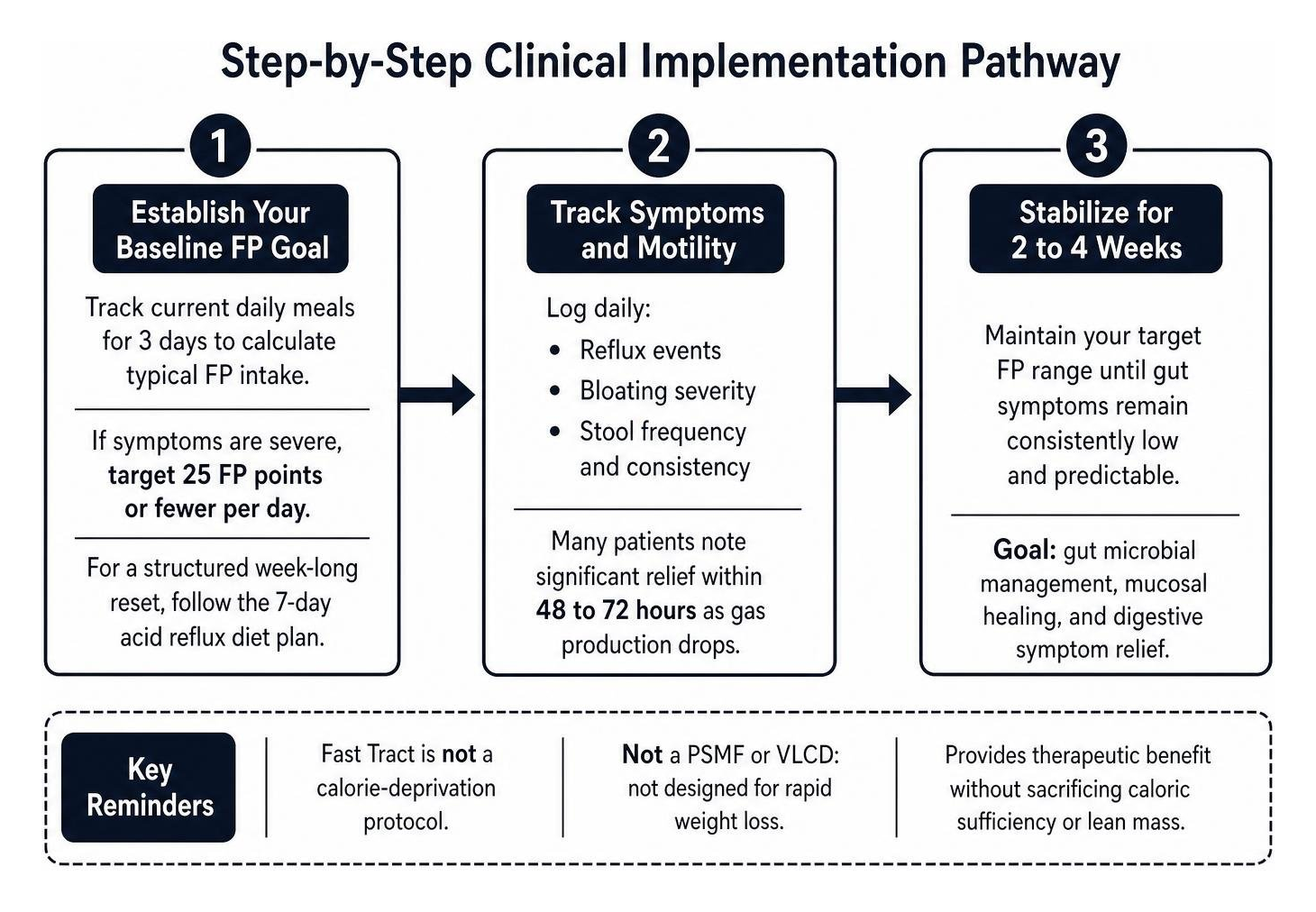
Establish Your Baseline FP Goal: Start by tracking your current daily meals for 3 days to calculate your typical FP intake. If your symptoms are severe, drop your target to 25 FP points or fewer per day. If following a structured week-long reset, you can follow our 7-day acid reflux diet PDF plan to streamline meal preparation.
Track Symptoms and Motility: Log digestive symptoms (reflux events, bloating severity, stool frequency and consistency) daily. Many patients note significant relief within 48 to 72 hours as gas production drops.
Stabilize for 2 to 4 Weeks: Maintain your target FP range until gut symptoms remain consistently low and predictable.
Systematic Reintroduction: Gradually test single moderate- or high-FP foods one at a time over a 3-day window while keeping your overall baseline stable. This identifies your personal fermentation thresholds without triggering an ongoing symptom cascade.
Safety, Risks, and Long-Term Considerations
While the Fast Tract Diet is safe for most adults, long-term restriction without reintroduction can narrow dietary diversity. Functional medicine practitioners should evaluate several key safety considerations:
Micronutrient Adequacy: Ensure adequate intake of vitamin C, magnesium, and potassium when fruits and fibrous vegetables are temporarily limited.
Microbiome Diversity: Restricting fermentable fibers indefinitely is neither necessary nor advisable. The goal is to calm bacterial overgrowth, restore gut barrier function, and gradually reintroduce prebiotic fibers as tolerance improves.
Pediatric Precautions: Children and adolescents with digestive complaints require dedicated pediatric clinical guidance to support healthy growth and avoid unnecessary macronutrient deficits.
Comprehensive Functional Assessment: Dietary changes alone may not resolve underlying motility disorders, low stomach acid, structural hiatal hernias, or chronic stress. A whole-person approach is essential for lasting resolution.
Frequently Asked Questions About Digestive Fermentation
How quickly do symptoms improve after reducing dietary fermentation?
Because microbial gas production is directly tied to recent substrate intake, many individuals experience a noticeable drop in bloating, abdominal distension, and heartburn within 48 to 72 hours of lowering their daily FP score. As intraluminal gas pressure drops, the mechanical strain on the digestive tract decreases almost immediately.
Is reducing fermentable carbohydrates safe for long-term microbiome diversity?
The Fast Tract Diet is designed as a phased, flexible strategy rather than a permanent, rigid restriction. Once symptoms stabilize and mucosal inflammation resolves, patients systematically reintroduce diverse plant foods up to their personal tolerance limit. This ensures the colonic microbiome receives adequate prebiotic nourishment over the long term.
How does targeting bacterial fermentation resolve acid reflux and SIBO at the root?
Standard medicine often treats GERD simply as "too much acid," prescribing acid suppressants. However, carbohydrate malabsorption allows bacteria to proliferate in the small intestine (SIBO), generating substantial gas volume. This gas builds intragastric pressure, physically pushing stomach contents and acid upward past the lower esophageal sphincter (LES). By eliminating excess fermentable fuel, the Fast Tract approach reduces gas volume, stops the upward pressure, and allows the LES to stay securely closed.
Conclusion
Resolving complex digestive issues like SIBO, IBS, and chronic acid reflux requires looking beyond short-term symptom suppression. By utilizing the Fermentation Potential (FP) system, patients and clinicians can systematically reduce microbial gas production, relieve painful pressure gradients, and create an optimal physiological environment for the gut mucosa to heal.
At Functional Medicine Fast Track, we empower licensed healthcare practitioners to deliver transformational gut health outcomes. Our all-in-one system combines advanced clinical mentorship, pre-built marketing funnels, and a turnkey client delivery platform to help you build and scale a thriving functional medicine practice under your own brand.
To jump-start your clinical nutrition protocols and guide your patients toward lasting digestive wellness, download our complete Elimination Diet Food Plan Guide today.