
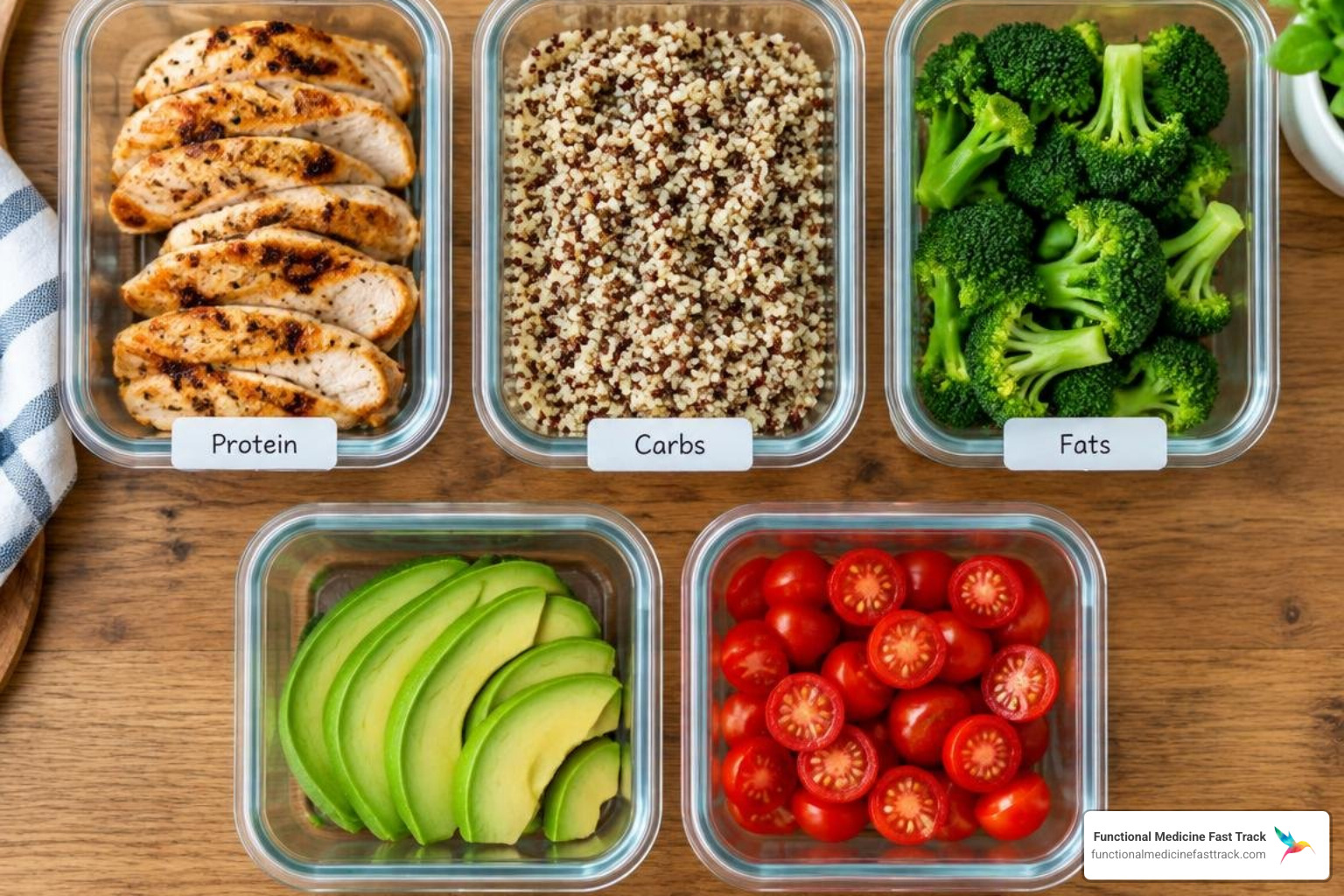
10 Tips and Tricks to Download a Food List PDF Fast
Why Structured Dietary Lists Accelerate Health Goals
To download a food list PDF fast, start with a structured clinical resource such as the Master Grocery List, then save it as a fillable PDF, organize it by store perimeter, and print or sync it to your phone before shopping. This turns vague nutritional advice into focused, repeatable shopping habits and reduces decision fatigue in modern grocery aisles, where highly processed convenience items line middle aisles and make consistent dietary habits harder to maintain.
The public health landscape in 2026 highlights why structured nutrition matters:
Nearly 90% of healthcare spending goes toward treating individuals with chronic, preventable diseases.
More than 70% of American adults are overweight or obese.
Nearly one in three adolescents between the ages of 12 and 17 meets the criteria for prediabetes.
Standard federal benchmarks, including the 2025–2030 Dietary Guidelines for Americans, emphasize nutrient density, whole foods, and clear portion awareness. For example, evidence supports a daily protein target of 1.2 to 1.6 grams per kilogram of body weight to preserve lean muscle mass, support metabolic function, and stabilize blood glucose.
A well-designed food list bridges the gap between these targets and day-to-day shopping. It organizes whole foods into clear categories, preventing impulse purchases and providing a practical reference for balanced, home-cooked meals.
Core Categories to Include in Your Food List PDF
A comprehensive food list organizes ingredients by biological role and grocery store layout. The table below outlines core dietary categories, daily targets based on a standard 2,000-calorie Mediterranean-style whole-food framework, and practical portion baselines:
Food Category | Daily / Weekly Target (2,000 kcal baseline) | Primary Health Benefit | Top Nutrient-Dense Choices |
|---|---|---|---|
Non-Starchy Vegetables | 3+ servings/day (aim for 5 total) | Micronutrients, polyphenol diversity, gut motility | Arugula, kale, broccoli, asparagus, bell peppers |
Low-Glycemic Fruits | 2–3 servings/day | Cellular hydration, antioxidants, prebiotic fiber | Wild blueberries, blackberries, raspberries, green apples |
Lean & Pastured Proteins | 1.2–1.6 g/kg body weight daily | Tissue repair, enzyme synthesis, satiety | Wild salmon, pasture-raised chicken, turkey, eggs (up to 4/week) |
Legumes & Plant Proteins | 2–3 servings/week | Soluble fiber, short-chain fatty acid production | Lentils, chickpeas, black beans, organic tempeh |
Whole Grains & Starches | 2–4 servings/day | Sustained glycogen replenishment, B vitamins | Quinoa, wild rice, steel-cut oats, buckwheat |
Healthy Fats & Oils | 2–4 tablespoons/day | Cell membrane integrity, fat-soluble vitamin uptake | Extra virgin olive oil, avocado oil, whole avocados |
Nuts & Seeds | 1–2 servings/day (30 g or 1 oz each) | Essential fatty acids, trace minerals (selenium, zinc) | Walnuts, almonds, chia seeds, pumpkin seeds |
Quality Dairy / Cultured Foods | Up to 3 servings/day | Calcium bioavailability, probiotic gut support | Plain kefir, Greek yogurt, sheep/goat feta |
Hydration & Herbal Infusions | 2–3 liters/day | Waste clearance, cellular metabolism | Filtered water, mineral water, green tea, hibiscus tea |
Sodium intake should remain below 2,300 mg per day for general populations aged 14 and above, ideally sourced through natural unrefined sea salt rather than packaged preservatives.
Essential Macronutrients, Healthy Fats, and Micronutrient-Dense Produce
A balanced whole-foods diet relies on varied, colorful produce. Dark leafy greens like collards, watercress, and spinach provide rich sources of folate and vitamin K. Cruciferous vegetables—including broccoli, Brussels sprouts, and cauliflower—contain sulforaphane, supporting normal hepatic detoxification pathways.
Healthy dietary fats should focus primarily on cold-pressed extra virgin olive oil, which contains heart-healthy monounsaturated oleic acid and polyphenols. Cold-water fatty fish such as wild salmon, mackerel, and sardines supply long-chain EPA and DHA omega-3 fatty acids. These nutrients support balanced inflammatory signaling and cell membrane fluidity.
Rotating whole foods weekly—such as swapping almonds for Brazil nuts or brown rice for buckwheat—nourishes a diverse gut microbiome, which is central to long-term metabolic health.

Low-Glycemic "Free Foods", Beverages, and Smart Condiments
"Free foods" are low-energy, non-starchy items that provide flavor and volume without causing rapid blood sugar spikes. Incorporating these foods makes it easier to stay satisfied between meals:
Non-Starchy Vegetables: Cucumbers, celery, radishes, zucchini, and raw salad greens.
Acids & Vinegars: Raw unpasteurized apple cider vinegar, fresh lemon juice, and lime juice.
Herbs & Spices: Fresh rosemary, turmeric, basil, cilantro, ginger, and garlic.
Fermented Condiments: Unsweetened whole-grain mustard, raw fermented sauerkraut, and kimchi.
Hydration: Pure water infused with cucumber slices, sparkling water, and unsweetened herbal teas.
When choosing sweeteners, minimize refined sugars and artificial additives. Small amounts of raw honey or pure maple syrup can be used occasionally, while monk fruit or organic stevia extract provide plant-based, zero-glycemic sweetness.
10 Tips and Tricks to Find, Customize, and Download Printable Guides
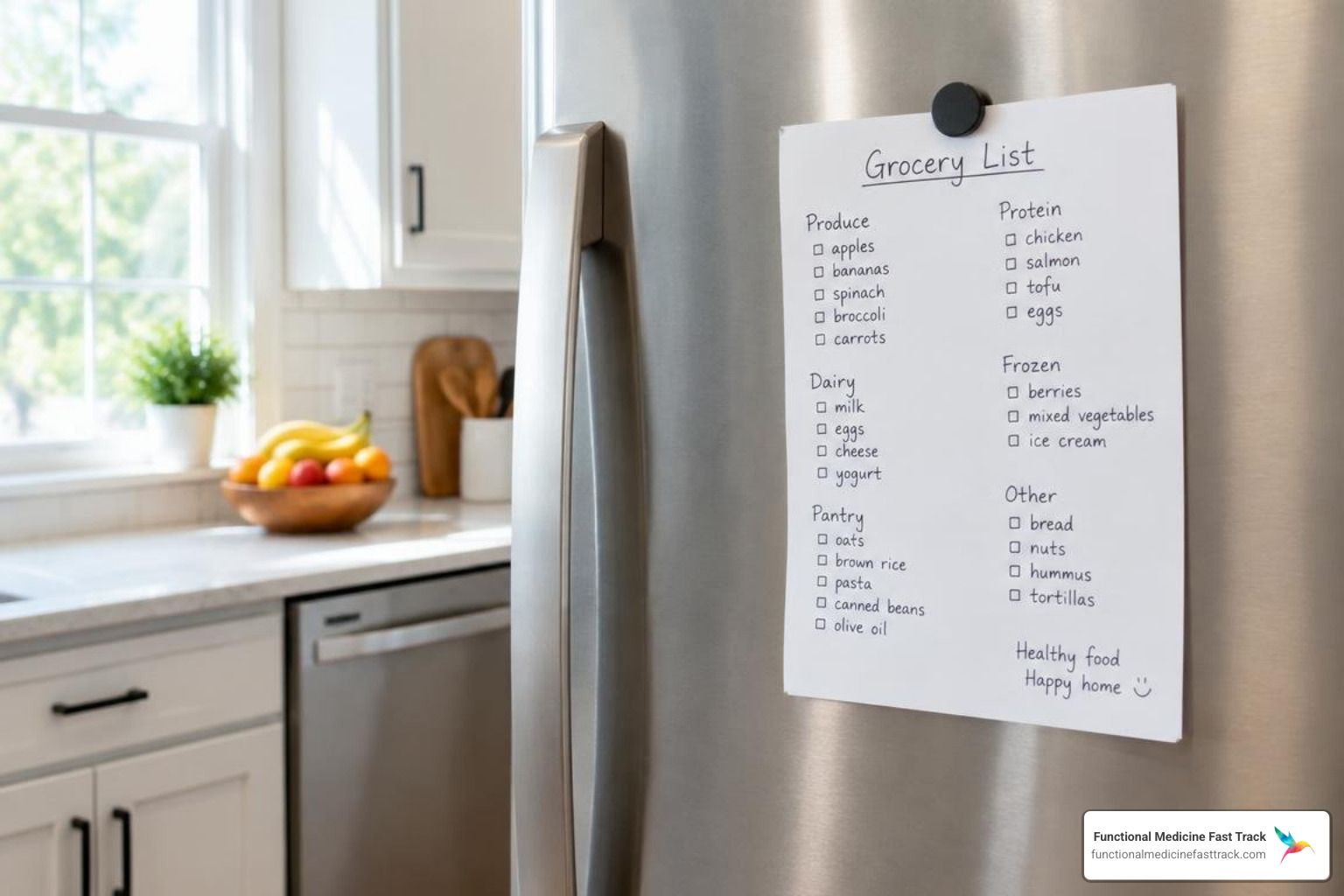
Prioritize Fillable PDF Formats: Look for documents with interactive checkboxes and blank fields. This allows you to add specific items or remove allergens before printing.
Optimize Print Layout Settings: Print in landscape orientation or choose "Fit to Printable Area." This keeps multi-category lists organized across one or two easy-to-read pages.
Organize by Store Perimeter: Arrange your PDF according to supermarket sections—Produce, Meat/Seafood, Refrigerated/Fermented, and Dry Bulk/Spices. This speeds up shopping and keeps you out of processed food aisles.
Leverage Cloud Syncing: Save your PDF to services like Google Drive, iCloud, or Dropbox so you can access and update your list from a smartphone while shopping.
Annotate with Built-In Mobile Tools: Use native PDF markup features on your phone to cross off items or add quick notes during your grocery run.
Use Barcode-Compatible Guides: Select templates that link ingredients to nutrition tracking databases via quick-response codes for streamlined meal planning.
Batch-Download Phase Templates: When following phased protocols, download the elimination, reintroduction, and maintenance lists together so you have the complete progression ready.
Verify Clinical Sources: Choose templates curated by licensed healthcare providers, registered dietitians, or academic health systems to ensure sound nutritional standards.
Color-Code Macronutrients: Use PDF highlighting tools to mark proteins in red, healthy fats in yellow, and plant fibers in green. This helps you balance each meal visually at a glance.
Laminate for Kitchen Durability: Keep a printed, laminated copy on your refrigerator. Use a dry-erase marker to track weekly staples and inventory needs without reprinting.
How to Customize a Clean Eating Food List PDF
Adapting a general checklist into a clean eating template means focusing on unprocessed, unrefined foods. Aim for organic options for produce items with higher pesticide residues, and select grass-fed, pasture-raised, or wild-caught animal proteins whenever possible.
Take time to read ingredient panels on packaged pantry goods. Look out for hidden additives, industrial seed oils, and added sugars like high-fructose corn syrup or maltodextrin. When navigating personal food triggers, a structured elimination diet food list helps identify underlying sensitivities while keeping daily meals simple and nourishing.
Therapeutic Protocols: From AIP to a Keto Food List PDF
Different health conditions require specific dietary parameters:
Autoimmune Protocol (AIP): AIP temporarily eliminates common immune-triggering foods—including grains, dairy, legumes, nightshades (tomatoes, peppers, eggplants, potatoes), eggs, nuts, and seeds. The official AIP Core Food List highlights healing foods such as nutrient-dense organ meats, leafy vegetables, bone broth, and fermented foods.
Ketogenic Approach: A clinical Keto Food List PDF focuses on keeping total carbohydrates below 20 grams of net carbs daily. This shifts energy metabolism toward ketones by prioritizing healthy fats, non-starchy vegetables, and moderate protein while excluding high-sugar fruits and grains.
Aligning Downloadable Checklists with Clinical Dietary Protocols
Food list PDFs serve as practical clinical roadmaps. In functional medicine, dietary templates simplify complex elimination and reintroduction protocols into clear, manageable steps.
When working through small intestinal bacterial overgrowth (SIBO) or digestive symptoms, understanding carbohydrate fermentation potential is key. Reviewing a targeted Fast Tract diet list of foods helps clarify which carbohydrate types to consume. At the same time, referencing Fast Tract diet foods to avoid prevents accidental consumption of hard-to-digest starches that can cause gas, bloating, and dysbiosis.
Nutritional interventions also play a role in systemic health beyond the gut. Food intolerances and fluctuating blood glucose can drive systemic inflammation, which often contributes to mood and energy imbalances. Using a structured elimination diet for anxiety helps pinpoint specific dietary triggers that may be driving nervous system stress. For a comprehensive overview of how to plan, implement, and track this clinical journey, explore our complete elimination diet online guide.
Frequently Asked Questions About Nutrition Templates
How do I ensure my food list PDF matches my daily caloric and macronutrient needs?
A food list outlines the quality and types of foods to eat, while portion sizes determine overall caloric intake. To align a printable list with your personal targets, calculate your baseline protein needs (1.2–1.6 g/kg of body weight daily) and note your target serving sizes directly in the margin next to each protein, starch, and fat category.
What makes a therapeutic food list different from a standard grocery shopping checklist?
Standard grocery checklists organize common household and supermarket items. Therapeutic food lists are structured around specific clinical goals—such as removing potential allergens, reducing gut-fermentable carbohydrates, or managing glycemic response. They define both approved foods and specific items to avoid to help reduce inflammation or support microbiome balance.
Can I edit a downloaded food list PDF to accommodate food allergies?
Yes. Most modern PDF readers include tools to add text, highlight items, or strike through text. If you have an allergy to specific foods like tree nuts, shellfish, or nightshades, simply cross them off your template or replace them with safe alternatives before printing your shopping guide.
Conclusion
A well-structured food list turns clinical nutrition principles into a straightforward, everyday grocery plan. Focusing on nutrient-dense whole foods, balanced macronutrients, and high-quality ingredients builds a strong foundation for long-term health and metabolic vitality.
Whether you want to simplify weekly grocery trips or identify specific food sensitivities, having an organized reference makes all the difference. Download our complimentary Functional Medicine Elimination Diet Food Plan to start building your personalized, whole-food nutrition plan today.