
The Anti-Inflammatory Food List PDF That Makes Healthy Eating Simple
Download a Practical Anti-Inflammatory Food List PDF
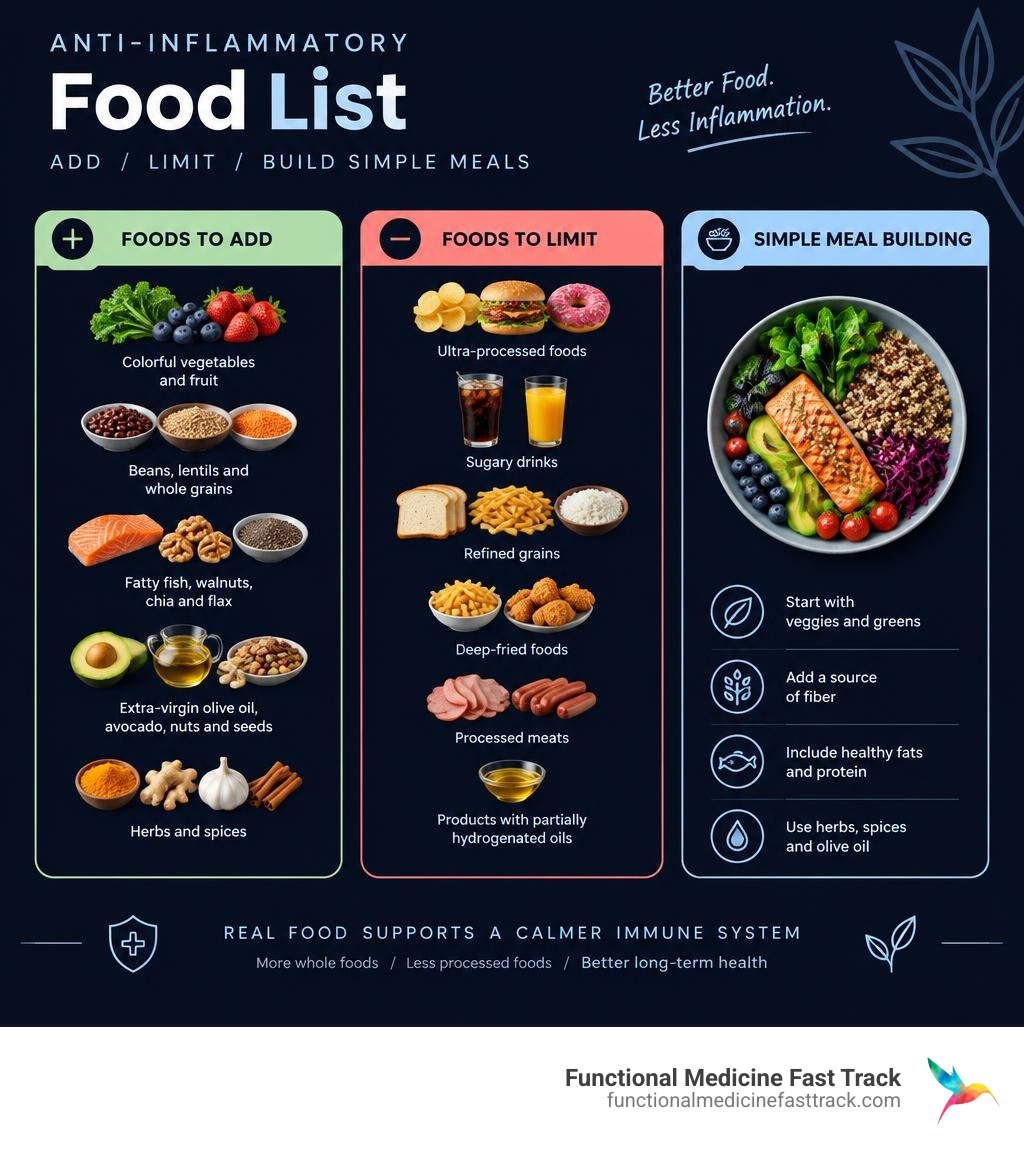
An anti-inflammatory food list PDF makes grocery shopping and meal planning easier. Build most meals from these foods:
Colorful vegetables and fruit, especially leafy greens and berries
Beans, lentils, and whole grains for fiber
Fatty fish, walnuts, chia, and flax for omega-3 fats
Extra-virgin olive oil, avocado, nuts, and seeds
Herbs and spices such as turmeric, ginger, garlic, and cinnamon
Limit ultra-processed foods, sugary drinks, refined grains, deep-fried foods, processed meats, and products with partially hydrogenated oils. The goal is not a perfect diet. It is to make whole, fiber-rich foods the default more often.
Inflammation is part of normal immune defense and tissue repair. But when inflammatory signaling stays active for months or years, it can contribute to conditions such as cardiovascular disease, type 2 diabetes, and inflammatory joint disease. Food is not a standalone treatment, but it is a practical root-cause lever clinicians can use alongside sleep, movement, stress care, and medical treatment.
I am Garric Vosloo, CEO of Functional Medicine Fast Track, with more than 30 years of clinical consulting experience and work with Olympic athletes since 2000. I help licensed professionals turn tools like an anti-inflammatory food list PDF into clear, client-ready nutrition guidance that supports consistent care.
Understanding Inflammation: Acute vs. Chronic Mechanisms and Disease Risk
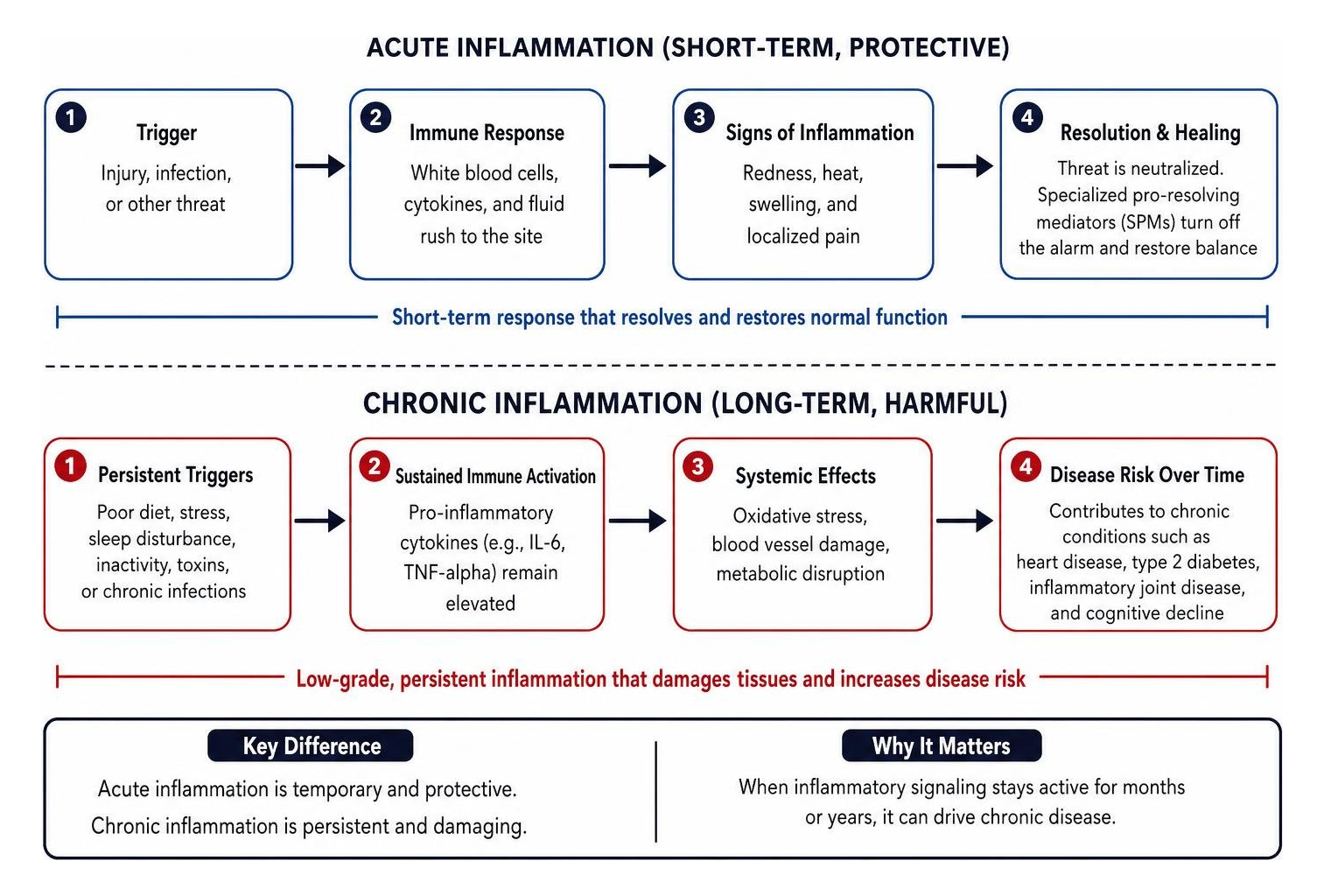
To use nutrition effectively, we must first distinguish between the two primary faces of our immune response: acute and chronic inflammation.
Acute inflammation is your body’s short-term defense mechanism. When you scrape your knee or catch a viral bug, your immune system rushes white blood cells, cytokines, and fluid to the site. You experience classic signs of tissue repair: redness, heat, swelling, and localized pain. Once the threat is neutralized and healing is complete, the body produces specialized pro-resolving mediators (SPMs) that turn off the alarm.
Chronic inflammation, by contrast, is a low-grade, persistent immune activation that fails to shut off. Instead of healing tissue, lingering pro-inflammatory cytokines—such as interleukin-6 (IL-6) and tumor necrosis factor-alpha (TNF-alpha)—circulate continuously through the bloodstream. Over months and years, this systemic smolder drives oxidative stress, damages blood vessels, and disrupts metabolic signaling.
Globally, over half of all deaths are attributed to chronic inflammatory diseases. Yet research suggests that over 60% of chronic conditions could be prevented by adopting healthy lifestyle patterns, starting with what sits on our plates.
Impact on Chronic Diseases: Arthritis, Heart Disease, and Cognitive Health
When inflammatory pathways stay continuously active, nearly every organ system feels the strain:
Rheumatoid Arthritis (RA) and Joint Pain: Elevated cytokines degrade cartilage and trigger synovial swelling. Studies show that within three months of adopting an anti-inflammatory eating pattern, patients with rheumatoid arthritis experience tangible symptom relief, including reduced joint tenderness, less morning stiffness, and improved mobility.
Cardiovascular Disease: Chronic vascular inflammation destabilizes arterial plaques and accelerates atherosclerosis. An anti-inflammatory diet rich in monounsaturated fats and polyphenols helps lower high-sensitivity C-reactive protein (hs-CRP) and protects the vascular endothelium.
Type 2 Diabetes and Metabolic Syndrome: Systemic inflammatory signals block insulin receptor substrates, driving insulin resistance. Replacing refined carbohydrates with high-fiber whole foods stabilizes postprandial glucose and improves cellular insulin sensitivity.
Neurodegenerative and Cognitive Disorders: Chronic systemic cytokines cross the blood-brain barrier, triggering microglial activation and neuroinflammation. Neuroprotective research on the MIND diet demonstrates that high adherence to an anti-inflammatory dietary pattern is associated with a later age of Parkinson’s disease diagnosis and preserves cognitive function.
Debunking Nutrition Myths: The Truth About Nightshade Vegetables
A widespread misconception in the wellness space is that everyone must eliminate nightshade vegetables—such as tomatoes, eggplants, bell peppers, and potatoes.
The concern stems from naturally occurring compounds called alkaloids (specifically solanine). While high concentrations of alkaloids can be toxic, the trace amounts found in standard culinary servings of ripe nightshades are generally harmless and do not provoke systemic inflammation in the vast majority of people.
In fact, nightshades are nutritional powerhouses. Tomatoes provide concentrated amounts of lycopene—a potent antioxidant whose bioavailability increases when cooked with extra virgin olive oil. Bell peppers deliver exceptionally high levels of vitamin C. Unless an individual has an identified personal sensitivity during a targeted elimination and reintroduction phase, nightshades deserve a regular spot on your plate.
The Comprehensive Anti-Inflammatory Food List PDF and Nutritional Guide
Navigating food choices becomes straightforward when you compare nutrient-dense, restorative ingredients against inflammatory dietary drivers:
Food Category | Anti-Inflammatory Champions (Add Often) | Pro-Inflammatory Triggers (Limit or Avoid) |
|---|---|---|
Fats & Oils | Extra virgin olive oil, avocado oil, wild cold-water fish oils | Partially hydrogenated oils (trans fats), refined corn, soybean, and cottonseed oils |
Proteins | Wild salmon, mackerel, sardines, pastured poultry, legumes, bone broth | Heavily processed meats (hot dogs, sausages, deli cuts with nitrates), charred meats |
Carbohydrates | Berries, leafy greens, cruciferous vegetables, sweet potatoes, quinoa, oats | Refined white flour, pastries, high-fructose corn syrup, sugary breakfast cereals |
Beverages | Filtered water, organic green tea, black tea, bone broth | Soda, energy drinks, sweetened fruit juices, excessive alcohol |
Flavorings | Turmeric, ginger, garlic, rosemary, cinnamon, fermented sauces | Artificial flavorings, high-sodium ultra-processed marinades, refined sugar glazes |
Core Healing Foods to Include in Your Anti-Inflammatory Food List PDF
When stocking your kitchen, prioritize these core nutrient categories that actively quiet inflammatory signaling cascades:
Cold-Water Fatty Fish: Salmon, mackerel, anchovies, sardines, and herring are dense sources of eicosapentaenoic acid (EPA) and docosahexaenoic acid (DHA). These omega-3 fatty acids directly compete with pro-inflammatory arachidonic acid, lowering CRP and IL-6.
Dark Leafy Greens & Cruciferous Veggies: Spinach, kale, Swiss chard, broccoli, and Brussels sprouts contain sulforaphane, carotenoids, and vitamins A, C, and K, which buffer oxidative stress.
Polyphenol-Dense Berries: Blueberries, blackberries, and raspberries deliver anthocyanins that neutralize free radicals and support gut-barrier integrity.
Extra Virgin Olive Oil (EVOO): Unrefined EVOO contains oleocanthal, a natural phenolic compound that exhibits anti-inflammatory properties remarkably similar to low-dose ibuprofen.
Therapeutic Spices (Turmeric & Ginger): Curcumin, the active compound in turmeric, downregulates the NF-kB pathway. Pairing turmeric with black pepper (piperine) enhances curcumin absorption by up to 2,000%. To explore ranked anti-inflammatory values for common kitchen spices and pantry staples, refer to this evidence-based anti-inflammatory IF rating food guide.
Prebiotics and Fermented Foods: Sauerkraut, kimchi, kefir, asparagus, and onions feed beneficial gut microbes, prompting the synthesis of short-chain fatty acids (SCFAs) like butyrate that suppress inflammatory cytokines.
For those tailoring their choices around food sensitivities or digestive distress, cross-referencing our elimination diet food list and reviewing the Fast Tract Diet list of foods provides specialized guidance for gut-friendly options.
Foods to Avoid on an Anti-Inflammatory Food List PDF
Just as important as adding healing foods is minimizing dietary drivers that provoke gut dysbiosis, insulin spikes, and vascular irritation:
Added Sugars & High-Fructose Corn Syrup: The American Heart Association recommends capping added sugars at 25 grams (6 teaspoons / 100 calories) daily for women and 38 grams (9 teaspoons / 150 calories) daily for men. A single 12-ounce can of soda exceeds this limit immediately, driving hepatic fat accumulation and cytokine release.
Industrial Seed Oils & Trans Fats: Modern Western diets supply a skewed omega-6 to omega-3 ratio between 14:1 and 25:1, far removed from the ancestral 2:1 ratio. Highly refined corn, soybean, and cottonseed oils supply excess linoleic acid, while artificial trans fats disrupt cell membrane fluidity.
Processed and Charred Meats: Cured meats packed with nitrates and meats cooked at extreme temperatures form advanced glycation end-products (AGEs) and heterocyclic amines, irritating the gut and vascular lining.
To avoid hidden gut triggers and inflammatory additives during meal planning, check out the Fast Tract Diet foods to avoid resource.
Structured Eating Patterns, Meal Planning, and Lifestyle Strategies
An anti-inflammatory lifestyle does not require extreme caloric restriction. It focuses on well-researched patterns such as the Mediterranean, DASH, and MIND diets.
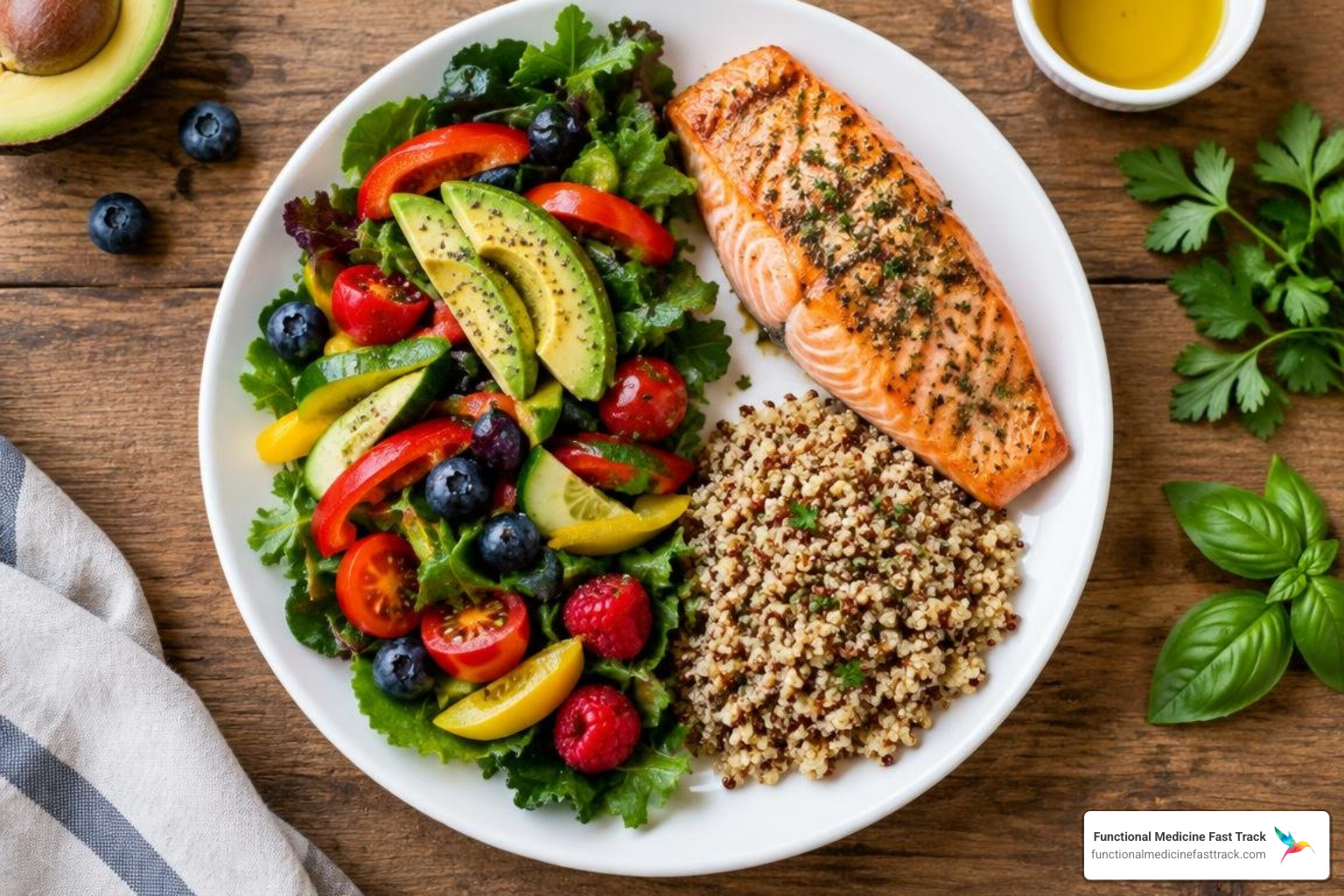
A simple visual model is the Anti-Inflammatory Plate Method:
50% of your plate: Colorful, non-starchy vegetables and fruits (aiming for a rainbow of phytonutrients).
25% of your plate: High-quality protein (wild-caught seafood, pasture-raised poultry, or legumes).
25% of your plate: Fiber-rich complex carbohydrates (quinoa, sweet potatoes, wild rice, or lentils).
Flavor and Cooking: Incorporate 1–2 tablespoons of healthy fats (EVOO, avocado, nuts) and generous herbs.
Meeting Fiber Targets: The average Western diet provides only about 30% of optimal daily fiber. Women aged 19–50 should target 25g daily (21g if over 50), while men aged 19–50 should aim for 38g daily (30g if over 50). Fiber acts like a broom in the digestive tract, binding waste products and feeding SCFA-producing microbes.
Gentle Cooking Techniques: Avoid high-heat charring and deep frying. Instead, favor gentle methods like steaming, poaching, slow cooking, braising, and low-heat sautéing in water or bone broth, finishing meals with a drizzle of unheated extra virgin olive oil.
Daily Meal Assembly and Practical Food Swaps
Upgrading your meals is about simple swaps rather than deprivation:
Breakfast: Swap sugary instant oatmeal or pastries for a bowl of steel-cut oats topped with ground flaxseed, walnuts, and wild blueberries—or a pasture-raised vegetable scramble with spinach and avocado.
Lunch: Swap a fast-food sandwich for a large salad of dark leafy greens, canned wild sardines or salmon, cucumbers, pumpkin seeds, and a dressing made of extra virgin olive oil and fresh lemon juice.
Dinner: Swap fried beef and white rice for baked wild salmon, roasted sweet potatoes, and steamed broccoli tossed with garlic and extra virgin olive oil.
Beverages: Replace afternoon sodas with organic green or black tea. Drinking three cups of tea daily provides abundant catechins and polyphenols, associated with a 10% to 20% reduction in cardiovascular disease and stroke risk.
When chronic symptoms resist basic dietary improvements, underlying food intolerances may be at play. Walking through our elimination diet online guide 2026 or joining a structured elimination diet program provides the framework needed to pinpoint individual triggers.
Non-Dietary Habits That Lower Systemic Inflammation
Nutrition is a powerful foundation, but lifestyle factors also dictate baseline inflammation:
Regular Physical Activity: Engaging in moderate aerobic exercise combined with strength training prompts skeletal muscles to release myokines, which exhibit systemic anti-inflammatory actions.
Restorative Sleep (7–9 Hours): Sleep deprivation elevates circulating IL-6 and TNF-alpha while disrupting evening cortisol rhythms.
Chronic Stress Management: Persistent psychological stress keeps the sympathetic nervous system active, depleting gut barrier defenses. Modalities such as breathwork, nature walks, and nervous system regulation support systemic recovery. Many individuals also discover a strong gut-brain connection when using an elimination diet for anxiety to calm both gut inflammation and neurochemical stress.
Frequently Asked Questions About Lowering Inflammation
How long does it take for an anti-inflammatory diet to show results?
Many people experience initial shifts—such as reduced digestive bloating, clearer mental energy, and improved sleep quality—within 2 to 4 weeks of eliminating ultra-processed foods.
For chronic joint stiffness, skin conditions, and measurable biomarker changes, sustained adherence over 8 to 12 weeks is typically needed for tissue turnover and deeper immune modulation.
How do you measure and track systemic inflammation levels?
Clinical progress is tracked by combining subjective symptom assessments with routine functional blood panels:
hs-CRP (high-sensitivity C-reactive protein): An ideal baseline is below 1.0 mg/L; levels between 1.0–3.0 mg/L indicate moderate risk, while levels above 3.0 mg/L reflect high systemic inflammation.
ESR (Erythrocyte Sedimentation Rate): Reflects general inflammatory activity and red blood cell clustering over time.
Fasting Insulin and HbA1c: Monitors glycemic control, as glucose fluctuations accelerate oxidative stress.
Serum Ferritin: Evaluated alongside liver panels as an acute-phase inflammatory reactant.
Are coffee and tea anti-inflammatory or pro-inflammatory?
Both green and black teas, as well as organic black coffee, are naturally anti-inflammatory due to high concentrations of polyphenols (such as chlorogenic acid in coffee and epigallocatechin gallate, or EGCG, in green tea).
They become pro-inflammatory only when loaded with refined sugars, artificial syrups, and hydrogenated creamers, or if individual caffeine sensitivity causes an excessive cortisol spike.
Conclusion
Lowering chronic inflammation is not about adhering to short-term, unsustainable restrictions. It is about building a nourishing daily pattern that supplies your body with antioxidants, essential fatty acids, and gut-restoring fiber.
By stocking your kitchen with nutrient-dense whole foods and keeping inflammatory triggers to a minimum, you give your immune system the exact tools it needs to thrive.
To take the next step and download our complete clinical food protocol, access our downloadable elimination diet food plan PDF to begin your personal wellness journey today.