
Cheat Sheet to Acid Reflux Diet: Foods to Avoid
Acid Reflux Diet: What to Avoid First
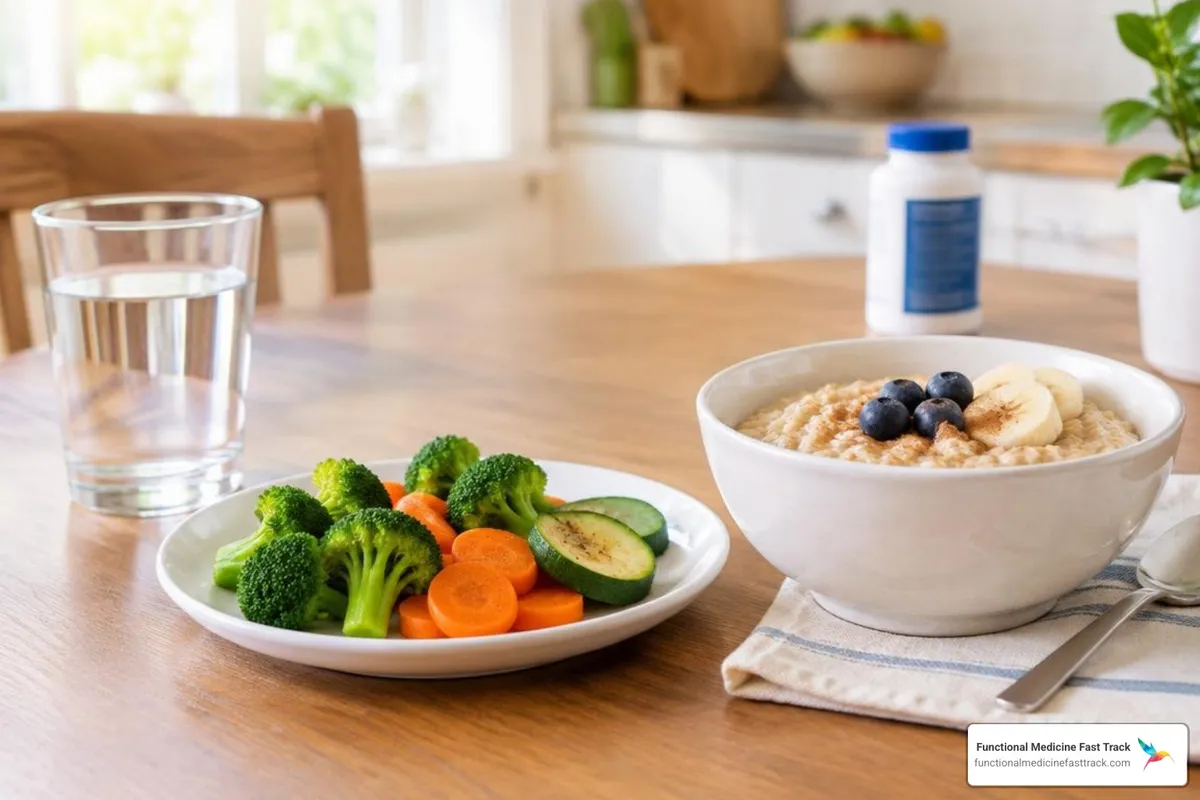
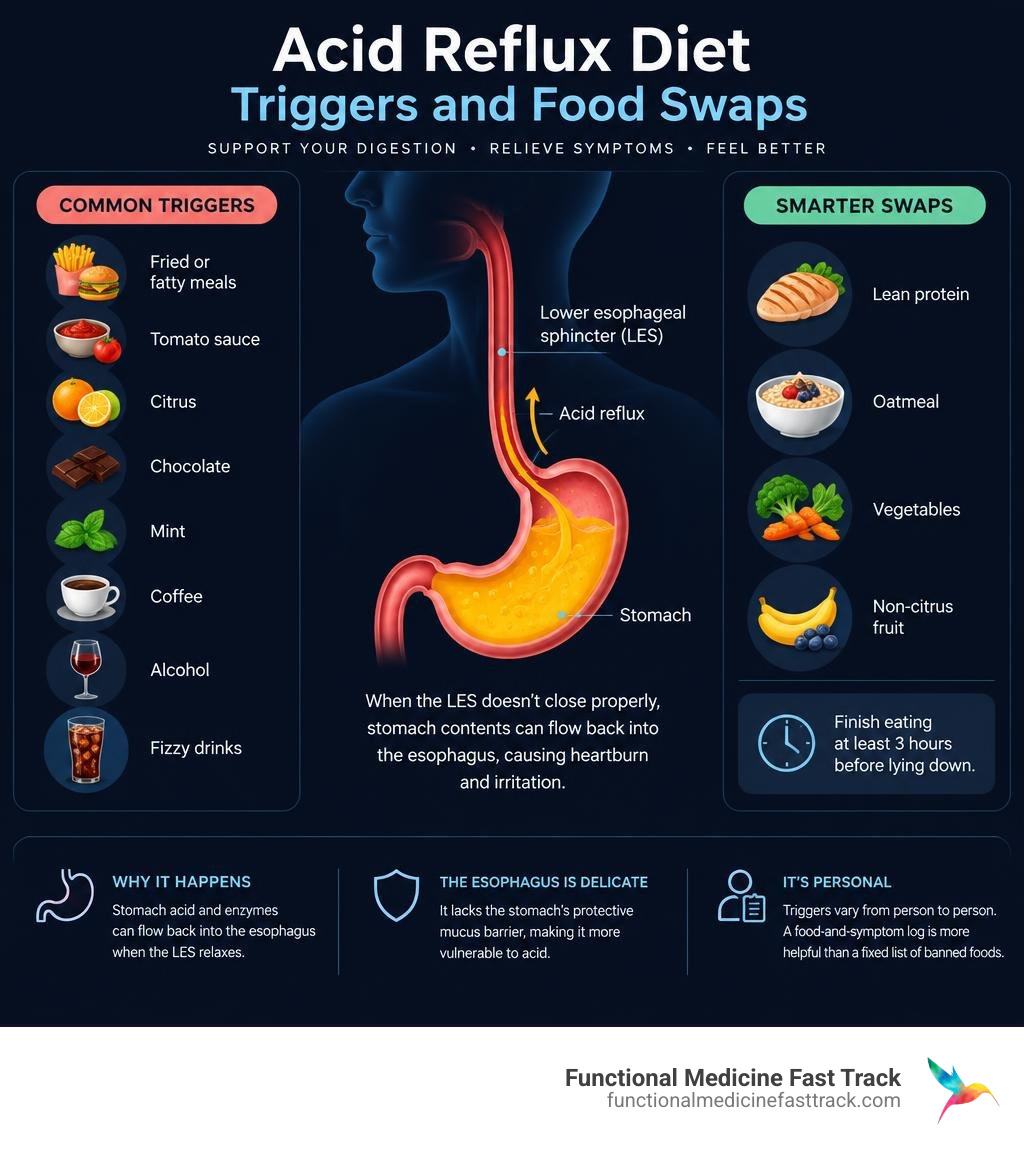
An acid reflux diet starts with a few practical swaps: limit fried or fatty meals, tomato sauce, citrus, chocolate, mint, coffee, alcohol, and fizzy drinks if they trigger your symptoms. Choose smaller meals with lean protein, oatmeal, vegetables, and non-citrus fruit. Finish eating at least three hours before lying down.
Reflux happens when stomach contents flow back through the valve between the stomach and esophagus. When it happens often, it may be gastroesophageal reflux disease (GERD). Triggers differ from person to person, so a food-and-symptom log is more useful than a permanent list of banned foods.
I'm Garric Vosloo. After more than 30 years consulting with patients and owning two practices, I help licensed clinicians build practical, personalized care plans, including an acid reflux diet that fits each patient's symptoms.
Understanding Acid Reflux: Anatomy, Triggers, and Gut Mechanics
Acid reflux occurs when gastric juices—a mix of hydrochloric acid, digestive enzymes like pepsin, and bile—escape the stomach and travel upward into the esophagus. Unlike the stomach, which is protected by a thick, alkaline mucus barrier, the esophageal lining is delicate and vulnerable to chemical irritation. When this backflow occurs repeatedly, it causes the familiar burning sensation known as heartburn, and over time can progress to gastroesophageal reflux disease (GERD).
Gastroesophageal reflux affects roughly 20% of the population, with global adult prevalence estimates sitting near 14%. While conventional wisdom often blames "too much stomach acid," the underlying physiology is rarely an excess of acid production. Instead, it is an issue of acid being in the wrong place at the wrong time, often driven by mechanical pressure and impaired digestive motility, as outlined in scientific research on gastroesophageal reflux mechanics and prevalence.
Lower Esophageal Sphincter Dysfunction and Gastric Pressure
At the base of the esophagus sits the lower esophageal sphincter (LES), a specialized ring of smooth muscle that functions as a one-way physiological valve. Under normal circumstances, the LES relaxes briefly to let swallowed food and liquid enter the stomach, then immediately closes tightly to seal off gastric contents.

Reflux occurs when the LES experiences transient inappropriate relaxations or loses resting muscle tone. Key contributors to this dysfunction include:
Increased Intra-Abdominal Pressure: Excess abdominal weight, pregnancy, tight clothing, or large meals physically force gastric contents upward against the valve.
Delayed Gastric Emptying (Gastroparesis): When food lingers in the stomach, prolonged stomach distention continues to exert upward pressure on the LES.
Hypochlorhydria (Low Stomach Acid): Paradoxically, insufficient stomach acid slows digestive signaling, delays stomach emptying, and can prevent the biochemical triggers that signal the LES to close tightly.
Hiatal Hernia: A mechanical condition where the upper stomach slides through the diaphragm hiatus into the chest cavity, compromising the physical barrier supporting the LES.
The Gut-Brain Axis, SIBO, and Motility Overlap
In functional medicine, we evaluate the gastrointestinal tract as an interconnected ecosystem rather than isolated segments. Approximately 40% of the global population suffers from a functional GI condition, and there is substantial overlap between upper and lower gut issues. In fact, studies show that over 60% of people with irritable bowel syndrome (IBS) report GERD symptoms, while around 40% of those with GERD also have IBS.
When carbohydrates are poorly digested in the upper small intestine—often due to Small Intestinal Bacterial Overgrowth (SIBO) or dysbiosis—bacterial fermentation produces excess hydrogen and methane gases. This gas creates retrograde pressure, distending the stomach and pushing acid upward through the LES. Navigating targeted dietary adjustments using tools like our Carb Food List Ultimate Guide helps reduce excess fermentation and alleviate upward mechanical pressure.
Mastering the Acid Reflux Diet: Top Foods to Avoid and Limit
Managing reflux begins by identifying and temporarily removing dietary triggers that either chemically irritate the esophageal mucosa, stimulate excessive acid secretion, or relax the LES.
Trigger Category | Specific Foods to Limit | Primary Mechanism of Action | Safe, Soothing Alternative |
|---|---|---|---|
High-Fat & Fried | French fries, sausage, whole milk, heavy cream | Delays gastric emptying; weakens LES tone | Baked sweet potato wedges, skinless poultry, unsweetened almond milk |
High-Acid Produce | Grapefruit, lemons, oranges, tomato paste, marinara | Direct chemical irritation of esophageal lining | Bananas, honeydew melon, steamed zucchini |
Methylxanthines | Dark chocolate, milk chocolate, cocoa | Relaxes LES smooth muscle; triggers acid release | Carob powder, warm chamomile tea |
Aromatic Herbs | Peppermint, spearmint, raw garlic, raw onion | Induces smooth muscle relaxation in the LES | Fresh ginger, fennel, basil, parsley |
Irritating Drinks | Coffee, energy drinks, colas, seltzers, dry wine | Acidic pH, gastric distention, and chemical irritation | Still water, bone broth, decaffeinated herbal infusions |
Implementing strategic acid reflux diet restrictions gives the inflamed esophageal tissue time to calm down while you identify your personal threshold for these items.
High-Fat, Fried, and Ultra-Processed Foods
Fat is a potent stimulator of cholecystokinin (CCK), a digestive hormone that slows gastric emptying and relaxes the lower esophageal sphincter. When you consume deep-fried meals, fatty cuts of red meat, or heavy cheeses, the stomach must retain that food for a much longer period to complete initial breakdown.
This prolonged fullness keeps the stomach distended and under pressure. For those following structured gut protocols, reviewing our breakdown of Fast Tract Diet foods to avoid helps pinpoint high-fat and hard-to-digest items that exacerbate upper GI distress.
Acidic Triggers, Citrus, Tomatoes, and Chocolate
Certain foods irritate the esophagus directly upon swallowing, while others act systemically on sphincter tone:
Citrus Fruits and Tomatoes: Lemons, limes, grapefruits, and tomato-based sauces have a naturally low pH. When they contact an already inflamed or eroded esophagus, they trigger immediate burning and activate mucosal pain receptors.
Chocolate: Delicious as it is, chocolate contains methylxanthines and theobromine. These compounds relax the smooth muscle fibers of the LES while stimulating gastric acid production.
Peppermint and Spearmint: While commonly taken to soothe an upset stomach, mint oils relax smooth muscle tissue, including the LES, making acid backflow significantly more likely. Reviewing clinical guidance on GERD trigger management reinforces why removing mint teas and candies is essential during active flare-ups.
Irritating Beverages: Alcohol, Caffeine, and Carbonation
Beverages can exacerbate reflux through multiple physiological pathways:
Carbonated Drinks & Seltzers: The dissolved carbon dioxide in sparkling water, sodas, and seltzers expands into gas within the warm environment of the stomach. This volume expansion causes belching, which physically forces the LES open and carries acid aerosols upward.
Coffee & Caffeinated Teas: Both regular and decaffeinated coffee contain bioactive compounds and chlorogenic acids that stimulate gastric acid secretion, while caffeine relaxes the LES.
Alcohol: Beer, wine, and spirits relax the esophageal sphincter, irritate the esophageal lining, and disrupt normal peristaltic clearing waves.
Soothing Foods and Healing Swaps for Reflux Relief
Transitioning away from trigger foods does not mean eating an uninspiring diet. An effective reflux protocol focuses on nutrient-dense, low-acid, and fiber-rich choices that buffer stomach acid, promote timely gastric motility, and soothe irritated tissues. Integrating options from our Anti-Inflammatory Food List PDF ensures you nourish your body while calming gastrointestinal inflammation.
Creating a Healing Acid Reflux Diet with Alkaline and High-Fiber Foods
Foods with a higher pH and abundant dietary fiber help reduce reflux episodes by absorbing excess free acid and supporting smooth downward digestive motility:
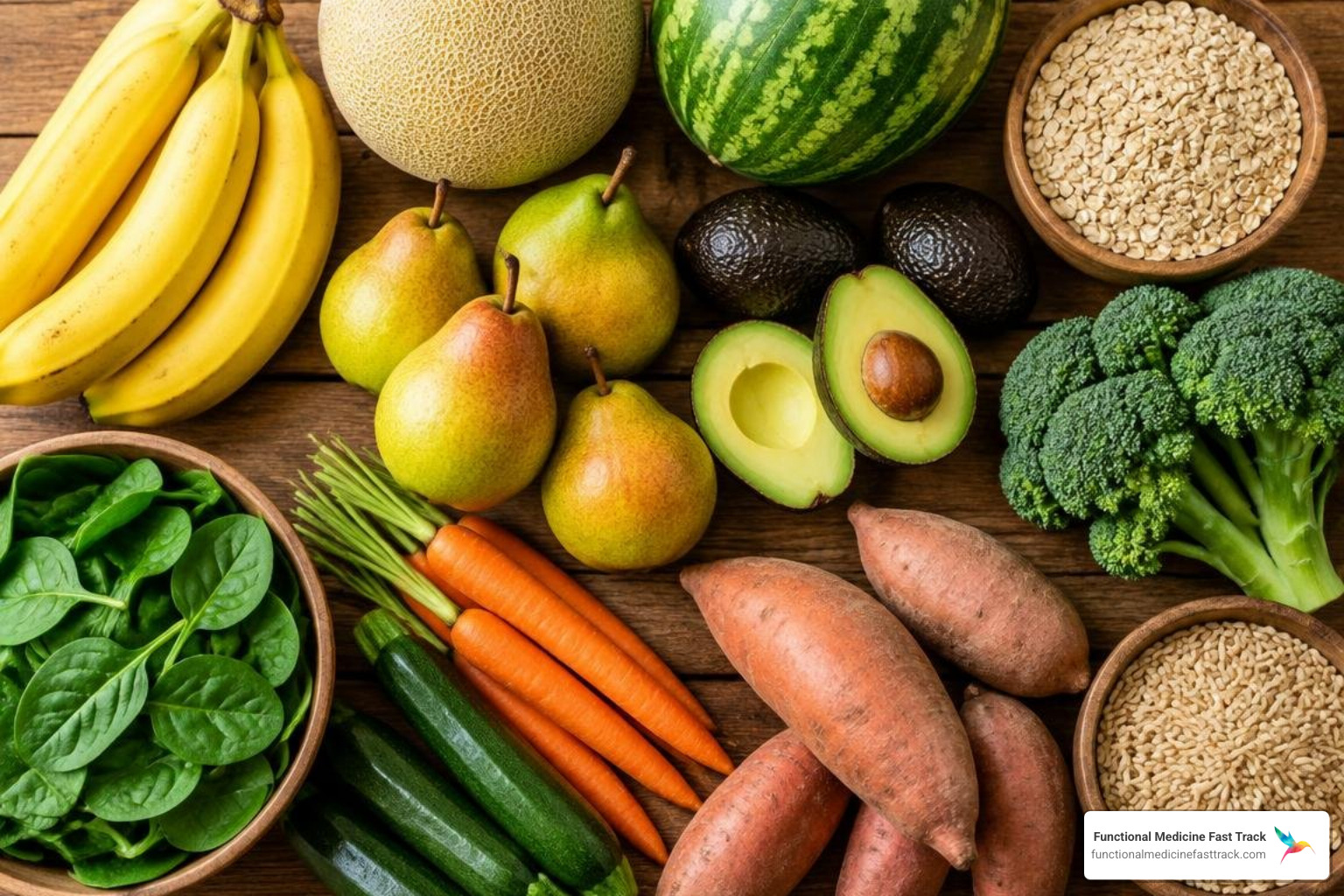
High-pH Fruits: Bananas (often called nature’s antacid), honeydew melon, cantaloupe, and watermelon provide natural sweetness without irritating sensitive esophageal mucosa.
Non-Starchy & Root Vegetables: Broccoli, cauliflower, asparagus, green beans, carrots, beets, and sweet potatoes are gentle on the stomach and rich in soluble fiber.
Complex Whole Grains: Rolled oats, quinoa, brown rice, and farro form a gelatinous soluble fiber matrix in the stomach that helps absorb acid and coats the stomach lining. Following a well-formulated bland diet: foods to eat and avoid can provide fast, short-term relief during acute flare-ups.
Safe Lean Proteins, Healthy Fats, and Low-Acid Dairy
Protein is essential for tissue repair and stimulating gastrin, which helps maintain LES tone. However, choosing lean sources is key to avoiding the delayed stomach emptying associated with high-fat meals:
Lean Animal Proteins: Skinless chicken breast, ground turkey, egg whites, and wild-caught white fish (such as cod, haddock, or halibut) provide clean amino acids with minimal fat.
Plant-Based Proteins: Firm tofu, lentils, and chickpeas (prepared well to minimize gas) offer fiber and protein without triggering reflux.
Healthy Fats in Moderation: Swap deep-fried oils for modest servings of extra virgin olive oil, avocado oil, and ripe avocado.
Low-Acid Dairy & Milk Alternatives: Unsweetened almond milk, oat milk, low-fat cottage cheese, and plain low-fat kefir supply calcium and beneficial probiotics while maintaining a mild pH. To keep your daily meal planning simple, download our comprehensive Food List PDF.
Targeted Home Remedies: Ginger, Chewing Gum, and Demulcents
When acute symptoms strike, several gentle home remedies can provide fast, natural comfort:
Fresh Ginger Root Tea: Ginger contains active gingerols and shogaols, which exert anti-inflammatory effects on the gastric mucosa and accelerate gastric emptying.
Chewing Gum: Chewing sugar-free, non-mint gum for 30 minutes after a meal stimulates salivary flow. Saliva is rich in bicarbonate, which neutralizes residual acid in the esophagus and clears it back into the stomach.
Low-Fat or Nonfat Yogurt: A few spoonfuls of cold, low-fat yogurt can temporarily coat and buffer an irritated esophagus.
Demulcent Herbs: Deglycyrrhizinated licorice (DGL), slippery elm bark, and marshmallow root form a soothing mucilage that physically protects irritated mucosal membranes.
Beyond Nutrition: Meal Hygiene and Lifestyle Interventions

Dietary composition is only half the battle. How, when, and in what posture you eat plays an equally significant role in managing intragastric pressure and preventing reflux episodes. Reviewing structured guides like our Fast Tract Diet List of Foods along with these behavioral habits yields the best clinical outcomes.
Meal Timing, Portion Sizes, and Posture Habits
Eat Smaller, More Frequent Meals: Large, heavy meals stretch the stomach wall, triggering reflex relaxations of the LES. Splitting your daily intake into four to five smaller meals keeps gastric volume low.
Chew Thoroughly: Aim for 20 to 30 chews per bite. Mastication incorporates salivary enzymes and breaks down food into liquid chyme, dramatically reducing the mechanical workload on the stomach.
Honor the Three-Hour Cutoff: Always finish your last meal or snack at least three hours before lying down or going to sleep. Going to bed with an empty stomach ensures that acid levels have dropped and stomach contents have moved into the duodenum.
Stay Upright Post-Meal: Avoid slumping on the couch or bending forward at the waist immediately after eating. Gravity is your greatest natural defense against reflux.
Bed Elevation, Sleep Hygiene, and Stress Management
Elevate the Head of Your Bed: If you experience nighttime reflux, raise the head of your bed frame by 6 to 8 inches using bed risers, or sleep on a dedicated wedge pillow. Stacking standard pillows only bends your neck and compresses your abdomen, worsening reflux.
Sleep on Your Left Side: Anatomically, sleeping on your left lateral side positions the gastroesophageal junction above the level of gastric pool liquid, physically preventing acid from leaking upward.
Wear Loose-Fitting Clothing: Tight waistbands, belts, and shapewear exert constant external pressure on the abdomen, forcing gastric contents up into the esophagus.
Engage the Parasympathetic Nervous System: Chronic stress shifts the body into a sympathetic "fight-or-flight" state, which impairs digestive secretions, slows gastric emptying, and increases esophageal pain sensitivity. Practice five minutes of slow diaphragmatic breathing before meals to prime healthy digestion.
Strategic Recovery: Personalization, Elimination, and Medical Care
Because trigger foods vary from person to person, blindly cutting out dozens of healthy food groups long-term is neither necessary nor nutritionally sound. A strategic, data-driven approach allows you to systematically identify your true food sensitivities while healing your gut lining. Our comprehensive Elimination Diet Acid Reflux Guide walks you through this structured process step-by-step.
Phased Elimination Protocols and Personal Acid Reflux Diet Customization
A successful elimination protocol follows a clear, therapeutic sequence:
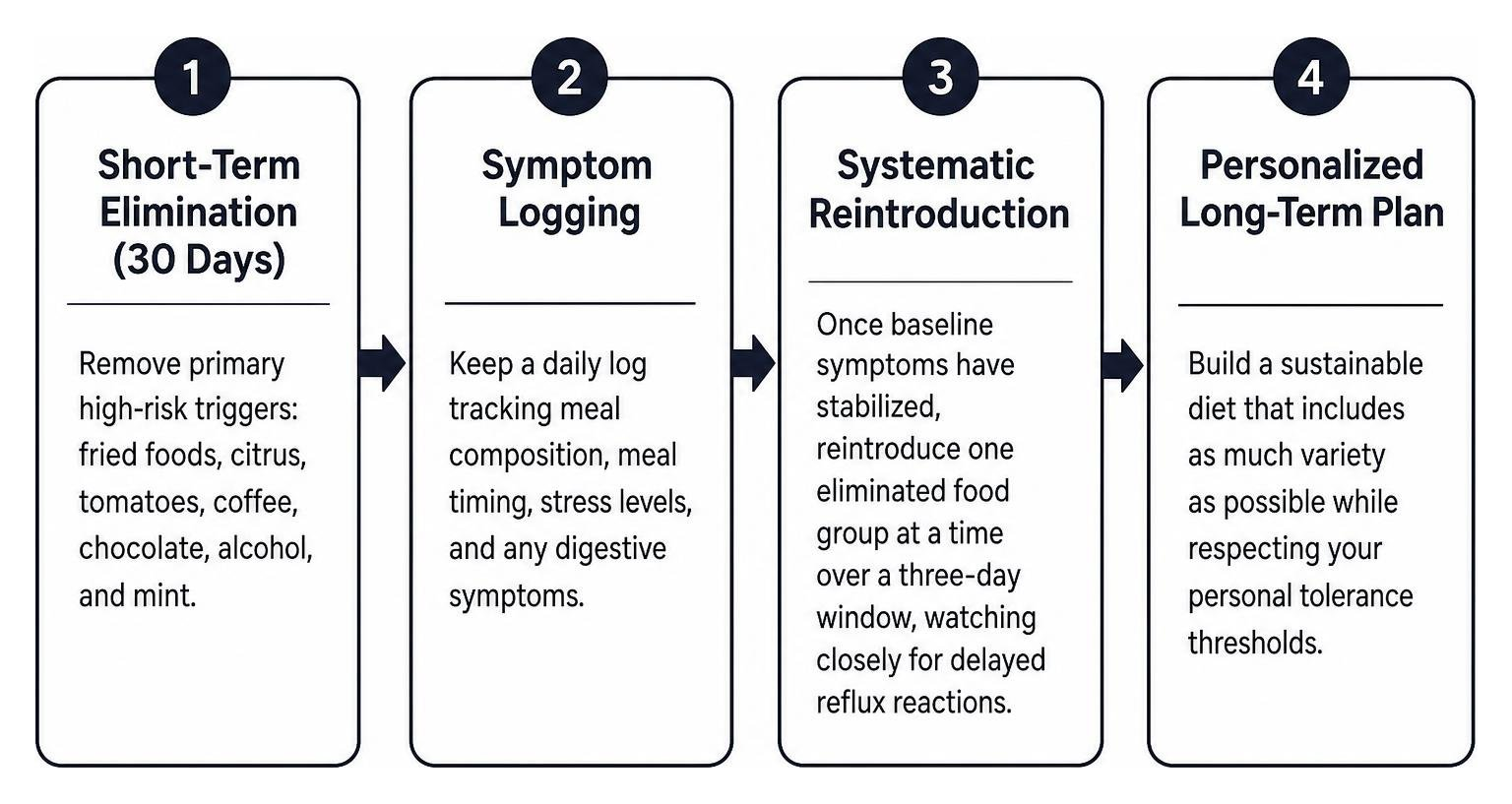
Short-Term Elimination (30 Days): Remove the primary high-risk triggers (fried foods, citrus, tomatoes, coffee, chocolate, alcohol, and mint). Refer to our Elimination Diet Phase 1 Guide and Elimination Diet Food List for an exact framework.
Symptom Logging: Keep a daily log tracking meal composition, meal timing, stress levels, and any digestive symptoms.
Systematic Reintroduction: Once baseline symptoms have stabilized, reintroduce one eliminated food group at a time over a three-day window, watching closely for delayed reflux reactions.
Personalized Long-Term Plan: Build a sustainable diet that includes as much variety as possible while respecting your personal tolerance thresholds.
Clinical Red Flags: When to Consult a Gastroenterologist
While dietary and lifestyle adjustments resolve mild to moderate reflux for most individuals, chronic heartburn should never be ignored. Consult a physician or gastroenterologist promptly if you experience any of the following warning signs:
Progressive Dysphagia: Sensation of food sticking in your chest, or pain when swallowing (odynophagia).
Unintentional Weight Loss: Dropping weight without trying, which can indicate structural narrowing or severe inflammation.
Persistent Hoarseness or Chronic Cough: Signs of extraesophageal reflux (LPR) that can damage vocal cords or airways.
Signs of Gastrointestinal Bleeding: Vomiting blood, coffee-ground emesis, or black, tarry stools.
Long-Standing, Daily Symptoms: Uncontrolled acid exposure over years increases the risk of erosive esophagitis and Barrett's esophagus—a precancerous cellular change of the lower esophageal lining that requires endoscopic monitoring.
Frequently Asked Questions About GERD and Nutrition
Are bananas and nonfat milk effective quick remedies for acid reflux?
Yes, both bananas and nonfat milk can provide fast, temporary relief for many people. Bananas are a low-acid fruit (pH around 5.0) that naturally coats an irritated esophageal lining and supplies soluble fiber to absorb excess stomach acid. Nonfat or skim milk can temporarily buffer stomach acid thanks to its liquid volume and calcium content. However, avoid full-fat milk, as its higher fat content delays stomach emptying and can trigger rebound acid production shortly after drinking.
Why does carbonated water worsen heartburn if it contains no sugar or acid?
Even unsweetened, zero-calorie seltzers can trigger severe reflux. The carbonation is caused by dissolved carbon dioxide gas under pressure. When the liquid enters your warm stomach, the gas expands rapidly, increasing intra-abdominal and intragastric volume. This expansion stretches the stomach and forces the lower esophageal sphincter to vent, allowing stomach acid to travel upward into the esophagus.
How long does it take for dietary changes to improve GERD symptoms?
Most people notice measurable symptom relief within 7 to 14 days of eliminating high-fat, fried, and acidic triggers while adopting better meal hygiene (such as eating smaller portions and avoiding late-night snacks). However, complete mucosal healing of an inflamed esophagus can take anywhere from 4 to 8 weeks of consistent dietary and lifestyle management.
Conclusion
Living with acid reflux or GERD does not mean you are destined for a lifetime of bland, boring meals or permanent reliance on over-the-counter antacids. By understanding your upper gastrointestinal mechanics—strengthening lower esophageal sphincter tone, reducing intra-abdominal pressure, and addressing underlying motility imbalances—you can take control of your digestive health naturally.
At Functional Medicine Fast Track, we empower healthcare practitioners and their patients with evidence-based, root-cause clinical systems that transform digestive wellness. If you are ready to put an end to daily heartburn and rebuild your relationship with food, download our free 7-Day Acid Reflux Diet PDF to start your personalized path toward lasting relief today.