

Navigating Acid Reflux Diet Restrictions for Pain-Free Daily Meals
Essential Acid Reflux Diet Restrictions: Foods and Beverages to Avoid
Effective acid reflux diet restrictions center on avoiding high-fat and fried foods, citrus fruits, tomatoes, spicy seasonings, caffeine, alcohol, and carbonated beverages, while favoring reflux-safe alternatives like lean proteins, non-citrus fruits, and alkaline vegetables. Managing gastroesophageal reflux disease (GERD) begins with understanding the anatomical gatekeeper of your upper digestive tract: the lower esophageal sphincter (LES). The LES is a ring of specialized muscle that sits at the junction of the esophagus and the stomach. Under normal physiological conditions, it acts as a one-way valve, opening to allow food and liquids to enter the stomach and closing tightly to prevent gastric acid, bile, and digestive enzymes from traveling backward.
When specific foods compromise LES muscle tone or directly irritate the esophageal mucosal lining, stomach acid escapes upward. This backflow leads to mucosal irritation, inflammation, and the classic burning sensation known as heartburn. Implementing targeted acid reflux diet restrictions removes these chemical and mechanical triggers, giving your digestive tract the opportunity to heal.
Food Category | High-Risk GERD Triggers | Reflux-Safe Alternatives |
|---|---|---|
Proteins & Meats | Fried chicken, sausage, bacon, marbled steaks | Skinless poultry, turkey breast, white fish, egg whites |
Dairy | Whole milk, heavy cream, full-fat cheese, butter | Unsweetened almond milk, oat milk, low-fat Greek yogurt |
Fruits | Oranges, grapefruits, lemons, limes, pineapples | Bananas, melons (cantaloupe, honeydew), apples, pears |
Vegetables | Raw onions, raw garlic, tomato pastes and sauces | Broccoli, zucchini, green beans, carrots, spinach |
Grains & Starches | Pastries, buttered croissants, fried noodles | Oatmeal, brown rice, whole-grain bread, sweet potatoes |
Beverages | Espresso, peppermint tea, sodas, red wine, citrus juices | Chamomile tea, ginger tea, alkaline water, bone broth |
Condiments & Seasonings | Hot sauce, chili powder, cayenne, balsamic vinegar | Fresh basil, oregano, parsley, ginger, sea salt (in moderation) |
High-Fat and Fried Foods Weakening the Lower Esophageal Sphincter
High-fat and deep-fried foods are among the most potent dietary triggers for acid reflux. When you consume high-fat meals—such as commercial fast food, fried meats, and heavy cream sauces—your digestive tract releases cholecystokinin (CCK). CCK is a peptide hormone that slows gastric emptying and signals the stomach to take longer breaking down lipids.
Because fats require extended churning, the stomach remains distended for hours. This lingering gastric fullness places upward mechanical pressure on the stomach contents while CCK directly promotes LES relaxation. As outlined in the Cleveland Clinic guide on foods to avoid with GERD, reducing fried items, fatty cuts of red meat, and processed snacks prevents this prolonged gastric delay and preserves the physical barrier between your stomach and esophagus.
Acidic and Irritating Foods: Citrus, Tomatoes, and Spicy Seasonings
Certain foods trigger heartburn not by relaxing the LES valve, but through direct mucosal damage and pepsin activation. Pepsin is a primary digestive enzyme produced in the stomach. When reflux occurs, pepsin molecules adhere to the delicate lining of your esophagus, vocal cords, and throat.
Consuming foods with a low pH (high acidity)—such as grapefruits, oranges, lemons, limes, and tomato sauces containing concentrated citric acid—activates these dormant pepsin molecules, causing them to break down esophageal tissue proteins.
Spicy seasonings contain capsaicin, the active compound in chili peppers. Capsaicin stimulates pain receptors along the mucosal lining, induces localized inflammation, and can delay gastric emptying. Similarly, alliums like raw garlic and onions contain fermentable carbohydrates and volatile oils that relax the LES and ferment in the stomach, producing upward-pushing gas pockets.
Problematic Beverages: Coffee, Alcohol, and Carbonated Drinks
What you drink influences esophageal tone just as dramatically as solid food:
Coffee and Caffeinated Drinks: Caffeine stimulates gastrin secretion, increasing total stomach acid production while chemically weakening the LES muscle ring. Even decaffeinated coffee can provoke reflux due to its natural bean acidity.
Carbonated Beverages: Sparkling waters, sodas, and energy drinks introduce dissolved carbon dioxide gas into the stomach. This gas causes immediate gastric distention, forcing the LES to vent through transient relaxations (belching), which carries acid mist up into the throat.
Alcoholic Beverages: Beer, wine, and spirits exert a direct toxic effect on the esophageal mucosa while acting as a systemic muscle relaxant that paralyzes normal LES resting tone.
Peppermint Tea: While frequently marketed as a digestive tonic, peppermint contains menthol, an essential oil that relaxes smooth muscle tissue—including the lower esophageal sphincter.
For more detailed clinical context, read the Harvard Health insights on foods and drinks that trigger reflux. For daily hydration, non-citrus juices (such as cucumber or pear), ginger tea, and non-mint herbal infusions offer soothing alternatives.
Processed Foods, Sweets, and High-Fat Dairy Items
Processed convenience items, commercial pastries, and high-fat dairy combine multiple reflux-provoking mechanisms into a single bite. Chocolate contains both caffeine and theobromine, a methylxanthine compound that naturally induces smooth muscle relaxation at the gastroesophageal junction.
Full-fat cheeses, ice cream, whole milk, and pastries loaded with trans fats combine concentrated lipids with refined sugars. These sugars feed bacterial dysbiosis in the small intestine, leading to excessive fermentation and intra-abdominal bloating. If you struggle with severe bloating and suspect small intestinal bacterial overgrowth (SIBO) or gas-mediated reflux, you can isolate these specific fermentable triggers through a targeted fast tract diet foods to avoid guide.
The Science of Gastroesophageal Reflux: How Diet Affects Digestive Mechanics
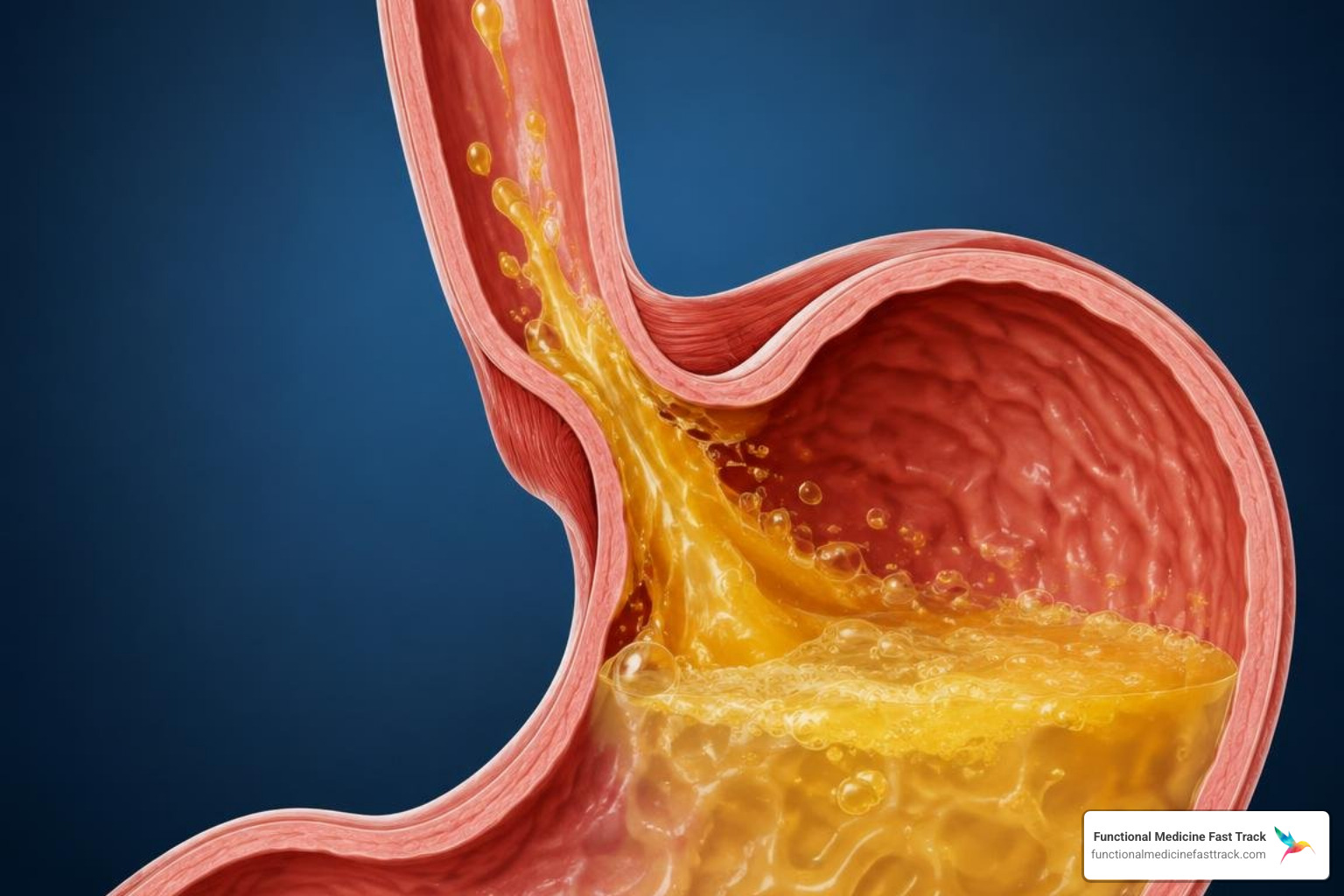
Acid reflux is rarely just an issue of "too much acid." In clinical practice, it is largely a problem of altered digestive mechanics, elevated intra-abdominal pressure, and compromised tissue resistance. When food enters your digestive tract, the stomach must expand, churn its contents with hydrochloric acid, and systematically pump the resulting chyme through the pyloric sphincter into the duodenum.
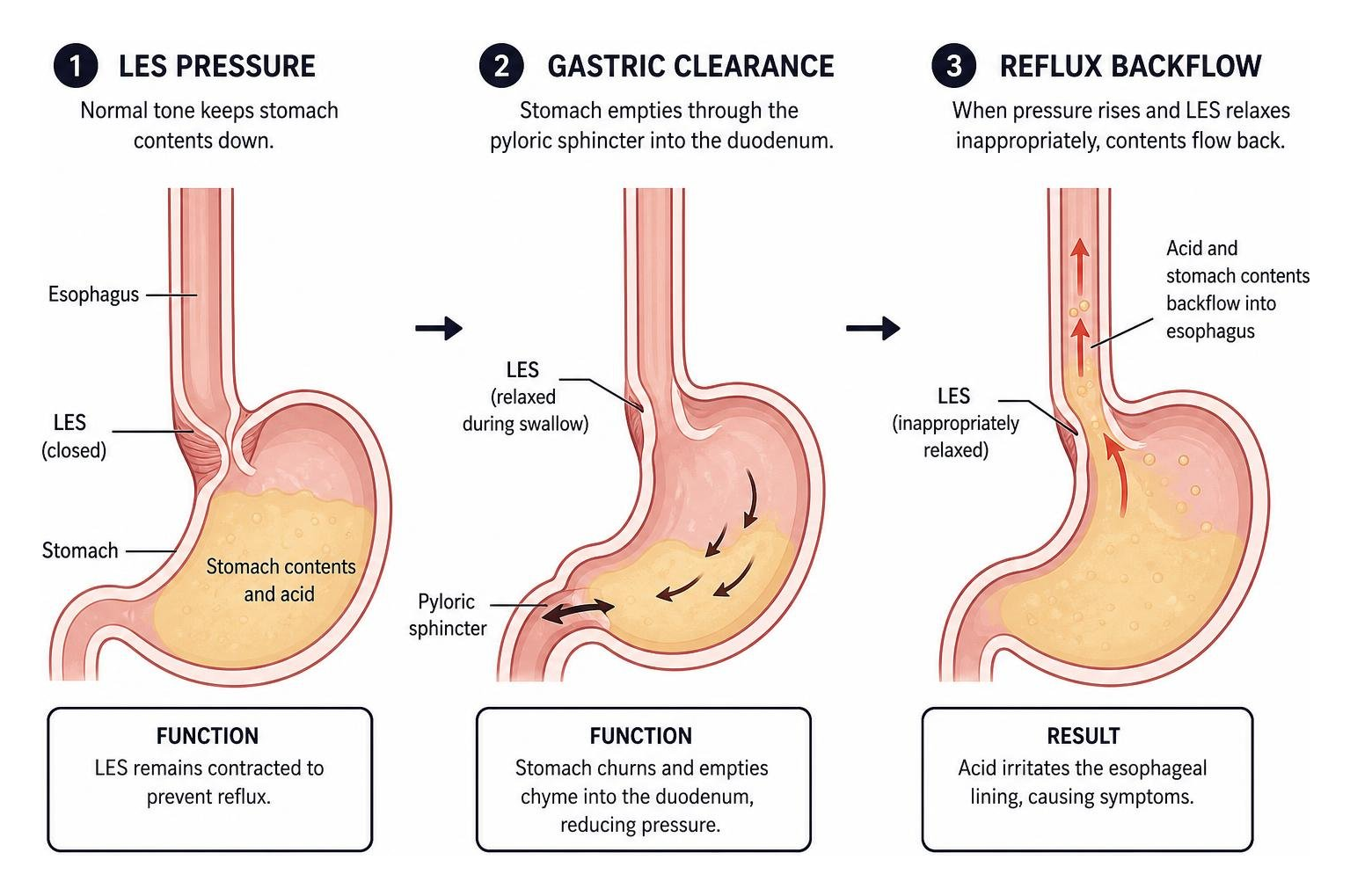
How Nutrients and Digestion Rates Influence Esophageal Tone
The composition of your plate dictates the speed and efficiency of this mechanical cascade:
Dietary Fiber: Soluble and insoluble plant fibers absorb excess gastric fluid, bind bile acids, and support coordinated peristalsis, speeding gastric clearance and reducing upward pressure.
Lean Proteins: Consuming lean protein (such as poultry, white fish, or egg whites) stimulates the release of gastrin, which actually improves resting LES pressure without overloading the stomach with heavy fats.
Enzymatic Demands: Heavy, ultra-processed meals demand massive outputs of hydrochloric acid and digestive enzymes, keeping the stomach full and acidic for extended windows.
General Healthy Diets vs. Specific Acid Reflux Diet Restrictions
A frequent source of frustration for patients is that a "standard healthy diet" can actively trigger severe reflux. Nutrient-dense foods like raw onion salads, tomato vinaigrettes, garlic marinades, citrus fruits, and dark chocolate are celebrated in general wellness circles for their antioxidant profiles.
However, for an individual with an inflamed, eroded esophageal lining, these same nutrient-dense choices provoke acute mucosal pain and valve relaxation. Navigating reflux requires looking past generic health advice to embrace low-acid, mechanically soothing nutrition tailored to your current digestive tolerance.
Proven Dietary Patterns for Reflux Management
Instead of enduring an endless list of restrictions with nothing left to eat, you can adopt established dietary frameworks that naturally protect the gastroesophageal barrier. For a comprehensive medical perspective, review the U.S. News overview of acid reflux dietary strategies.
The Mediterranean and Low-Acid Dietary Models
The plant-forward, traditional Mediterranean diet is one of the most clinically supported dietary frameworks for long-term reflux management. When modified to exclude acidic citrus, raw alliums, and heavy tomato sauces, this pattern emphasizes:
Non-Citrus Fruits: Bananas, cantaloupe, honeydew melon, sweet apples, and ripe pears.
Fiber-Rich Vegetables: Steamed greens, sweet potatoes, zucchini, fennel, and asparagus.
Lean Proteins: Baked skinless chicken breast, turkey, poached cod, and wild-caught salmon.
Anti-Inflammatory Healthy Fats: Cold-pressed extra virgin olive oil used in moderation, rather than heavy animal fats or deep-fried vegetable oils.
To calm chronic systemic and mucosal inflammation, pairing this approach with an anti-inflammatory food list can accelerate tissue recovery throughout the entire gastrointestinal tract.
Low-Carb and Ketogenic Approaches: Benefits and Caveats
Emerging clinical observations suggest that low-carbohydrate and ketogenic protocols can dramatically reduce heartburn symptoms in certain individuals. The proposed mechanism centers on carbohydrate fermentation: when you restrict fermentable starches and refined sugars, gut bacteria produce less gas, lowering intra-gastric pressure and reducing transient LES relaxations.
However, classic high-fat ketogenic diets present a double-edged sword. If you replace carbohydrates with heavy saturated fats, greasy bacon, butter, and rich cheeses, the high lipid load can slow gastric emptying and worsen reflux. If you explore lower-carbohydrate eating, focus on a moderate-protein, fiber-supported model rich in clean poultry, fish, and alkaline vegetables.
Implementing Acid Reflux Diet Restrictions with a Structured Protocol
The most reliable way to find your unique triggers is through a structured elimination and reintroduction protocol. Rather than guessing, you temporarily remove high-risk foods for 2 to 4 weeks until your baseline symptoms calm, and then reintroduce single foods every 72 hours while tracking your response in a food journal.
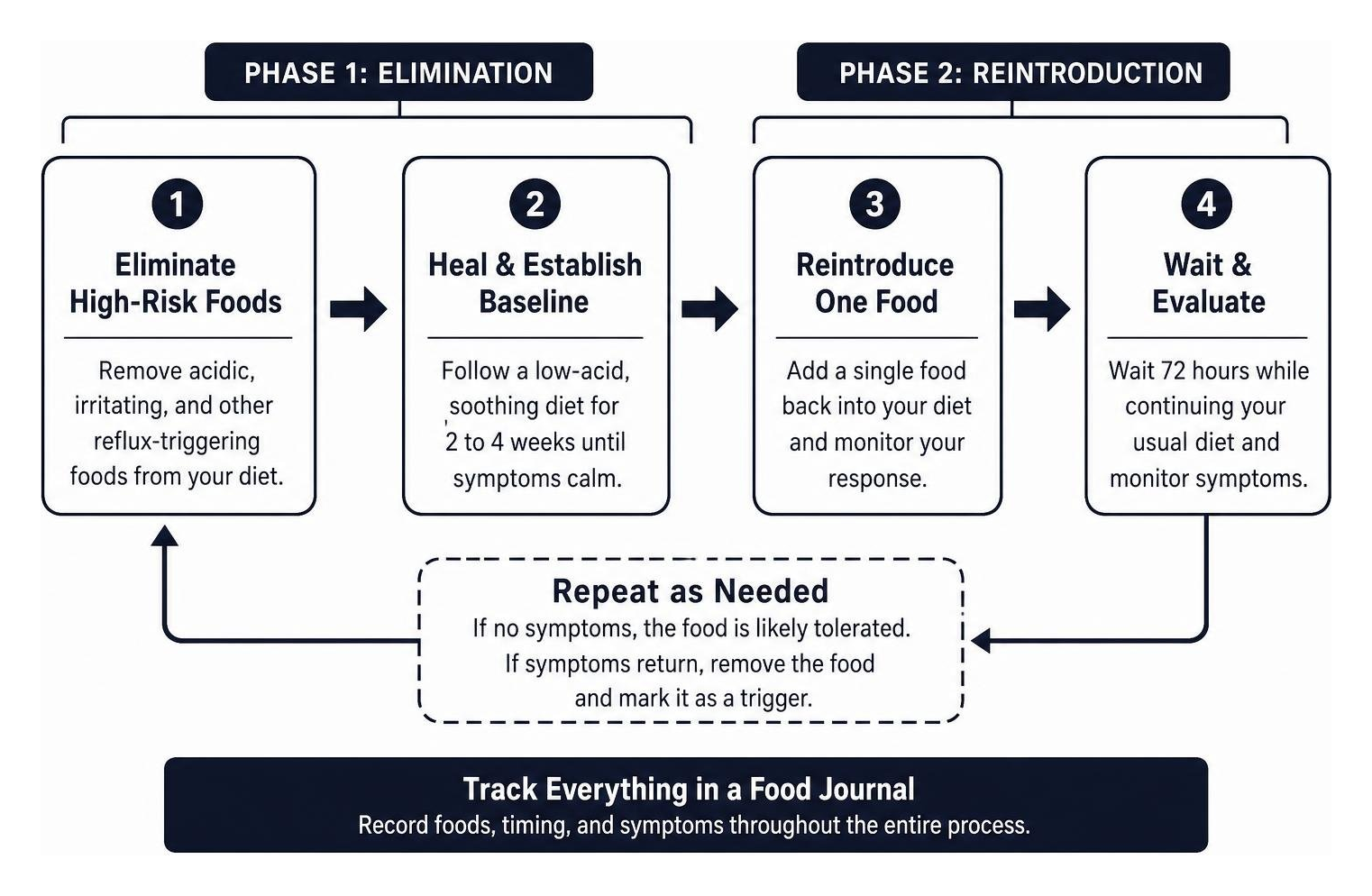
You can walk through this systematic process step by step using our clinical elimination diet acid reflux guide alongside an easy-to-use elimination diet food list.
Meal Habits and Lifestyle Modifications That Complement Diet
Dietary choices are only half the equation; your physical meal habits and mechanical behaviors play an equal role in preventing backflow.

Mastering Portion Sizes and Eating Speed
Overeating is a direct mechanical trigger for heartburn. When you consume a massive meal, the stomach stretches to capacity, building internal pressure that physically forces the lower esophageal sphincter open.
Eat Smaller, Frequent Meals: Divide your daily caloric intake across four to five modest meals rather than two or three large feasts.
Chew Thoroughly: Chewing stimulates saliva production, which contains natural bicarbonate that coats and neutralizes trace acid in the esophagus.
Slow Down: Eating too quickly causes you to swallow excess air (aerophagia), compounding intra-gastric volume and triggering reflux-inducing belches.
Meal Timing, Sleep Ergonomics, and Bedtime Rules
Gravity is your most dependable digestive ally. When you lie flat, gastric juices pool against the LES valve instead of settling at the bottom of the stomach.
The 3-to-4-Hour Rule: Finish your last bite of food at least three to four hours before lying down or going to sleep.
Elevate the Head of Your Bed: Raising the head of your bed 6 to 8 inches (using bed risers or an ergonomic under-mattress wedge) uses gravity to keep stomach acid down through the night. Propping yourself up on standard pillows bends your waist and increases abdominal pressure.
Sleep on Your Left Side: Anatomically, sleeping on your left side positions the gastroesophageal junction above the pool of gastric acid, significantly reducing nocturnal reflux episodes compared to sleeping on your right side or stomach.
Managing Weight to Alleviate Intra-Abdominal Pressure
Excess visceral adiposity around the midsection acts like an external clamp, constantly compressing the stomach and pushing contents upward into the chest cavity. This persistent pressure can stretch the esophageal hiatus, contributing to hiatal hernias. Achieving sustainable, moderate weight loss through balanced, whole-food nutrition consistently lowers intra-abdominal pressure and provides profound, lasting symptom relief.
Frequently Asked Questions About Acid Reflux Diets
Can I ever drink coffee or alcohol again if I have GERD?
You do not necessarily have to eliminate these beverages permanently. During the active healing phase, removing all coffee and alcohol is essential to allow irritated esophageal tissue to recover. Once you are symptom-free, you can test your personal tolerance threshold. Many patients find they can comfortably enjoy a single cup of low-acid cold brew coffee with almond milk or an occasional glass of non-effervescent, low-tannin wine with a balanced meal.
How quickly do symptoms improve after starting an acid reflux diet?
Most individuals experience noticeable reductions in acute heartburn frequency within 5 to 7 days of eliminating high-fat, acidic, and carbonated triggers. However, deeper mucosal healing and the resolution of silent reflux symptoms (such as chronic throat clearing, hoarseness, or nighttime cough) typically require 4 to 8 weeks of consistent dietary adherence.
What are the best dairy substitutes for heartburn sufferers?
Unsweetened plant-based milks—such as almond milk, oat milk, cashew milk, and coconut milk beverage (not high-fat canned coconut cream)—are fantastic alternatives to full-fat cow's milk. Almond milk is particularly beneficial because of its naturally alkaline pH, which helps soothe gastric irritation without introducing heavy animal fats.
Conclusion
Acid reflux does not have to dictate your life or turn every meal into a source of stress. By understanding the digestive mechanics of the lower esophageal sphincter, systematically removing chemical and mechanical triggers, and honoring proper meal ergonomics, you can establish sustainable dietary habits that bring lasting, pain-free daily relief.
At Functional Medicine Fast Track, we empower practitioners and patients alike to look past temporary symptom suppressors and address the root causes of gastrointestinal dysfunction through personalized, evidence-based lifestyle medicine.
Ready to take the guesswork out of mealtime? Download our comprehensive, clinical-grade 7-day acid reflux diet plan to start enjoying soothing, delicious meals today.