
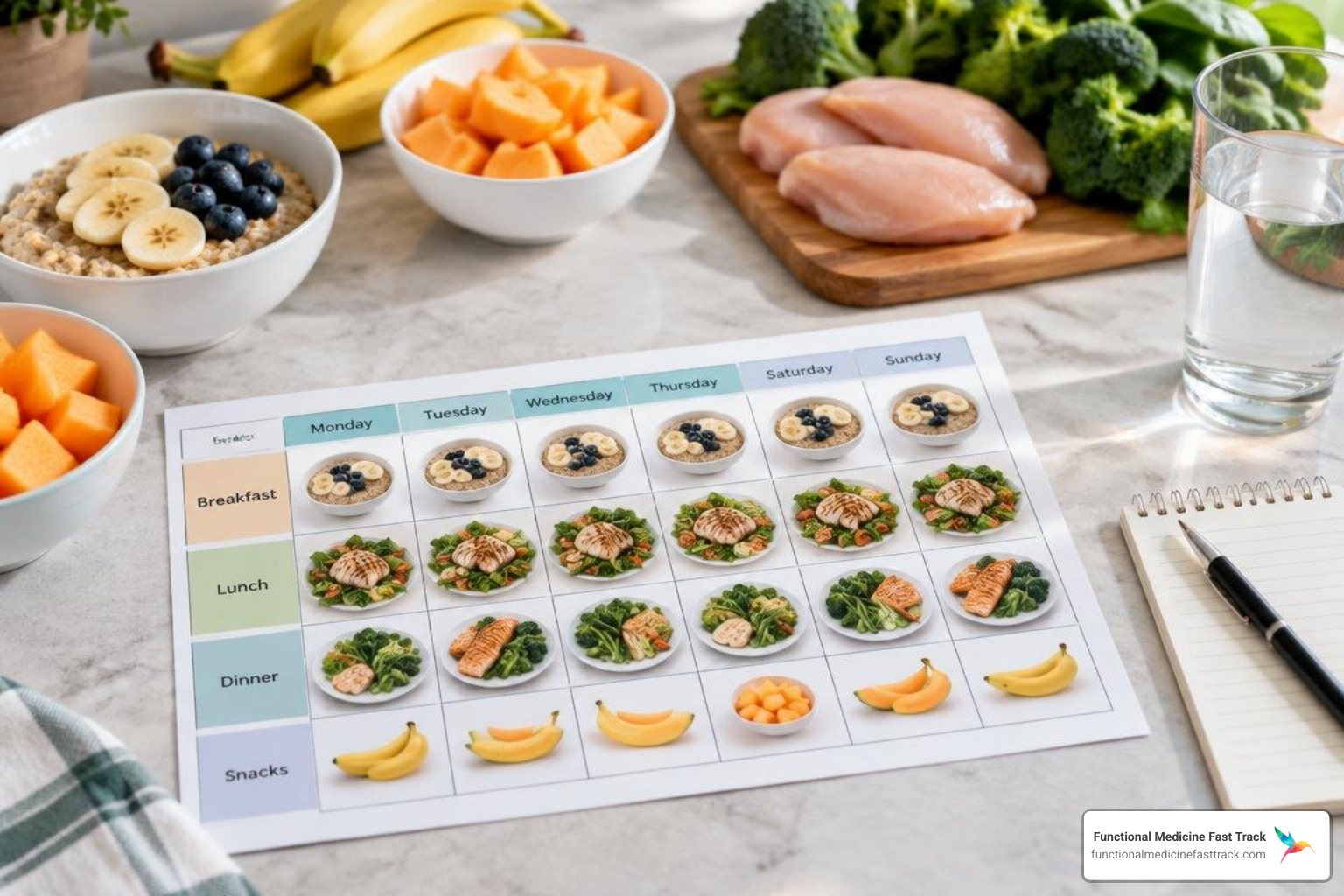
The 7-Day Acid Reflux Diet Meal Plan That Calms Flare-Ups
Understanding GERD Triggers and Low-Acid Nutrition
A 7-day acid reflux diet calms flare-ups by focusing on low-acid, high-fiber, easily digestible lean meals while temporarily eliminating trigger foods that relax the lower esophageal sphincter or irritate the esophageal lining. This short-term reset emphasizes gentle proteins, non-citrus fruits, cooked vegetables, and soothing broths to reduce acid exposure and support mucosal healing.
To resolve acid reflux, we must understand the mechanics behind the burn. Gastroesophageal reflux disease (GERD) occurs when the lower esophageal sphincter (LES)—the muscular ring acting as a one-way security gate between the esophagus and stomach—fails to stay securely closed. When this valve relaxes inappropriately or weakens, hydrochloric acid and gastric enzymes splash upward, causing mucosal irritation, burning sensations, and throat clearing.
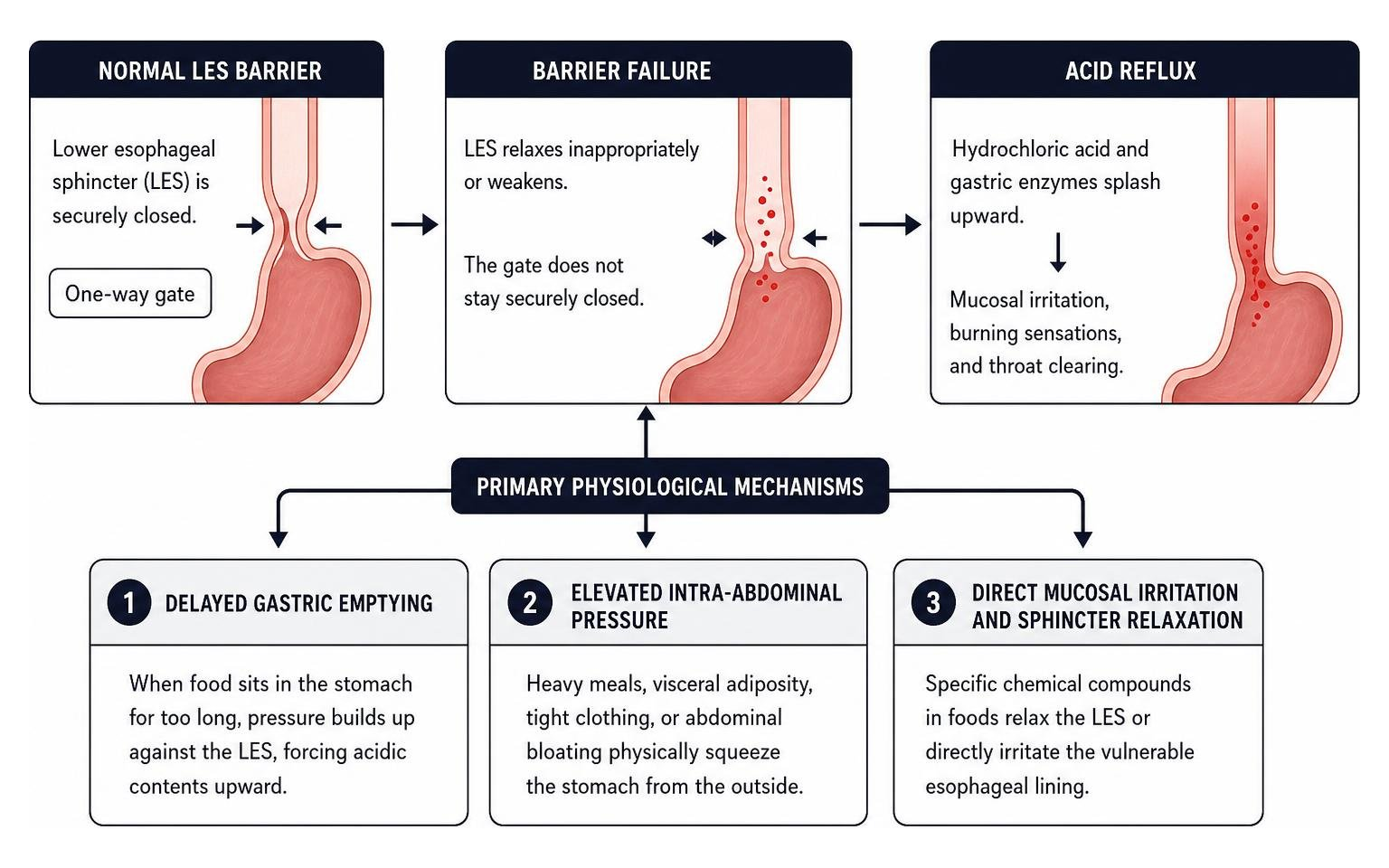
Three primary physiological mechanisms drive this malfunction:
Delayed Gastric Emptying: When food sits in the stomach for too long, pressure builds up against the LES, forcing acidic contents upward.
Elevated Intra-Abdominal Pressure: Heavy meals, visceral adiposity, tight clothing, or abdominal bloating physically squeeze the stomach from the outside.
Direct Mucosal Irritation and Sphincter Relaxation: Specific chemical compounds in foods relax the LES or directly irritate the vulnerable esophageal lining.
Managing reflux starts with strategic food choices rather than sheer deprivation. Reviewing a structured elimination diet food list helps identify gentle, nutrient-dense staples while temporarily removing common dietary irritants to support esophageal recovery.
Foods to Include for Esophageal Healing
When calming an active flare-up, prioritize foods that promote a neutral pH balance, require minimal stomach acid for mechanical breakdown, and provide viscous, coating fibers:
Lean Protein Sources: Skinless chicken breast, turkey tenderloin, egg whites, and delicate white fish (such as cod, halibut, and wild sole) offer complete amino acids without the digestive lag caused by heavy fats.
Non-Citrus Fruits: Bananas, ripe papaya, honeydew melon, cantaloupe, and sweet pears provide enzymes and soluble fiber without acidic irritation.
Root and Non-Starchy Vegetables: Sweet potatoes, carrots, zucchini, cucumbers, spinach, kale, and steamed broccoli are naturally low-acid and gentle on gut tissue.
High-Fiber Whole Grains: Rolled oats, quinoa, brown rice, and farro act like sponges in the gastric pool, absorbing excess stomach acid while sustaining satiety.
Healthy Fats (in Moderation): Modest portions of avocado, olive oil, and raw almond butter provide essential fatty acids without slowing gastric transit.
Alkaline and Soothing Broths: Sipping warm bone broth or vegetable broth delivers collagen, glycine, and glutamine to nourish inflamed mucosal membranes.
Trigger Foods to Avoid During a Flare-Up
During this seven-day reset, eliminate foods that chemically relax the LES, increase stomach acid secretion, or irritate delicate esophageal tissue. You can cross-reference our guide on trigger foods to avoid to identify fermentable items that contribute to excess intra-abdominal pressure:
High-Fat and Fried Foods: Deep-fried items, fatty cuts of red meat, full-fat cheeses, and rich cream sauces delay gastric emptying and trigger hormonal signals (such as cholecystokinin) that relax the LES.
Acidic Citrus and Tomato Products: Oranges, grapefruits, lemons, limes, marinara sauce, tomato paste, and salsa introduce concentrated citric and malic acids directly onto inflamed tissue.
Chocolate and Cocoa: Chocolate contains theobromine, a compound shown to relax esophageal smooth muscle.
Caffeine and Carbonated Beverages: Coffee, energy drinks, black teas, and sparkling waters weaken the LES barrier, while dissolved carbon dioxide expands the stomach and forces acid upward.
Spicy Ingredients and Pungent Aromatics: Hot peppers containing capsaicin, raw garlic, and raw onions irritate the esophageal lining and can slow overall digestive emptying.
The Complete 7-Day Acid Reflux Diet PDF Meal Plan
This structured 7-day meal plan reduces esophageal irritation, normalizes stomach emptying rates, and maintains balanced energy. It balances high-fiber carbohydrates with easily digestible lean proteins and soothing alkaline sides.
Day | Breakfast | Lunch | Afternoon Snack | Dinner |
|---|---|---|---|---|
Day 1 | Rolled oats cooked in almond milk with sliced bananas and a pinch of cinnamon | Herb-poached chicken breast with quinoa and steamed zucchini | Sliced sweet pear with 1 tbsp raw almond butter | Baked wild cod, steamed sweet potato mash, and sautéed green beans |
Day 2 | Green smoothie with spinach, ripe papaya, plant protein powder, and oat milk | Roasted turkey slices on sprouted grain toast with cucumber and mashed avocado | Plain unsweetened coconut yogurt with a drizzle of unpasteurized honey | Braised chicken tenderloins with wild rice pilaf and tender roasted carrots |
Day 3 | Warm rice porridge (congee) prepared with ginger-infused bone broth and egg whites | Low-acid roasted red pepper and lentil soup with a side of steamed broccoli florets | Two organic brown rice cakes with mashed banana | Pan-seared halibut with olive oil, baked butternut squash cubes, and steamed spinach |
Day 4 | Steel-cut oats with diced cantaloupe melon and pure maple drizzle | Quinoa salad with shredded chicken breast, diced cucumber, parsley, and light olive oil | Chia seed pudding made with unsweetened almond milk and pure vanilla extract | Lean ground turkey skillet with diced zucchini, carrots, and basmati rice |
Day 5 | Sprouted grain toast with pasture-raised scrambled egg whites and ripe avocado | Steamed sweet potato bowl topped with flaked wild salmon, baby spinach, and tahini drizzle | Steamed apple slices sprinkled with cardamom and ground flaxseed | Baked chicken breast served with roasted yellow squash and fluffy quinoa |
Day 6 | Warm oatmeal with grated sweet apple, hemp hearts, and almond milk | Pureed carrot-ginger soup paired with a roasted turkey and lettuce collard wrap | Ripe honeydew melon cubes with a handful of raw pumpkin seeds | Poached wild salmon fillet, roasted cauliflower florets, and baked purple sweet potato |
Day 7 | Breakfast smoothie with oat milk, fresh spinach, ripe banana, and pea protein | Warm brown rice bowl with steamed bok choy, baked firm tofu, and light coconut aminos | Sliced cucumber and yellow bell pepper strips with roasted garlic-free hummus | Herb-crusted baked turkey breast, steamed asparagus spears, and seasoned farro |
Days 1 to 3: Resetting and Calming Esophageal Inflammation
The first 72 hours focus on physical mucosal soothing. By emphasizing soft, warm, and low-viscosity meals, we give the esophageal lining a chance to recover from acid contact.
Begin your mornings with soluble fiber from gluten-free oats or comforting warm rice congee made with bone broth. Soluble beta-glucan fiber in oats forms a protective gel across gastric juices. Pair your mid-day and evening proteins—such as skinless poached chicken or delicate white cod—with steamed, well-cooked vegetables. Cooking vegetables softens insoluble plant fibers, easing mechanical digestion in the stomach.
Days 4 to 7: Stabilizing Digestion and Sustaining Tone
As upper digestive inflammation subsides, Days 4 through 7 broaden nutritional variety while keeping stomach acid stable. We introduce complex grains like fluffy quinoa and farro alongside lean poultry and omega-3-rich wild salmon. Healthy fats remain moderate—capped at 1 to 2 tablespoons per meal—to ensure the LES stays tight and strong.
Snacks like chia seed pudding, sprouted grain toast, and melon slices keep blood sugar steady without filling the stomach past the 80% mark.
Maximizing Results: Lifestyle Habits, Trigger Tracking, and PDF Utilization
Dietary changes work best when paired with biomechanical and lifestyle adjustments. Implementing physical barriers against acid reflux ensures that daytime digestive gains are not lost overnight.

Elevate the Head of Your Bed: Place 6-to-8-inch solid risers under the front bedposts, or sleep on an ergonomic wedge pillow. Stacking loose pillows bends your torso at the waist, increasing intra-abdominal pressure and worsening nocturnal reflux.
Sleep on Your Left Side: Due to human gastric anatomy, sleeping on the left side positions the gastroesophageal junction above the resting pool of stomach acid, keeping acid from spilling into the esophagus.
Maintain a Strict Three-Hour Fasting Window: Never lie down with a full stomach. Finish your evening meal at least three hours before bed to allow your stomach to empty into the duodenum.
Adopt Mindful Chewing Mechanics: Chew each mouthful 20 to 30 times until it reaches a semi-liquid state. Digestion begins in the mouth; thorough chewing reduces gastric churn time and limits upper gastrointestinal distress. For those managing lower gut issues alongside reflux, explore our approach to reducing gas and bloating through targeted elimination.
How to Download and Use Your 7-Day Acid Reflux Diet PDF
When you download your meal plan, treat the printable template as a dynamic diagnostic tool rather than a rigid set of rules:
Print the Template and Post It on Your Fridge: Keep the grocery checklist and daily meal outline visible to make shopping and weekday meal prep simple.
Batch Cook Base Carbohydrates and Proteins: Steam sweet potatoes, cook large pots of quinoa or brown rice, and poach chicken breasts on Sunday afternoon to avoid high-fat takeout when you're busy during the week.
Log Meals and Track Symptoms Daily: Use the symptom log to record your meal times, fullness levels, and any physical symptoms (rated on a 1-to-10 severity scale).
Identify Trends Over the Week: Review your notes at the end of Day 7 to see if larger portions, specific cooking oils, or eating too close to bedtime triggered mild symptoms.
Customizing Your 7-Day Acid Reflux Diet PDF for Specific Diets
Personalizing this framework for your dietary needs is straightforward:
Vegetarian and Vegan Adjustments: Replace animal proteins with baked organic tempeh, firm tofu, hemp seeds, or sprouted lentils. Avoid processed commercial fake meats, which often contain hidden fats, spices, and onion extracts.
Dairy-Free and Lactose-Free Swaps: Use unsweetened almond milk, oat milk, or coconut yogurt instead of dairy milk.
Low-FODMAP and Gas-Sensitive Modifications: If you experience fermentable carbohydrate bloating that creates upward pressure on the LES, choose low-FODMAP vegetables (like zucchini, cucumbers, and carrots) and avoid high-fructose fruits.
Systemic Inflammation Management: Combine these low-acid meal concepts with our comprehensive anti-inflammatory food list to reduce total-body immune activation while protecting the digestive tract.
Common Acid Reflux Myths and When to See a Doctor
Misleading home remedies can worsen esophageal irritation. Let's address three common acid reflux myths with clinical facts:
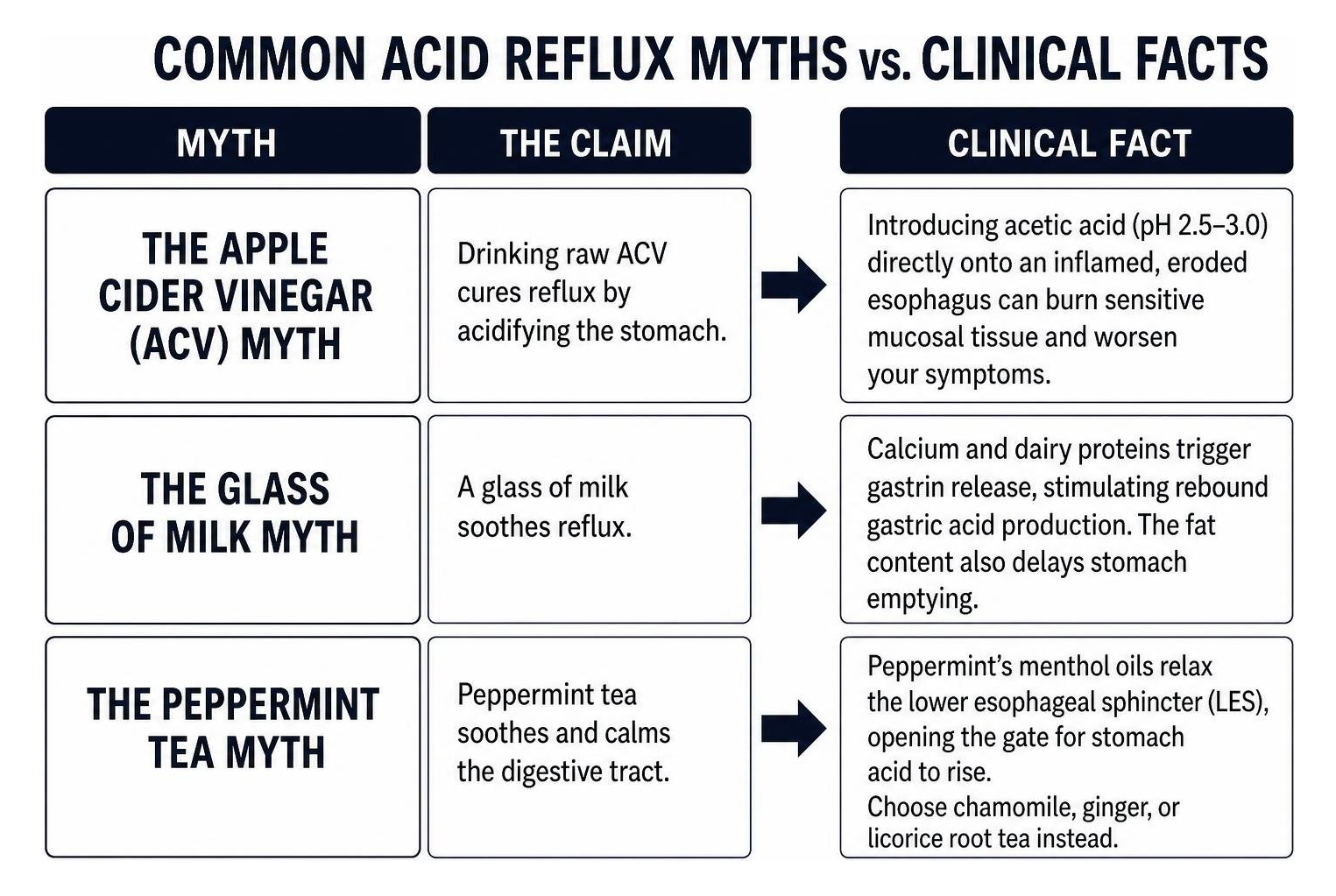
The Apple Cider Vinegar (ACV) Myth: Proponents claim drinking raw ACV cures reflux by acidifying the stomach. However, introducing acetic acid (pH 2.5–3.0) directly onto an inflamed, eroded esophagus can burn sensitive mucosal tissue and worsen your symptoms.
The Glass of Milk Myth: While cold milk may feel soothing initially by coating the esophagus, the calcium and dairy proteins trigger gastrin release, stimulating rebound gastric acid production. The fat content also delays stomach emptying.
The Peppermint Tea Myth: Peppermint is known to soothe lower intestinal cramps, but its volatile menthol oils relax the smooth muscle of the lower esophageal sphincter. Drinking peppermint tea opens the gate for stomach acid to rise. Stick with chamomile, ginger, or licorice root tea instead.
Red Flag Symptoms Requiring Immediate Medical Attention
While short-term dietary adjustments provide rapid relief for uncomplicated reflux, diet alone is not a substitute for clinical care when red flags appear. Consult a physician or gastroenterologist promptly if you experience:
Progressive difficulty swallowing (dysphagia) or painful swallowing (odynophagia).
Unexplained, unintentional weight loss.
Persistent vomiting, hematemesis (vomiting blood), or black, tarry stools (melena).
Chronic hoarseness, persistent unexplained coughing, or choking sensations at night.
Chest pain that radiates to your jaw, neck, back, or left arm (which requires emergency evaluation to rule out cardiovascular issues).
Frequently Asked Questions About Acid Reflux Diet Plans
Can a 7-day acid reflux diet heal GERD permanently?
A 7-day diet plan calms active flare-ups, relieves acute symptoms, and allows irritated mucosal tissues to begin healing. However, it is a short-term reset rather than a permanent cure. Sustained relief requires identifying personal dietary triggers, adopting long-term lifestyle habits (such as eating smaller meals and avoiding late dinners), and addressing root causes like low stomach acid, hiatal hernia, H. pylori overgrowth, or small intestinal bacterial overgrowth (SIBO).
How does this meal plan compare to Mediterranean or low-fermentation diets?
A low-acid GERD meal plan focuses primarily on pH balance, low-fat cooking, and avoiding foods that relax the esophageal sphincter. In contrast, the Mediterranean diet emphasizes heart-healthy fats, unrefined whole grains, and fresh produce—though it frequently includes acidic triggers like tomatoes, garlic, citrus, and wine that need modifying for reflux.
Targeted low-fermentation protocols limit fermentable carbohydrates (FODMAPs, resistant starches) to reduce intestinal gas and upward intra-abdominal pressure. Review our digestive food list to see how reducing gut fermentation can complement a low-acid diet for reflux relief.
Why do peppermint and full-fat milk worsen heartburn symptoms?
Peppermint contains volatile aromatic oils that relax the smooth muscle fibers of the lower esophageal sphincter, allowing stomach acid to splash back into the esophagus.
Full-fat milk contains high levels of dairy fats and proteins. The fat delays stomach emptying and increases intragastric pressure, while the combination of protein and calcium stimulates parietal cells to produce rebound gastric acid.
Conclusion

Acid reflux does not have to control your daily life or dictate every meal. By stepping away from common dietary triggers and choosing gentle, low-acid, nutrient-rich meals, you give your lower esophageal sphincter and esophageal lining the environment they need to recover.
Use this 7-day plan as an informative reset to learn your body's unique digestive patterns, identify hidden triggers, and build sustainable eating habits.
At Functional Medicine Fast Track, we help healthcare professionals identify root causes and deliver comprehensive digestive and lifestyle solutions. To build a personalized foundation for digestive health, download our comprehensive elimination diet food plan and begin your path toward long-term gut recovery today.