
A Quick Start Guide to a 21-Day Cleanse Plan
Understanding Detoxification: The Science Behind a 21 Day Cleanse Plan
A 21-day cleanse plan is a three-week whole-food reset designed to temporarily remove common inflammatory triggers while supplying the nutrient-dense proteins, healthy fats, and cruciferous vegetables that support Phase 1 and Phase 2 liver biotransformation. Instead of relying on extreme caloric restriction, this approach focuses on reducing digestive burden and providing essential cofactors for the body's built-in clearance pathways.
The concept of a "cleanse" is often surrounded by exaggerated marketing claims, but the underlying biology is straightforward. Human physiology relies on continuous hepatic biotransformation—a biochemical process primarily conducted by the liver, along with the gastrointestinal tract, kidneys, lungs, and skin.
Every day, the body encounters exogenous compounds (such as environmental pollutants, medications, and food additives) and endogenous metabolic byproducts (such as hormones and cellular waste). To excrete fat-soluble substances safely, the liver must transform them into water-soluble forms through two coordinated stages known as Phase 1 and Phase 2 biotransformation.
How Phase 1 and Phase 2 Liver Detoxification Works
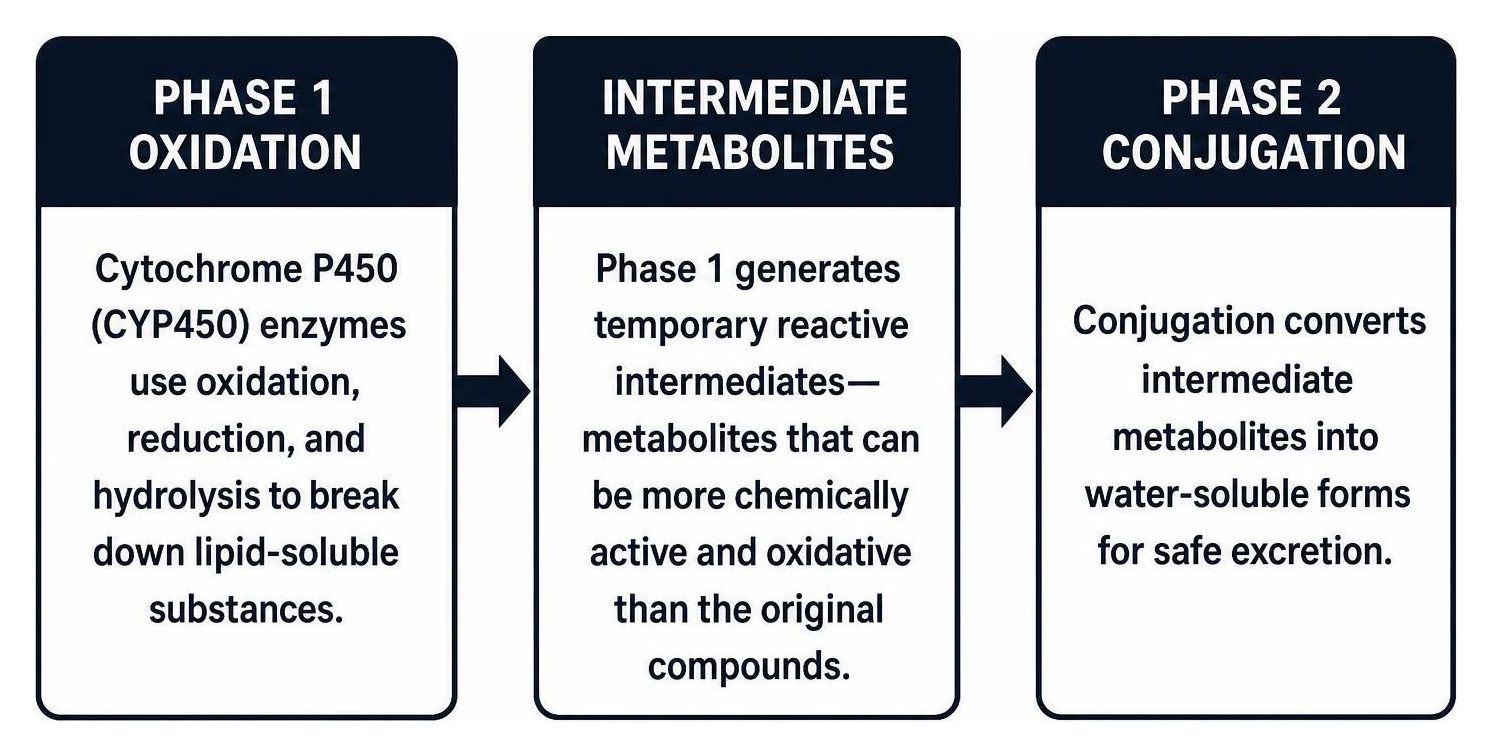
Phase 1 relies primarily on the cytochrome P450 (CYP450) family of enzymes. Through oxidation, reduction, and hydrolysis, these enzymes break down lipid-soluble substances. This conversion often generates temporary reactive intermediates—metabolites that can be more chemically active and oxidative than the original compounds.
If these intermediate molecules linger without swift conversion, they can cause cellular stress. This is where Phase 2 conjugation steps in:
Phase 1 Oxidation: CYP450 enzymes use oxygen and cofactors like B vitamins (B2, B3, B6, folate, B12), vitamin C, and flavonoids to alter the chemical structure of compounds.
Phase 2 Conjugation: Specific enzymes attach an endogenous molecule—such as an amino acid, sulfur group, glucuronic acid, or glutathione—to the reactive intermediate, neutralizing it and making it completely water-soluble.
Excretion (Phase 3): The water-soluble molecules are transported through bile into the stool or through blood filtration into urine for elimination.
Phase 2 pathways require specific amino acids, including glycine, glutamine, taurine, cysteine, and methionine, along with sulfur compounds and glutathione precursors. When a diet lacks adequate protein or key micronutrients, Phase 2 biotransformation may become sluggish relative to Phase 1, leading to intermediate buildup. A balanced 21-day detox plan provides the dietary building blocks necessary to keep both phases working smoothly.
Core Principles of a 21 Day Cleanse Plan
A clinically grounded 21 day cleanse plan focuses on whole-food nourishment rather than extreme caloric restriction. Aggressive juice fasts or prolonged water fasts often fall short because they lack the protein and healthy fats necessary to fuel Phase 2 enzymes and support gut barrier integrity.
Program Type | Macronutrient Balance | Metabolic Support | Safety & Sustainability |
|---|---|---|---|
Juice Cleanses | High sugar/fructose, very low protein, zero healthy fats | May deplete Phase 2 amino acid reserves | Risk of blood sugar spikes and muscle loss |
Water Fasts | Zero macronutrients | Mobilizes fat stores without amino acid support | High stress on adrenal pathways; lacks vital cofactors |
Whole-Food Resets | Balanced complex carbohydrates, quality proteins, healthy fats | Full Phase 1 and Phase 2 micronutrient and amino acid support | Highly sustainable, supports gut barrier, preserves lean mass |
When selecting a dietary approach, referencing a comprehensive elimination diet food list helps ensure you receive rich micronutrient diversity while steering clear of potential dietary irritants.
Foods to Eat and Foods to Avoid for an Effective Reset
During a 21-day reset, dietary intake should emphasize nutrient density, antioxidant support, and microbiome diversity while temporarily removing common dietary stressors.
Nutrient-Dense Foods to Support Detoxification Pathways
To supply the necessary cofactors for hepatic and digestive support, we prioritize these functional whole foods:
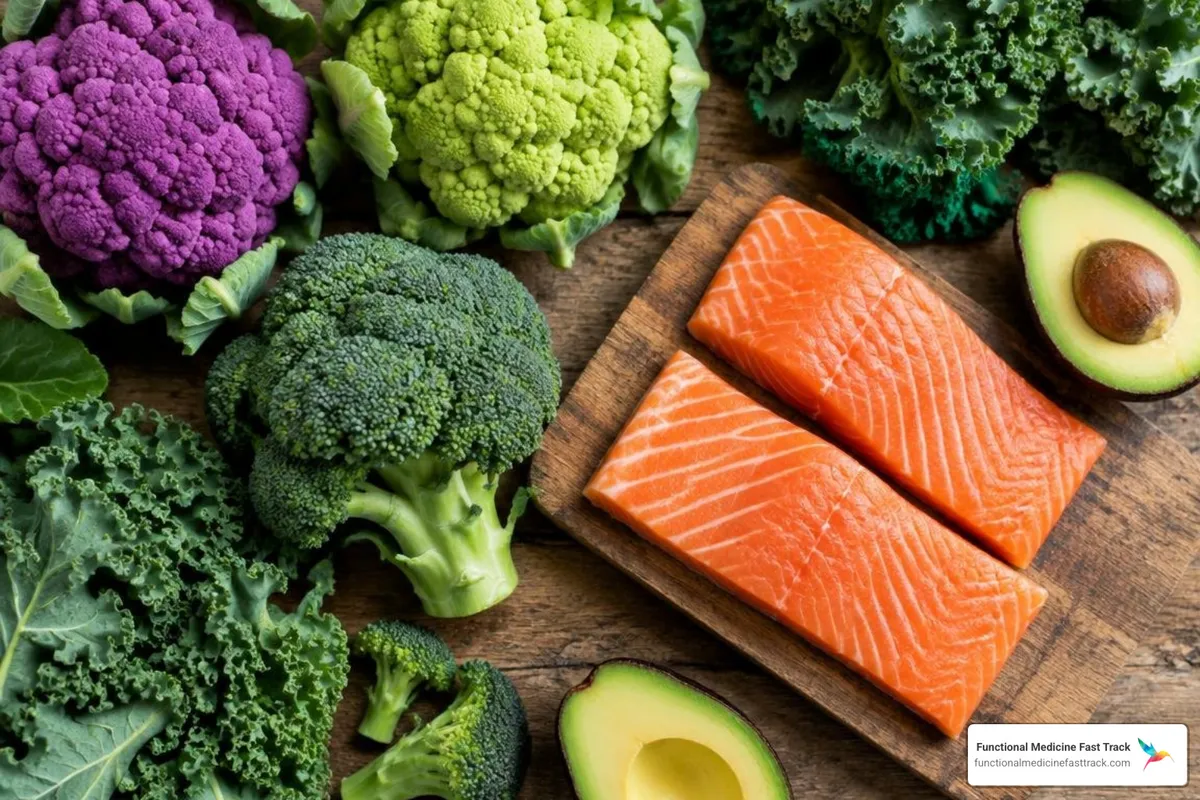
Cruciferous Vegetables: Broccoli, Brussels sprouts, cabbage, cauliflower, and kale contain glucosinolates, which hydrolyze into isothiocyanates like sulforaphane to stimulate Phase 2 enzymes.
Allium Family: Garlic, onions, leeks, and shallots supply dietary sulfur, essential for sulfation pathways and natural glutathione synthesis.
High-Quality Proteins: Wild-caught fish, organic pasture-raised poultry, and clean plant-based protein blends (such as hemp or pea) deliver the essential amino acids required for cellular repair and conjugation.
Healthy Fats: Extra virgin olive oil, avocados, chia seeds, and flaxseeds provide essential fatty acids that support bile flow, cell membrane fluidity, and fat-soluble vitamin absorption.
Polyphenol-Rich Fruits: Blueberries, blackberries, pomegranates, and cranberries offer anthocyanins and ellagic acid that assist cellular defense. For a broader range of options, reviewing an anti-inflammatory food list can guide your daily grocery selections.
Common Potential Dietary Triggers to Eliminate
To give the digestive tract a meaningful rest and reduce unnecessary immune stimulation, several common food categories are paused:
Refined Sugars and Artificial Sweeteners: Highly processed sugars contribute to insulin fluctuations, while artificial sweeteners may disrupt microbiome balance.
Gluten and Refined Grains: For sensitive individuals, gluten-containing grains can irritate the intestinal lining. You can review a complete carb food list to find non-inflammatory carbohydrate sources like sweet potatoes, squash, and parsnips.
Conventional Dairy Products: Casein and lactose are frequent culprits behind sluggish digestion and sinus congestion.
Industrial Seed Oils: Corn, soybean, and cottonseed oils are high in unstable omega-6 fatty acids that can oxidize easily.
Ultra-Processed Foods and Additives: Preservatives and artificial flavorings place unnecessary demands on clearance pathways. Recognizing the 10 worst foods for gut health allows you to build meals that support steady digestion and comfortable energy levels.
Step-by-Step 3-Week Plan: Structuring Your Reset
A structured 21-day timeline provides a clear, manageable framework that moves from preparation to active reset and prepared transition.

Comparing Functional, Whole-Food, and Ayurvedic Approaches
Different wellness traditions offer unique lenses on the 21-day timeframe:
Functional Medicine Elimination: Focuses on identifying individual food sensitivities, restoring the mucosal barrier, and optimizing hepatic biotransformation through targeted nutrition and an elimination diet program.
Whole-Food Cleanse: Centers on removing processed items and eating single-ingredient whole foods without intensive tracking or specialized supplementation.
Ayurvedic Gut Reset: Employs mono-diet strategies like spiced kitchari (split mung dal and basmati rice) paired with herbal teas to soothe digestive fire (Agni) and calm nervous system tension.
Regardless of the approach chosen, following a structured elimination diet online guide ensures you meet your daily caloric and micronutrient needs without guesswork.
Sample Weekly Menu for a 21 Day Cleanse Plan
Here is a practical look at how a day of whole-food nourishment can be structured during your cleanse:
Morning Ritual: Warm filtered water with fresh lemon juice and a pinch of unrefined sea salt.
Breakfast: A balanced smoothie blending pea protein or hemp powder, wild blueberries, baby spinach, unsweetened coconut milk, and ground flaxseed.
Lunch: A large Mediterranean bowl featuring grilled wild salmon or pasture-raised chicken over a bed of arugula, cucumbers, kalamata olives, steamed broccoli, and avocado, dressed with extra virgin olive oil and lemon.
Afternoon Nourishment: Warm bone broth or mineral-rich vegetable broth alongside a handful of raw pumpkin seeds.
Dinner: Baked herb-crusted cod or roasted organic tempeh served alongside roasted kabocha squash, sauteed swiss chard with garlic, and steamed asparagus.
Evening: Calming chamomile or ginger tea, observing a 12-hour overnight digestive rest window before breakfast.
If you struggle with post-meal heaviness, exploring targeted support like digestive enzymes alongside meals can assist in breaking down complex plant fibers.
Lifestyle Support, Safety Considerations, and Long-Term Reintroduction
A cleanse is most effective when paired with supportive lifestyle practices that encourage natural excretion, nervous system balance, and gentle movement.

Hydration: Drink 8 to 10 glasses of filtered water daily to assist the kidneys in filtering water-soluble metabolites.
Lymphatic Flow & Movement: Engage in low-to-moderate intensity physical activity such as walking, yoga, or swimming. While vigorous workouts have their place, excessive physical stress during a cleanse can overtax the body.
Restorative Sleep: Deep sleep triggers the brain’s glymphatic clearance system and allows cellular repair mechanisms to operate uninterrupted. Aim for 7 to 9 hours of uninterrupted sleep each night.
Stress Modulation: Chronic psychological stress diverts blood flow away from digestive organs and slows hepatic biotransformation. Daily breathwork or nature walks help activate the parasympathetic nervous system.
Safety Considerations and Contraindications
A 21-day reset is intended for generally healthy adults. You should consult a qualified healthcare provider before beginning, particularly if you:
Have type 1 or type 2 diabetes or take medications that affect blood sugar.
Are pregnant, nursing, or planning to become pregnant.
Have a history of kidney disease, advanced liver disease, or cardiac conditions.
Have a history of disordered eating, where restrictive food plans could trigger unhealthy behavioral patterns.
Managing the Reintroduction Phase
The conclusion of Day 21 is not a signal to return immediately to old dietary habits. The transition phase is crucial for uncovering personal sensitivities. By following a structured approach to elimination diet phase 1, you can systematically reintroduce one food group at a time over a 3-day observation window. Keeping a log with an IFM elimination diet symptom tracker helps you connect specific foods to subtle reactions like fatigue, skin flare-ups, or digestive shifts.
Frequently Asked Questions About a 21-Day Cleanse
What is the primary purpose of a 21-day cleanse?
The primary purpose of a 21-day cleanse is to provide a structured, three-week pause from processed foods, refined sugars, and common dietary irritants. This timeframe allows digestive tissues to rest, supports natural Phase 1 and Phase 2 hepatic biotransformation pathways with whole-food nutrients, and helps establish mindful eating habits for the long term.
Can I exercise normally during a 21-day cleanse?
Moderate exercise is encouraged, but you should adjust intensity based on how your body feels. Activities like walking, light jogging, pilates, and restorative yoga support lymphatic drainage and circulation without placing high metabolic demands on your system. If you incorporate high-intensity interval training (HIIT), ensure you consume adequate complex carbohydrates and clean protein to prevent fatigue.
Who should consult a healthcare professional before starting?
Anyone with pre-existing medical conditions—especially blood sugar dysregulation, chronic kidney or liver disease, gallbladder disorders, or individuals taking prescription medications that depend on specific liver enzyme clearance—should consult a physician or licensed functional medicine practitioner before starting any cleanse or elimination program.
Conclusion
A well-structured 21 day cleanse plan provides a reliable way to shift away from processed food patterns and reconnect with nutrient-dense, whole-food nourishment. By supporting your body’s natural biotransformation systems rather than relying on extreme restrictions, you lay the groundwork for steady energy, comfortable digestion, and sustainable wellness.
If you are ready to take a comprehensive, guided approach to understanding your body's nutritional needs, explore our complete 21-day elimination diet guide to get started on your personal health journey.