

Simple Whole-Food Strategies to Enhance Your 21-Day Detox Plan PDF Routine
Build a 21-Day Detox Plan PDF Around Whole Foods
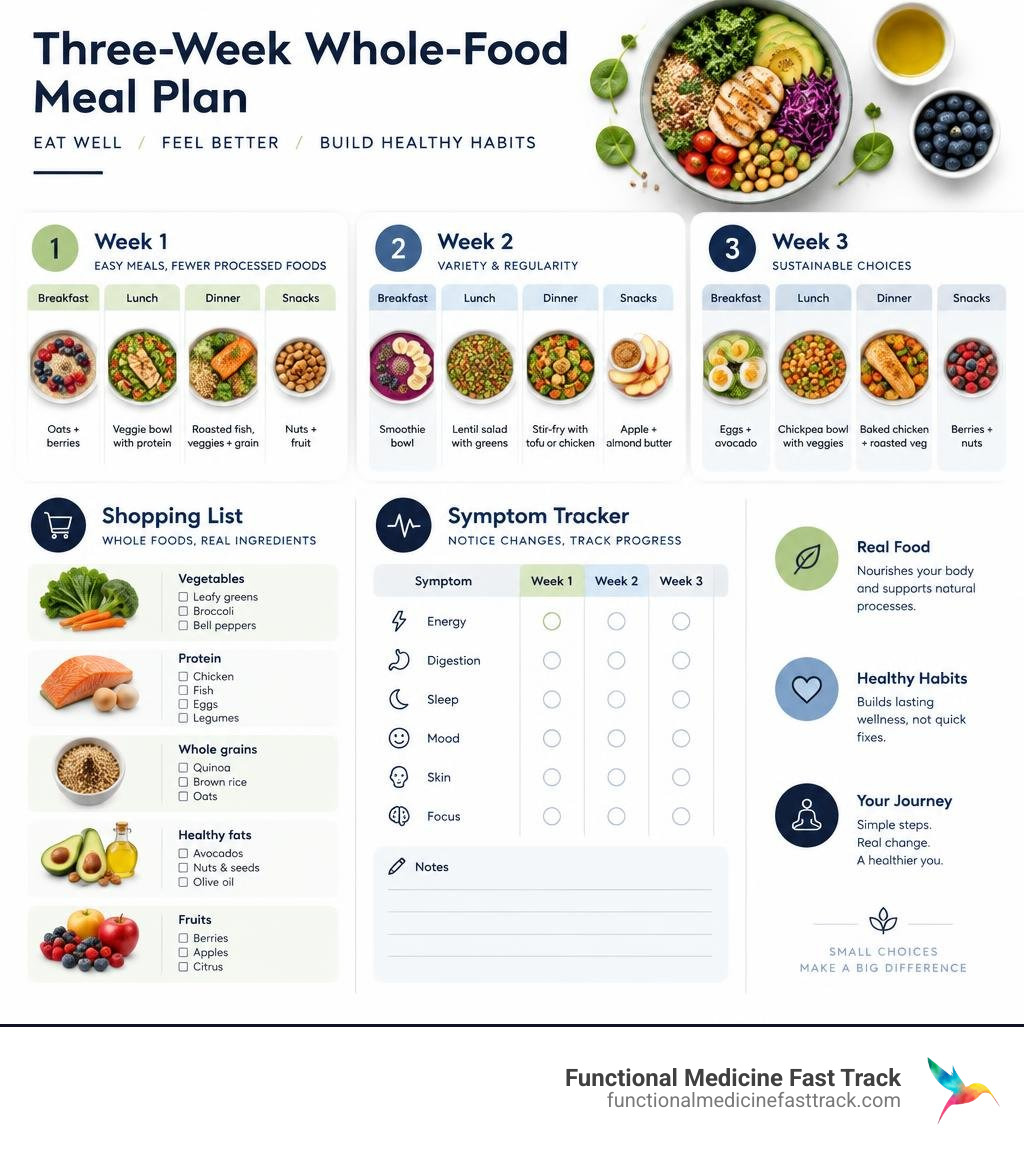
To make a 21-day detox plan PDF you can use, start with a simple three-week meal schedule and save it as a PDF. For each day, plan meals with vegetables, a protein source, fiber-rich carbohydrates, and healthy fats. Add a shopping list and space to track meals and symptoms.
Week 1: Prepare easy meals and ease back on highly processed foods.
Week 2: Keep meals varied and regular. Note how you feel.
Week 3: Choose meals you can keep making after day 21.
Your liver and kidneys already help your body process and remove waste. This plan is about building eating habits, not flushing out toxins or promising a “reset.” Avoid extreme restrictions, and check with a healthcare professional before making major diet changes if you have a medical condition.
I’m Garric Vosloo, CEO of Functional Medicine Fast Track. From more than 30 years of patient consulting and practice ownership, I’ll show you how to make a 21-day detox plan PDF practical, flexible, and grounded in whole foods.
Understanding the Functional Science Behind a 21-Day Detox Plan PDF Approach
When we discuss metabolic detoxification, we are looking at natural physiological processes rather than extreme juice cleanses or unproven quick fixes. Every single day, our internal organs work continuously to process endogenous byproducts (metabolites produced by our own cells) and exogenous compounds (substances from our environment, food, water, and air).
Modern living exposes us to a wide variety of synthetic substances. The Centers for Disease Control and Prevention (CDC) reports that hundreds of environmental chemicals are measurable in human blood and urine samples. Furthermore, there are approximately 80,000 chemicals registered for commercial use in the United States. Rather than relying on aggressive fasting that can deplete vital nutrient reserves, an evidence-informed whole-food plan provides the exact nutritional building blocks your organs need to handle this daily toxic load safely and efficiently.
Phase 1 and Phase 2 Liver Biotransformation Pathways
The liver serves as the primary processing hub for metabolic biotransformation. This system operates in two synchronized phases:
Phase 1 (Functionalization/Oxidation): The cytochrome P450 enzyme superfamily modifies fat-soluble compounds, turning them into intermediate molecules. This chemical transformation produces reactive oxygen species, which means adequate dietary antioxidants are critical to prevent cellular oxidative stress.
Phase 2 (Conjugation): Specialized enzymes attach water-soluble molecules—such as amino acids, sulfur groups, or glutathione—to the intermediate compounds. This step neutralizes reactivity and allows your body to safely eliminate the substances through bile (into the stool) or kidneys (into the urine).
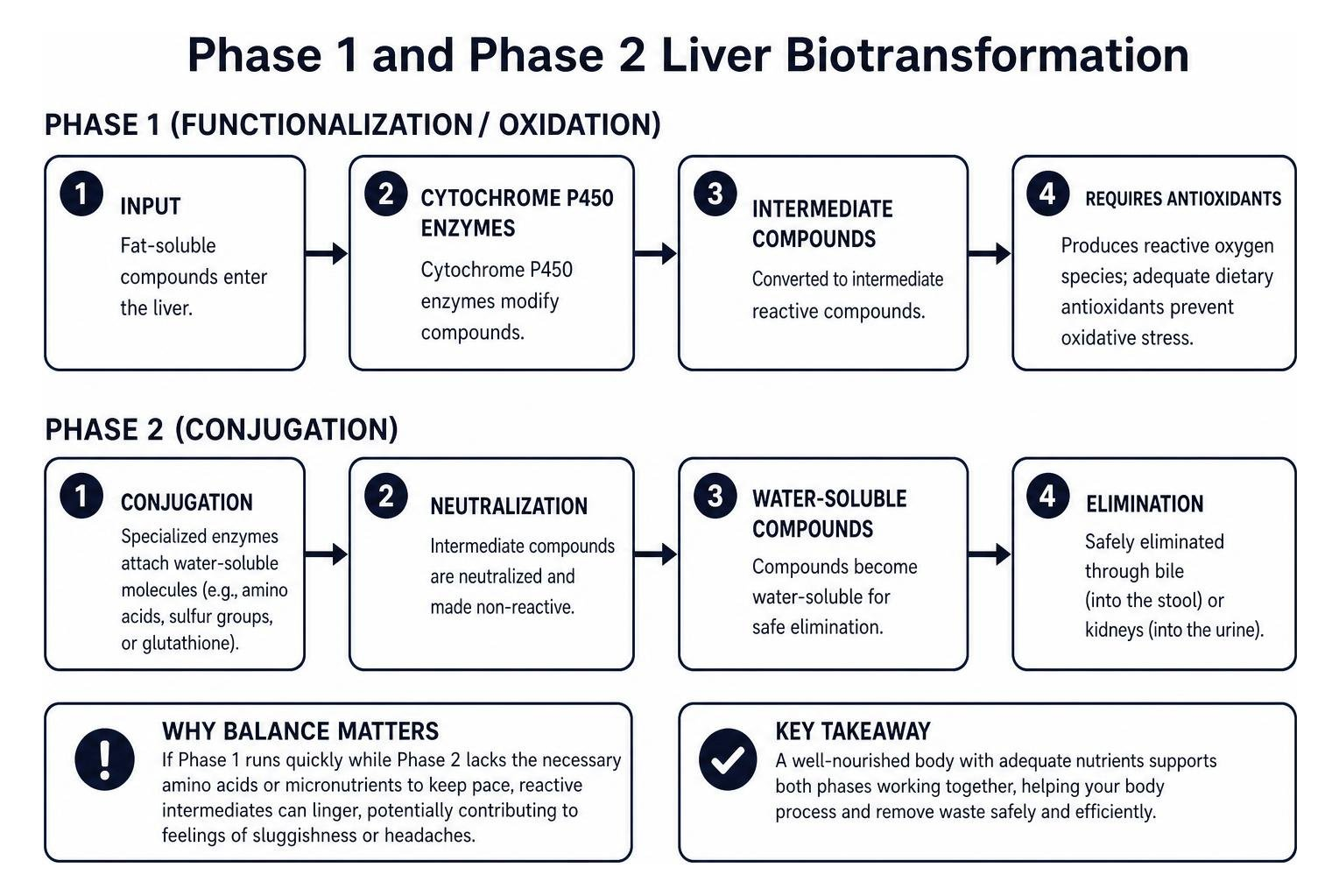
If Phase 1 runs quickly while Phase 2 lacks the necessary amino acids or micronutrients to keep pace, reactive intermediates can linger, potentially contributing to feelings of sluggishness or headaches. Reviewing our Elimination Diet Phase 1 Guide can help you understand how whole-food inputs support initial metabolic balance.
Detox Phase | Primary Biochemical Function | Key Nutrient Cofactors | Whole-Food Dietary Sources |
|---|---|---|---|
Phase 1 (Oxidation) | Converts fat-soluble molecules into intermediate reactive compounds via Cytochrome P450 enzymes. | B-vitamins (B2, B3, B6, B12), Folate, Glutathione, Flavonoids, Vitamin C, Vitamin E. | Dark leafy greens, citrus fruits, berries, bell peppers, carrots, pasture-raised eggs. |
Phase 2 (Conjugation) | Attaches water-soluble molecules to intermediates to neutralize them for safe excretion. | Glycine, Taurine, Cysteine, Glutamine, Methionine, Sulfur, Selenium, Molybdenum. | Broccoli, Brussels sprouts, garlic, onions, wild salmon, pasture-raised poultry, legumes. |
Key Health and Energy Benefits of Whole-Body Purification
Providing consistent, nutrient-dense nutrition over 21 days supports several fundamental health markers:
Cellular Vitality: By minimizing heavily processed foods, refined sugars, and artificial additives, you reduce baseline metabolic strain, freeing up cellular energy for tissue repair and maintenance.
Digestive Ease: Shifting to unprocessed foods high in soluble and insoluble fibers supports regular bowel movements, preventing the reabsorption of waste products from the colon.
Mental Clarity: Stable blood sugar and steady phytonutrient intake may support cognitive focus, helping you steer clear of afternoon brain fog and caffeine crashes. You can read more about sustaining your daily stamina in our Elimination Diet Energy Guide 2026.
Skin Health and Radiance: The skin often reflects internal gastrointestinal and metabolic balance. Supporting liver conjugation and gut elimination frequently leads to a clearer, healthier complexion.
Preparing for Your Cleanse and Managing Early Withdrawal Symptoms
Jumping directly into a structured nutrition program without adequate preparation can lead to uncomfortable "cleansing reactions," which are often simply acute withdrawal from caffeine, refined sugar, and processed foods.
Taking three to five days before Day 1 to ease off inflammatory triggers significantly improves your comfort and compliance. If you frequently experience gastrointestinal sensitivity when changing your fiber intake, our Elimination Diet for Gas and Bloating provides practical adjustments.
Step-by-Step Tapering Strategy to Minimize Side Effects
To prevent abrupt headaches, irritability, and severe fatigue, follow this gradual transition strategy:
Taper Caffeine Gradually: If you consume multiple cups of coffee daily, step down by half a cup each day. Substitute with organic green tea, dandelion root tea, or roasted chicory herbal blends to ease caffeine withdrawal.
Remove Refined Sugars: Eliminate sodas, pastries, sweetened yogurts, and packaged snacks. Replacing these with whole berries and complex carbohydrates helps stabilize blood glucose and insulin levels.
Identify Problematic Foods: Cut down on the heavily processed items listed in our guide to the 10 Worst Foods for Gut Health before starting your active 21-day window.
Hydrate Consistently: Aim to drink half your body weight in ounces of clean, filtered water each day. For example, a 160-pound individual should target roughly 80 ounces daily to support kidney filtration and bowel motility.
Exercise, Hydration, and Safe Frequency for Seasonal Detoxification
During an intensive three-week dietary shift, your physical body is redirecting substantial metabolic resources toward cellular repair and liver conjugation.

Prioritize Low-Impact Movement: Engage in 30 to 45 minutes of daily walking, gentle yoga, or mobility exercises. Avoid high-stress endurance training or maximal weightlifting sessions during weeks where caloric intake or carbohydrate sources are being modified.
Support Lymphatic Drainage: Gentle movement, skin brushing, and contrast showers encourage lymphatic fluid circulation, helping transport cellular waste toward elimination channels.
Maintain Electrolyte Balance: Research suggests that healthy adults generally require between 1,500 and 2,300 mg of sodium daily. Ensure you do not drastically under-consume minerals when switching to home-cooked whole foods.
Plan a Sustainable Frequency: Most individuals benefit from undertaking a comprehensive dietary reset once or twice per year—often during seasonal transitions in spring and autumn. Those addressing chronic issues may consider a structured approach quarterly under professional supervision.
Core Nutritional Guidelines: What to Eat and Avoid
A successful clean-eating plan is built upon abundance, variety, and nutrient density rather than severe caloric restriction. You can review clinical whole-food frameworks from major academic medical centers to see how healthcare professionals structure whole-food regimens.
Printable Dietary Framework Inside Your Plan
When designing your meal plan, focus on high-potency, anti-inflammatory whole foods while temporarily removing common dietary stressors:
Abundant Vegetables (Unlimited non-starchy): Fill half your plate with colorful vegetables. Prioritize cruciferous options (broccoli, cauliflower, kale, cabbage, arugula) rich in glucosinolates and sulfur compounds that upregulate Phase 2 enzymes.
Low-Glycemic Fruits (1–2 servings daily): Organic blueberries, blackberries, raspberries, and green apples supply polyphenols without causing steep blood sugar spikes.
Clean Proteins: Include wild-caught cold-water fish (salmon, sardines, mackerel), organic pasture-raised poultry, and plant proteins like lentils or sprouted legumes if well tolerated.
Healthy Fats: Incorporate extra virgin olive oil, avocado oil, whole avocados, walnuts, chia seeds, and ground flaxseeds.
Anti-Inflammatory Choices: Reference our Anti-Inflammatory Food List PDF and complete Elimination Diet Food List for pantry items that reduce digestive irritation.
Foods to Strictly Exclude: All artificial sweeteners, high-fructose corn syrup, refined seed oils (soybean, canola, corn), alcohol, gluten-containing grains, conventional dairy products, and processed meats.
Functional Supplementation to Support Elimination Channels
While whole foods provide the baseline, targeted nutraceuticals can support key organs:
Fiber Blends: Research indicates that the average person consumes far less than the recommended 20 to 30 grams of fiber each day. Adding psyllium husk, ground flaxseed, or apple pectin ensures bile acids and bound waste are excreted rather than reabsorbed.
Antioxidant and Liver Co-factors: Nutrients like N-acetyl cysteine (NAC), milk thistle extract (silymarin), alpha-lipoic acid, and targeted B-complex vitamins supply direct cofactors for Phase 1 and Phase 2 enzyme systems.
Digestive Enzymes: Supplementing broad-spectrum enzymes with meals may ease the digestive load as you introduce higher volumes of fibrous plant matter.
Reintroduction Strategy: Transitioning Safely After Day 21
Completing Day 21 is a fantastic milestone, but what you do on Day 22 and beyond determines your long-term success. Abruptly returning to processed foods, large dairy portions, or heavy gluten meals can trigger sudden digestive distress and fatigue.
Structuring Food Reintroduction with a Symptom Tracker
Use a methodical, single-ingredient testing strategy to identify unique food sensitivities:
Test One Food at a Time: Reintroduce a single eliminated food (such as sheep’s milk yogurt, pasture-raised eggs, or gluten-free oats) on Day 22. Eat a small portion at breakfast and lunch.
Observe for 48 to 72 Hours: Do not introduce any other new foods for the next two to three days. Continue eating your baseline 21-day whole-food meals.
Log All Symptoms Carefully: Track digestion, energy, skin reactions, mood, and sleep using the IFM Elimination Diet Symptom Tracker.
Decide on Retention: If no adverse symptoms appear after 72 hours, that food can be kept in your regular diet. If you experience bloating, skin flare-ups, joint stiffness, or headaches, remove the food and wait until symptoms fully clear before testing the next item.
Distinguishing Between Food Allergies and Food Intolerances
Understanding your body's feedback is essential during the re-entry phase:
True Food Allergy (IgE-Mediated): Involves an immediate immune system response. Symptoms can range from hives, facial swelling, and tingling in the mouth to life-threatening anaphylaxis. Allergies require strict medical diagnosis and ongoing avoidance.
Food Intolerance or Sensitivity (Non-IgE): Involves a delayed, non-life-threatening physiological reaction. Symptoms often emerge hours or days later as digestive upset, gas, bloating, brain fog, fatigue, or mild joint discomfort. Learn more about navigating this distinction in our guide on the Elimination Diet for Allergy Testing.
Frequently Asked Questions About 21-Day Cleanse Plans
How often should I complete a 21-day purification program?
Most healthy adults find great value in completing a comprehensive whole-food program once or twice a year, such as in early spring and autumn. This cadence provides a structured habit reset without causing nutritional stress. Those managing chronic inflammatory complaints or elevated occupational exposures may work with a healthcare provider to undertake a program quarterly.
What should I do if I experience headaches or fatigue during week one?
Mild headaches and transient fatigue during the first three to five days are commonly linked to caffeine withdrawal, changes in blood sugar balance, or shifting electrolyte levels. Ensure you are drinking adequate water (half your body weight in ounces) with a pinch of unrefined sea salt or trace minerals, prioritize seven to nine hours of quality sleep, and consider adding an extra serving of complex, fiber-rich carbohydrates like roasted sweet potatoes.
Can I continue strength training and high-intensity workouts during the detox?
We recommend adjusting your exercise intensity down to moderate or light levels during the 21 days. Walking, gentle cycling, Pilates, and restorative yoga allow your body to allocate physiological energy toward cellular biotransformation and tissue recovery rather than repairing exercise-induced muscle damage.
Conclusion
A well-structured 21-day whole-food plan serves as a practical, sustainable reset for your daily dietary habits. By prioritizing nutrient-dense foods, supporting liver biotransformation phases, and systematically tracking how your body responds during reintroduction, you create lasting vitality that extends well beyond three weeks.
For clinicians and practitioners looking to integrate functional nutrition programs seamlessly into their businesses, Functional Medicine Fast Track provides an all-in-one system for licensed healthcare professionals to start or scale functional-medicine practices, combining clinical mentorship, pre-built marketing funnels, and a done-for-you client platform. Its USP is the integrated three-pillar solution (clinical, marketing, platform) delivered under the practitioner’s brand.
To explore a detailed roadmap for your whole-food journey, download our comprehensive 21-Day Elimination Diet Guide and begin building your sustainable wellness routine today.