

Why Severe Heartburn and Low Iron Levels Often Go Hand in Hand
How Acid Reflux and Iron Deficiency Can Be Connected
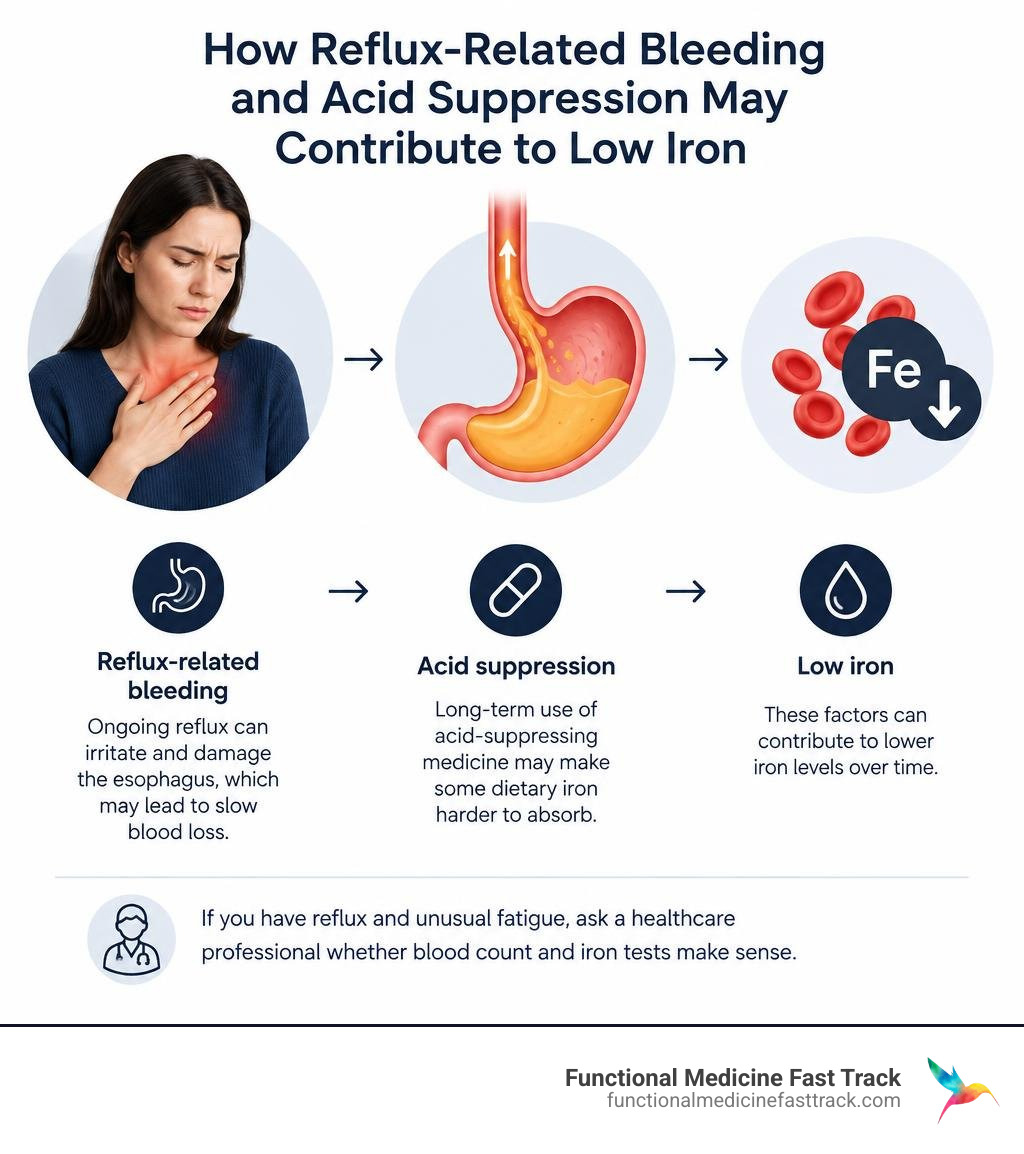
Acid reflux and iron deficiency can be linked, but heartburn alone does not drain iron. Severe, ongoing reflux may damage the esophagus and cause slow blood loss. Long-term use of acid-suppressing medicine may also make some dietary iron harder to absorb. If you have reflux and unusual fatigue, ask a healthcare professional whether blood count and iron tests make sense.
Low iron has many possible causes, so it is important not to assume reflux is responsible.
I'm Garric Vosloo, CEO of Functional Medicine Fast Track. More than 30 years consulting with patients and running two private practices have shaped how I approach questions about acid reflux and iron deficiency: start with the possible links, then look for evidence.
Understanding the Biological Connection Between Acid Reflux and Iron Deficiency
When examining digestive health, the stomach serves as the primary gateway for nutrient breakdown. Gastric juice is not merely a harsh fluid that causes discomfort when it travels upward; it is a critical physiological agent designed to prepare essential micronutrients for assimilation. Iron processing, in particular, depends heavily on the chemical environment created within the stomach.
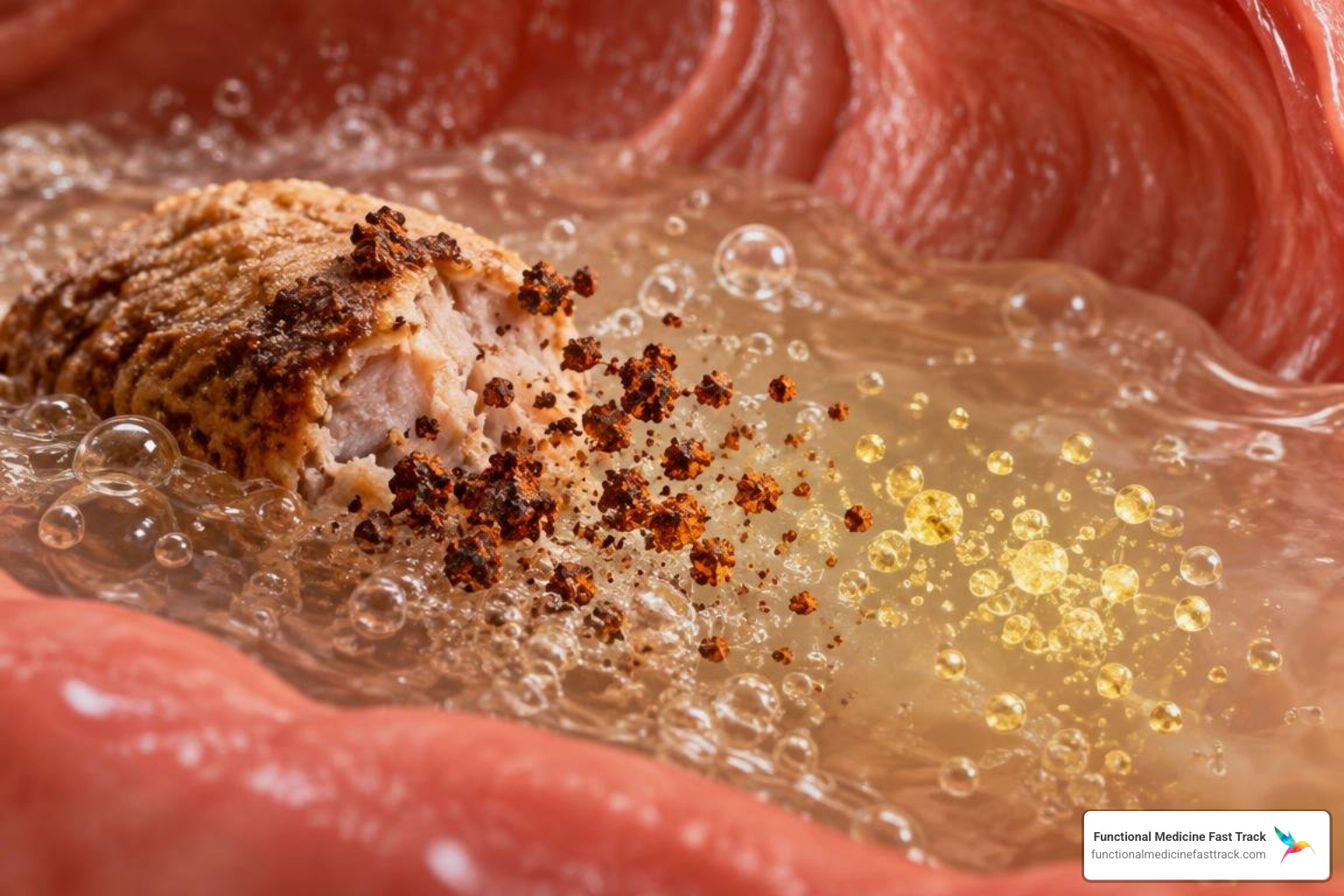
Dietary iron exists in two primary forms: heme iron (found in animal tissues) and non-heme iron (found in plant sources, fortified foods, and common supplements). Non-heme iron typically enters the digestive tract in its oxidized, ferric state (Fe³⁺). To be absorbed efficiently by the enterocytes of the duodenum and upper jejunum, ferric iron must be chemically reduced to its soluble ferrous state (Fe²⁺).
This chemical transformation requires a robustly acidic environment (ideally a gastric pH between 1.5 and 2.5). When gastric acid output is impaired, or when reflux disrupts normal upper gastrointestinal tract function, this critical reduction process falters. Adopting an evidence-based acid reflux diet can help support digestive balance while ensuring adequate nutrient intake.
How Esophageal Mucosal Damage Links Acid Reflux and Iron Deficiency
One direct physical mechanism connecting gastroesophageal reflux disease (GERD) to systemic iron loss is chronic mucosal injury. In persistent reflux, the delicate stratified squamous epithelium lining the esophagus is repeatedly exposed to hydrochloric acid, pepsin, and bile salts. Over time, this leads to reflux esophagitis, characterized by erosions, micro-ulcerations, and friable tissue.
While massive gastrointestinal hemorrhages are easy to detect, chronic low-grade blood loss often goes unnoticed. Microscopic volumes of red blood cells seep into the digestive lumen daily. Because each milliliter of blood contains meaningful amounts of elemental iron bound to hemoglobin, persistent occult bleeding gradually depletes systemic ferritin stores.
Research highlights this clinical connection. In a pediatric study published in Diagnostics examining 172 children with GERD, 23 participants (approximately 13.4%) presented with concurrent anemia, demonstrating lower mean serum iron concentrations compared to controls (Lupu et al., 2022). Furthermore, retrospective analyses in adult cohorts indicate that severe esophagitis accounts for a measurable subset of unexplained iron-deficiency cases due to persistent occult blood loss.
The Role of Hypochlorhydria in Acid Reflux and Iron Deficiency
It is a common clinical misconception that acid reflux is exclusively driven by an excess of stomach acid. In many individuals, the underlying issue is hypochlorhydria, or insufficient stomach acid production.
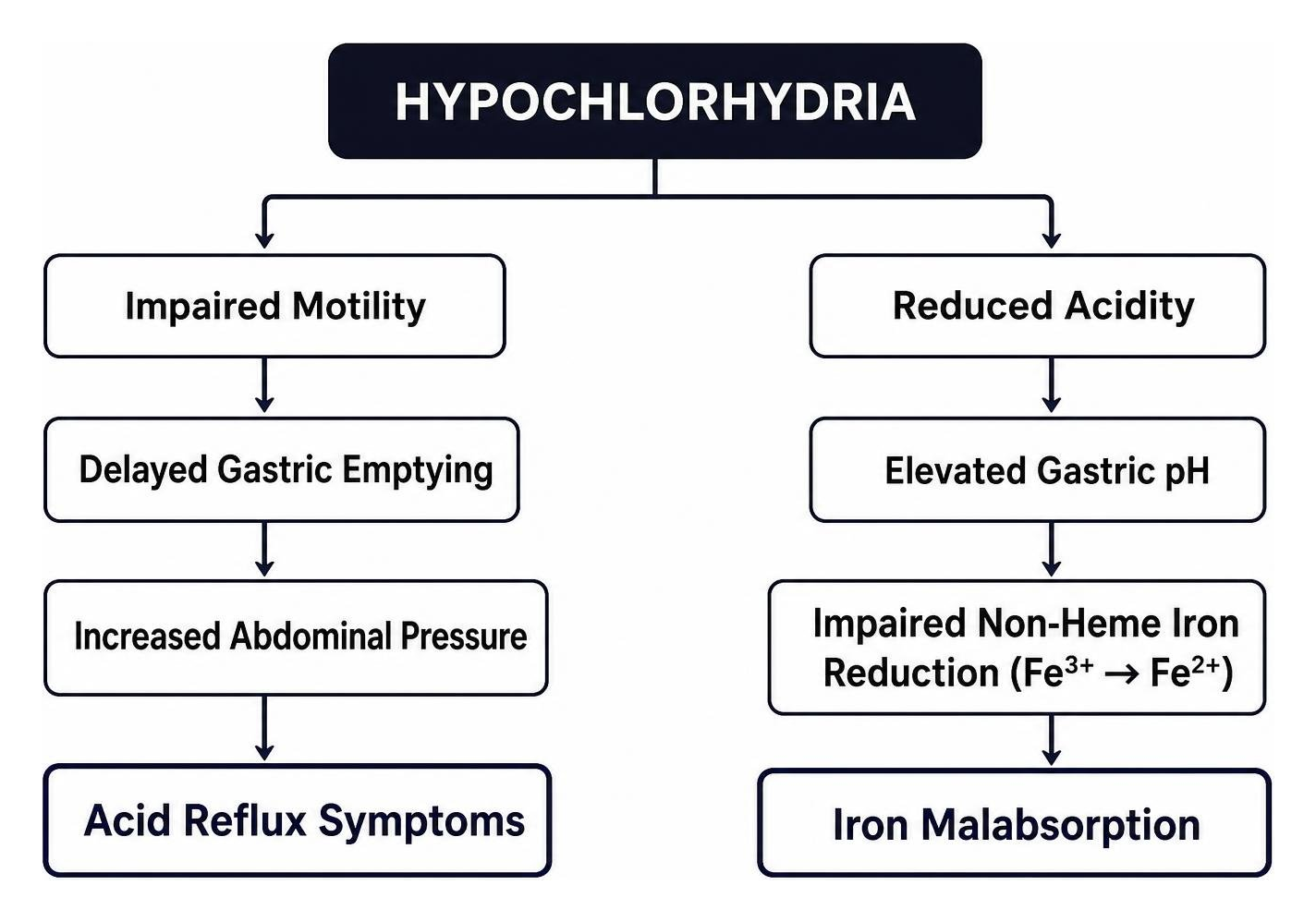
Adequate gastric acidity triggers the lower esophageal sphincter (LES) to close tightly while stimulating normal downstream gastric emptying. When stomach acid is insufficient:
Food remains in the stomach longer, increasing intra-abdominal pressure and promoting backward flow into the esophagus.
The gastric pH remains elevated, directly preventing the chemical reduction of non-heme iron into its bioavailable ferrous form.
The altered environment encourages bacterial overgrowth, which may further compromise mucosal health and nutrient transport.
Long-Term Acid Suppression and Nutrient Malabsorption
To manage chronic heartburn, millions of individuals turn to acid-suppressing pharmaceuticals, including proton pump inhibitors (PPIs) and histamine-2 receptor antagonists (H2RAs). While these medications provide symptom relief and allow mucosal healing, extended use profoundly alters upper GI physiology.
By inhibiting the H⁺/K⁺-ATPase enzyme in gastric parietal cells, PPIs raise the intragastric pH well above the threshold required for optimal mineral ionization. Large population studies confirm this drug-nutrient interaction. A comprehensive case-control study using Taiwan's National Health Insurance Research Database revealed that long-term use (two months or longer) of acid-suppressing medications was associated with a significantly higher risk of iron-deficiency anemia, with adjusted odds ratios increasing alongside the duration of continuous exposure (Wu et al., 2023).
Published medical literature also documents individual cases where severe anemia unresponsive to oral iron supplementation only resolved after tapering off chronic PPI therapy (Kobets & Kobets, 2021). Prolonged acid suppression may alter cellular iron regulatory pathways, including hepcidin and ferroportin dynamics, compounding the absorption defect.
Recognizing the Symptoms and Warning Signs of Deficiency in Reflux Patients
When systemic iron levels decline, cellular energy production and oxygen delivery suffer. Because the onset of iron deficiency is often gradual, patients frequently attribute their evolving symptoms to stress, aging, or poor sleep. Removing foods that irritate the gut barrier is an essential first step in reducing systemic inflammation and supporting nutrient utilization.
Overlooked Physical and Cognitive Symptoms
Iron is a vital cofactor in mitochondrial ATP synthesis, neurotransmitter metabolism, and hemoglobin formation. When stores are depleted, signs and symptoms can emerge across multiple body systems:
Profound Fatigue and Brain Fog: Unrelenting sluggishness and difficulty concentrating occur as tissue oxygenation drops.
Thermoregulatory Changes: Chronic cold hands and feet resulting from altered peripheral vascular responsiveness.
Nail and Skin Changes: Pale conjunctiva, pallor of the skin, brittle nails, or spoon-shaped depressions (koilonychia).
Restless Legs and Exercise Intolerance: Discomfort in the lower limbs at rest and rapid shortness of breath during mild exertion.
Unusual Sensory Cravings (Pica): Subtle or overt cravings to chew ice, chalk, or even strong affinities for volatile non-food aromas (such as paint or gasoline), which have been documented in published clinical reports (Kobets & Kobets, 2021).
When to Seek Immediate Medical Evaluation
While mild fatigue warrants routine evaluation, certain gastrointestinal symptoms indicate potential active bleeding or advanced pathology that requires prompt medical attention.
Patients experiencing any of these alarm symptoms should undergo a comprehensive gastroenterological workup, which often includes diagnostic upper endoscopy to directly assess esophageal tissue integrity.
Safe Treatment Strategies: Balancing Reflux Management and Iron Restoration
Managing coexisting acid reflux and low iron creates a therapeutic dilemma. Standard clinical strategies for anemia often exacerbate esophageal irritation, while standard reflux therapies can hinder iron absorption.

Why Conventional Iron Supplements Can Worsen Heartburn
The most frequently prescribed oral iron supplement is ferrous sulfate. While cost-effective, ferrous sulfate dissociates rapidly in the upper GI tract, releasing unabsorbed ionic iron.
Free iron in the gastric lumen undergoes Fenton-type chemical reactions, generating reactive oxygen species (ROS). This local oxidative stress damages the gastric and esophageal mucosa, triggering nausea, epigastric burning, abdominal cramping, and severe reflux flare-ups. Consequently, many patients discontinue therapy long before their iron stores normalize.
Gentle Supplementation and Clinical Delivery Alternatives
To restore systemic iron levels without triggering severe heartburn, practitioners often explore alternative formulations and administration strategies:
Iron Bisglycinate (Chelated Iron): In this form, elemental iron is bound to two glycine molecules. This chelation shields the metal ion from premature ionization, reducing mucosal irritation and minimizing oxidative stress in the stomach.
Liposomal Iron: Formulations that encapsulate iron within a phospholipid sphere allow the nutrient to bypass gastric breakdown entirely, facilitating direct absorption through microfold (M) cells in the intestinal wall.
Intravenous (IV) Iron Infusions: For patients with severe malabsorption, significant mucosal erosion, or complete intolerance to oral options, IV iron directly repletion stores without passing through the digestive tract.
Strategic Supplement Separation: Research evaluating nutrient parameters during prolonged acid-suppressive therapy demonstrates that timing matters (Wu et al., 2023). Separating oral iron supplements from acid-suppressing medications by several hours, or pairing non-heme iron with small amounts of ascorbic acid (vitamin C), may improve bioavailability.
Dietary and Lifestyle Strategies for Reflux and Nutrient Absorption
A sustainable approach to managing reflux while supporting iron absorption focuses on whole-food nutrition, meal mechanics, and nervous system regulation.
Targeted Nutrition and Meal Hygiene
Dietary adjustments should prioritize easily absorbed nutrients while removing items that lower LES pressure or irritate inflamed tissue. Selecting anti-inflammatory food options helps support epithelial recovery throughout the digestive tract.
Prioritize Heme Iron Sources: Incorporate moderate portions of organic poultry, pasture-raised eggs, and lean meats. Heme iron absorption is less dependent on gastric acidity than non-heme iron, making it more bioavailable for individuals with hypochlorhydria or those taking acid suppressants.
Pair Non-Heme Iron with Ascorbic Acid: Combine plant-based iron sources (such as cooked spinach or lentils) with vitamin C-rich foods that do not trigger reflux (like broccoli, leafy greens, or bell peppers) to help convert ferric iron to ferrous iron naturally.
Choose Gentle, Digestible Carbohydrates: Opt for soothing staples like jasmine rice for acid reflux management to provide energy without delaying gastric emptying.
Practice Mindful Eating Mechanics: Chew each bite thoroughly (20 to 30 times) to mechanically break down food and stimulate salivary enzymes, reducing the workload on the stomach.
Follow Structured Dietary Frameworks: Utilizing an elimination diet approach for acid reflux while respecting clear acid reflux dietary restrictions can help identify personal food triggers without causing broad nutritional deficiencies.
Lifestyle Habits to Support Digestion and Lower Esophageal Function
Physical and mechanical adjustments provide significant relief by supporting healthy gastrointestinal motility:
Elevate the Head of the Bed: Raise the head of your bed 6 to 8 inches using solid risers rather than extra pillows. This uses gravity to keep stomach contents from migrating into the esophagus during sleep.
Adopt Left Lateral Sleeping: Sleeping on your left side positions the gastroesophageal junction above the gastric pool, physically reducing nocturnal reflux events.
Post-Meal Ambulation: Engage in a gentle 10 to 15-minute walk after meals to promote gastric motility and accelerate stomach emptying.
Avoid Late-Night Intake: Conclude all food and caloric beverage consumption at least three hours before lying flat.
Engage the Parasympathetic State: Practice 3 to 5 slow, diaphragmatic breaths before each meal to help switch the autonomic nervous system from "fight-or-flight" into "rest-and-digest," supporting natural digestive secretions.
Frequently Asked Questions About Acid Reflux and Iron Levels
Can chronic GERD directly cause severe anemia?
Yes, chronic GERD can contribute to severe iron-deficiency anemia through two primary avenues: chronic, low-grade occult blood loss from severe esophagitis or esophageal ulcerations, and reduced iron uptake resulting from long-term acid-suppressing medications. When acid exposure continually damages the esophageal lining, the cumulative red blood cell loss can steadily deplete systemic iron stores.
Why do iron pills often trigger intense heartburn?
Conventional iron pills, particularly ferrous sulfate, dissolve rapidly in the stomach and release free ionic iron into the gastric lumen. This free iron catalyzes oxidative chemical reactions that irritate the mucosal barrier of the stomach and lower esophagus. This irritation can weaken LES tone and trigger acute heartburn, nausea, and upper abdominal pain.
How long does it take for iron levels to improve after adjusting PPI therapy?
The timeline for iron restoration depends on the severity of the initial deficiency and the specific clinical plan used. When a healthcare provider adjusts or tapers acid-suppressive therapy and introduces bioavailable iron options, red blood cell production (erythropoiesis) typically begins to reflect improvements in complete blood count markers within 4 to 8 weeks. However, fully replenishing bone marrow and tissue ferritin stores often requires 3 to 6 months of consistent, guided nutritional support.
Conclusion
The link between acid reflux and iron deficiency highlights how closely connected digestive physiology, systemic nutrition, and pharmacology are in the body. When upper gastrointestinal health is compromised—whether through chronic mucosal erosion, low stomach acid, or prolonged reliance on acid-suppressing medications—the body's ability to maintain healthy iron stores is significantly diminished.
Addressing this connection effectively requires moving beyond simply masking symptoms. By investigating the root causes of reflux, supporting the mucosal barrier, choosing gentle forms of nutritional support, and adopting mindful eating habits, patients can work toward resolving discomfort while restoring their systemic energy reserves. Healthcare practitioners who want a practical framework for implementing these dietary strategies can utilize our 7-day acid reflux diet meal plan to help guide their patients toward lasting digestive wellness.
References
Lupu VV, Miron I, Buga AML, Gavrilovici C, Tarca E, Adam Raileanu A, Starcea IM, Cernomaz AT, Mocanu A, Lupu A. "Iron Deficiency Anemia in Pediatric Gastroesophageal Reflux Disease.." Diagnostics (Basel, Switzerland), 2022. PMCID PMC9818737. Yi-Ting Wu, Ya-Ting Lu, Chao-Yu Chu, Horng-Jiun Chao, Li-Na Kuo, Kuei-Ju Cheng, Hsiang-Yin Chen. "Is use of a long-term proton pump inhibitor or histamine-2 receptor antagonist a risk factor for iron-deficiency anaemia in Taiwan? A neglected clinical drug-drug interaction." Family Practice, 2023. DOI 10.1093/fampra/cmad090. Kobets A, Kobets K. "An Unusual Presentation of Iron-Deficiency Anemia: An Autobiographical Case Report.." Cureus, 2021. PMCID PMC8760012.