
The Ultimate Guide to Jasmine Rice and Acid Reflux
Is Jasmine Rice Good for Acid Reflux?
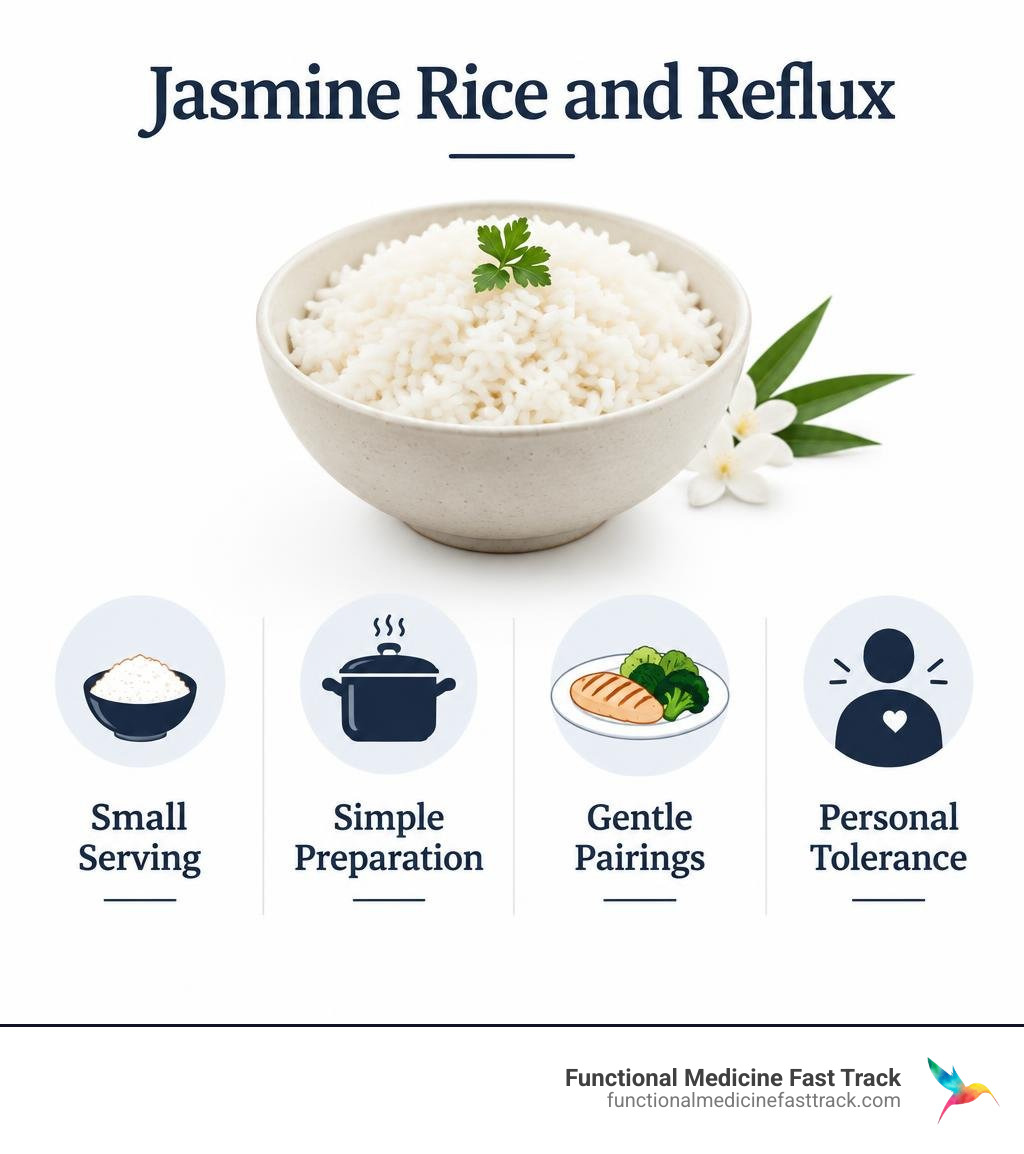
Plain, cooked jasmine rice is generally a reasonable choice for people with acid reflux. It is naturally low in dietary fat and usually easy to digest, which means it rarely places excessive strain on the upper digestive system. However, it will not resolve or stop acid reflux on its own. For the best digestive comfort, start with a modest serving, pair it with lean protein sources and cooked non-acidic vegetables, and pay close attention to your individual tolerance. Consuming an oversized portion, eating too fast, or combining the rice with rich, oily, or heavily spiced sauces is far more likely to trigger discomfort than the rice itself.
Acid reflux occurs when the lower esophageal sphincter relaxes inappropriately, allowing stomach contents and gastric acid to travel backward into the esophagus. Multiple everyday factors influence this mechanism, including total meal volume, eating schedule, stomach emptying rate, and the specific culinary ingredients combined in your meal. This practical guide explores where steamed jasmine rice fits within a reflux-friendly nutritional routine, how it behaves during an active flare-up, and how to prepare it thoughtfully without assuming every individual responds the exact same way.
I am Garric Vosloo, and over my three decades of clinical consulting and educating healthcare professionals in functional medicine, I have seen that questions such as whether jasmine rice suits reflux are most effectively answered by looking at digestive physiology, cooking methods, and personal digestive tolerance.
Is Jasmine Rice a Suitable Choice for Acid Reflux? Key Nutritional Properties
When navigating gastroesophageal irritation, discovering bland, soothing carbohydrate staples is a central step in supporting daily gastrointestinal comfort. Jasmine rice is an aromatic, long-grain cultivar originally grown in Thailand. It provides clean energy while placing minimal mechanical or biochemical demands on the upper digestive tract. From a functional perspective, food choices must be evaluated based on how they alter gastric clearance times, stomach distension, intra-abdominal pressure, and lower esophageal sphincter resting tone.
Nutritional Profile and Acidity Level of Jasmine Rice
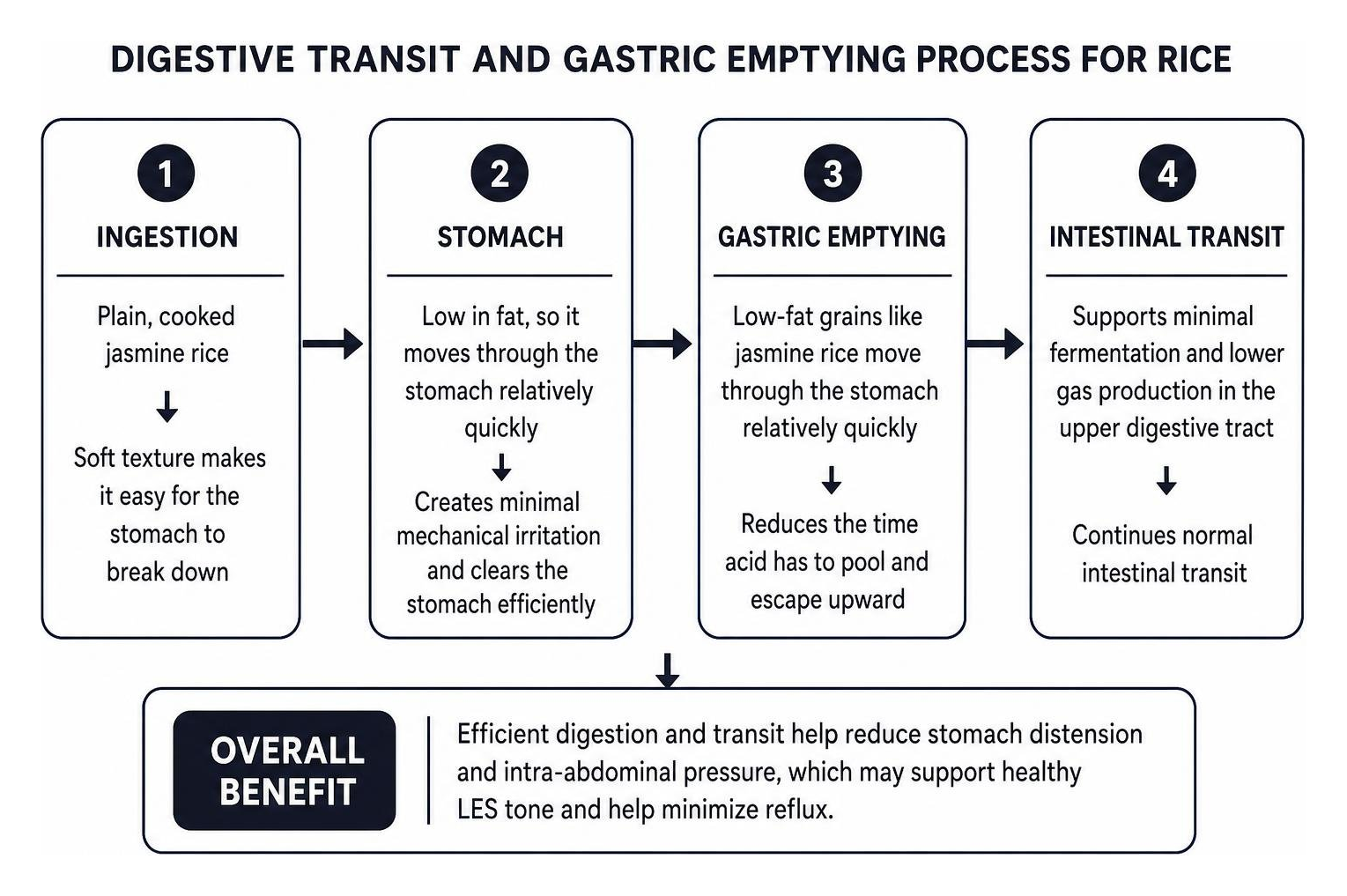
Cooked white jasmine rice is primarily composed of easily accessible carbohydrates alongside a modest amount of plant protein, with negligible quantities of dietary fat and minimal insoluble fiber. High dietary fat content is widely recognized to delay gastric emptying, meaning high-fat meals linger in the stomach and increase upward pressure against the lower esophageal barrier. Because plain jasmine rice is naturally lean, it tends to transit the stomach promptly, reducing the duration during which gastric juices pool and risk refluxing upward.
Regarding pH and acidity, cooked jasmine rice registers in a near-neutral pH window, typically between 6.0 and 6.8. It is not an inherently acidic food, so it avoids chemically irritating sensitive or inflamed esophageal mucosa. Furthermore, jasmine rice possesses a distinctive starch profile characterized by soft, tender grains upon steaming. This texture enables digestive enzymes in saliva and gastric secretions to break down starches smoothly, which may help minimize excess fermentation and upper gastrointestinal gas formation.
How Jasmine Rice May Fit During Acid Reflux Flare-Ups
During an acute reflux flare-up, the esophageal mucosal barrier is often hyper-reactive, making coarse, fibrous, overly seasoned, or highly acidic foods uncomfortable. Plain, steamed jasmine rice functions as a gentle foundation food because its soft consistency creates very little mechanical friction against irritated tissue while emptying the stomach without unnecessary delay.
To systematically determine personal digestive triggers during or after a flare-up, many practitioners recommend identifying trigger foods through an elimination diet to ensure that specific carbohydrate choices align well with your individual gastrointestinal physiology and metabolic needs.
Jasmine Rice vs. Other Grains: A Reflux Comparison
Different culinary grains behave in distinct ways throughout the digestive tract. Factors such as grain structure, fiber composition, and digestion rate can influence stomach fullness and intra-abdominal pressure. Reviewing foundational guidelines in an acid reflux diet offers a comprehensive framework for selecting the right grains for your digestive health.
Evaluating Jasmine Rice Compared to Brown and Basmati Rice
Whole-grain brown rice retains its outer fibrous bran and nutrient-dense germ layer. While this provides higher amounts of insoluble fiber and minerals, the additional fiber requires extended churning in the stomach and can sometimes provoke bloating or delayed gastric emptying in sensitive individuals during an acute flare-up. In contrast, white basmati rice contains a higher proportion of amylose starch, creating separate, firm grains that digest at a moderate speed with a slightly lower glycemic response. White jasmine rice contains slightly more amylopectin, resulting in a softer, stickier grain that breaks down rapidly and places minimal digestive burden on the stomach lining.
Rice Type | Digestibility Speed | Fiber Content (per cup) | Flare-Up Suitability | Primary Benefit |
|---|---|---|---|---|
White Jasmine | Rapid / High | Low (<1g) | High | Gentle on stomach lining; easy transit |
White Basmati | Moderate | Low (<1g) | High | Lower glycemic response; light grain |
Brown Rice | Slower | Moderate (3–3.5g) | Moderate / Low | Sustained energy; higher fiber for long-term health |
Short-Grain White | Rapid | Low (<1g) | Moderate | Very sticky; higher starch density |
Alternative Grains to Consider: Quinoa, Oatmeal, and Couscous
Beyond rice varieties, several other gentle grains and seeds can fit nicely into a reflux-conscious meal plan:
Oatmeal: Packed with soluble beta-glucan fiber, well-cooked oatmeal creates a smooth, coating texture that may help buffer stomach acid.
Quinoa: A gluten-free seed that provides complete plant protein and gentle complex carbohydrates, though it should be thoroughly rinsed and chewed well.
Couscous: A light semolina grain that prepares quickly and digests smoothly, provided wheat products are comfortably tolerated.
Cooking and Preparation Techniques to Consider for Reflux
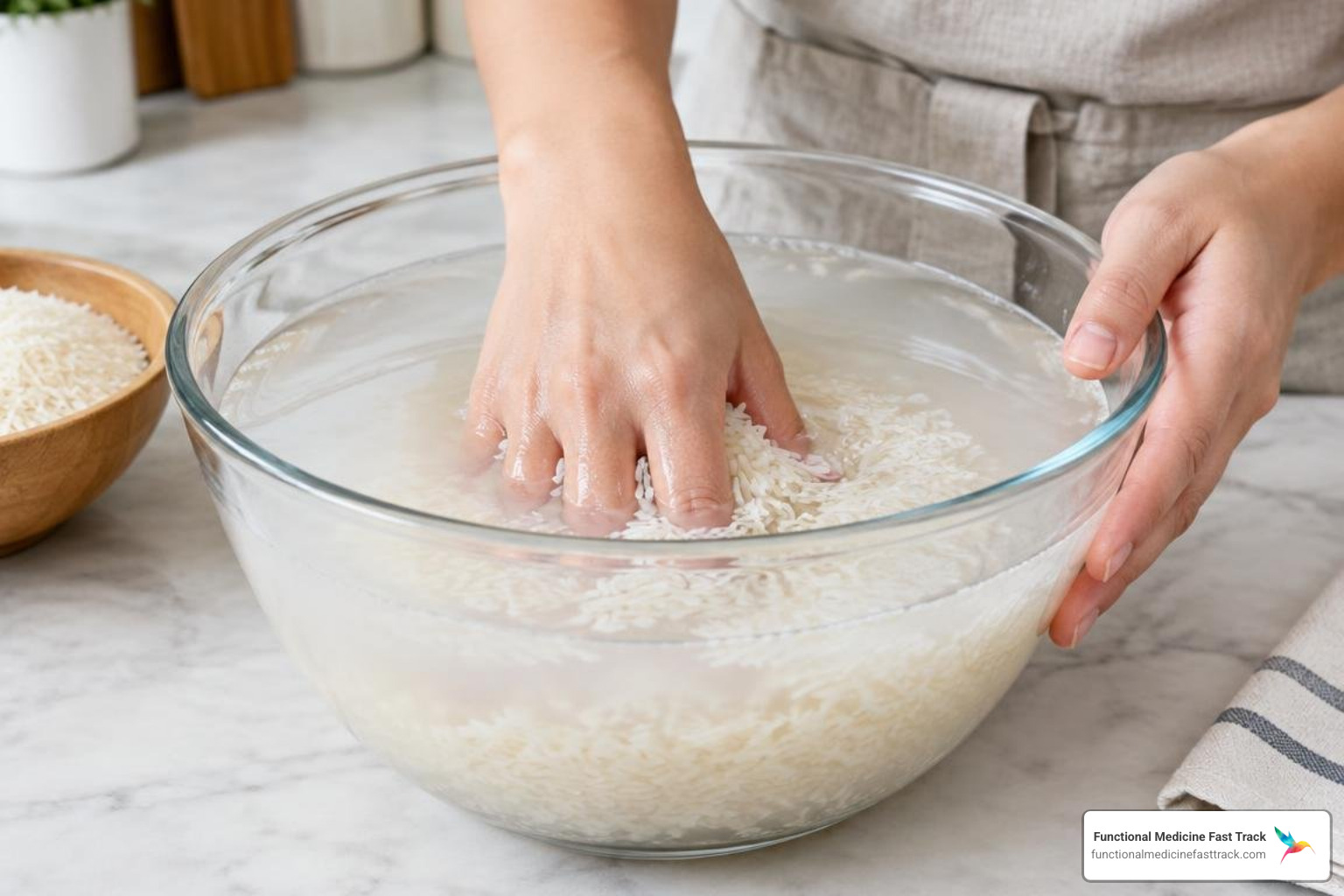
How you cook and present jasmine rice plays an equally critical role in gastrointestinal comfort. Thoughtful preparation methods remove excess surface starch, optimize moisture content, and make swallowing smooth and comfortable.
Washing, Boiling, and Steaming Best Practices
Rinse Thoroughly: Rinse the raw grains three to four times in cool water until the cloudy surface starch washes away. Rinsing eliminates loose surface amylopectin, yielding a cleaner, lighter texture that feels less heavy in the stomach.
Maintain the Correct Water Ratio: Use an accurate ratio of approximately one part rice to one and a quarter or one and a half parts liquid when boiling or steaming. This ensures full gelatinization of starch granules, preventing undercooked, dense grains that are harder for digestive enzymes to process.
Ensure Proper Moisture: Grains that are dry or crumbly can feel rough when swallowed and may irritate sensitive esophageal tissues. Cooking with a mild bone broth or adding a spoonful of warm vegetable broth before eating keeps the dish soft, moist, and easy to swallow.
The Effect of Cooling and Reheating on Resistant Starch
Allowing cooked jasmine rice to cool in the refrigerator causes a portion of its digestible starches to undergo retrogradation, turning into resistant starch. Resistant starch passes through the small intestine largely undigested and enters the colon, where it feeds beneficial commensal bacteria and produces short-chain fatty acids. While this supports lower bowel microbiome ecology, individuals with impaired upper motility or bacterial imbalances may notice increased gas production. This extra gas can elevate intra-abdominal pressure and promote acid backflow. Observing whether you feel best eating freshly steamed rice or chilled and reheated portions allows you to customize your approach accordingly.
Meal Pairings, Portion Sizes, and Timing to Consider
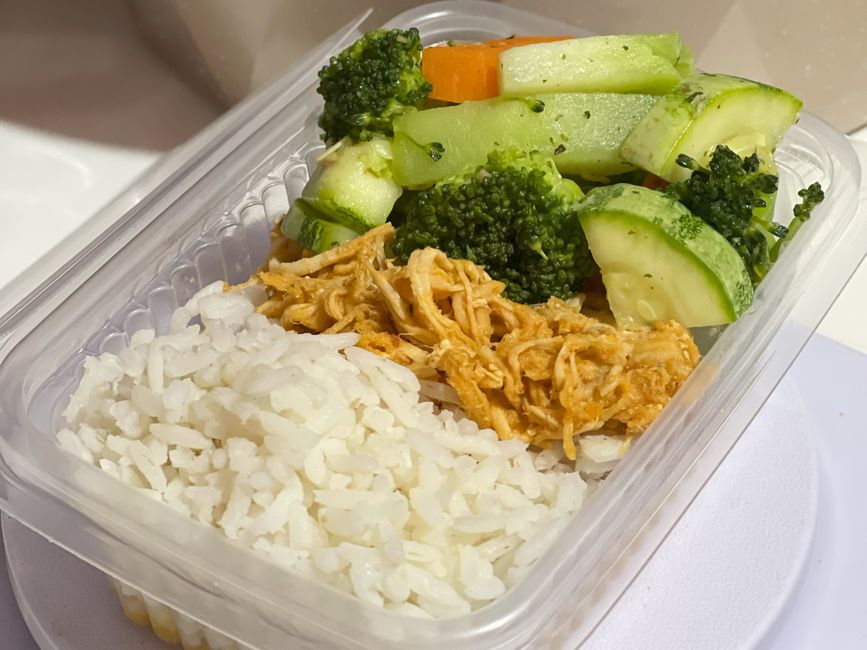
Jasmine rice is rarely eaten on its own. The ingredients, culinary fats, seasonings, and overall meal structure you choose alongside the grain largely dictate how your digestive system handles the meal.
Seasonings and Protein Pairings to Consider
To maintain optimal digestive ease, combine jasmine rice with soothing, easily digested ingredients:
Lean Protein Sources: Skinless chicken breast, poached wild white fish, turkey breast, or gentle soft-boiled egg whites.
Steamed Non-Acidic Vegetables: Sliced zucchini, tender carrots, yellow squash, green beans, or steamed baby bok choy.
Mild Aromatic Herbs: Fresh Italian parsley, basil, chopped dill, or a very light touch of fresh ginger rather than pungent chili peppers or hot spices.
It is also prudent to avoid common triggers to consider on an acid reflux diet, including heavy garlic cloves, deep-fried garnishes, concentrated citrus marinades, acidic tomato sauces, and excessive quantities of butter or cooking oils.
Portion and Timing Strategies
Consuming large food volumes stretches the stomach walls, increasing pressure against the lower esophageal junction. Keeping your cooked jasmine rice serving to roughly one-half to three-quarters of a cup per meal provides balanced energy without causing gastric overfilling. Additionally, aim to complete your evening meal at least two to three hours before lying down or going to sleep. For practical inspiration and structured meal ideas, consider exploring structured meal ideas using a 7-day acid reflux meal plan to streamline your weekly meal organization.
Frequently Asked Questions About Jasmine Rice and GERD
Can eating jasmine rice too close to bedtime affect acid reflux symptoms?
Yes, consuming jasmine rice or any other food within two to three hours of lying down can increase the risk of reflux. When you lie flat, gravity no longer assists in keeping stomach contents down, making it easier for gastric acid to press against the lower esophageal sphincter. Keeping evening portions modest and giving yourself adequate time to digest before sleep is strongly recommended.
Is brown jasmine rice a better fit for acid reflux than white jasmine rice?
It depends on your current digestive status and tolerance. Brown jasmine rice retains its outer bran and germ, offering higher amounts of fiber and micronutrients that support long-term bowel regularity. However, during an acute reflux flare-up, the lower fiber content and softer texture of white jasmine rice make it gentler, faster to digest, and less likely to provoke gastric distension.
Does cooling and reheating jasmine rice affect digestion for people with GERD?
Cooling cooked rice increases its concentration of resistant starch. Although resistant starch nourishes beneficial gut microbiota, it can also produce more gas during colonic fermentation. In people with sensitive digestion or delayed motility, this extra gas may increase upward pressure toward the stomach.
Conclusion
Determining whether jasmine rice is a beneficial addition to an acid reflux management approach depends on how it is prepared, portioned, and combined with other foods. When prepared simply—thoroughly rinsed, steamed until tender, served in moderate portions, and paired with lean proteins and gentle vegetables—jasmine rice provides an easily digestible, soothing carbohydrate staple that respects esophageal comfort.
At Functional Medicine Fast Track, we focus on helping practitioners and patients address gastrointestinal challenges by exploring the underlying root causes of digestive dysfunction. To discover how our clinical mentorship, evidence-informed systems, and community help healthcare professionals transform their clinical outcomes, learn about a root-cause approach to gut health with Functional Medicine Fast Track and elevate your practice today.