

A Quick Start Guide to Functional Medicine for Fibromyalgia
Functional Medicine for Fibromyalgia: Where to Start
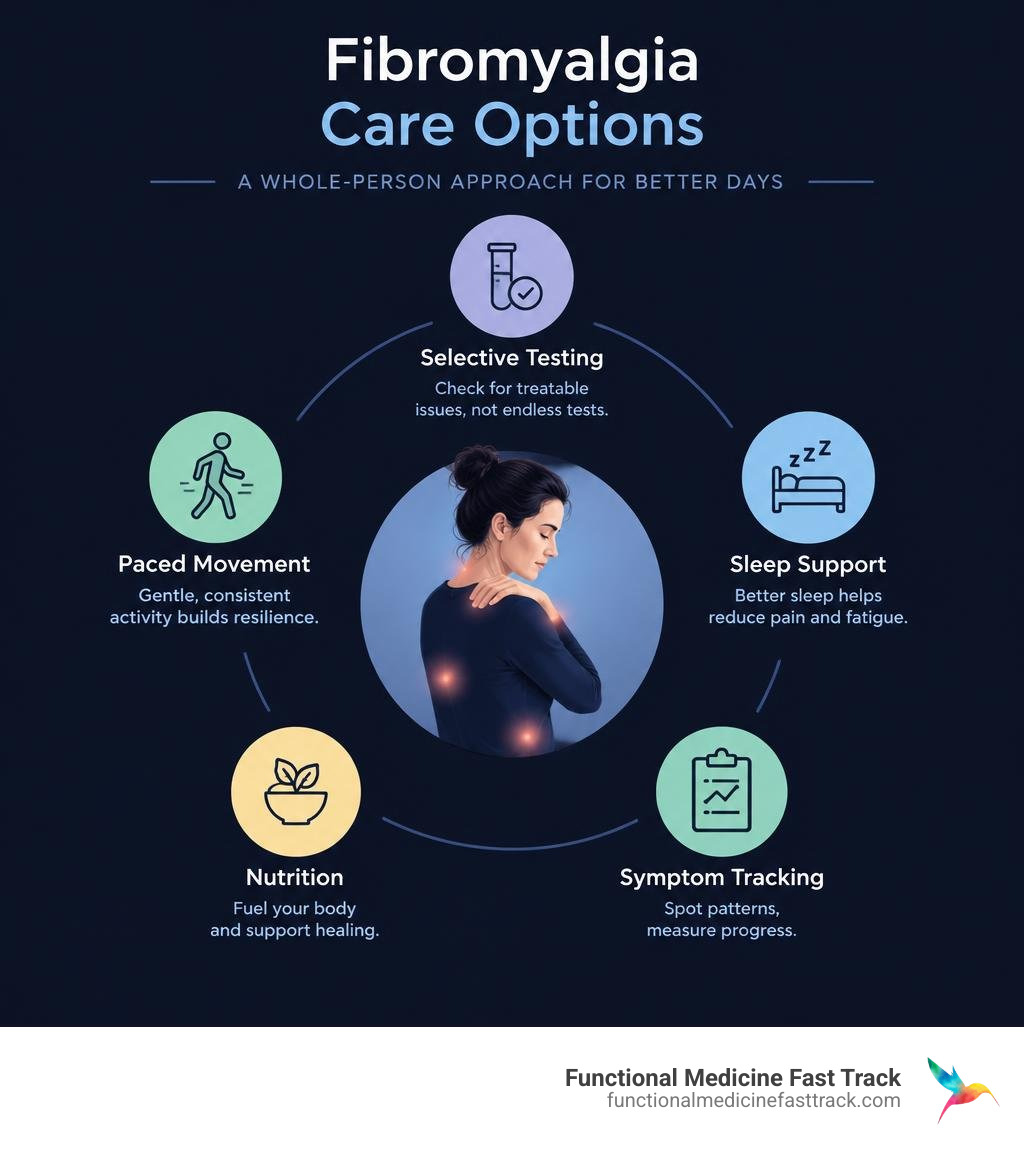
Functional medicine for fibromyalgia starts with a whole-person plan, not a search for one hidden cause. For someone with widespread pain, fatigue, and poor sleep, that may mean reviewing sleep, stress, movement, nutrition, and other health conditions. A licensed clinician can use the history and selective tests to check for issues such as thyroid disease or nutrient deficiencies. Gentle, paced exercise and sleep support are sensible first steps; diet changes and supplements need a clear reason and a way to track whether they help.
Fibromyalgia pain is real, even when routine lab results look normal. The nervous system can become more sensitive to pain signals, and no single test identifies fibromyalgia or explains every symptom. The goal is better day-to-day function and symptom support, not a promised cure.
I’m Garric Vosloo, CEO of Functional Medicine Fast Track. After more than 30 years consulting with patients and owning two practices, I help licensed clinicians build practical approaches to care, including functional medicine for fibromyalgia.
Understanding Root Drivers: Why Standard Care Misses Fibromyalgia
Living with fibromyalgia often feels like navigating a maze where every door leads to another unhelpful test result. According to the Centers for Disease Control and Prevention (CDC), fibromyalgia affects about 4 million American adults, yet individuals frequently wait years before receiving an accurate diagnosis.

The central issue is that fibromyalgia is primarily a condition of central sensitization. The central nervous system amplifies sensory inputs, much like a stereo with the volume dial turned up to the maximum level. Light touches, minor muscle tension, or normal physical exertion register as significant pain.
At the cellular level, research indicates that this amplification involves glial cell activation and low-grade neuroinflammation. When microglial cells in the brain and spinal cord become chronically activated, they release inflammatory mediators that irritate nearby neurons, lowering the pain threshold. Furthermore, some studies suggest that a notable proportion of individuals with fibromyalgia may have concurrent small fiber neuropathy, which contributes to peripheral pain signaling.
Because routine laboratory work is designed to detect acute tissue destruction or overt structural pathology, standard panels often come back marked "normal." Navigating these complex presentations requires a structured functional medicine lab selection framework to uncover subtle, underlying physiological strain.
Upstream Biological Triggers of Chronic Pain
Rather than treating fibromyalgia as an isolated set of symptoms, we explore the upstream biological mechanisms that sustain nervous system irritability:
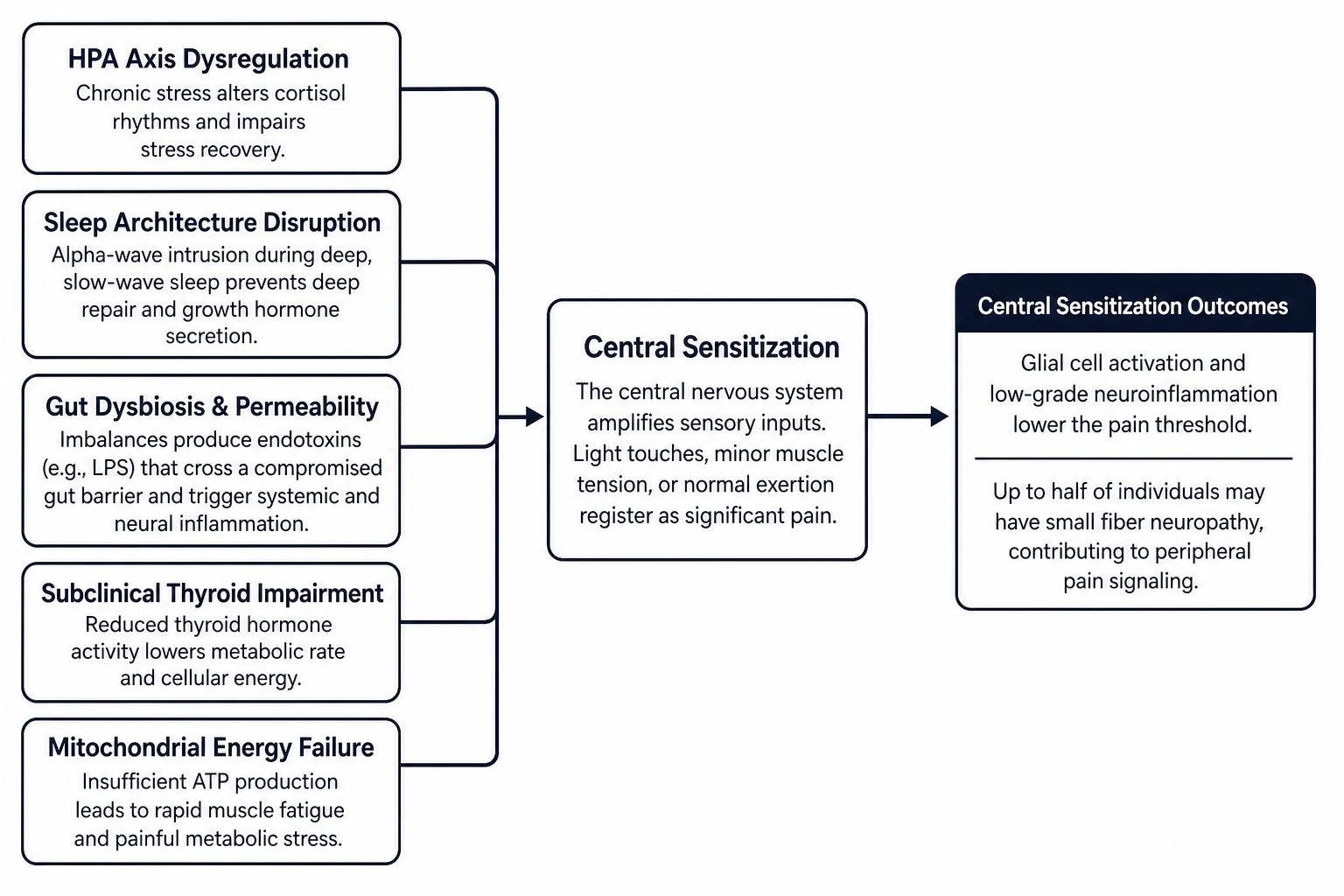
Hypothalamic-Pituitary-Adrenal (HPA) Axis Dysregulation: Chronic physical or emotional stress alters daily cortisol rhythms, leaving tissues vulnerable to inflammation and impairing stress recovery.
Sleep Architecture Disruption: Many patients experience "alpha-wave intrusion" during deep, slow-wave non-REM sleep. The brain remains in a vigilant state, preventing deep muscular repair and growth hormone secretion.
Gut Dysbiosis & Permeability: Imbalances in the intestinal microbiome can produce systemic endotoxins like lipopolysaccharides (LPS). These molecules can cross a compromised gut barrier and trigger systemic and neural inflammation.
Subclinical Thyroid Impairment: Cellular resistance to thyroid hormone or sluggish conversion of T4 to active T3 can reduce metabolic rate and cellular energy production without showing up on standard screening tests.
Mitochondrial Energy Failure: When cellular power plants struggle to generate sufficient ATP, muscles fatigue rapidly and stay in a state of contracted, painful metabolic stress.
Conventional Management vs. Functional Medicine for Fibromyalgia
Conventional fibromyalgia care typically relies on centralized symptom suppression using pharmaceuticals such as gabapentinoids, SNRIs, or muscle relaxants. While these medications may offer temporary relief for some, they rarely resolve the underlying biological drivers.
Feature | Conventional Care | Functional Medicine Approach |
|---|---|---|
Primary Focus | Symptom suppression and pain masking | Identifying and addressing upstream biological drivers |
Diagnostic View | Diagnosis of exclusion based on clinical criteria | Comprehensive systems-biology investigation |
Laboratory Testing | Basic CBC, CMP, and routine inflammatory markers | Targeted hormonal curves, gut health, and nutrient profiles |
Treatment Modalities | FDA-approved pain medications and antidepressants | Personalized nutrition, lifestyle pacing, and targeted support |
Long-Term Goal | Disease management | Restoring physiological balance and day-to-day resilience |
Functional Medicine Labs and Diagnostic Strategies
To develop a targeted, bio-individual plan, clinicians use specialized functional assessments alongside standard diagnostic testing:
Advanced Inflammatory Markers: High-sensitivity C-reactive protein (hs-CRP) and erythrocyte sedimentation rate (ESR) can help assess low-grade systemic inflammation.
Complete Thyroid Panel: Evaluating TSH alongside Free T3, Free T4, Reverse T3, and thyroid antibodies (TPO and TgAb) provides a complete picture of cellular metabolic support.
Salivary or Urinary Cortisol Awakening Response (CAR): Tracking adrenal rhythms over a 24-hour cycle reveals flattened or inverted cortisol curves tied to chronic exhaustion.
Organic Acids Testing (OAT): Urine metabolic profiling identifies markers of cellular energy production, neurotransmitter breakdown, and detox pathways.
Comprehensive Stool Analysis: Evaluates microbiome diversity, digestive enzyme sufficiency, occult inflammation, and intestinal permeability markers.
Genomic & Micronutrient Testing: Reviewing individual genetic variations with a functional medicine genomic testing guide alongside intracellular nutrient testing helps identify specific requirements for cofactors like magnesium, B-complex vitamins, and antioxidants.
Therapeutic Diets and Targeted Nutritional Approaches
Nutritional choices directly influence neuroinflammation, gut integrity, and systemic pain thresholds. A therapeutic dietary strategy aims to remove inflammatory triggers while nourishing cellular recovery.

A practical first step is integrating an anti-inflammatory food list rich in colorful vegetables, clean proteins, and healthy fats while eliminating refined seed oils, added sugars, and ultra-processed foods.
For individuals experiencing gastrointestinal symptoms or suspected food sensitivities, an elimination diet program can help identify personal triggers like gluten, dairy, or nightshades. If small intestinal bacterial overgrowth (SIBO) or irritable bowel syndrome (IBS) is present, a temporary low-FODMAP dietary approach may reduce abdominal pain, systemic endotoxemia, and secondary nerve sensitization.
Targeted Supplementation in Functional Medicine for Fibromyalgia
Nutritional supplementation aims to restore biochemical cofactors that support mitochondrial energy, promote muscular relaxation, and soothe the central nervous system:
Magnesium Malate: Malic acid plays a role in the Krebs cycle for energy production, while bioavailable magnesium supports muscle relaxation and nerve transmission.
Vitamin D3: Research indicates that optimizing serum 25-hydroxyvitamin D supports immune regulation and musculoskeletal comfort.
Omega-3 Fatty Acids (EPA/DHA): High-quality marine lipids support healthy cellular membranes and help modulate inflammatory prostaglandin pathways.
5-Hydroxytryptophan (5-HTP): Serves as a direct precursor to serotonin and melatonin, supporting positive mood balance and restorative sleep.
Coenzyme Q10 (CoQ10): Supports mitochondrial electron transport, cellular energy generation, and antioxidant defenses.
Low-Dose Naltrexone (LDN): Emerging research suggests that fibromyalgia low dose naltrexone may help downregulate overactive microglia in the central nervous system, reducing neuroinflammation and supporting healthy endorphin production.
Core Non-Pharmacological Therapies in Functional Medicine for Fibromyalgia
Because fibromyalgia is a multifaceted neuro-sensory disorder, non-pharmacological therapies are essential for re-educating the nervous system.
According to a survey published in the National Center for Biotechnology Information (NCBI), a substantial proportion of individuals with fibromyalgia explore complementary health approaches to help manage pain and support their quality of life. (Pfalzgraf et al., 2020)
Acupuncture: Studies show acupuncture may stimulate the release of endogenous opioids, improve local microcirculation, and help rebalance central pain processing pathways.
Therapeutic Massage: Gentle, specialized manual therapy helps reduce muscular trigger points, relieve localized fascial strain, and promote parasympathetic nervous system tone.
Balneotherapy (Spa Therapy): Warm-water immersion reduces gravitational load on joints and muscles, easing widespread discomfort and promoting mental relaxation.
Transcutaneous Electrical Nerve Stimulation (TENS): Delivers mild electrical currents across the skin to activate descending inhibitory pain pathways, offering localized relief.
Mind-Body Interventions: Cognitive Behavioral Therapy (CBT) and mindfulness-based stress reduction provide tools to calm central nervous system arousal, as outlined in our functional medicine mental health guide.
Sleep Architecture Restoration and Paced Movement
Breaking the persistent pain-fatigue cycle requires protecting deep, restorative sleep while reintroducing physical activity without triggering post-exertional flares:
Sleep Optimization: Consistent sleep schedules, removing blue-light exposure in the evening, maintaining a cool bedroom environment, and utilizing Cognitive Behavioral Therapy for Insomnia (CBT-I) strategies support deeper non-REM sleep.
Paced, Graded Movement: High-intensity workouts can provoke flares due to cellular energy deficits. We recommend starting with low-impact options such as gentle aquatic exercise, walking, or restorative yoga for 5 to 10 minutes, gradually increasing duration slightly each week as tolerated.
Vagus Nerve Activation: Diaphragmatic breathing, gentle cold exposure, and mindfulness practices stimulate the parasympathetic nervous system, shifting the body out of chronic fight-or-flight reactivity.
Working with a Practitioner: What to Expect from an Evaluation
Collaborating with a functional medicine clinician is a collaborative partnership centered on uncovering the root causes of your symptoms:
Detailed Health Timeline: A thorough review of your medical history, exploring past infections, major physical or psychological stressors, environmental exposures, and lifestyle factors.
Antecedents, Triggers, and Mediators: Identifying genetic predispositions (antecedents), acute events that initiated the condition (triggers), and ongoing lifestyle or metabolic factors that keep the nervous system irritated (mediators).
Evaluating Overlapping Conditions: Ruling out or addressing coexisting autoimmune challenges, using insights from our guide to functional medicine for autoimmune disease.
Personalized, Phased Plan: Developing a realistic, step-by-step roadmap that focuses first on foundational stabilization (sleep, gentle nutrition, nervous system regulation) before moving to advanced therapies.
Frequently Asked Questions about Functional Medicine for Fibromyalgia
Can functional medicine cure fibromyalgia?
Functional medicine does not claim to provide an instant "cure" for fibromyalgia. Instead, it offers an evidence-informed framework to identify and resolve the underlying biological and lifestyle factors driving central sensitization. By addressing these drivers, many patients achieve significant symptom reduction and regain daily function.
Why are my lab tests normal if I have widespread pain?
Standard clinical tests are designed to identify clear structural damage, acute organ failure, or classic autoimmune destruction. Fibromyalgia involves central pain amplification, cellular oxidative stress, and neuroinflammation—dysfunctions that do not register on standard blood panels. Specialized functional tests assess these subtle metabolic and hormonal imbalances.
How long does it take to see results with functional medicine?
Because the functional approach focuses on restoring cellular energy and recalibrating the nervous system, healing takes time. Many individuals notice improvements in sleep, digestion, and pain levels within 3 to 6 months of consistent, personalized care.
Conclusion
Fibromyalgia is a complex, whole-body condition driven by central sensitization, neuroinflammation, and metabolic strain. By moving beyond symptom suppression and addressing root drivers—such as sleep architecture disruption, gut dysbiosis, hormonal imbalances, and cellular nutrient deficits—a functional medicine approach offers a structured path toward sustained relief.
If you are a healthcare practitioner looking to deliver these root-cause solutions to your patients, Functional Medicine Fast Track provides an all-in-one system to start or scale your functional medicine practice. By integrating clinical mentorship, pre-built marketing systems, and a complete client platform under your own brand, we empower you to deliver transformative, systems-based care for complex conditions. Explore our comprehensive guide on functional medicine for fibromyalgia to learn how to integrate these evidence-informed strategies into your clinical model.
References
Pfalzgraf AR, Lobo CP, Giannetti V, Jones KD. "Use of Complementary and Alternative Medicine in Fibromyalgia: Results of an Online Survey.." Pain management nursing : official journal of the American Society of Pain Management Nurses, 2020. PMCID PMC7722066.