

Transforming Psychiatric Care Through Root-Cause Functional Medicine
Why Functional Medicine for Mental Health Starts With the Whole Body
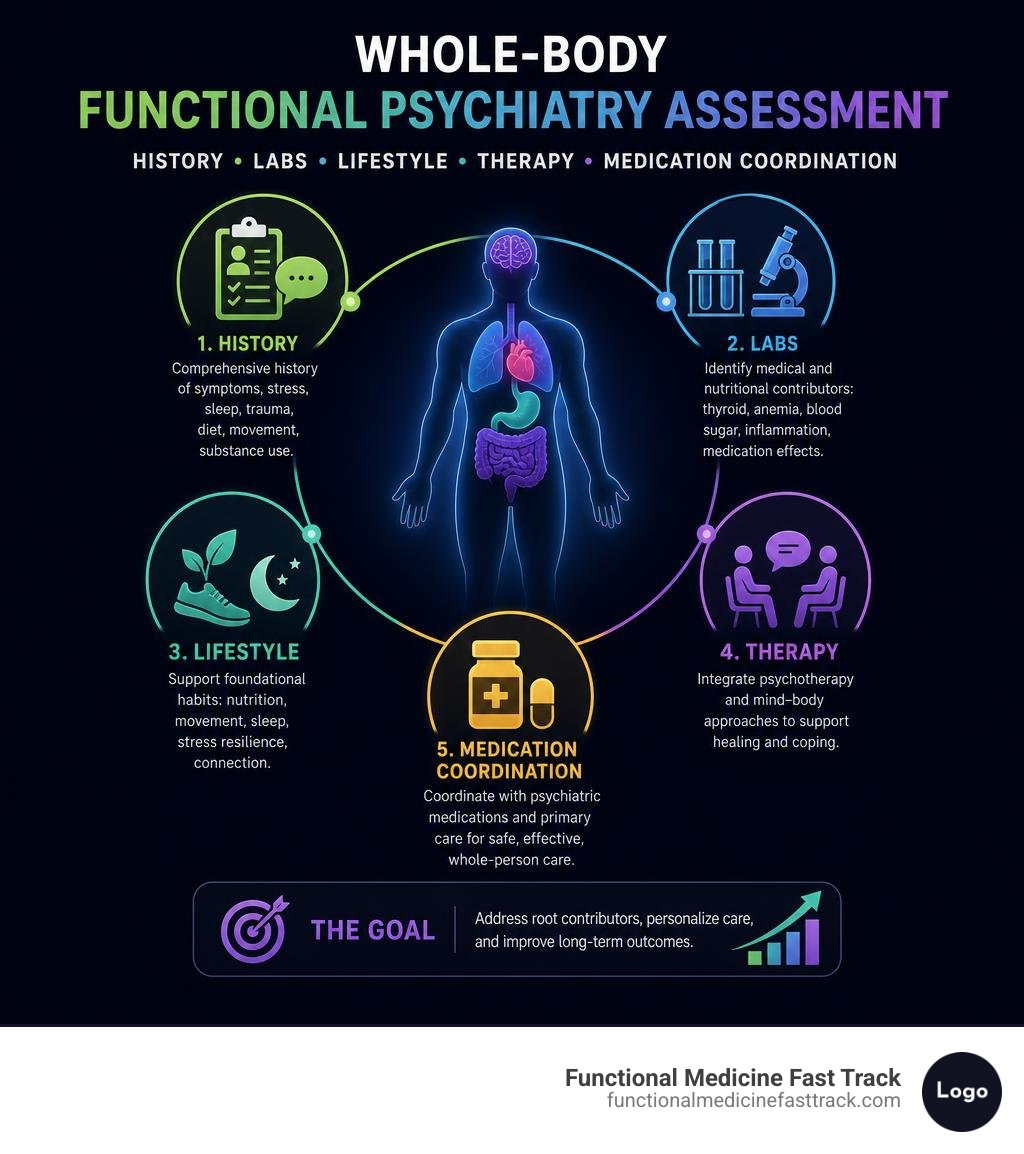
Functional medicine for mental health helps clinicians look beyond a diagnosis and build a care plan around modifiable contributors to symptoms. Start with a thorough history, screen for common medical and nutritional issues, support foundational habits, and coordinate with psychiatric medication and therapy when they are needed.
For patients with depression, anxiety, brain fog, or fatigue, that often means assessing:
Sleep, stress load, trauma history, diet, movement, and substance use
Medical contributors such as thyroid disease, anemia, blood-sugar problems, inflammation, and medication side effects
Nutrient status and, when clinically appropriate, gut, hormone, or pharmacogenomic data
Safe integration with psychotherapy, primary care, and psychiatric treatment
This matters because mental symptoms are rarely experienced in isolation. Depression affects about 5% of adults worldwide, while 15% of adults reported recent anxiety symptoms in CDC data. Medication can be valuable, but not every patient reaches remission or stays well long term. A root-cause approach gives practitioners a structured way to investigate what may be adding to a person's symptom burden - without assuming that every case has one simple biological explanation.
The goal is not to replace conventional psychiatry. It is to make psychiatric care more complete, personalized, and measurable.
Understanding Functional Medicine for Mental Health vs. Conventional Psychiatry
Conventional psychiatry categorizes psychological distress based on symptom clusters defined in the DSM-5. While this system offers a shared diagnostic language, it views mental disorders primarily as localized neurochemical imbalances requiring symptom-suppressing pharmaceuticals.
In clinical trials, roughly 40 to 60 people out of 100 show initial symptom reduction with an antidepressant, compared to 20 to 40 out of 100 receiving a placebo. However, long-term remission remains challenging. A landmark reanalysis revealed that the actual cumulative remission rate across the multi-step STAR*D trial was closer to 35%, rather than the originally reported 67%. Furthermore, relapse rates after achieving remission range from 40% to 71%.
Dimension | Conventional Psychiatry | Functional Medicine Psychiatry |
|---|---|---|
Primary Goal | Symptom suppression and acute stabilization | Identification and resolution of root physiological drivers |
Diagnostic Model | Symptom clusters based on DSM-5 criteria | Systems-biology matrix and specialized biomarker profiling |
Treatment Tools | Standardized pharmacotherapy and psychotherapy | Targeted nutrition, therapeutic supplementation, lifestyle, and medications |
Reference Ranges | Standard broad population reference intervals | Narrow, optimal physiological ranges for early detection |
Role of Medication | Primary, long-term therapeutic intervention | Strategic bridge while correcting underlying biochemistry |
Rather than treating psychiatric symptoms as purely localized brain disorders, integrative psychiatric research emphasizes that the brain operates within a dynamic network connected to immune, endocrine, metabolic, and gastrointestinal systems (Maddux, 2022).
Core Principles of Functional Medicine for Mental Health
Functional psychiatric care operates on distinct clinical tenets:
Patient-Centered Care: We partner with the patient to understand their health history, environmental exposures, and psychosocial background.
Biochemical Individuality: Every person possesses unique metabolic demands, genetic profiles, and nutritional requirements.
Dynamic Equilibrium: Physical health, environmental stressors, and mental states continuously influence one another.
Preventive & Restorative Focus: Interventions aim to rebuild biological reserves and restore resilience, rather than solely managing acute crises.
Systems Biology: Organ systems are evaluated as an interconnected web rather than isolated compartments.
The Biological Underpinnings: Moving Beyond Neurotransmitter Deficits
The notion that depression stems simply from a serotonin deficiency overlooks broader neurobiology. Modern psychoneuroimmunology demonstrates that emotional states are closely tied to neurogenesis, neuroplasticity, and neuroinflammation.
When systemic physiological stressors go unaddressed, brain-derived neurotrophic factor (BDNF) synthesis decreases, blunting neuroplasticity. Restoring metabolic balance, lowering inflammatory signaling, and correcting nutrient deficiencies support the structural remodeling of neural circuits.
Uncovering the Biological Drivers of Depression and Anxiety
When patients present with persistent mood disorders, underlying biological drivers are often at play. Exploring the biological drivers of depression reveals multiple physiological pathways that directly affect neurotransmission.

Hypothalamic-Pituitary-Adrenal (HPA) Axis Dysregulation: Measurable HPA axis abnormalities occur in 60% to 80% of individuals with depression, altering cortisol output and emotional resilience.
Thyroid and Endocrine Dysfunction: Thyroid disorders increase the risk of depression three- to fourfold. Subclinical hypothyroidism or impaired peripheral conversion of thyroxine (T4) to active triiodothyronine (T3) can mimic major depression and lethargy.
Genetic Methylation Variants: Variants in the MTHFR gene affect 30% to 40% of the population, impairing the conversion of dietary folate to L-methylfolate, an essential cofactor for monoamine neurotransmitter synthesis.
Steroid Hormone Shifts: Fluctuations in progesterone, estradiol, and testosterone alter gamma-aminobutyric acid (GABA) and dopamine receptor sensitivity.
The Gut-Brain Axis and Microbiome Health
The gastrointestinal tract communicates bidirectionally with the central nervous system via the vagus nerve, immune cytokines, and microbial metabolites. Approximately 90% of the body's serotonin is produced in the gut, largely synthesized by enterochromaffin cells.
When gut barrier integrity is compromised—often termed intestinal permeability—lipopolysaccharides (LPS) from Gram-negative bacteria can translocate into systemic circulation. This endotoxemia activates immune cells and drives neuroinflammation.
Conversely, a diverse microbiome ferments dietary fibers into short-chain fatty acids (SCFAs) like butyrate, which protect the blood-brain barrier, regulate microglial activation, and support central GABAergic tone.
Chronic Neuroinflammation and Metabolic Imbalances
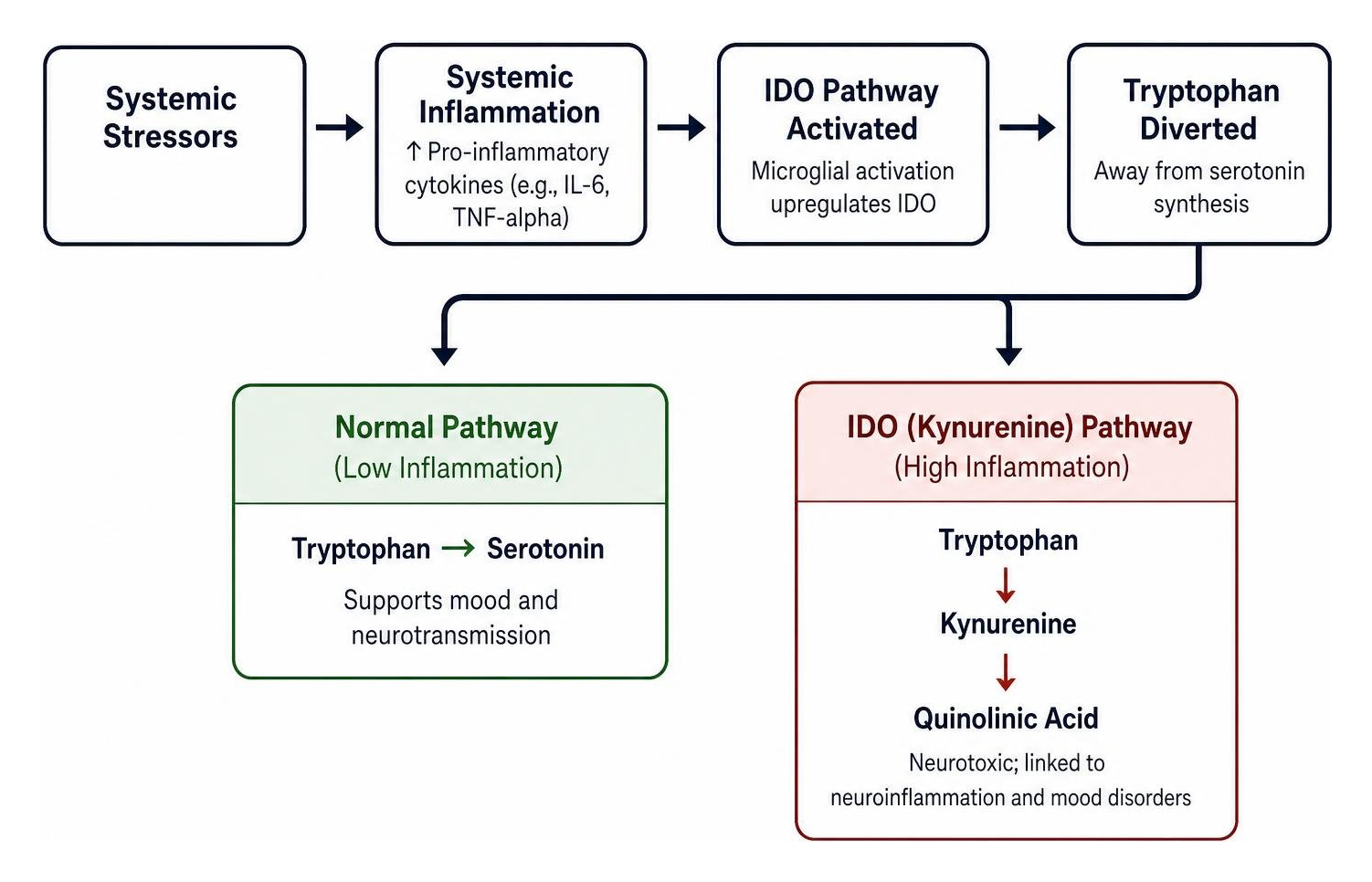
Elevated systemic inflammation is present in 30% to 50% of people with depression. Elevated pro-inflammatory cytokines (such as IL-6, TNF-alpha, and high-sensitivity C-reactive protein) cross the blood-brain barrier and activate microglia. This activation upregulates the indoleamine 2,3-dioxygenase (IDO) pathway, diverting tryptophan away from serotonin synthesis toward neurotoxic metabolites like quinolinic acid.
Concurrent metabolic dysfunction—such as blood sugar fluctuations and insulin resistance—deprives neurons of steady energy. At the cellular level, impaired mitochondrial respiration creates a bioenergetic deficit that presents clinically as profound brain fog, executive dysfunction, and chronic fatigue.
Diagnostic Roadmap: Advanced Testing in Root-Cause Psychiatry
Standard psychiatric assessments rarely utilize laboratory diagnostics beyond routine baseline panels. Functional medicine expands testing to identify underlying biochemical and metabolic drivers, helping clinicians achieve better clinical results with complex cases.

Comprehensive Metabolic and Inflammatory Panels: Evaluating high-sensitivity C-reactive protein (hs-CRP), homocysteine, fasting insulin, and HbA1c to assess systemic inflammation and glycemic regulation.
Comprehensive Stool Analysis: Assessing microbial diversity, opportunistic pathogens, secretor IgA, and inflammatory markers like calprotectin to evaluate gut health and mucosal immunity.
Diurnal Salivary or Urinary Hormone Mapping: Measuring free cortisol and DHEA across four to five points throughout the day to evaluate HPA axis circadian patterns.
Urine Organic Acids Testing (OAT): Measuring metabolic byproducts of neurotransmitter breakdown, mitochondrial citric acid cycle intermediates, and markers of intestinal yeast or bacterial overgrowth.
Pharmacogenomics (PGx): Evaluating cytochrome P450 enzyme metabolism (e.g., CYP2D6, CYP2C19) to guide psychiatric medication selection and dosing when indicated.
Nutritional Biomarkers and Genetic Profiling
Deficiencies in essential cofactors prevent the nervous system from synthesizing mood-regulating neurotransmitters:
Serum Ferritin & Iron: Iron serves as a cofactor for tyrosine hydroxylase, a rate-limiting enzyme in dopamine synthesis. Ferritin levels below 50 ng/mL can contribute to restless legs, fatigue, and depressive symptoms.
Vitamin D3: Acts as a neurosteroid that modulates neurodevelopment and upregulates tryptophan hydroxylase-2 (TPH2) expression.
Zinc & Magnesium: Trace minerals that regulate the NMDA receptor, protecting neurons from glutamate excitotoxicity.
Methylation & COMT Variants: Evaluating functional markers such as methylmalonic acid and homocysteine helps determine whether someone needs targeted methyl-donor support (like methylfolate and methylcobalamin).
Hormonal and Endocrine Mapping
Standard testing often checks only thyroid-stimulating hormone (TSH). A comprehensive functional assessment includes free T3, free T4, reverse T3, and anti-TPO antibodies. TSH levels above 2.5 mIU/L, combined with elevated reverse T3, can impair cellular metabolism and contribute to low mood, even when standard tests are reported as "normal."
Similarly, mapping free testosterone, progesterone, and estradiol levels helps identify hormonal imbalances that can trigger cyclical mood swings, anxiety, or treatment resistance.
Clinical Protocols: A Step-by-Step Therapeutic Approach
Functional psychiatry uses an organized, phased framework to resolve underlying imbalances without overwhelming the patient's system. Clinicians can review in-depth case studies and protocols through our clinical mentorship resources.
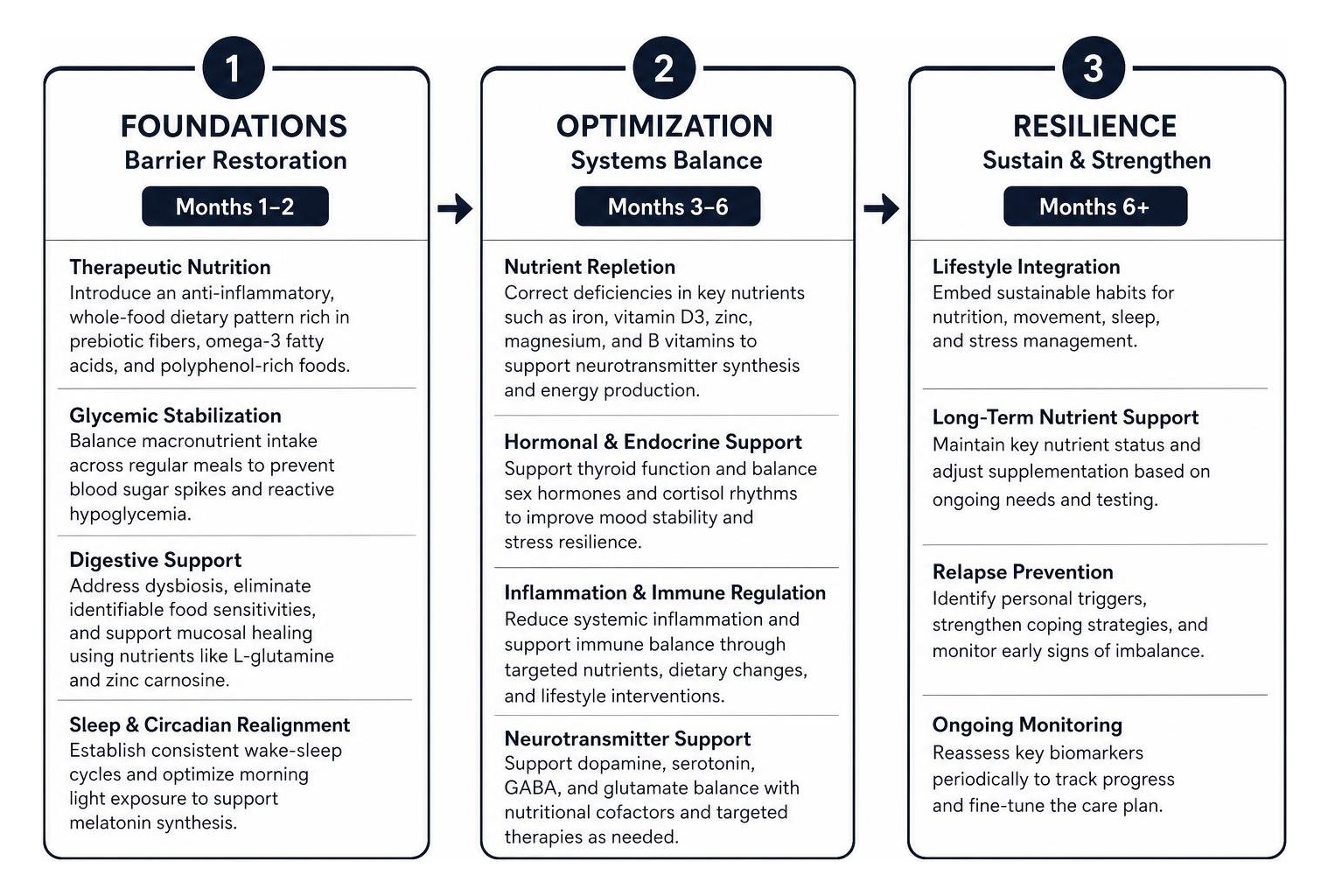
Phase 1: Foundations & Barrier Restoration (Months 1–2)
Therapeutic Nutrition: Introduce an anti-inflammatory, whole-food dietary pattern rich in prebiotic fibers, omega-3 fatty acids, and polyphenol-rich foods.
Glycemic Stabilization: Balance macronutrient intake across regular meals to prevent blood sugar spikes and reactive hypoglycemia.
Digestive Support: Address dysbiosis, eliminate identifiable food sensitivities, and support mucosal healing using nutrients like L-glutamine and zinc carnosine.
Sleep & Circadian Realignment: Establish consistent wake-sleep cycles and optimize morning light exposure to support melatonin synthesis.
Phase 2: Targeted Biochemical Optimization (Months 3–6)
Cofactor Repletion: Correct identified micronutrient deficiencies (such as methylated B-complex, magnesium glycinate, or vitamin D3/K2).
HPA Axis Support: Balance cortisol rhythms using lifestyle strategies and targeted adaptogens (such as ashwagandha or phosphatidylserine).
Neuro-Somatic Integration: Pair biochemical support with somatic therapy, vagal nerve exercises, or mindfulness-based stress reduction to help regulate autonomic tone.
Phase 3: Resilience & Sustainable Maintenance (Months 6+)
Transition to Long-Term Habits: Maintain flexible, sustainable nutritional and lifestyle practices.
Re-Testing Markers: Run follow-up functional labs to confirm resolution of initial biomarker abnormalities.
Medication Re-Evaluation: Coordinate with prescribing clinicians to evaluate medication needs once underlying physiology has stabilized.
Implementing Functional Medicine for Mental Health in Treatment-Resistant Cases
When patients do not respond to standard psychiatric treatments, unaddressed biological issues—such as chronic hidden infections, toxin exposures, or untreated gut dysbiosis—are frequently present. Functional medicine works alongside conventional care, using targeted nutrition, methylation support, and anti-inflammatory protocols to improve cellular sensitivity and enhance the effectiveness of therapeutic interventions.
Psychiatric medications can remain stable while foundational biological support is introduced. As metabolic markers improve, clinicians can assess whether patients can maintain stability with lower doses, always under careful medical supervision.
Expected Treatment Timelines and Patient Candidacy
Addressing root causes is a progressive process that requires consistent physiological support:
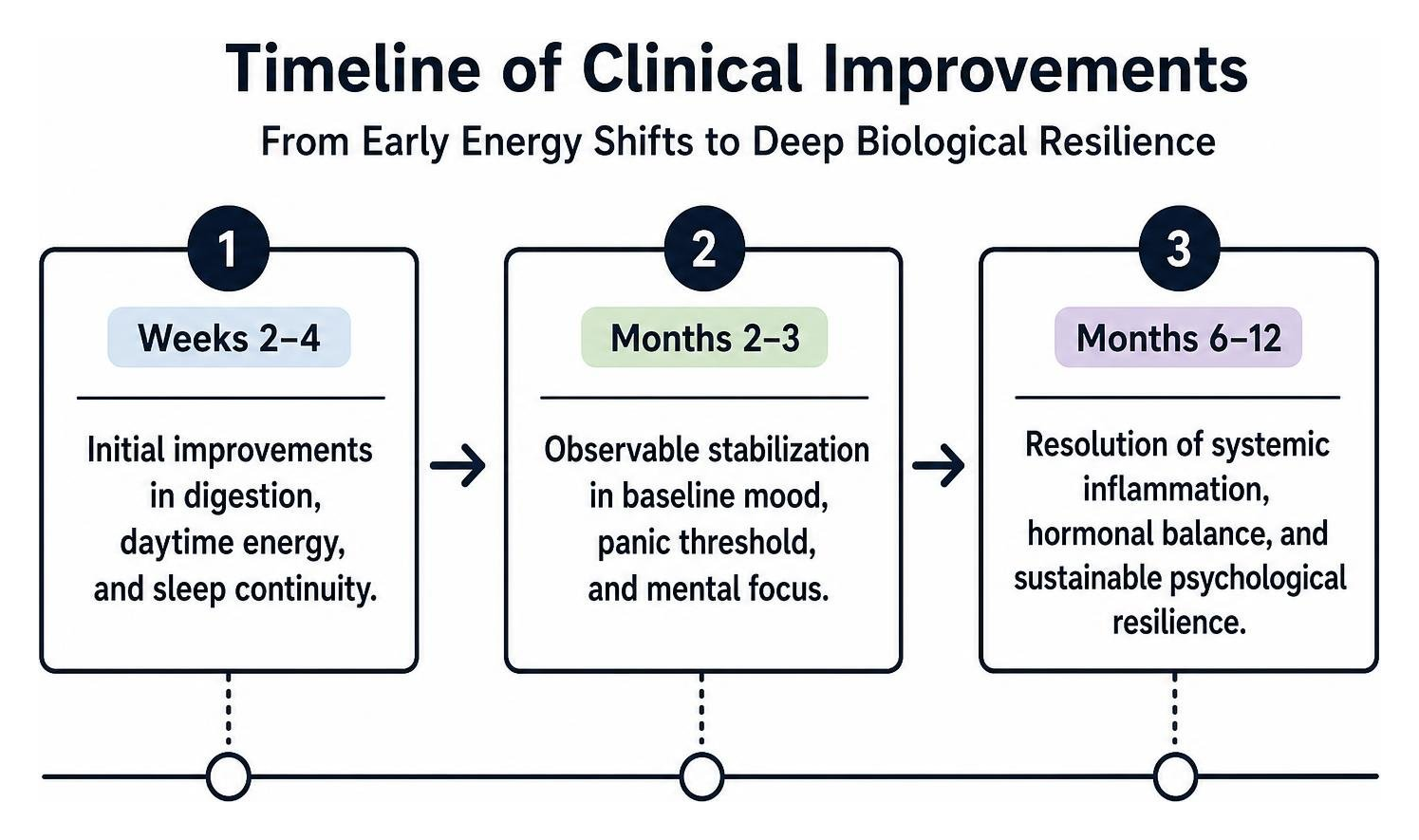
Weeks 2–4: Initial improvements in digestion, daytime energy, and sleep continuity.
Months 2–3: Observable stabilization in baseline mood, panic threshold, and mental focus.
Months 6–12: Resolution of systemic inflammation, hormonal balance, and sustainable psychological resilience.
Ideal candidates include individuals with treatment-resistant conditions, those experiencing significant medication side effects, patients with comorbid physical symptoms (such as IBS, chronic fatigue, or autoimmune disease), and anyone seeking a comprehensive, root-cause approach to mental well-being.
Frequently Asked Questions about Functional Mental Healthcare
How quickly do patients experience improvements with functional psychiatry?
Patients often report early gains in sleep quality, digestive comfort, and energy levels within the first two to four weeks of dietary and lifestyle changes. Meaningful improvements in mood, panic reduction, and mental clarity typically develop over two to three months as tissue micronutrient levels replenish, inflammation resolves, and neuroplastic changes take hold.
Can functional medicine replace prescription psychiatric medications?
Functional medicine is not inherently anti-medication; it is pro-physiology. For many individuals, psychiatric medications provide essential symptom stabilization. As underlying biological drivers (such as nutrient deficiencies or gut dysbiosis) are identified and corrected, some patients may safely reduce or taper their medications under the direct supervision of their prescribing clinician.
What makes someone an ideal candidate for root-cause psychiatric care?
Ideal candidates include individuals with treatment-resistant depression or anxiety, recurrent relapses following conventional therapy, unexplained brain fog, or overlapping gastrointestinal, endocrine, or autoimmune complaints. It is also well suited for proactive patients seeking to optimize long-term cognitive function and emotional resilience.
Conclusion
The growing burden of mental health conditions requires an expanded clinical approach. Moving from isolated symptom management to a systems-biology perspective enables clinicians to identify and address the upstream drivers of mood and anxiety disorders. By investigating the gut-brain axis, resolving neuroinflammation, balancing hormones, and restoring cellular nutrition, we can offer patients a clear path toward lasting recovery.
For licensed clinicians ready to incorporate root-cause care into their practice, Functional Medicine Fast Track provides an integrated model combining clinical training, practical protocols, and operational platforms to help deliver transformative mental healthcare.
References
Maddux M. "Psychiatry, Integrative and Functional Medicine-An Interview with David Scheiderer, MD.." Integrative medicine (Encinitas, Calif.), 2022. PMCID PMC9380839.