

The Functional Medicine Fibromyalgia Roadmap: Testing, Diet, and Recovery
Understanding Fibromyalgia: Beyond Conventional Symptom Suppression
A functional medicine fibromyalgia approach addresses chronic widespread pain by identifying and resolving upstream biological drivers rather than merely masking symptoms. Instead of relying solely on pharmaceuticals, functional medicine evaluates gut permeability, mitochondrial ATP deficits, hypothalamic-pituitary-adrenal (HPA) axis dysregulation, and neuroinflammation. Clinicians utilize phased diagnostic testing, personalized anti-inflammatory nutrition, targeted nutraceuticals, and nervous system retraining to calm central pain processing and restore cellular energy.
Fibromyalgia affects roughly 2% to 4% of adults worldwide—translating to nearly 4 to 6 million people in the United States alone—with a markedly higher prevalence in women. For decades, conventional rheumatology viewed fibromyalgia primarily through a narrow pharmacological lens. Standard management relied heavily on symptom-suppressive pharmaceuticals, notably FDA-approved medications like duloxetine, milnacipran, and pregabalin.
While these central nervous system agents can modulate neurotransmitters to quiet heightened pain signaling, they often yield incomplete relief and carry burdensome side effects like weight gain, grogginess, and dry mouth. More critically, they do not address why pain processing went awry in the first place.
At its core, fibromyalgia involves central sensitization—a physiological state where the central nervous system turns up the volume knob on pain processing. Non-painful stimuli become painful (allodynia), and painful stimuli feel magnified (hyperalgesia). Emerging neuroimaging and biomarker studies confirm that this is driven by real biological mechanisms: neuroinflammation, microglial cell activation, and neurotransmitter dysregulation involving substance P, glutamate, serotonin, and norepinephrine (Pfalzgraf et al., 2020).
Rather than asking "Which drug masks this symptom?", a systems-based clinical model asks "What biological upstream factors are driving neuroinflammation and central sensitization?"
Clinical Domain | Conventional Approach | Functional Medicine Approach |
|---|---|---|
Diagnostic Scope | Symptom checklists, tender points, ruling out rheumatoid arthritis/lupus | Multi-system evaluation of gut, endocrine, mitochondrial, and metabolic drivers |
Primary Goal | Symptom suppression and pain signal modulation | Resolving upstream drivers, restoring cellular energy, and retraining nervous system |
Treatment Modality | Monotherapy or polypharmacy (SNRIs, gabapentinoids, NSAIDs) | Personalized nutrition, targeted nutraceuticals, circadian restoration, and lifestyle modification |
Gut & Microbiome | Often overlooked or treated separately as standalone IBS | Investigates intestinal permeability, dysbiosis, and SIBO as systemic inflammation drivers |
Cellular Bioenergetics | Rarely evaluated | Comprehensive evaluation of oxidative stress and mitochondrial ATP production |
Cellular and Neuroendocrine Dysfunction
When looking beneath the surface of central sensitization, two primary systemic drivers frequently emerge: mitochondrial impairment and hypothalamic-pituitary-adrenal (HPA) axis dysregulation.
Mitochondria generate cellular adenosine triphosphate (ATP). In chronic pain and fatigue syndromes, impaired mitochondrial bioenergetics leads to severe energy deficits in muscle tissues and neuronal cells. Without sufficient cellular ATP, muscles struggle to relax after contraction, fueling generalized aches and tender points.
Concurrently, chronic physiological stress flattens the normal diurnal cortisol curve. Instead of a healthy morning cortisol surge followed by an evening decline, patients frequently present with a blunted, "flatline" cortisol rhythm. This dysregulation destabilizes sleep architecture, causing alpha-wave intrusion into delta-wave (deep) sleep. Patients spend the night stuck in light, fragmented sleep stages, waking up feeling as if they ran a marathon overnight.
The Gut-Brain-Immune Axis
The connection between the enteric nervous system and central pain processing is undeniable. Fibromyalgia patients exhibit significantly higher rates of small intestinal bacterial overgrowth (SIBO), dysbiosis, and compromised intestinal permeability ("leaky gut") compared to healthy controls.
When the mucosal barrier breaks down, bacterial lipopolysaccharides (LPS) translocate into systemic circulation. This process, known as systemic endotoxemia, triggers systemic immune activation. Circulating pro-inflammatory cytokines cross the blood-brain barrier and activate microglia—the brain's resident immune cells. Activated microglia release inflammatory mediators that irritate sensory neurons, locking the central nervous system into persistent sensitization. Practitioners learning our systems-based clinical training prioritize mapping these intestinal drivers early in clinical evaluations.
The Functional Medicine Fibromyalgia Diagnostic Protocol
Navigating a functional medicine fibromyalgia evaluation requires an orderly, phased laboratory strategy. Clinicians must first establish a rigorous baseline to rule out mimic conditions while assessing systemic inflammation and metabolic balance.

A thorough initial blood panel should evaluate:
Complete Blood Count (CBC) & Comprehensive Metabolic Panel (CMP): Evaluates liver function, kidney clearance, electrolytes, and immune cell distributions.
Inflammatory Biomarkers: High-sensitivity C-reactive protein (hs-CRP) and Erythrocyte Sedimentation Rate (ESR). Elevated hs-CRP directly correlates with pain severity in chronic pain populations.
Autoimmune Markers: Antinuclear Antibodies (ANA), Rheumatoid Factor (RF), and Anti-CCP to rule out overlapping connective tissue and autoimmune diseases.
Complete Thyroid Assessment: Standard care often measures only Thyroid-Stimulating Hormone (TSH), missing functional abnormalities. A full panel includes TSH, Free T4, Free T3, Reverse T3, and thyroid antibodies (TPO and TgAb). Notably, more than half of individuals with thyroid issues remain undiagnosed, and up to 90% of these cases stem from hypothyroidism or Hashimoto’s—both of which mimic fibromyalgia fatigue and myalgias.
Advanced Functional Medicine Fibromyalgia Lab Testing
When baseline markers are unrevealing but symptoms remain debilitating, advanced functional tests illuminate hidden physiological stressors:
Comprehensive Stool Analysis & SIBO Breath Testing: Evaluates microbiome diversity, commensal bacteria levels, opportunistic pathogens, mucosal inflammation (calprotectin, secretory IgA), and intestinal permeability.
Organic Acids Testing (OAT): Assesses urinary metabolites reflecting mitochondrial Krebs cycle efficiency, neurotransmitter breakdown, oxidative damage, and fungal/Candida colonization.
Environmental Toxin and Mycotoxin Screens: Approximately 25% of the population carries genetic haplotypes (such as specific HLA variations) that hinder efficient clearance of mold toxins. Chronic mycotoxin exposure can sustain microglial activation and profound fatigue. Heavy metal panels assess burdens of mercury or lead, which impair nerve conductivity and enzyme function.
Hormone and Nutrient Assessment
Nutrient depletion directly reduces neurotransmitter synthesis and cellular repair:
Comprehensive Hormone Panels (DUTCH Test / Salivary Cortisol): Maps multi-point free cortisol, cortisone metabolites, DHEA-S, and sex hormone ratios to evaluate stress recovery capacity.
Red Blood Cell (RBC) Magnesium: Serum magnesium tests miss intracellular deficits. RBC magnesium accurately measures tissue stores essential for muscle relaxation and NMDA receptor regulation in the brain.
Active Vitamins & Methylation Genetics: Measuring serum Vitamin D3 (targeting 50–80 ng/mL), Vitamin B12 (methylcobalamin), folate, and screening for MTHFR gene variants identifies impaired methylation pathways necessary for glutathione production and detoxification.
Targeted Nutrition and Evidence-Based Supplementation Protocols
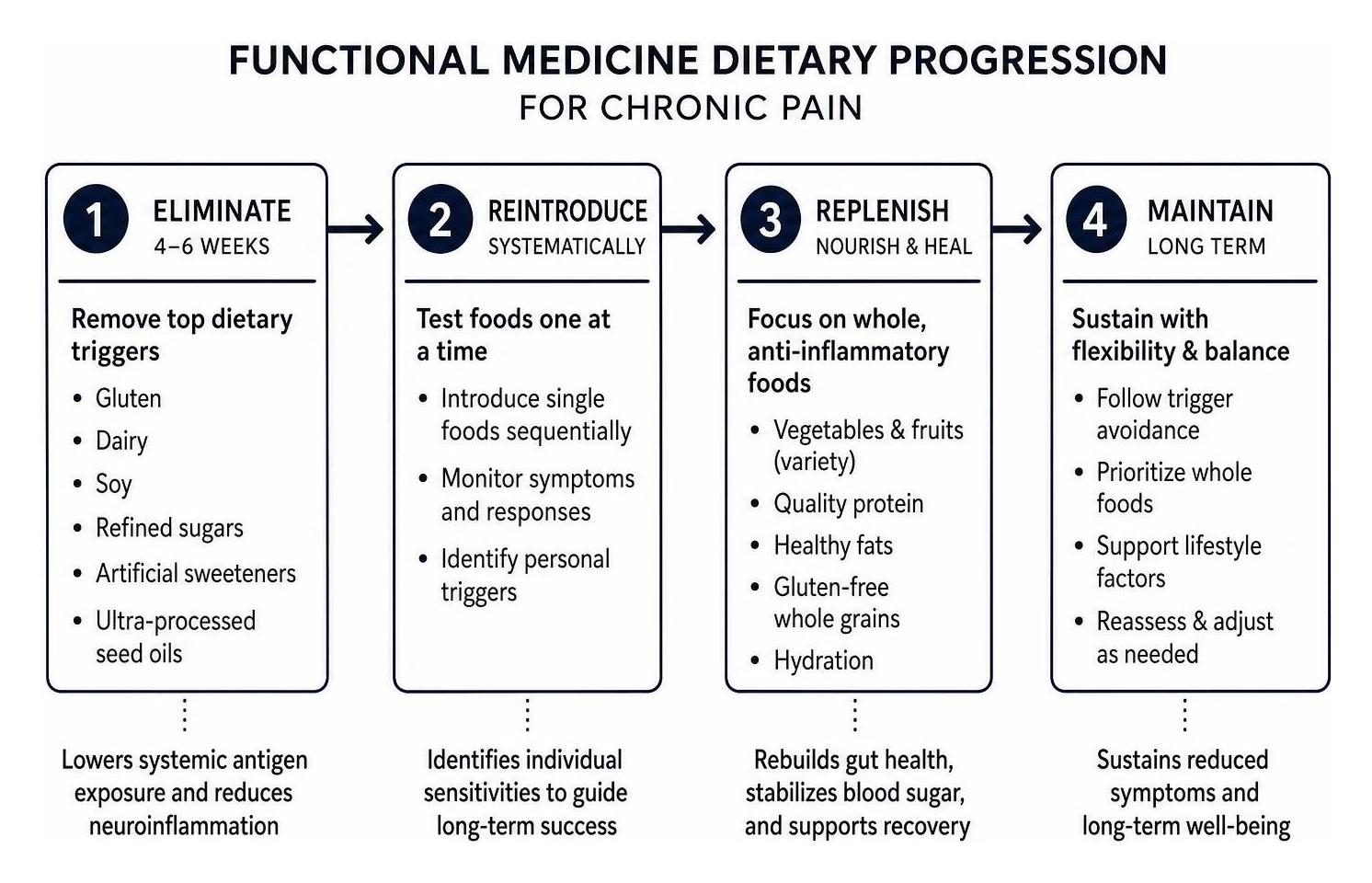
Dietary interventions must lower systemic antigen exposure, stabilize blood sugar, and extinguish neuroinflammation.
Personalized Functional Medicine Fibromyalgia Nutrition Plans
There is no universal "fibromyalgia diet," but clinical evidence supports several tailored frameworks:
Anti-Inflammatory Elimination Diet: Removes top dietary triggers—gluten, dairy, soy, refined sugars, artificial sweeteners, and ultra-processed seed oils—for 4 to 6 weeks, followed by a systematic reintroduction. Non-celiac gluten sensitivity frequently presents with neurological symptoms (brain fog, chronic myalgias) rather than overt gastrointestinal distress.
Low-FODMAP Diet: Ideal for patients with concurrent irritable bowel syndrome or proven SIBO. Restricting fermentable oligosaccharides, disaccharides, monosaccharides, and polyols rapidly reduces abdominal distension, bacterial gas production, and visceral hypersensitivity.
Phytonutrient-Dense Mediterranean Plan: Focuses on wild-caught cold-water fish, extra virgin olive oil, deeply pigmented berries, leafy greens, nuts, and seeds. This pattern provides high concentrations of polyphenols and antioxidants that neutralize free radicals generated during chronic neuroinflammation.
Targeted Nutraceuticals and Dosing Strategies
A structured nutraceutical protocol supports mitochondrial rescue, neuroinflammatory quenching, and neurotransmitter balance. Clinics utilizing targeted supplementation help practitioners scaling clinical outcomes systematically navigate evidence-backed nutraceutical strategies.
Magnesium Malate or Glycinate (300–600 mg daily): Malic acid supports the Krebs cycle for ATP synthesis, while elemental magnesium blocks NMDA receptors in the spinal cord, dampening pain amplification.
Coenzyme Q10 (200–300 mg daily): A critical electron transporter in the mitochondrial respiratory chain. Clinical trials demonstrate significant reductions in pain visual analog scale (VAS) scores and fatigue with high-potency CoQ10.
Palmitoylethanolamide (PEA; 600–1200 mg daily): An endogenous fatty acid amide that downregulates mast cell degranulation and microglial activation, acting as an effective natural neuroinflammatory modulator.
5-Hydroxytryptophan (5-HTP; 100–300 mg daily): The direct precursor to serotonin and melatonin. A 90-day clinical trial revealed meaningful improvements in tender point severity, sleep quality, anxiety, and global fatigue. Caution: Use under clinician supervision if combined with SSRIs/SNRIs.
High-Potency Omega-3 Fatty Acids (2000–3000 mg EPA/DHA daily): Meta-analyses of clinical trials demonstrate that therapeutic omega-3 dosing resolves tissue inflammation and reduces reliance on analgesic medications.
Melatonin (3–10 mg at bedtime): Beyond entraining circadian rhythms, melatonin is a potent brain antioxidant that clears reactive oxygen species and improves deep restorative sleep architecture.
Complementary Therapies, Movement, and Nervous System Regulation
Nutritional support must be paired with lifestyle and physical modalities to recalibrate the sensitized central nervous system (Pfalzgraf et al., 2020).

Manual and Physical Modalities
Integrative therapies provide substantial relief for persistent pain and muscle tension:
Acupuncture: Clinical data shows acupuncture delivers significant improvements in pain, physical function, and fatigue for approximately 40% of patients. Typically, an initial course of eight weekly 30-minute sessions achieves roughly a 30% reduction in symptom severity by stimulating endorphin release and downregulating pain neurotransmission.
Medical Massage & Myofascial Release: The most popular non-drug therapy reported by patients. Light-to-moderate pressure releases fascial adhesions, promotes lymphatic flow, and activates the parasympathetic nervous system.
Transcutaneous Electrical Nerve Stimulation (TENS): Approximately four in ten patients experience a 30% reduction in localized pain using TENS, which sends mild electrical pulses across the skin to disrupt ascending nociceptive pain signals.
Balneotherapy & Warm Water Immersion: Spa therapy and gentle hydrotherapy decrease joint loading, ease muscular hypertonicity, and produce clinical benefits lasting up to six months.
Stress Resilience and Nervous System Retraining
Because the autonomic nervous system is locked in chronic sympathetic fight-or-flight activation, conscious parasympathetic retraining is essential.
Graded Movement and Pacing: Exercise carries the highest tier of clinical evidence for fibromyalgia management. However, aggressive exertion triggers post-exertional flares. Clinicians recommend starting with gentle, low-impact exercise—such as recumbent cycling, water aerobics, or restorative yoga—for 5 to 10 minutes, gradually increasing duration by 10% weekly.
Cognitive Behavioral Therapy (CBT & CBT-I): CBT delivers an average pain improvement of 10% while significantly reducing catastrophizing and pain-related anxiety. Specialized CBT for Insomnia (CBT-I) restores sleep efficiency without medications.
Vagal Nerve Stimulation & Breathwork: Daily diaphragmatic breathing (e.g., 4-7-8 rhythm or resonance frequency breathing) stimulates the vagus nerve, lowering heart rate variability (HRV) stress markers and downregulating systemic inflammatory signaling. For clinicians interested in incorporating these modalities into a growing clinical practice, patient adherence improves markedly when nervous system pacing is built into every program phase.
Retesting Milestones and Navigating Evidence-Based Care
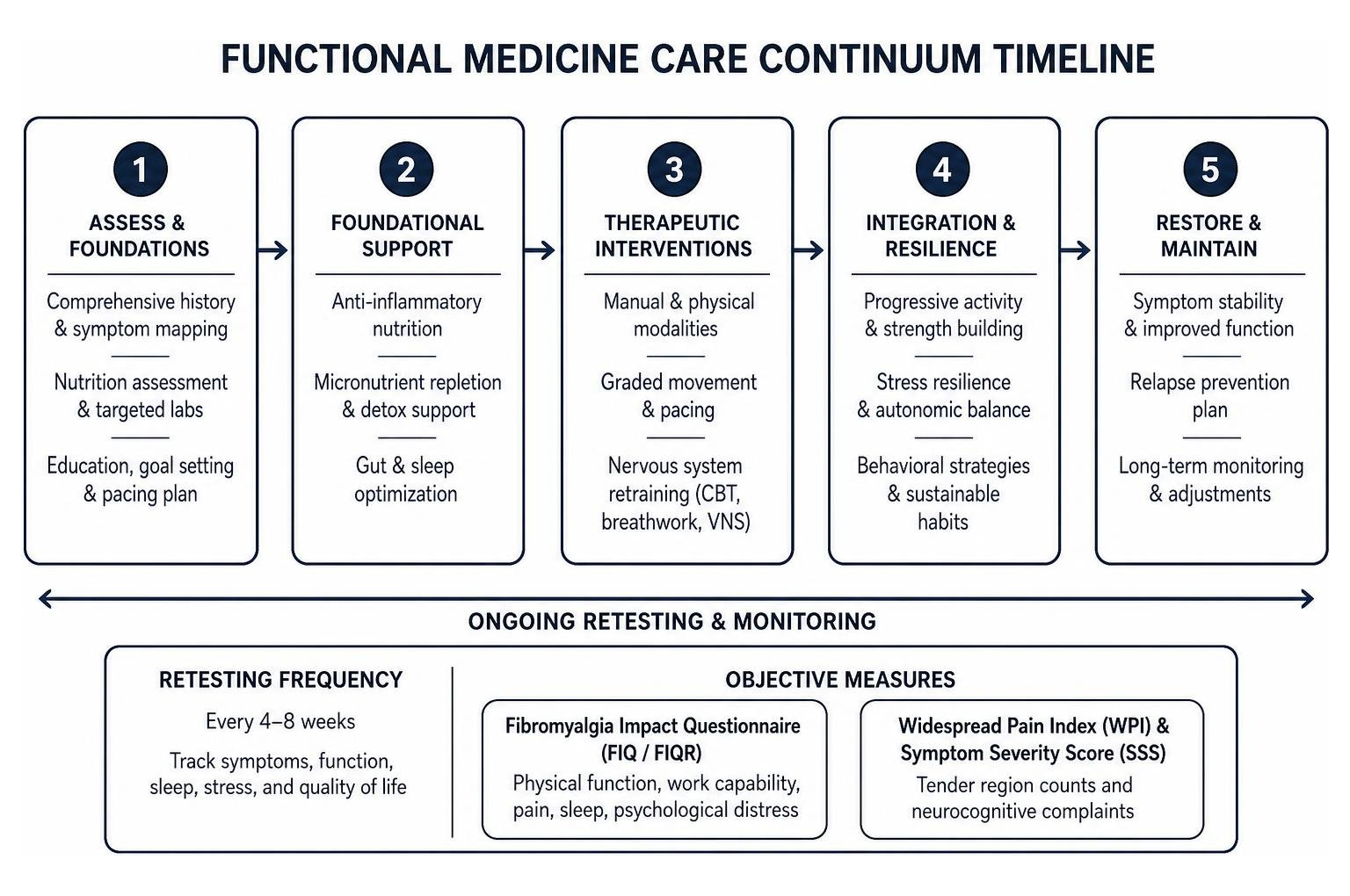
Managing chronic pain conditions requires structured objective tracking to separate clinically verified progress from temporary symptom fluctuations.
Objective Assessment Milestones
Clinicians should track validated outcome measures:
Fibromyalgia Impact Questionnaire (FIQ / FIQR): Administered every 4 to 8 weeks to quantify changes in physical function, work capability, pain, sleep, and psychological distress.
Widespread Pain Index (WPI) and Symptom Severity Score (SSS): Assesses tender region counts and neurocognitive complaints over time.
Lab Retesting Cadence
Ordering advanced functional lab tests every month is neither necessary nor cost-effective. A disciplined retesting schedule follows clear milestones:
6 to 8 Weeks: Re-check routine safety markers, fasting glucose, electrolyte balance, or therapeutic drug monitoring if weaning off medications.
3 to 6 Months: Retest basic inflammatory markers (hs-CRP, ESR), full thyroid panels, Vitamin D3, and RBC magnesium after therapeutic repletion. Re-evaluate SIBO with a follow-up lactulose breath test if treating dysbiosis.
9 to 12 Months: Re-assess complex functional testing (organic acids, hormone profiles, or mycotoxin panels) only if persistent roadblocks remain.
Separating Science from Speculation
Patients navigating chronic illness encounter numerous unverified claims on social media. Functional medicine clinicians must anchor protocols in published clinical evidence, steering patients away from predatory claims such as universal dental extraction protocols, unverified frequency devices, or promises of overnight cures.
Frequently Asked Questions About Functional Medicine and Fibromyalgia
Can functional medicine completely cure fibromyalgia?
Functional medicine does not promise an overnight "cure," as central sensitization involves entrenched neural pathways. However, by identifying and systematically resolving underlying biological triggers—such as gut dysbiosis, hormonal imbalances, micronutrient deficiencies, and neuroinflammation—many patients achieve profound symptom reduction, minimal pain, normalized energy, and functional remission.
How long does it take to see results on a functional medicine protocol?
Most patients notice initial improvements in sleep quality, digestive comfort, and brain fog within 8 to 12 weeks of consistent dietary changes, targeted nutraceuticals, and nervous system pacing. Full cellular repair, mitochondrial restoration, and physical conditioning typically require a dedicated 6- to 12-month timeline.
Does insurance cover functional medicine testing for fibromyalgia?
Standard baseline lab work—such as CBC, CMP, thyroid panels, inflammatory markers, and basic vitamin levels—is typically covered by major medical insurance when ordered by a licensed physician. Advanced functional tests (such as organic acids tests, salivary hormone mapping, urinary mycotoxin assays, or specialized microbiome panels) are often out-of-pocket or qualify for HSA/FSA reimbursement.
Conclusion
Fibromyalgia is a multi-system disorder characterized by neuroinflammation, central sensitization, cellular energy shortfalls, and metabolic imbalances. True long-term vitality is rarely achieved through pharmaceutical symptom suppression alone.
By applying a structured, evidence-based roadmap—combining thorough diagnostic testing, personalized anti-inflammatory nutrition, targeted mitochondrial nutraceuticals, and nervous system retraining—clinicians can guide patients out of chronic pain and back to vibrant health. At Functional Medicine Fast Track, we empower healthcare professionals with the clinical frameworks, systems, and mentorship required to deliver transformative, root-cause medicine under their own brand.
Scientific References
Pfalzgraf AR, Lobo CP, Giannetti V, Jones KD. "Use of Complementary and Alternative Medicine in Fibromyalgia: Results of an Online Survey.." Pain management nursing : official journal of the American Society of Pain Management Nurses, 2020. PMCID PMC7722066.