
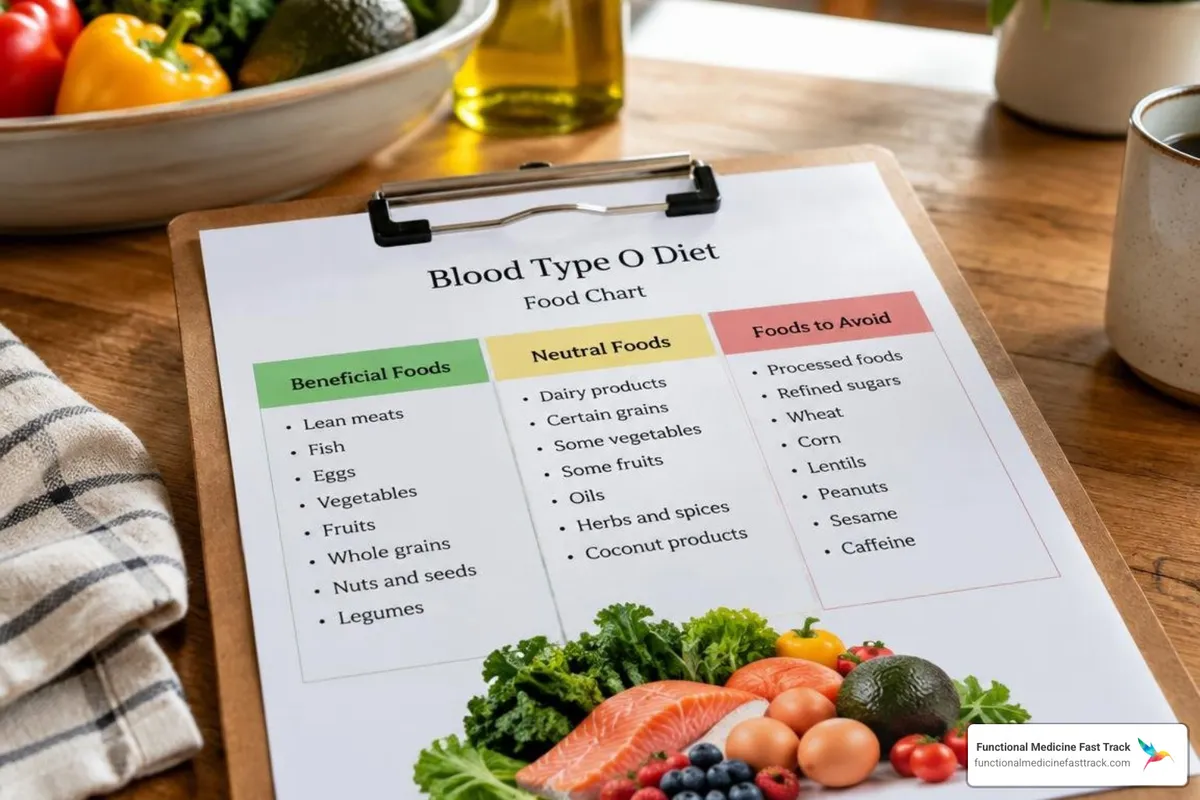
Eating for Blood Type O: A Printable Food Resource
Blood Group O Diet PDF: A Quick Food Chart
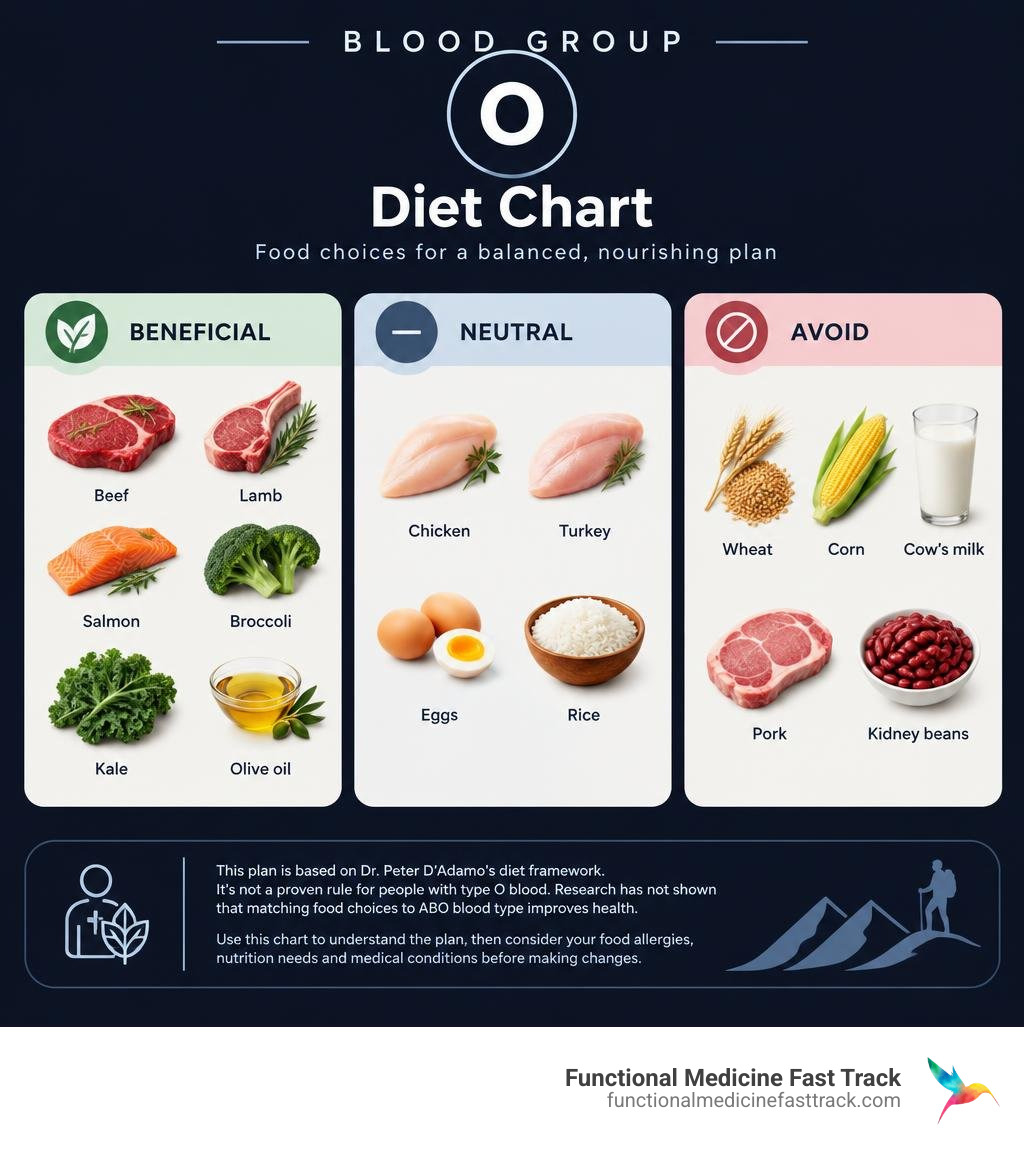
Use this blood group O diet PDF reference as a starting point for a printable food chart:
Beneficial: Beef, lamb, salmon, broccoli, kale, and olive oil.
Neutral: Chicken, turkey, eggs, and rice.
Avoid: Wheat, corn, cow’s milk, pork, and kidney beans.
These labels describe Dr. Peter D’Adamo’s diet framework, not proven rules for people with type O blood. Research has not shown that matching food choices to ABO blood type improves health. Use the chart to understand the plan, then weigh food allergies, nutrition needs, and medical conditions before making changes.
I’m Garric Vosloo, and I’ve spent more than 30 years consulting with patients and have owned two private practices. That experience shapes how I assess tools such as a blood group o diet pdf: as a way to organize food choices, not as a substitute for individual care.
Understanding the Blood Type O Diet Framework
The concept of eating according to blood group originated in the late 1990s through the work of naturopathic physician Dr. Peter D'Adamo. His book popularized the idea that our ABO blood groups reflect the evolutionary history of human migration and dietary adaptation.
Under this framework, type O is categorized as the ancestral "hunter" lineage. The theory claims that because early ancestral populations relied primarily on hunting wild game and foraging, individuals with type O blood possess higher levels of stomach acid, robust digestive enzyme production, and an innate metabolic profile suited for animal protein. As a result, the plan emphasizes a high-protein, lower-carbohydrate nutritional structure while removing grains and modern agricultural dairy.
The framework also introduces the concept of secretor versus non-secretor status. A majority of the population are "secretors," meaning their ABO blood group antigens are present in bodily fluids such as saliva and digestive mucus, while non-secretors do not express these antigens in secretions. Proponents suggest that non-secretors have narrower tolerances and must follow stricter guidelines.
While these historical concepts are intriguing, modern nutritional science categorizes the diet quite differently. In practice, the dietary parameters closely mirror elements of ancestral paleo frameworks and structured low-carbohydrate regimens.
Feature | Blood Type O Diet | Paleo Diet | Standard Low-Carb Diet |
|---|---|---|---|
Primary Protein Sources | Lean red meat, poultry, seafood | All unprocessed meats, fish, eggs | All meats, fish, poultry, eggs, tofu |
Grain Consumption | Highly restricted (no wheat/corn) | Completely grain-free | Restricted based on net carb targets |
Dairy Stance | Avoid most cow dairy; small goat/feta | Completely dairy-free (except ghee) | Full-fat dairy encouraged |
Legumes & Beans | Restrict most beans (kidney, navy) | Strictly eliminated | Limited based on carbohydrate limit |
Theoretical Basis | ABO antigen & lectin interaction | Paleolithic ancestral physiology | Insulin and carbohydrate restriction |
Why Use a Blood Group O Diet PDF for Meal Planning?
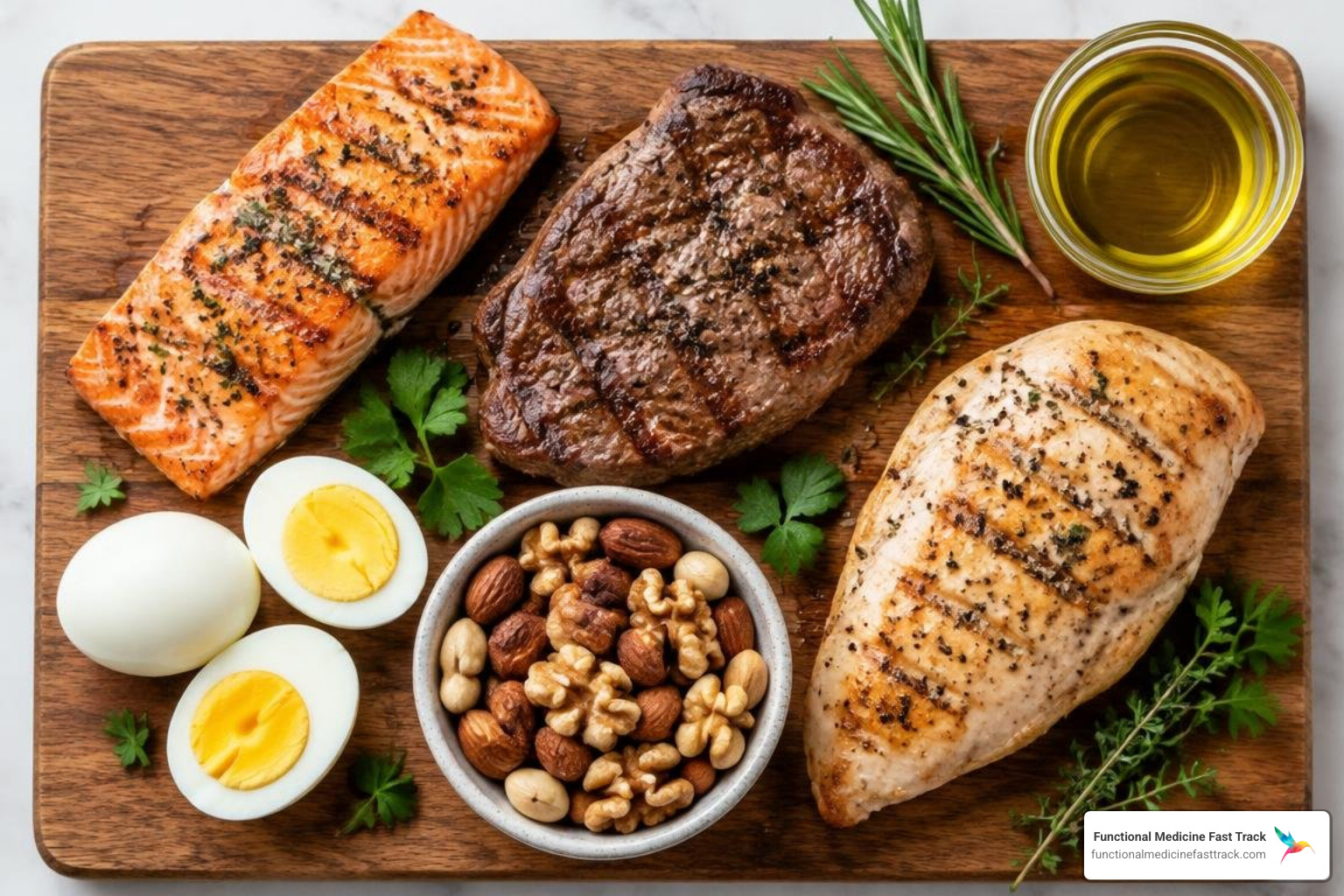
Many individuals look for a blood group O diet PDF because transitioning to whole-food eating requires structure. Having a comprehensive checklist makes grocery shopping, batch cooking, and daily tracking significantly more manageable.
When navigating significant dietary shifts, starting with a well-organized printable food list PDF helps eliminate guesswork in the kitchen. A clear food inventory enables you to build balanced grocery lists, prep healthy proteins in advance, and identify potential hidden triggers without feeling overwhelmed by daily meal choices.
The Role of Dietary Lectins and Blood Antigens
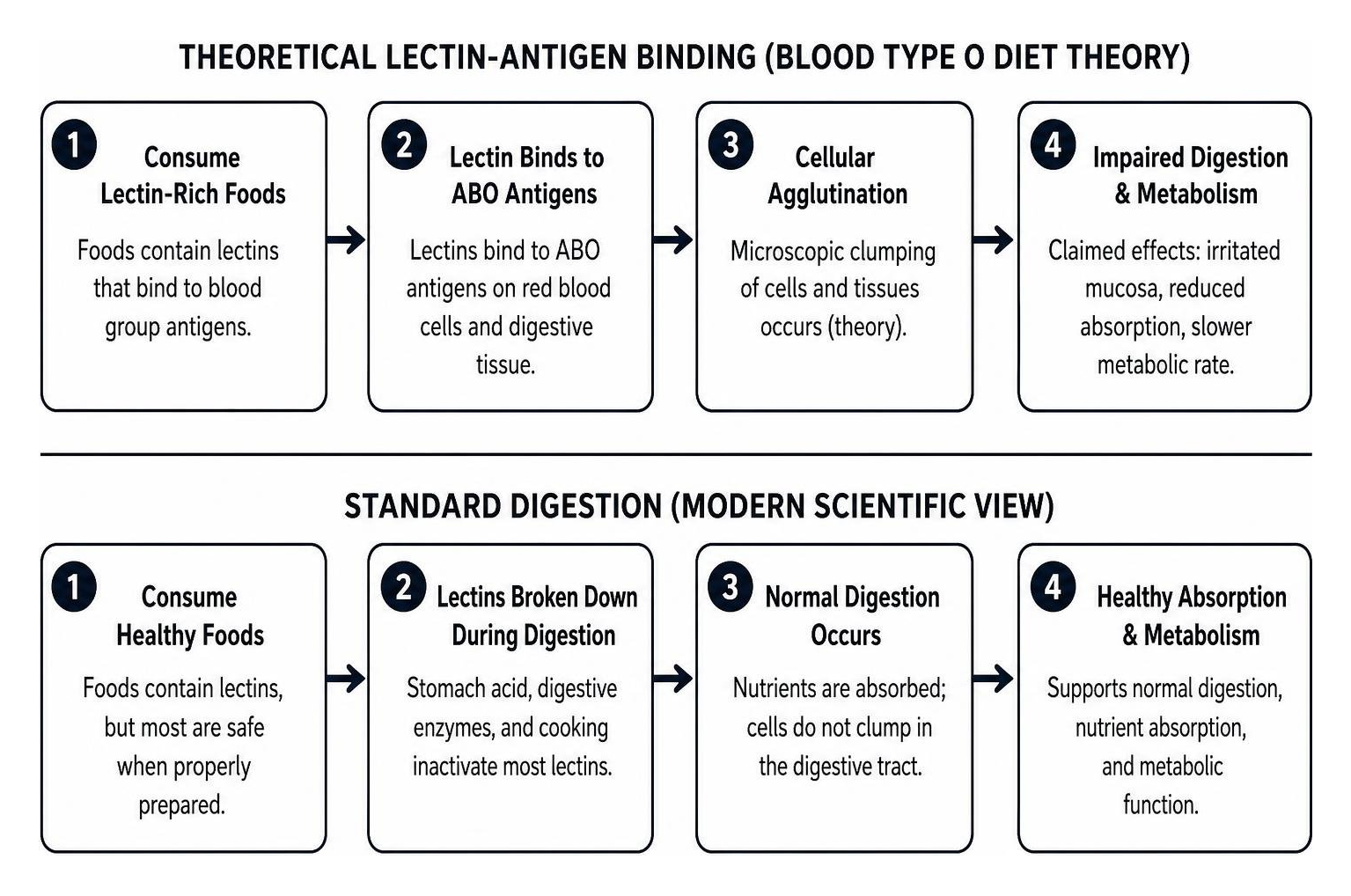
A cornerstone of D'Adamo’s theory is the interaction between dietary lectins and ABO blood antigens. Lectins are carbohydrate-binding proteins found throughout plant and animal foods.
The theory proposes that when you consume foods containing lectins incompatible with your blood type's specific sugar antigens, a process called cellular agglutination occurs. Proponents claim that this microscopic clumping of red blood cells and digestive tissues impairs intestinal permeability, irritates mucosal integrity, and slows metabolic rate.
However, modern biochemical research paints a more complex picture. While certain raw lectins (like phytohaemagglutinin in raw kidney beans) are universally toxic to humans regardless of blood type, standard cooking practices neutralize the vast majority of active lectins. Furthermore, current evidence does not demonstrate that dietary lectins selectively agglutinate human blood cells in a clinically significant manner based solely on ABO status.
Comprehensive Blood Group O Diet PDF Food Categories
The traditional framework divides all foods into three distinct classifications:
Highly Beneficial: Foods that act therapeutically, theoretically enhancing metabolism and digestive function.
Neutral: Foods that provide baseline nutrition without distinct metabolic benefits or burdens.
Avoid: Foods containing antigens or lectins purported to act as inflammatory triggers.
To see how these classifications work in practice, we can look across the core macronutrient groups.
Navigating Your Blood Group O Diet PDF Food Choices
For animal proteins, the plan heavily favors lean, nutrient-dense cuts. Grass-fed beef, lamb, venison, and wild game are designated as highly beneficial due to their dense iron and B-vitamin content. Cold-water seafood such as wild salmon, mackerel, cod, and sardines are similarly praised for their essential fatty acids.
Conversely, pork, bacon, and processed deli meats are placed on the avoid list. When removing broad food categories like conventional meats or processed wheat, utilizing a structured elimination diet food list can help you track how your body responds to the removal of these common dietary staples.
Vegetables, Fruits, and Beneficial Cooking Fats
Vegetables make up a substantial portion of the recommended daily intake, supporting a healthy acid-alkaline balance against higher dietary protein. Dark leafy greens, broccoli, kale, spinach, and kelp are highlighted as beneficial choices. Kelp, in particular, is emphasized within the framework for its natural iodine content, which helps support healthy thyroid function.
However, certain produce items are restricted. Nightshades like white potatoes and eggplants, along with corn and avocados, are listed as items to minimize. Healthy dietary fats such as extra virgin olive oil and cold-pressed flaxseed oil are favored, while industrial seed oils like corn, peanut, and cottonseed oils are avoided.
Grains, Legumes, and Dairy Guidelines
The blood type O framework severely restricts modern grains. Wheat-based breads, pastas, and gluten-containing cereals are strictly avoided under the hypothesis that wheat lectins interfere with insulin efficiency and promote mucosal inflammation.
Legumes like kidney beans, navy beans, and lentils are also flagged to avoid, whereas adzuki beans and black-eyed peas are labeled neutral. Conventional cow’s milk, processed cheeses, and ice cream are excluded, with small amounts of goat cheese, feta, or clarified butter occasionally permitted. When minimizing these items, managing daily carbohydrate intake with nutrient-dense root vegetables and low-glycemic fruits ensures you maintain steady physical energy.

What Does Clinical Research Say About Blood Type Diets?
Despite the commercial success of the framework, broad clinical trials have thoroughly tested these principles over the past two decades.
A landmark systematic review evaluated 16 clinical studies on blood type diets and concluded that there is currently no clinical evidence supporting the claim that blood group determines optimal nutritional needs.
To explore this further, researchers conducted a comprehensive study on ABO genotype and cardiometabolic risk involving 1,455 participants. The data revealed that individuals closely adhering to the Type-O dietary pattern did experience favorable improvements in cardiometabolic markers—specifically lower serum triglyceride levels. However, these beneficial metabolic changes occurred across all participants regardless of whether their blood group was A, B, AB, or O.
In other words, the metabolic benefits of the diet stem from eating lean proteins, healthy fats, and unprocessed vegetables while eliminating refined grains and sugars—not from an inherent genetic match with ABO antigens. For individuals seeking true biochemical individuality, exploring modern functional medicine genomic testing options offers far more precise insights into methylation, lipid transport, and nutrient metabolism than surface-level blood typing.
Health Considerations, Metabolic Risks, and Nuances
Adopting a high-protein, grain-free diet can offer several metabolic benefits, but it also warrants careful attention to nutrient balance.
Higher intakes of lean animal protein and dietary fiber from vegetables may support healthy blood sugar regulation, improved satiety, and lower triglycerides. However, strictly eliminating entire food groups like dairy and fortified grains can inadvertently lead to lower intakes of calcium, vitamin D, and specific prebiotic fibers if meals are not mindfully constructed.
Furthermore, individuals navigating underlying cardiovascular, digestive, or autoimmune challenges should approach dietary changes through a broader anti-inflammatory lens. Cross-referencing meal choices with an anti-inflammatory food list PDF ensures that your daily meals supply rich antioxidant diversity, essential polyphenols, and balanced omega fatty acids tailored to your individual metabolic needs.
Frequently Asked Questions About Blood Type O Nutrition
Is the blood type O diet effective for sustained weight loss?
Research suggests that weight reduction experienced on this plan is primarily driven by caloric deficit, higher protein satiety, and the elimination of hyper-palatable, ultra-processed carbohydrates. The emphasis on whole meats, seafood, and vegetables naturally reduces snacking and stabilizes insulin levels, leading to weight management benefits independent of blood type genetics.
What micronutrient deficiencies can occur on this plan?
Because conventional dairy and fortified grains are restricted, individuals who do not carefully plan their meals may experience suboptimal intakes of calcium, iodine, and vitamin D. Incorporating bone-in canned sardines, dark leafy greens, seaweed, and targeted supplementation can help maintain proper micronutrient status.
Can individuals with type O blood consume any grains?
Within the original framework, small amounts of non-wheat grains such as quinoa, buckwheat, and amaranth are listed as neutral or occasionally permissible. If you choose to include grains, focusing on properly soaked, sprouted, or gluten-free ancient grains often supports better overall digestive tolerance.
Conclusion
The blood type O framework offers a helpful historical perspective on whole-food eating, emphasizing nutrient-dense proteins, healthy fats, and fresh produce while eliminating processed junk. However, modern scientific evidence makes it clear that optimal nutrition is governed by comprehensive metabolic health, gut microbiome diversity, and personal bio-individuality—not simply your blood group.
At Functional Medicine Fast Track, we believe that clinical success lies in looking at the whole person through root-cause, evidence-based systems rather than one-size-fits-all diet rules. If you are ready to identify which specific foods truly support your unique biochemistry and calm systemic inflammation, download the complete elimination diet food plan to begin systematically discovering what fuels your body best.