
Basmati Rice and Acid Reflux Management Explained for Sensitive Stomachs
Is Basmati Rice Good for Acid Reflux?
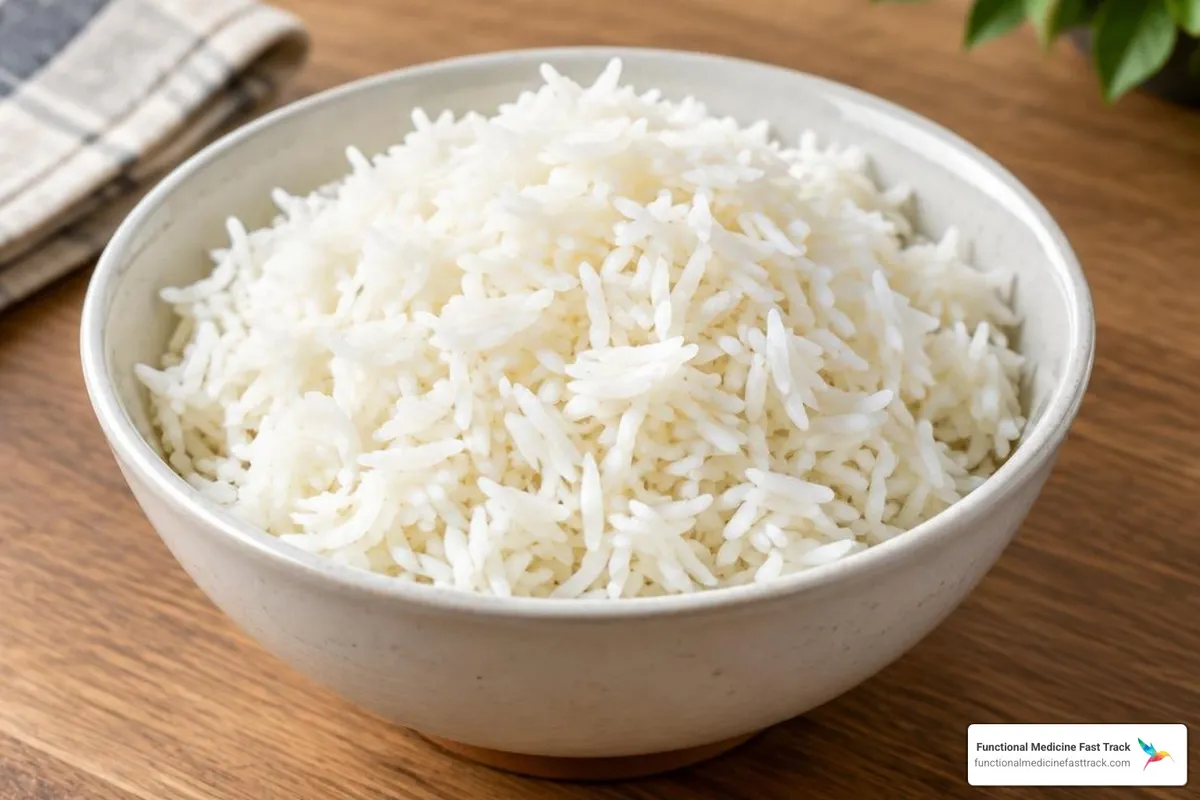
If you're asking, "is basmati rice good for acid reflux?", plain basmati rice is often a suitable choice. It is naturally low in fat, but no rice variety is guaranteed to feel comfortable for everyone. A modest serving of boiled white basmati may be easier to tolerate during a flare-up. Brown basmati offers more fiber, though some people find it less comfortable.
How you serve it matters. Try rice with cooked vegetables and lean protein rather than a rich or spicy sauce, and notice how you feel afterward.
I'm Garric Vosloo, a former Institute for Functional Medicine Certified Practitioner with over 30 years of experience working with patients and healthcare practices. When exploring "is basmati rice good for acid reflux," I focus on preparation, portion size, and personal tolerance.
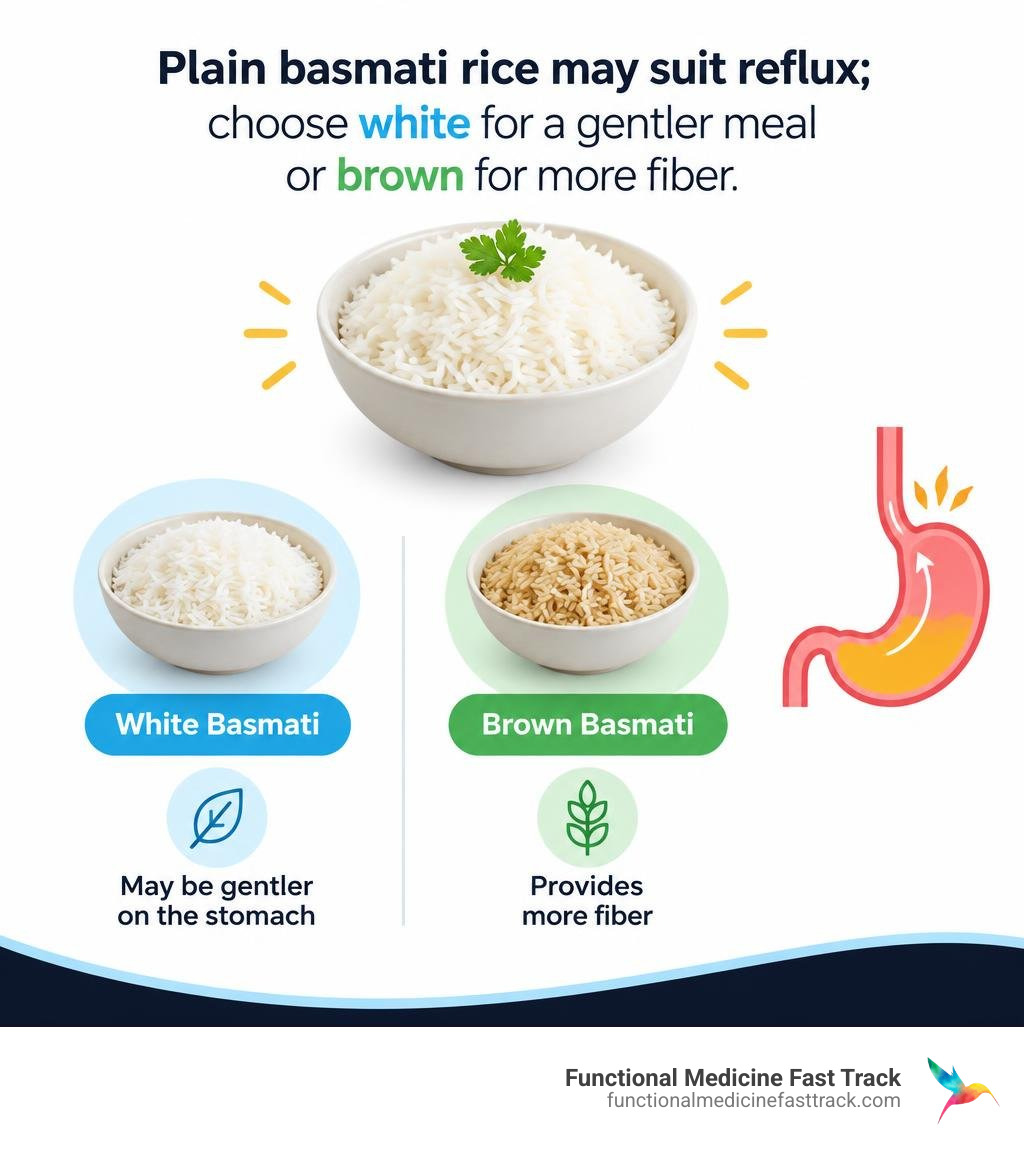
When food passes down the esophagus, it travels through the lower esophageal sphincter (LES), a muscular ring that acts as a one-way valve into the stomach. In gastroesophageal reflux disease (GERD), gastric contents flow backward past the LES, causing the classic burning sensation of heartburn or less obvious symptoms like throat clearing and a sour taste.
Foods high in dietary fats, intense spices, or high acidity tend to trigger reflux by delaying gastric emptying or directly relaxing the LES. Low-acid grains such as basmati rice provide a neutral foundation for sensitive stomachs. By keeping meals low in dietary fat and moderate in volume, you reduce pressure on the gastric barrier, supporting digestive comfort throughout the day.
Is Basmati Rice Good for Acid Reflux? Nutritional Profile and Digestive Impact
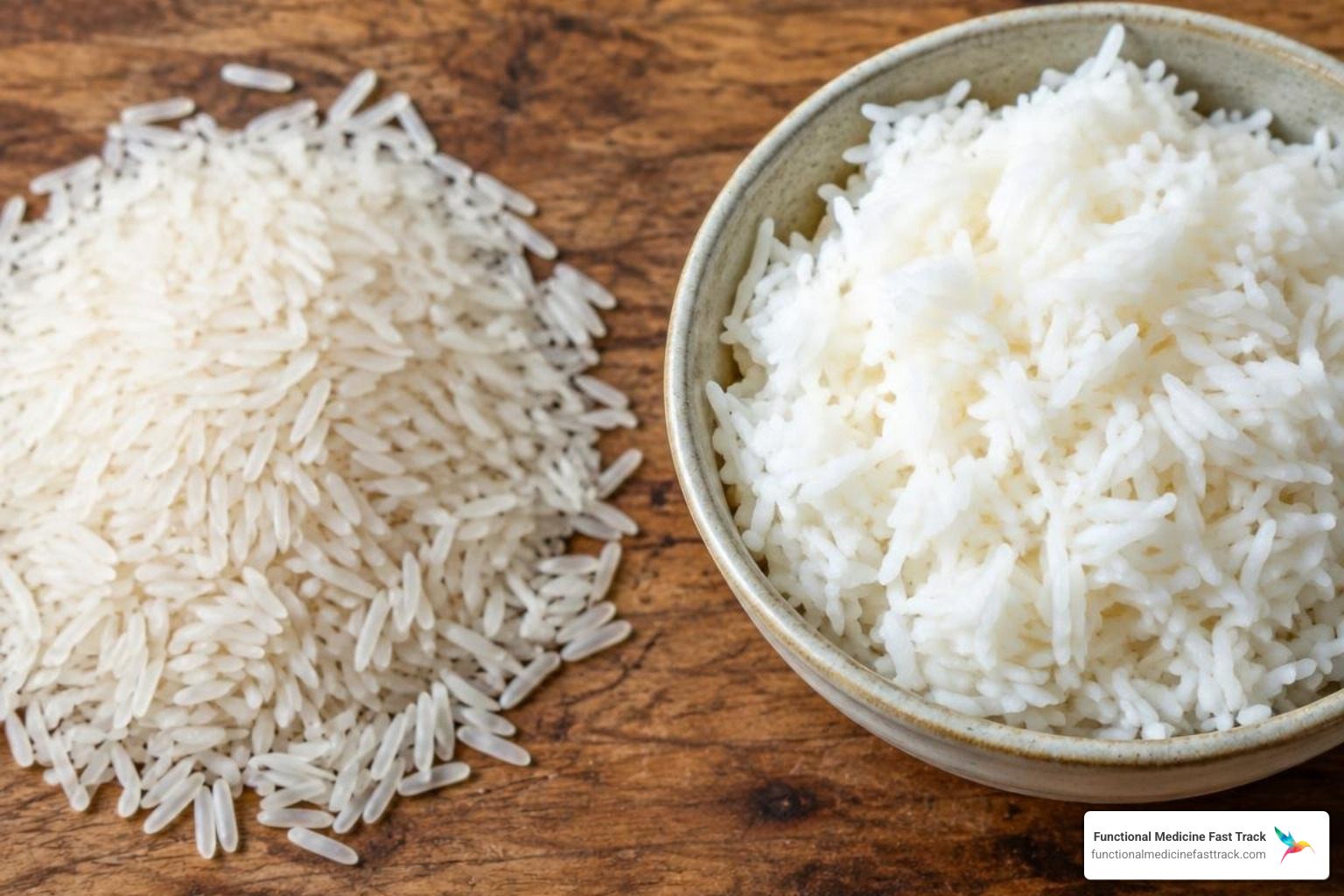
To evaluate how basmati rice affects digestive comfort, it helps to examine its nutritional composition. According to standard food composition datasets, raw white basmati rice provides approximately 351 kcal, 84g of carbohydrates, 8.1g of protein, 1.1g of dietary fiber, and just 0.5g of fat per 100g. Once boiled in unsalted water, the grain absorbs liquid, dropping its caloric density to around 117 kcal per 100g. Brown basmati rice retains its outer bran layer, delivering roughly 355 kcal, 8.9g of protein, 3.1g of fat, and 3.3g of fiber per 100g in raw form.
From a physiological standpoint, dietary fat is one of the strongest nutritional triggers for transient lower esophageal sphincter relaxations (TLESRs). High-fat meals slow the rate at which the stomach empties, causing gastric distention that places mechanical upward pressure on the LES. Because basmati rice contains almost negligible fat, it moves through the stomach efficiently.
This low-fat profile makes it an excellent candidate when designing an acid reflux diet, provided it is prepared without heavy oils or butter.
When May Basmati Rice Be a Gentle Option During Reflux Flare-Ups?
During an acute reflux flare-up, the esophageal lining is often inflamed and hypersensitive. In these moments, choosing easily digestible, low-residue foods can help calm upper gastrointestinal distress.
White basmati rice is milled to remove the bran and germ, which lowers its fiber density compared to whole-grain varieties. This low-fiber structure allows the stomach to break down the starch quickly with minimal mechanical churn.
For individuals navigating acute irritation, a simple bowl of boiled white basmati rice seasoned lightly with sea salt or moistened with a splash of clear bone broth can provide clean energy without irritating the esophageal mucosa or causing prolonged stomach fullness.
Brown Basmati Rice and Long-Term Digestive Health
While white basmati rice serves well during flare-ups, brown basmati rice provides distinct advantages for baseline, long-term digestive wellness. Brown basmati is a complex carbohydrate containing intact dietary fiber that digests more slowly, helping stabilize blood sugar levels and promoting steady bowel motility.
Peer-reviewed clinical research on dietary fiber and esophageal acid exposure indicates that adequate dietary fiber intake shares an inverse relationship with GERD symptoms (Newberry & Lynch, 2019). In clinical investigations, fiber supplementation has been observed to improve heartburn scores comparably to conventional antacids, likely by binding gastric contents and promoting healthy gastric clearance.
When choosing whole grains, transitioning gradually to brown basmati rice supports gut microbiome diversity while minimizing the sudden digestive shifts that trigger upper abdominal discomfort.
Comparing Basmati Rice to Other Varieties for Acid Reflux
Not all rice varieties behave identically in the digestive tract. The primary difference lies in the starch structure—specifically the ratio of amylose to amylopectin.
Basmati rice is naturally high in amylose, an unbranched starch molecule that forms long, firm grains that remain separate and fluffy when cooked. High-amylose grains break down more gradually than high-amylopectin grains, resulting in a lower glycemic response and less sticky gastric chyme.
By contrast, short-grain varieties like jasmine rice contain higher levels of amylopectin, making them softer, stickier, and more rapidly digested. If you are comparing varieties, exploring whether jasmine rice is suitable for your meals can help you tailor your grain choices to your unique metabolic and digestive needs.
Rice Variety | Typical Fiber (per Cooked Cup) | Starch Profile | Digestibility Speed | Reflux Considerations |
|---|---|---|---|---|
White Basmati Rice | ~0.6g – 1.0g | High Amylose | Moderate / Gentle | Very gentle during flare-ups; low gastric residence time. |
Brown Basmati Rice | ~3.0g – 3.3g | High Amylose + Bran | Slow / Sustained | High fiber supports motility; requires thorough chewing. |
Jasmine Rice (White) | ~0.5g – 0.8g | High Amylopectin | Rapid | Soft and easy to swallow; breaks down quickly. |
Wild Rice | ~3.0g | Complex Grain / Seed | Slow | Nutrient-dense and high in protein; firm texture. |
Following dietary guidelines for GER and GERD from NIDDK, emphasizing low-fat, non-irritating complex carbohydrates helps prevent unnecessary gastric strain. Basmati rice consistently stands out across clinical recommendations as a dependable, non-acidic grain.
How to Prepare and Pair Basmati Rice to Support Digestive Comfort

The digestive benefits of basmati rice depend heavily on how it is prepared in the kitchen. Even the gentlest grain can transform into a reflux trigger if it is fried or covered in high-fat sauces.
To optimize basmati rice for sensitive digestion:
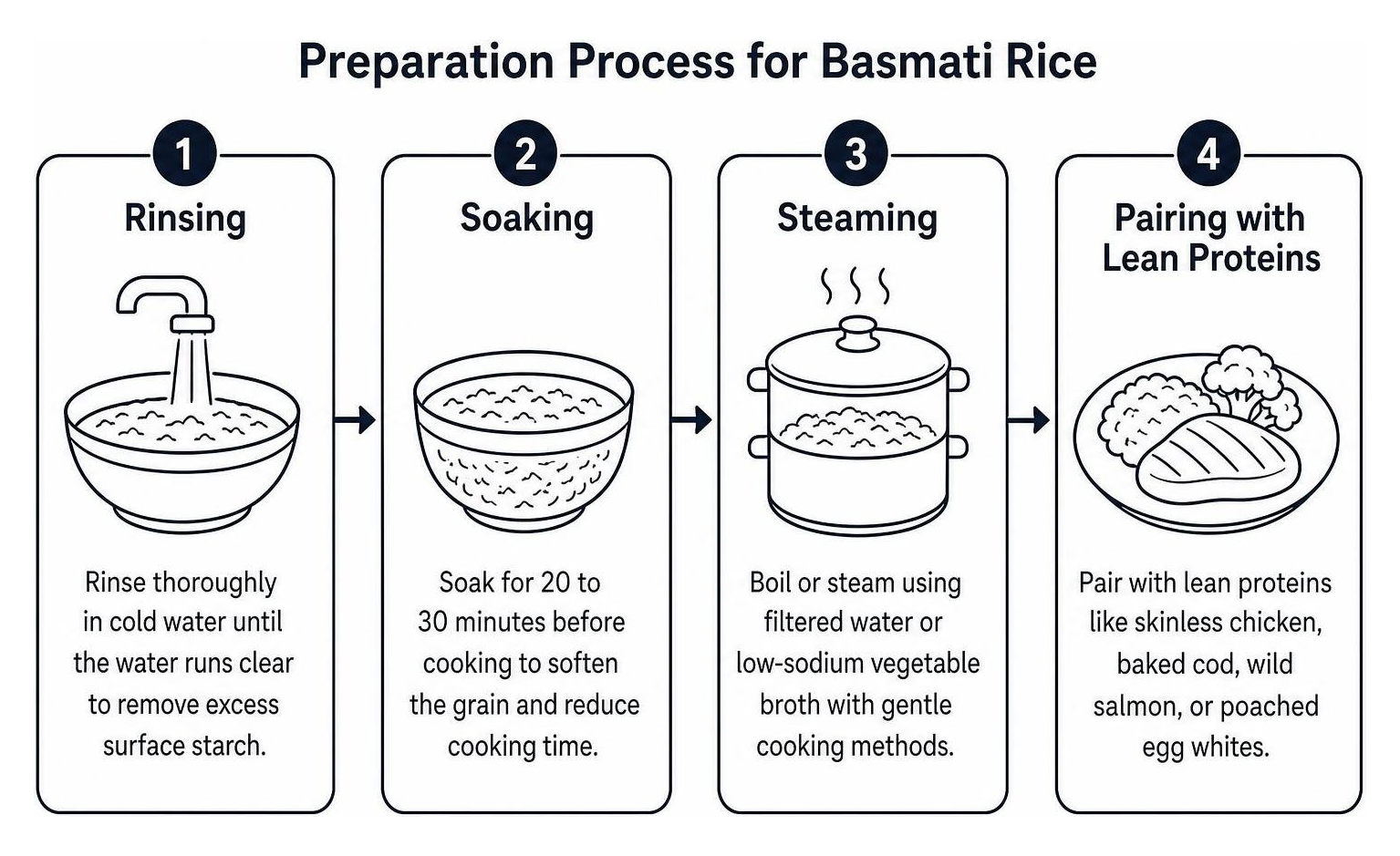
Rinse Thoroughly: Wash the dry grains in cold water until the water runs clear. This removes excess surface starch, preventing clumping and ensuring an airy, digestible texture.
Soak Before Cooking: Soaking basmati rice for 20 to 30 minutes before boiling softens the grain core and reduces cooking time, making the starch gentler on stomach enzymes.
Use Gentle Cooking Methods: Boil or steam the rice using filtered water or low-sodium vegetable broth. Avoid frying the grains in butter, lard, or excessive vegetable oils.
Select Mild Seasonings: Skip garlic powder, onion powder, chili flakes, and black pepper. Instead, flavor your rice with stomach-soothing herbs such as fresh parsley, chopped dill, a small slice of fresh ginger, or a pinch of ground fennel.
Best Pairings and Meal Habits to Consider With Basmati Rice
Constructing a reflux-conscious meal requires balancing your carbohydrate base with lean protein and non-acidic vegetables:
Lean Proteins: Pair your basmati rice with skinless chicken breast, baked cod, wild salmon, or poached egg whites. These protein sources provide satiety without excessive lipids that delay stomach emptying.
Mild Vegetables: Complement your dish with steamed zucchini, carrots, green beans, or bok choy. Avoid nightshades like tomatoes, as well as raw onions and garlic.
Moisture Without Fat: If the rice feels too dry, moisten it with a tablespoon of clear bone broth or a light drizzle (1 teaspoon) of extra virgin olive oil rather than heavy cream-based gravies.
Portion Control: Keep cooked grain servings to approximately 1/2 to 3/4 cup per meal. Overeating causes physical stomach distention, which directly forces the LES open regardless of how clean the ingredients are.
To explore comprehensive meal structures and planning strategies, reviewing a structured reflux meal plan guide can provide practical weekly templates.
Potential Digestive Downsides: Is Basmati Rice a Good Fit for People With SIBO?
While basmati rice is generally well tolerated, individual gut dynamics matter. For individuals dealing with Small Intestinal Bacterial Overgrowth (SIBO) or carbohydrate malabsorption, complex starches can occasionally present challenges.
When carbohydrates enter the digestive tract, any portion that is not fully absorbed in the upper intestine can be fermented by bacteria residing in the small bowel or colon. This fermentation generates hydrogen, methane, or carbon dioxide gas. Excessive gas production increases intra-abdominal pressure, which physically pushes upward against the stomach and lower esophageal sphincter, provoking reflux symptoms even when stomach acid levels are normal.
For those sensitive to gut fermentation, exploring specialized dietary frameworks such as a functional digestive approach or an elimination diet framework can help pinpoint whether specific carbohydrate loads are driving symptoms.
Frequently Asked Questions About Basmati Rice and GERD
Can I eat basmati rice daily if I suffer from chronic heartburn?
Yes, plain basmati rice can generally be consumed daily as part of a balanced diet for chronic heartburn. Because it is naturally low in fat and non-acidic, it does not irritate the esophageal lining. To ensure optimal nutrition, rotate basmati rice with other gentle grains like oatmeal and quinoa, and always keep portion sizes moderate to prevent gastric overfilling.
Is basmati rice better tolerated than white bread or pasta for acid reflux?
Many people find basmati rice easier to tolerate than refined wheat products like white bread or commercial pasta. Wheat products often contain added sugars, preservatives, or fermentable fructans that can trigger bloating and gas in sensitive individuals. Additionally, basmati rice is naturally gluten-free, eliminating potential gluten-related gut irritation that could contribute to delayed digestion.
Should I eat basmati rice if I have nighttime reflux symptoms?
Basmati rice can be included in your evening meal, but timing is critical. Standard clinical guidance recommends finishing your dinner at least three hours before lying down or going to sleep. This window allows the stomach ample time to complete gastric emptying, significantly reducing the likelihood of nighttime acid regurgitation.
Conclusion
Basmati rice offers an accessible, gentle, and nutrient-dense carbohydrate source for individuals managing acid reflux and sensitive digestion. Its low-fat composition, neutral acidity, and favorable amylose starch structure allow it to provide sustained energy without overburdening the lower esophageal sphincter or delaying gastric clearance.
Whether you rely on plain boiled white basmati during an acute flare-up or integrate fiber-rich brown basmati for long-term digestive regularity, preparation and portion control remain essential. By pairing basmati rice with lean proteins, non-acidic vegetables, and mild culinary herbs, you can build balanced meals that respect your digestive tract.
Because digestive wellness is deeply individualized, taking a comprehensive view of your symptoms—evaluating meal timing, gut motility, and personal food triggers—will provide the most reliable path toward lasting comfort.
References
Newberry C, Lynch K. "The role of diet in the development and management of gastroesophageal reflux disease: why we feel the burn.." Journal of thoracic disease, 2019. PMCID PMC6702398.