
Pinpointing Root Causes with Functional Medicine Acupuncture
How Functional Medicine Acupuncture Fits Into Whole-Person Care
Functional medicine acupuncture combines acupuncture with a broader look at a person's health, including symptoms, medical history, sleep, stress, and nutrition. Acupuncture may help with concerns such as chronic pain while the wider care plan addresses factors that may be contributing to those concerns. It complements, rather than replaces, standard medical care.
The key difference is how acupuncture fits into the plan. A practitioner may use it alongside lifestyle changes and other appropriate care, then track symptoms and daily function to see whether the plan is helping. Research supports acupuncture for some types of chronic pain, but evidence that combining it with functional medicine improves outcomes is limited.
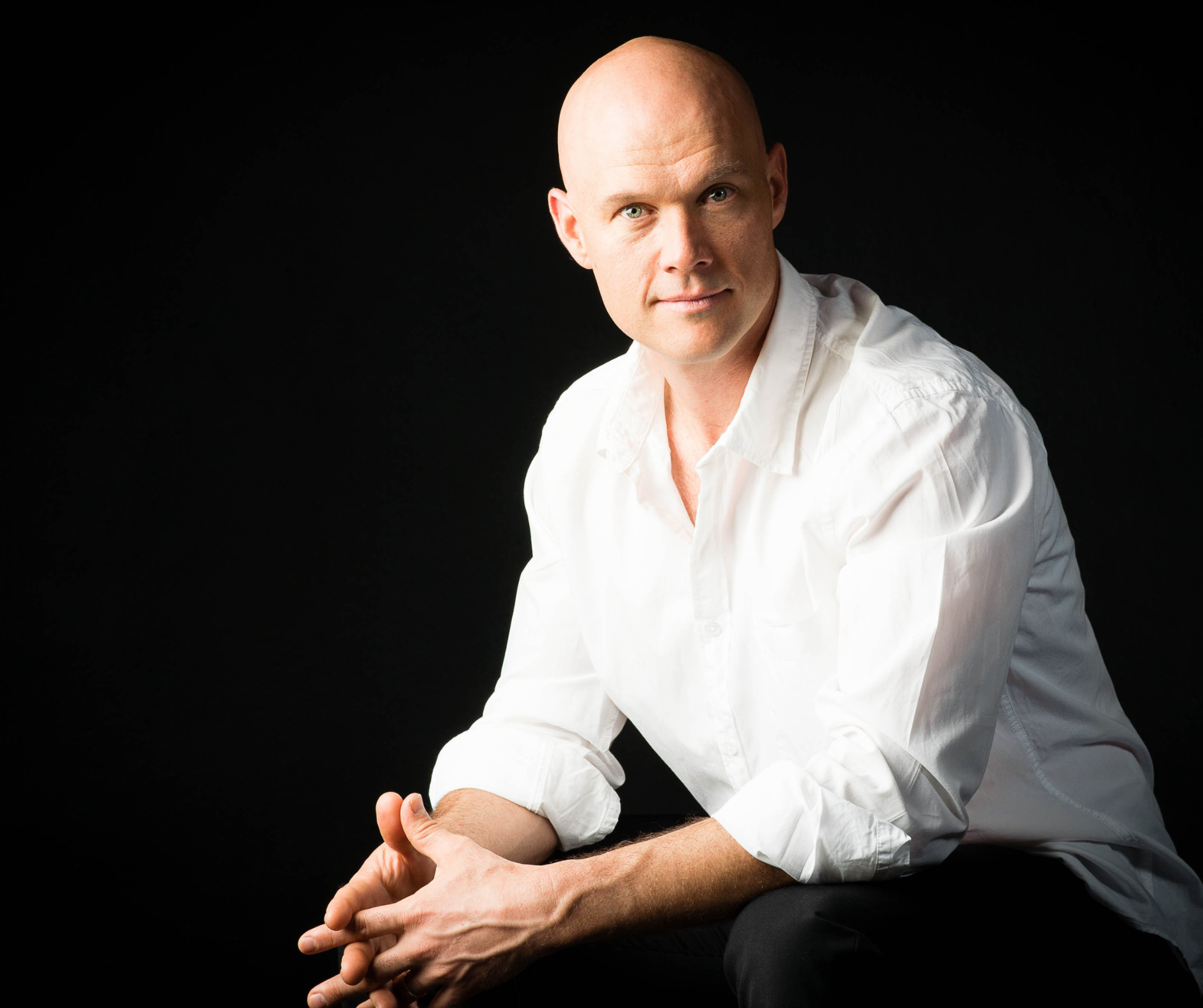
I'm Garric Vosloo, CEO of Functional Medicine Fast Track. After more than 30 years consulting with patients and owning two practices, I approach functional medicine acupuncture as one possible part of a careful, patient-centered plan.

Understanding Functional Medicine Acupuncture and Systems Biology
When we look at chronic illness through a systems biology lens, we recognize that the human body does not operate in isolated compartments. Every tissue, organ, and metabolic pathway communicates bidirectionally. Functional medicine maps these intricate networks—evaluating gastrointestinal integrity, toxic load, endocrine balance, and immune modulation—to identify underlying dysfunctions.
Integrating acupuncture into this framework bridges physical neurology with cellular communication. Rather than viewing needling simply as an energetic ritual or a localized pain treatment, modern integrative medicine recognizes acupuncture points as neurovascular nodes rich in sensory receptors, mast cells, and microvasculature. Mechanical stimulation of these nodes initiates connective tissue signaling, remodeling the extracellular matrix and triggering systemic homeostatic responses.
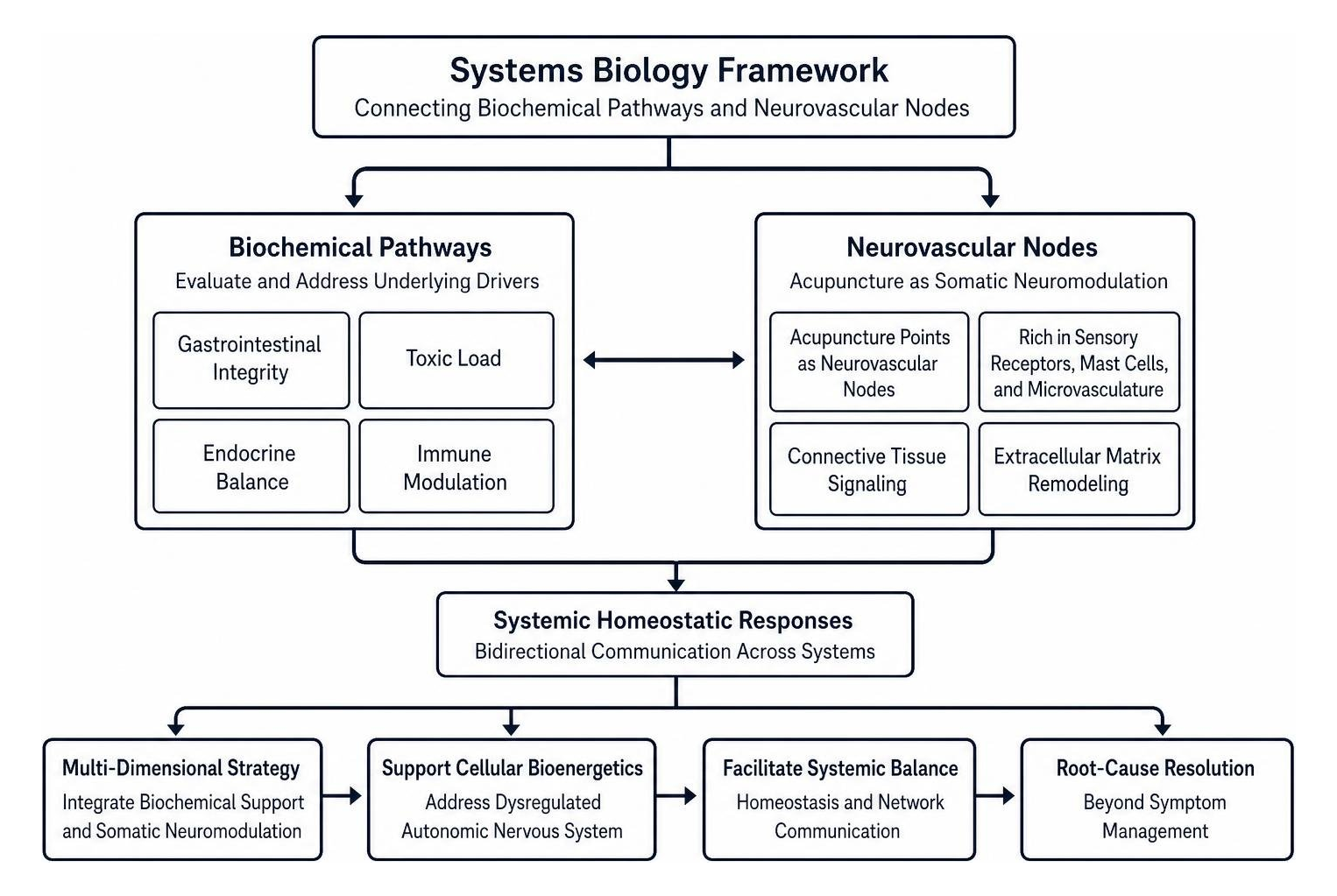
Clinicians often realize that true root-cause resolution requires moving beyond replacing drugs with supplements. Green pharmacy alone does not retrain a dysregulated autonomic nervous system. By pairing targeted biochemical support with somatic neuromodulation, we create a multi-dimensional strategy that supports cellular bioenergetics and facilitates systemic balance.
Bridging Traditional Chinese Medicine and Western Physiology
Traditional East Asian Medicine describes health as the harmonious flow of qi through distinct meridians. When translated into Western biomedical terms, these energetic pathways align remarkably with fascial planes, interstitial fluid channels, and neurovascular bundles (Crawford et al., 2021).
When a sterile, ultra-thin needle penetrates an acupuncture locus, it induces micro-trauma that prompts local vascular endothelial signaling and changes cellular purinergic receptor activity. This local mechanotransduction travels along somatic afferent pathways into the spinal cord and brain, initiating the systemic release of beta-endorphins, enkephalins, and dynorphins (Crawford et al., 2021). What classical texts described as "unblocking stagnation" corresponds to calming central sensitization, promoting microcirculation, and modulating inflammatory cytokines.
How Functional Medicine Acupuncture Differs from Traditional Needling
While both modalities utilize similar physical tools, their clinical frameworks diverge significantly in scope, diagnostic integration, and longitudinal execution:
Clinical Feature | Traditional Acupuncture | Functional Medicine Acupuncture |
|---|---|---|
Primary Diagnostic Focus | Pulse, tongue, meridian palpation, and TCM pattern differentiation | Traditional diagnostics combined with functional lab biomarkers, genomics, and metabolic history |
Intervention Strategy | Needle insertion, moxibustion, cupping, and classical herbal formulas | Somatosensory needling paired with targeted clinical nutrition, lifestyle medicine, and gut restoration |
Mechanistic Target | Restoring meridian balance and internal organ energetic harmony | Modulating neuroendocrine pathways, autonomic balance, the microbiome, and cellular signaling |
Symptom vs. Root Scope | Often addresses acute and chronic symptom patterns within classical syndromes | Uses needling for immediate neurological regulation while investigating upstream physiological drivers |
Outcome Tracking | Subjective symptom reporting and classical tongue/pulse shifts | Validated clinical tools (e.g., PROMIS scores) combined with follow-up lab analytics |
Diagnostic Synergy: Integrating Functional Testing with Somatosensory Mapping
A core advantage of combining modalities is the diagnostic depth it provides. While functional lab panels show objective biochemical imbalances, physical diagnostic techniques reveal how those imbalances manifest somatically.

Practitioners use a structured functional lab selection framework to pinpoint intestinal permeability, nutrient deficiencies, or occult infections. When these lab insights are paired with somatosensory mapping, clinicians can design a precise, individualized care plan.
Combining Functional Lab Testing with Japanese Hara and Tongue Diagnostics
Classical abdominal palpation—known as Japanese Hara diagnosis—gives immediate somatic feedback regarding internal organ stress, autonomic tension, and fascial restriction. A patient with elevated zonulin and systemic lipopolysaccharide markers on a stool test, for example, often presents with marked sensitivity and stagnation in the periumbilical region (the classical spleen/stomach reflex zone).
Similarly, inspecting sublingual veins and tongue coatings reflects microcirculatory dynamics and mucosal health. Thick coats or sublingual engorgement often align with gut dysbiosis, systemic inflammation, or high oxidative stress. Correlating these physical signs with comprehensive lab testing ensures that needle placement directly supports the physiological systems under the greatest biochemical strain.
NeuroMuscular Testing and Autonomic Nervous System Mapping
Chronic stressors, metabolic endotoxemia, and psycho-emotional trauma frequently lead to neuromuscular inhibition. Manual muscle testing and autonomic reflex assessments offer real-time insights into sympathovagal balance and visceral reflex arcs.
When allostatic overload impairs the hypothalamic-pituitary-adrenal (HPA) axis, somatic tissues reflect that stress through altered tone. Using somatosensory mapping allows practitioners to identify areas of neurological distress, select calming points, and guide the patient out of chronic sympathetic dominance into parasympathetic recovery.
Core Clinical Applications of Functional Medicine Acupuncture

By addressing both the biochemical terrain and somatic signaling, this integrated model is particularly helpful for complex, overlapping chronic conditions. When addressing functional medicine for autoimmune disease, for instance, calming systemic inflammation through vagal stimulation while repairing mucosal barriers helps support long-term immunological tolerance.
Gut-Brain Axis, Motility, and Microbiome Balance
Gastrointestinal conditions like Irritable Bowel Syndrome (IBS) and Small Intestinal Bacterial Overgrowth (SIBO) involve both microbial shifts and altered motility. Research indicates that targeted needling stimulates the auricular and abdominal branches of the vagus nerve, helping modulate the enteric nervous system, balance secretory IgA levels, and ease visceral hypersensitivity.
Pairing acupuncture with antimicrobial botanicals, digestive enzymes, and prebiotic nutrition addresses the underlying microbiome while physically supporting migrating motor complex activity.
Chronic Pain, Fibromyalgia, and Traumatic Brain Injury Recovery
Chronic pain syndromes rarely stem from structural issues alone; they frequently involve central sensitization, microglial activation, and systemic metabolic inflammation. In conditions like fibromyalgia, combining anti-inflammatory nutritional strategies with somatic needling may help calm hyperactive nociceptive pathways (Crawford et al., 2021). Learn more about our approach to integrative management of functional medicine fibromyalgia.
Acupuncture is also being explored within comprehensive neurological recovery programs. As highlighted in PMC research on functional medicine approaches to traumatic brain injury, secondary injury cascades involve oxidative stress, excitotoxicity, and mitochondrial strain (Richer, 2017). High-dose omega-3 fatty acids and targeted micronutrients support cellular recovery, while gentle needling can be incorporated to help soothe neuroinflammation and support microcirculation (Richer, 2017).
Endocrine Harmony, Stress Resilience, and Mental Health
Hormonal health depends on clear signaling between the brain and peripheral glands. Dysregulation of the ovarian-adrenal-thyroid axis often leads to fatigue, sleep issues, and cycle irregularities. Acupuncture helps regulate the HPA axis, moderating evening cortisol surges and promoting restorative sleep.
In mental health, where mood concerns frequently link to systemic inflammation and gut dysbiosis, somatosensory therapies offer non-pharmacological support for emotional regulation. We discuss these multi-system connections further in our functional medicine mental health guide.
The Patient Experience: Treatment Plans, Safety, and Tracking Progress
An integrated session blends hands-on care with comprehensive health analysis, ensuring that visits are relaxing, structured, and clinically focused.
What to Expect During an Integrated Clinical Session
An initial visit typically lasts 60 to 90 minutes and includes:
Comprehensive Health Review: Analyzing metabolic history, environmental exposures, sleep patterns, nutrition, and current lab markers.
Physical and Somatosensory Assessment: Examining the tongue, checking pulses, and performing abdominal or neuromuscular palpation.
Targeted Needle Insertion: Placing sterile, single-use, hair-thin needles at selected points. Most patients feel only a mild tap or slight dull sensation.
Relaxation Phase: Resting quietly for 20 to 30 minutes in a calm environment, allowing the nervous system to shift toward parasympathetic tone.
Care Plan Integration: Reviewing individualized nutritional strategies, lifestyle adjustments, and supplement recommendations to support healing between visits.
Treatment Frequency, Safety Guidelines, and Outcome Tracking
Somatic needling influences several key physiological markers:
Endogenous Opioids: Beta-endorphins and enkephalins modulate pain signaling (Crawford et al., 2021).
Vagal Tone: Higher heart rate variability reflects better stress recovery.
Inflammatory Mediators: Reductions in serum TNF-alpha, IL-6, and substance P.
Neurotransmitters: Balanced serotonin, dopamine, and GABA expression.
A typical plan begins with weekly or bi-weekly sessions over 4 to 8 weeks, tapering as objective markers improve. Progress is monitored using validated questionnaires, such as PROMIS (Patient-Reported Outcomes Measurement Information System) scales, alongside follow-up functional labs.
Safety remains essential. Serious adverse events from acupuncture are rare (Crawford et al., 2021). Licensed practitioners thoroughly screen for relative contraindications, such as severe lymphedema, local skin infections, bleeding disorders, or pregnancy, ensuring point selection is safe and appropriate.
Frequently Asked Questions About Functional Medicine Acupuncture
How many sessions are typically required to see measurable health improvements?
While some patients notice shifts in sleep or muscle tension after 1 to 3 visits, complex chronic conditions usually require 6 to 12 sessions. This window allows time for dietary changes and lifestyle adjustments to support cellular and tissue recovery alongside neuromodulation.
How does functional lab testing alter an acupuncture point prescription?
Lab findings help prioritize which organ systems receive therapeutic focus. For example, if a hormone panel reveals depleted morning cortisol alongside elevated evening levels, point selection shifts toward calming kidney-adrenal meridians and balancing the HPA axis, rather than using a general wellness point combination.
Is functional medicine acupuncture covered by standard insurance or Medicare?
Coverage depends on your specific policy and diagnosis. Medicare currently covers acupuncture for chronic low back pain under defined parameters (Crawford et al., 2021). While comprehensive functional lab reviews and extended lifestyle consultations are often paid out-of-pocket, many clinics provide itemized superbills for potential out-of-network reimbursement.
Conclusion
Combining ancient needling techniques with modern functional medicine creates a comprehensive, patient-centered model of care. By calming autonomic distress through neuromodulation while systematically resolving biochemical, nutritional, and microbial imbalances, practitioners can support sustainable, long-term health.
If you are a licensed healthcare provider looking to incorporate root-cause systems into your practice, explore our clinical systems and mentorship by partnering with Functional Medicine Fast Track to build integrative clinical mastery.
References
Crawford PF, Moss DA, Hawks MK, Snyder MJ. "Integrative Medicine: Acupuncture.." FP essentials, 2021. PMID 34128627. Richer AC. "Functional Medicine Approach to Traumatic Brain Injury.." Medical acupuncture, 2017. PMCID PMC5580364.