

A Parent's Guide to Pediatric Functional Medicine and Holistic Care
Why Functional Medicine for Kids Starts With the Whole Child
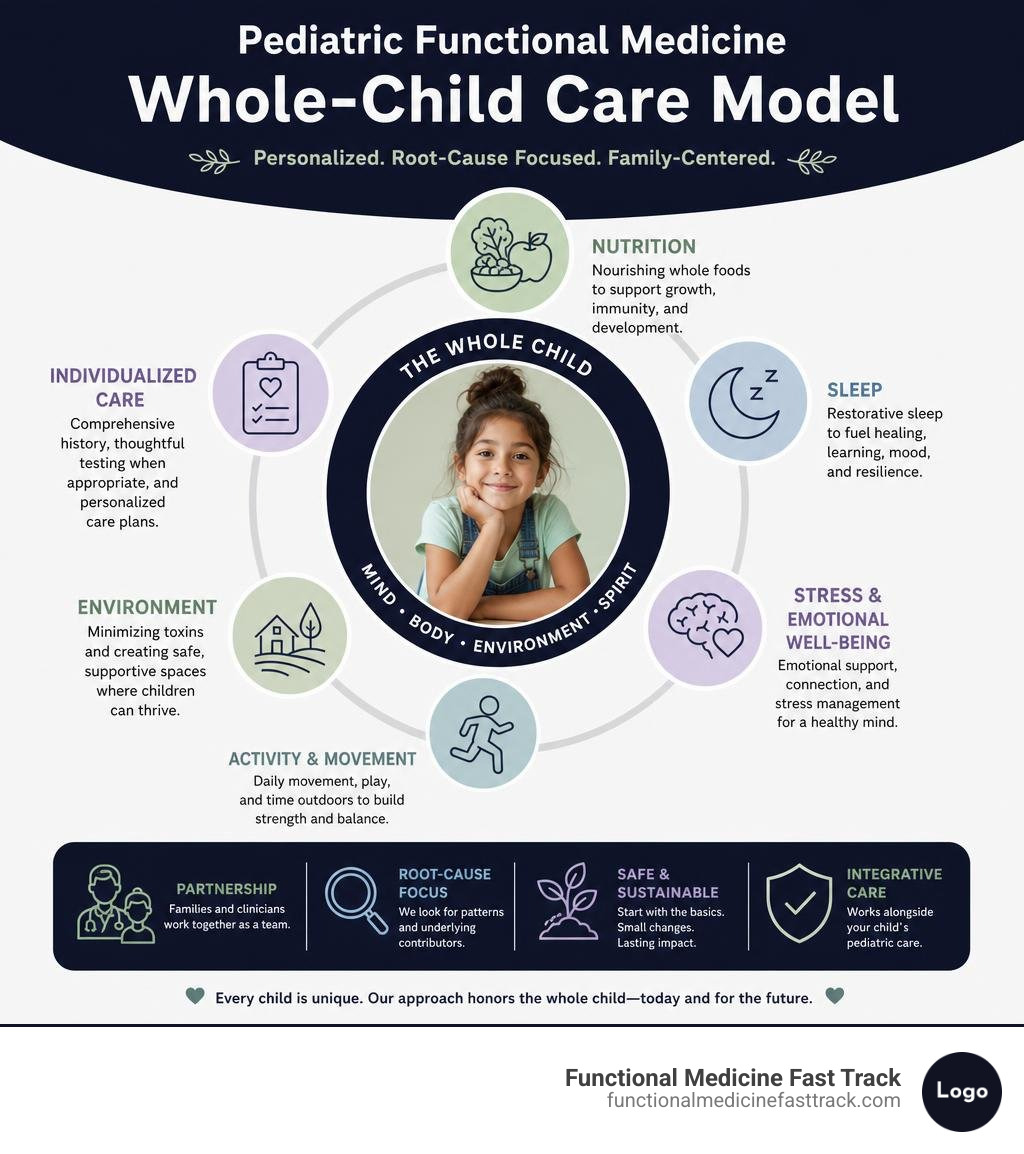
Functional medicine for kids is a personalized, whole-child approach to care. It looks beyond a diagnosis or single symptom to explore factors that may affect a child's health, including nutrition, sleep, stress, activity, family history, and environment. It should complement - not replace - regular pediatric care, vaccines, screenings, urgent treatment, and prescribed medication.
For families and clinicians, the practical starting point is simple:
Keep the child's primary pediatrician involved.
Build a detailed health timeline, including birth history, symptoms, diet, sleep, and stressors.
Start with safe, sustainable basics such as balanced meals, consistent sleep, movement, and emotional support.
Use targeted testing, supplements, or dietary changes only when clinically appropriate and supervised by a qualified pediatric professional.
This matters because many children live with health concerns that affect daily life, from digestive symptoms and eczema to anxiety, sleep problems, weight concerns, and attention challenges. The Institute for Functional Medicine notes that about 20% of U.S. children ages 6 to 11 have obesity, while the World Health Organization estimates that 1 in 7 adolescents experiences a mental health condition.
Pediatric functional medicine asks a useful question: What patterns may be contributing to this child's symptoms, and what can the family realistically change to support better health over time? The goal is not a quick fix or a one-size-fits-all protocol. It is thoughtful, evidence-informed care that supports a child's growth, development, and quality of life.
What Is Functional Medicine for Kids and How Does It Differ from Conventional Care?
When a child experiences chronic health challenges, conventional pediatrics often focuses on acute triage and symptom management. If a child has eczema, they receive steroid cream. If they have acid reflux, they get an acid blocker. If they have attention difficulties, stimulant medications are frequently prescribed. While these conventional tools are essential for immediate relief, they rarely answer the underlying question: Why is this happening in the first place?
Functional medicine operates from a framework of systems biology and biochemical individuality. Rather than viewing the body as a collection of isolated organs managed by separate medical specialists, we understand that every physiological system interacts continuously with the environment. A skin issue is rarely just a skin issue; it is frequently an external reflection of internal gut dysbiosis, immune hypersensitivity, or nutritional imbalance.
The conventional paradigm excels at acute emergency care, trauma, and severe infectious diseases. In contrast, pediatric functional medicine is specifically designed to unpack chronic, multifactorial complaints by identifying upstream drivers.
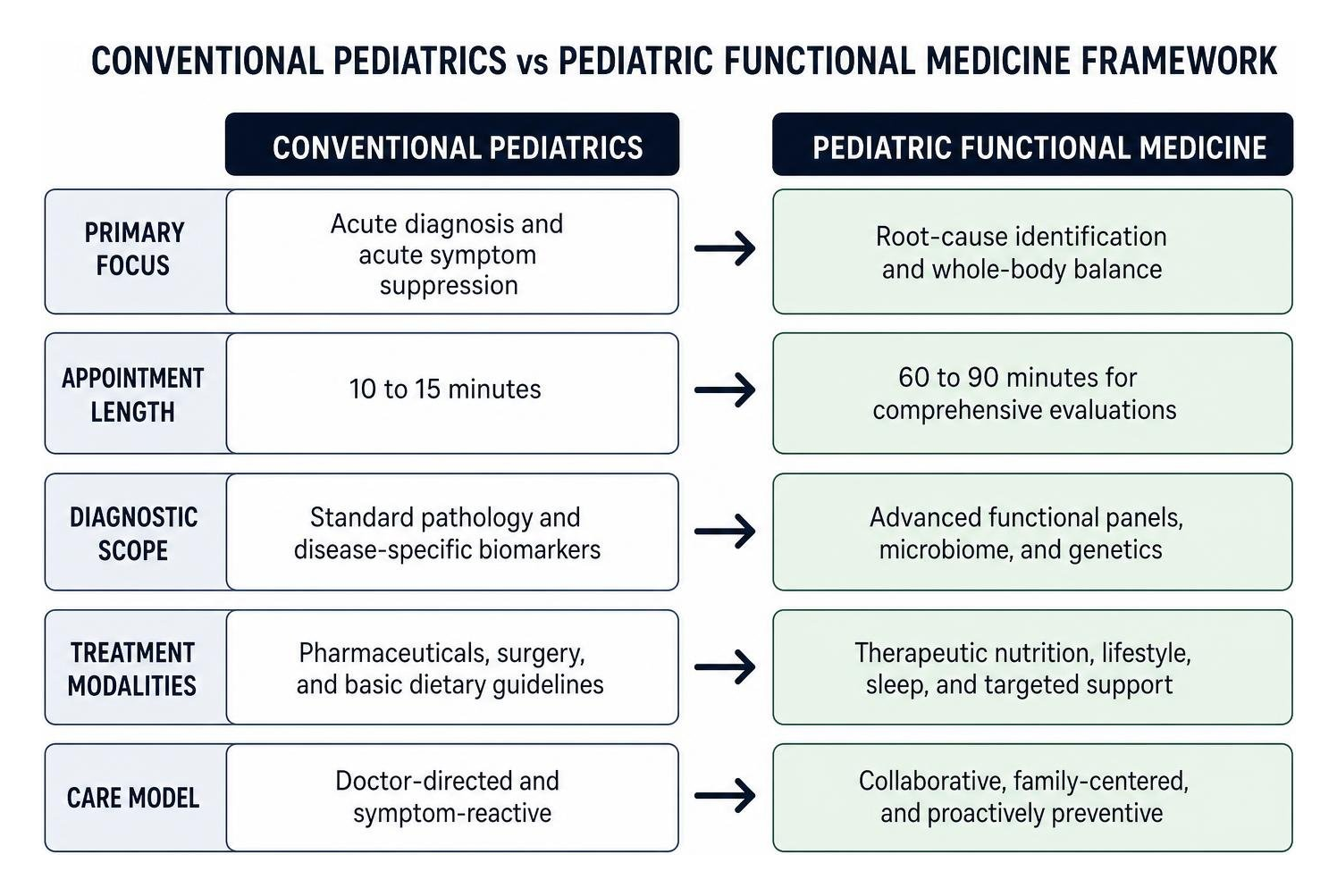
Feature | Conventional Pediatric Care | Pediatric Functional Medicine |
|---|---|---|
Primary Focus | Acute diagnosis and acute symptom suppression | Root-cause identification and whole-body balance |
Appointment Length | 10 to 15 minutes | 60 to 90 minutes for comprehensive evaluations |
Diagnostic Scope | Standard pathology and disease-specific biomarkers | Advanced functional panels, microbiome, and genetics |
Treatment Modalities | Pharmaceuticals, surgery, and basic dietary guidelines | Therapeutic nutrition, lifestyle, sleep, and targeted support |
Care Model | Doctor-directed and symptom-reactive | Collaborative, family-centered, and proactively preventive |
Core Principles of Functional Medicine for Kids
Pediatric functional health rests on several core principles that guide every clinical assessment:
The Gut-Immune Axis: Upwards of 70% of a child's immune system resides within the gut-associated lymphoid tissue (GALT). Imbalances in the intestinal microbiome can drive systemic inflammation, manifesting as allergies, asthma, or neurodevelopmental symptoms.
Epigenetic Triggers and Individuality: Genes load the gun, but environment pulls the trigger. Diet, air quality, household chemicals, and emotional stressors determine which genetic traits are expressed.
Nutritional Optimization: Rapidly growing brains and tissues require dense micronutrient support. Subclinical deficiencies in minerals like zinc or magnesium disrupt essential cellular pathways.
Toxic Body Burden: Children consume more food, drink more water, and breathe more air per pound of body weight than adults, making them especially sensitive to environmental toxins.
Family-Centered Integration: A child does not live in a vacuum. Successful clinical outcomes occur when the entire household adopts supportive habits through dedicated pediatric integrative medicine care.
Collaborative Care Alongside Primary Pediatricians
A common misconception is that choosing functional health means leaving conventional medicine behind. Pediatric functional medicine works alongside your child's primary care pediatrician.
Conventional pediatricians are indispensable for developmental screenings, standard vaccinations, urgent care, ear infections, and acute emergencies. Functional medicine practitioners collaborate with primary physicians, sharing lab findings and treatment plans to maintain safety standards aligned with the American Academy of Pediatrics (AAP). This shared decision-making model ensures your child receives comprehensive, safe, and balanced healthcare.
Common Pediatric Conditions Addressed by Root-Cause Healing
Nearly 1 in 3 children—and by some metrics, close to half—now face chronic conditions including allergies, autoimmunity, digestive complaints, and mood dysregulation. Furthermore, 14% of adolescents worldwide experience a mental health condition, highlighting the need to look upstream.
By conducting thorough pediatric functional health evaluations, practitioners can uncover how systemic inflammation and cellular stress drive these pervasive conditions.
Gut Health, Eczema, and Allergic Conditions
The classic "atopic march" describes a progression common in childhood: an infant develops eczema, transitions into digestive distress and food sensitivities, develops seasonal allergies as a toddler, and is diagnosed with asthma by school age.
Conventional care often treats each step as a separate disease. In functional medicine, we view this progression as an evolving immune dysfunction rooted in the microbiome and intestinal barrier. When the gut lining experiences increased permeability ("leaky gut"), undigested food proteins cross into the bloodstream, triggering immune complexes that circulate to the skin and respiratory tracts. By repairing the gut mucosal barrier, identifying hidden sensitivities, and rebalancing beneficial bacteria, we address the root driver of chronic skin and respiratory distress.
Neurodevelopmental and Mood Support: ADHD, Anxiety, and Autism
The gut-brain axis plays a decisive role in childhood behavior, attention, and mood. The gut microbiome produces vital neurotransmitters and their precursors, including serotonin, dopamine, and GABA. When chronic dysbiosis or nutrient deficiencies occur, neuroinflammation can follow.
For children navigating ADHD, anxiety, or autism spectrum challenges, functional medicine examines:
Blood Sugar Stability: Rapid glucose spikes and crashes from ultra-processed carbohydrates mimic or worsen attention deficits and emotional meltdowns.
Micronutrient Status: Critical cofactors such as active B-vitamins, zinc, iron, and magnesium are needed for neurotransmitter synthesis.
Infectious and Immune Triggers: Conditions like PANS (Pediatric Acute-onset Neuropsychiatric Syndrome) and PANDAS (Pediatric Autoimmune Neuropsychiatric Disorders Associated with Streptococcal Infections) involve post-infectious neuroinflammation that presents as sudden-onset OCD, tics, or severe anxiety.
By calming systemic inflammation and restoring biochemical balance, children frequently experience noticeable improvements in cognitive clarity, emotional regulation, and sensory tolerance.
The Pediatric Functional Medicine Clinical Process: Diagnostics to Treatment

A functional medicine consultation is a thorough, collaborative process. The initial assessment typically lasts 60 to 90 minutes and examines a comprehensive timeline starting before conception. Practitioners evaluate:
Maternal health, gestational nutrition, and prenatal stress.
Mode of delivery (vaginal vs. Cesarean birth) and infant feeding methods, which establish the early microbiome.
Antibiotic exposures, childhood infections, and vaccination history.
Environmental exposures, including household mold, pesticides, and heavy metals.
Daily family routines, emotional stressors, screen time, and dietary patterns.
These deep clinical insights guide the selection of targeted, evidence-based holistic pediatric treatments customized for the child's developmental stage.
Advanced and Child-Friendly Diagnostic Testing
Functional diagnostics go beyond standard screening panels. These tests assess physiological function rather than only identifying end-stage pathology. Testing is always prioritized by necessity, using gentle, non-invasive collection methods whenever possible:
Comprehensive Stool Analysis: Evaluates beneficial bacterial balance, opportunistic pathogens, candida overgrowth, digestive enzyme production, and markers of gut inflammation (such as calprotectin).
Organic Acid Testing (OAT): A simple morning urine sample that measures metabolic intermediates, mitochondrial energy production, neurotransmitter breakdown markers, and microbial byproducts.
Food Sensitivity and Intolerance Panels: Identifies IgG- and IgA-mediated immune reactions that can drive delayed inflammatory responses.
Micronutrient and Mineral Profiling: Assesses intracellular nutrient levels, essential fatty acid profiles, and hair tissue mineral patterns to check for subclinical deficiencies or heavy metal exposure.
Creating Personalized and Family-Centered Care Plans
Once the diagnostic pieces are assembled, the practitioner builds a step-by-step wellness roadmap. Effective pediatric plans focus on achievable changes rather than overwhelming the family:
Therapeutic Nutrition: Transitioning to nutrient-dense, anti-inflammatory whole foods while eliminating confirmed reactive foods.
Targeted Nutritional Supplements: Using child-friendly liquids, powders, or chewables—such as high-potency probiotics, omega-3 fatty acids, vitamin D3/K2, and gentle minerals—to restore biochemical reserves.
Sleep Optimization: Designing evening routines that support natural melatonin production, optimize airway health, and ensure restorative sleep cycles.
Nervous System Regulation: Introducing playful mindfulness, breathwork, outdoor time, and gentle movement to shift the child's body out of a chronic fight-or-flight state.
The Lifelong Benefits of Starting Functional Medicine for Kids Early
Children have remarkable biological plasticity. Because their organ systems and immune networks are actively developing, they have not accumulated decades of chronic physiological damage. Addressing biochemical imbalances during early childhood creates positive, long-term health trajectories.
Early intervention helps normalize immune responses, supports healthy metabolic programming, and establishes balanced microbial diversity. By resolving foundational imbalances early, parents can support resilient physiological health and achieve lasting results. Exploring the full benefits of pediatric root-cause care provides families with a clear roadmap for lifelong vitality.
Transforming Everyday Health at Home: Practical Daily Steps
Clinical protocols work best when reinforced by daily family habits. Parents can implement several foundational practices at home right away:
Focus on Whole, Colorful Foods: Build meals around pastured proteins, healthy fats (avocados, olive oil, pasture-raised eggs), and colorful vegetables rich in fiber and phytonutrients.
Stabilize Blood Sugar: Pair carbohydrates with protein and healthy fats to prevent insulin spikes, afternoon mood crashes, and energy swings.
Prioritize Daily Outdoor Play: Natural sunlight exposure helps set circadian rhythms, supports vitamin D synthesis, and seeds microbial diversity through connection with nature.
Filter Water and Reduce Household Toxins: Use filtered drinking water and swap out artificial fragrances, synthetic cleaning chemicals, and plastic food containers for glass or stainless steel.
Protect Sleep Routines: Turn off digital screens at least 60 minutes before bedtime to support natural melatonin production and restful sleep.
Real-World Clinical Success: Case Studies in Functional Medicine for Kids
The power of root-cause medicine is best seen in clinical practice:
Case 1: Resolving Severe Atopic Eczema: A 4-year-old girl presented with severe, itchy eczema covering her arms and legs, requiring frequent steroid creams. Comprehensive stool testing revealed significant gut dysbiosis, low secretory IgA, and an overgrowth of Candida. After an 8-week protocol featuring gentle gut-healing nutrients, infant-safe probiotics, and the temporary removal of reactive dairy proteins, her skin cleared completely, and her sleep improved.
Case 2: Improving Focus and Emotional Regulation: An 8-year-old boy experienced severe attention challenges, sensory sensitivities, and frequent school meltdowns. An organic acid test showed elevated markers of oxidative stress, low active B-vitamins, and significant magnesium deficiency. By stabilizing his blood sugar with balanced breakfasts, adding methylated B-complex drops, and introducing magnesium glycinate before bed, his teachers reported noticeable improvements in classroom focus and peer interactions within three months.
Frequently Asked Questions About Pediatric Holistic Health
Is functional medicine safe for young children and infants?
Yes. Pediatric functional medicine is gentle, non-invasive, and tailored to your child's age, weight, and developmental needs. Practitioners choose evidence-informed therapies, utilizing natural compounds, whole-food nutrition, and pediatric-safe dosages while monitoring safety alongside conventional medical standards.
Will my child need invasive testing and extreme diets?
Not at all. Practitioners avoid invasive or traumatic testing whenever possible, relying on non-invasive urine, saliva, stool, or gentle finger-stick samples. Dietary recommendations focus on crowding in nutrient-dense foods rather than enforcing overly restrictive, stressful elimination diets that can disrupt a healthy relationship with food.
How long does it take to see tangible improvements in a child's health?
Because young bodies adapt quickly, families often notice early shifts—such as better digestion, improved sleep, and calmer moods—within 4 to 8 weeks. Resolving deeper systemic challenges, such as chronic autoimmunity or complex atopic conditions, generally involves a 3 to 6-month supportive protocol. To learn more about clinical methodologies and pediatric case breakdowns, explore the FMFT blog.
Conclusion

Every child deserves the opportunity to grow, learn, and play with energy and vitality. When chronic symptoms arise, families do not have to settle for masking symptoms or waiting for a child to simply "outgrow" their challenges. By identifying root drivers, nourishing the microbiome, restoring nutritional balance, and cultivating healthy daily habits, pediatric functional medicine offers a clear path toward lifelong health.
If you are a healthcare practitioner ready to expand your clinical impact and build a thriving, root-cause pediatric practice, start your journey with Functional Medicine Fast Track today to deliver transformative, whole-child care for the next generation.