

Tired of Mystery Symptoms? Test Your Food Sensitivities the Right Way
Understanding Adverse Food Reactions: Allergy vs. Intolerance vs. Sensitivity
The clinical gold standard for testing food sensitivities is a structured elimination diet—removing potential trigger foods for 3 to 4 weeks and systematically reintroducing them one by one while tracking symptoms. Navigating adverse food reactions can feel overwhelming when daily meals cause discomfort. An estimated 20% of the population lives with a food intolerance or sensitivity, yet many people struggle for years without discovering which specific ingredients trigger their physical distress. Understanding the distinct biological mechanisms behind these reactions is the first step toward reclaiming health.
Reaction Type | Biological Mechanism | Typical Onset Time | Key Symptoms | Diagnostic Method |
|---|---|---|---|---|
Food Allergy | IgE antibody-mediated immune activation | Immediate (seconds to 2 hours) | Hives, swelling, wheezing, anaphylaxis | Skin prick tests, serum IgE, oral food challenge |
Food Intolerance | Non-immune enzymatic or chemical deficiency | Dose-dependent (30 mins to hours) | Bloating, gas, cramps, diarrhea | Hydrogen breath tests, enzymatic trials |
Food Sensitivity | Non-IgE / IgG-mediated immune & gut pathways | Delayed (hours up to 3 days) | Brain fog, joint pain, fatigue, skin flares | Elimination and reintroduction protocol |
As outlined in the Cleveland Clinic guide to elimination diets, isolating the type of reaction you are experiencing ensures you adopt the correct therapeutic strategy rather than resorting to arbitrary dietary restrictions.
Food Allergy, Intolerance, and Sensitivity Differences
A true food allergy is an immediate, IgE-mediated response where the immune system identifies a harmless food protein as an invader. This rapid reaction releases histamines, leading to hives, facial swelling, or life-threatening anaphylaxis. Allergies affect approximately 3% to 4% of adults and up to 6% of children in the United States.
A food intolerance is primarily a digestive breakdown problem rather than an immune reaction. A classic example is lactose intolerance, where a deficiency in the lactase enzyme prevents the small intestine from breaking down milk sugars, resulting in localized gas, cramping, and diarrhea.
A food sensitivity involves complex, delayed immune pathways (often linked to IgG antibodies and gut barrier permeability). Symptoms can take up to 72 hours to peak, creating systemic issues like chronic fatigue, mood disturbances, migraines, and inflammatory joint discomfort.
It is also vital to distinguish these from autoimmune conditions like celiac disease. Celiac disease has a global serological prevalence of 1.4% (and 0.7% biopsy-proven), involving an autoimmune attack on the small intestine triggered by gluten. Testing for celiac disease must always be completed before removing gluten, as elimination invalidates blood and biopsy markers.
Top Common Trigger Foods and Hidden Culprits
Eight major foods account for approximately 90% of all IgE-mediated food allergies, and these same staples frequently trigger delayed food sensitivities:
Cow's Milk & Dairy Products: Casein and whey proteins can drive gut irritation and systemic congestion.
Wheat & Gluten-Containing Grains: Wheat, barley, rye, and spelt can provoke non-celiac gluten sensitivity.
Soy Proteins: Found in processed staples, tofu, edamame, and hidden emulsifiers (soy lecithin).
Eggs: Both egg whites (albumin) and yolks can cause delayed immune reactivity.
Peanuts & Tree Nuts: Almonds, walnuts, cashews, and peanuts are common allergenic triggers.
Fish & Shellfish: Highly allergenic marine proteins that frequently provoke severe reactions.
Beyond the top eight, secondary triggers often include nightshade vegetables (tomatoes, potatoes, eggplants, and peppers containing inflammatory alkaloids), corn, food additives (MSG, artificial sweeteners, sulfites), and high-histamine fermented foods.
Why the Elimination Diet for Food Sensitivities Is the Clinical Gold Standard
Commercial wellness kits often promise to pinpoint sensitivities using a simple finger-prick blood panel. However, research demonstrates that IgG food sensitivity blood tests carry an estimated 50% false positive and false negative error rate. An elevated IgG level often reflects simple dietary exposure and immunological tolerance rather than a true adverse reactivity.
According to the StatPearls clinical review on elimination diets, a structured elimination and challenge protocol remains the gold standard because it directly measures clinical cause and effect inside your unique biological system (Malone & Daley, 2024).
The Science of Gut Inflammation and Immune Reactivity
When the gut mucosal lining becomes compromised—often referred to as increased intestinal permeability—undigested food proteins slip across the epithelial barrier into the bloodstream. The immune system flags these foreign proteins, generating IgG antibodies and forming immune complexes.
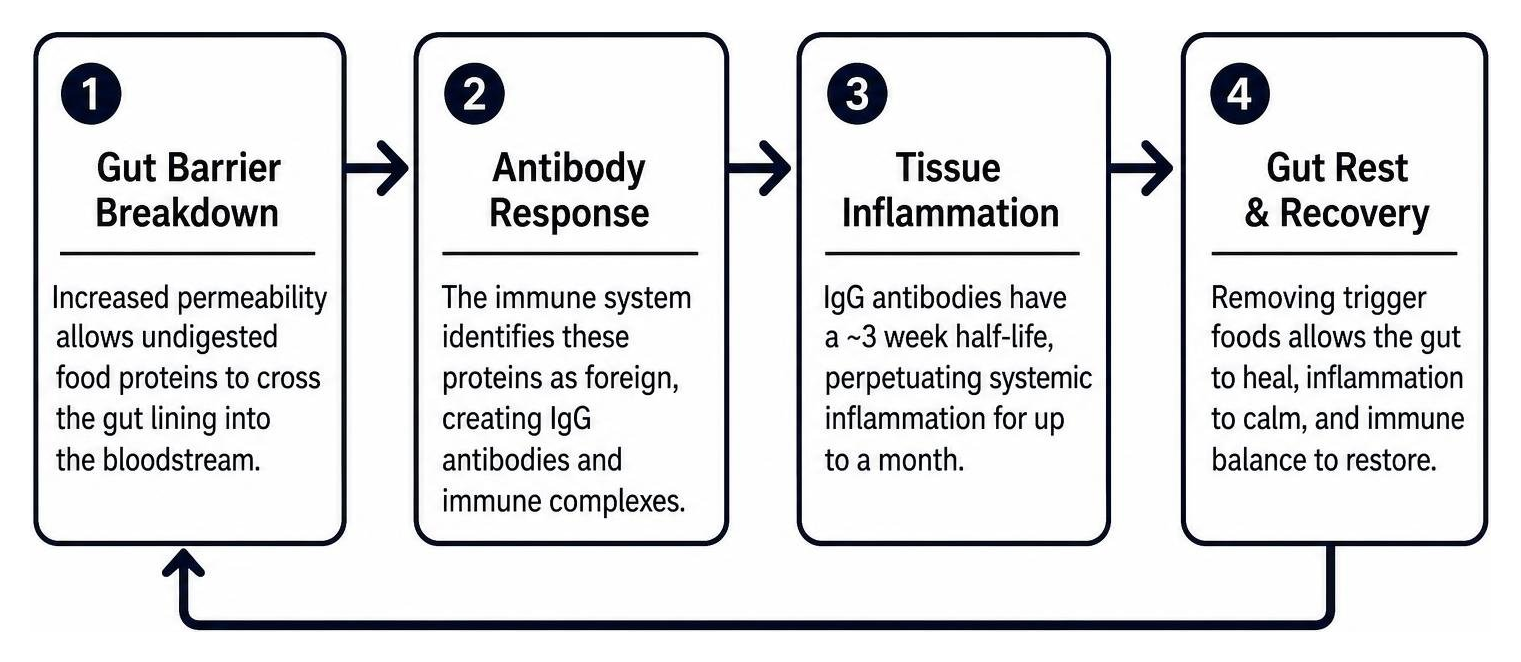
Because the half-life of an IgG antibody is approximately three weeks, circulating immune complexes can perpetuate low-grade systemic inflammation for almost a month after a single meal. Consuming an offending food even once every two weeks is enough to maintain baseline inflammation. Removing the triggers allows mucosal tissues to regenerate, calm hyper-reactive immune pathways, and restore balanced gut microbiome diversity.
Chronic Conditions and Symptoms That Can Improve
Systematic dietary trials documented in the Healthline analysis of elimination diet benefits show substantial symptom resolution across a wide spectrum of functional conditions:
Irritable Bowel Syndrome (IBS): IBS has an 11.2% pooled prevalence globally; elimination protocols (including targeted low-FODMAP approaches) reduce chronic bloating, cramping, and altered motility.
Eosinophilic Esophagitis (EoE): Removing top dietary triggers induces histologic remission and resolves painful swallowing in over 75% of patients.
Chronic Migraines & Headaches: Identifying dietary triggers significantly decreases monthly migraine frequency and vascular inflammation.
Dermatological Flares: Eczema, psoriasis, unexplained hives, and adult acne frequently improve as systemic gut inflammation cools down.
Neurobehavioral & Energy Issues: Alleviating food-induced immune responses lifts chronic brain fog, reduces ADHD symptom severity, and restores consistent daytime energy.
How to Start an Elimination Diet: A Step-by-Step Protocol
Embarking on an elimination protocol requires structure, intentional planning, and strict consistency to achieve clear diagnostic answers.

Step 1: The Elimination Phase of an Elimination Diet for Food Sensitivities
The elimination phase removes all suspected trigger foods entirely for a baseline period of three to four weeks (up to six weeks in cases of severe, long-standing systemic inflammation).
The goal is to wipe the inflammatory slate clean. Strict adherence is necessary: consuming even minor hidden ingredients in restaurant sauces or processed snacks can reset the antibody timeline. During the first 3 to 7 days, some individuals experience mild withdrawal-like symptoms, including temporary fatigue, sugar cravings, or mild headaches. These subside as the body shifts away from processed ingredients toward nourishing, anti-inflammatory whole foods.
Step 2: Tracking Symptoms with a Detailed Food Journal
Accurate data collection makes the difference between definitive answers and ongoing guesswork. Maintain a comprehensive daily journal tracking:
Dietary Intake: Exact ingredients, cooking oils, and beverages.
Digestive Patterns: Bloating, transit time, stool consistency, and abdominal discomfort.
Systemic Markers: Energy levels, joint stiffness, headaches, skin clarity, and sleep quality.
External Mediators: Daily stress levels, physical activity, and mood changes, which also influence gut physiology.
Step 3: Reintroducing Foods on an Elimination Diet for Food Sensitivities
Once your baseline symptoms have substantially improved, begin the systematic reintroduction (challenge) phase. Test only one single food group at a time using pure, unadulterated forms (for example, test plain boiled organic wheat berries or simple sourdough rather than a commercial pastry laden with dairy, soy, and refined sugar).
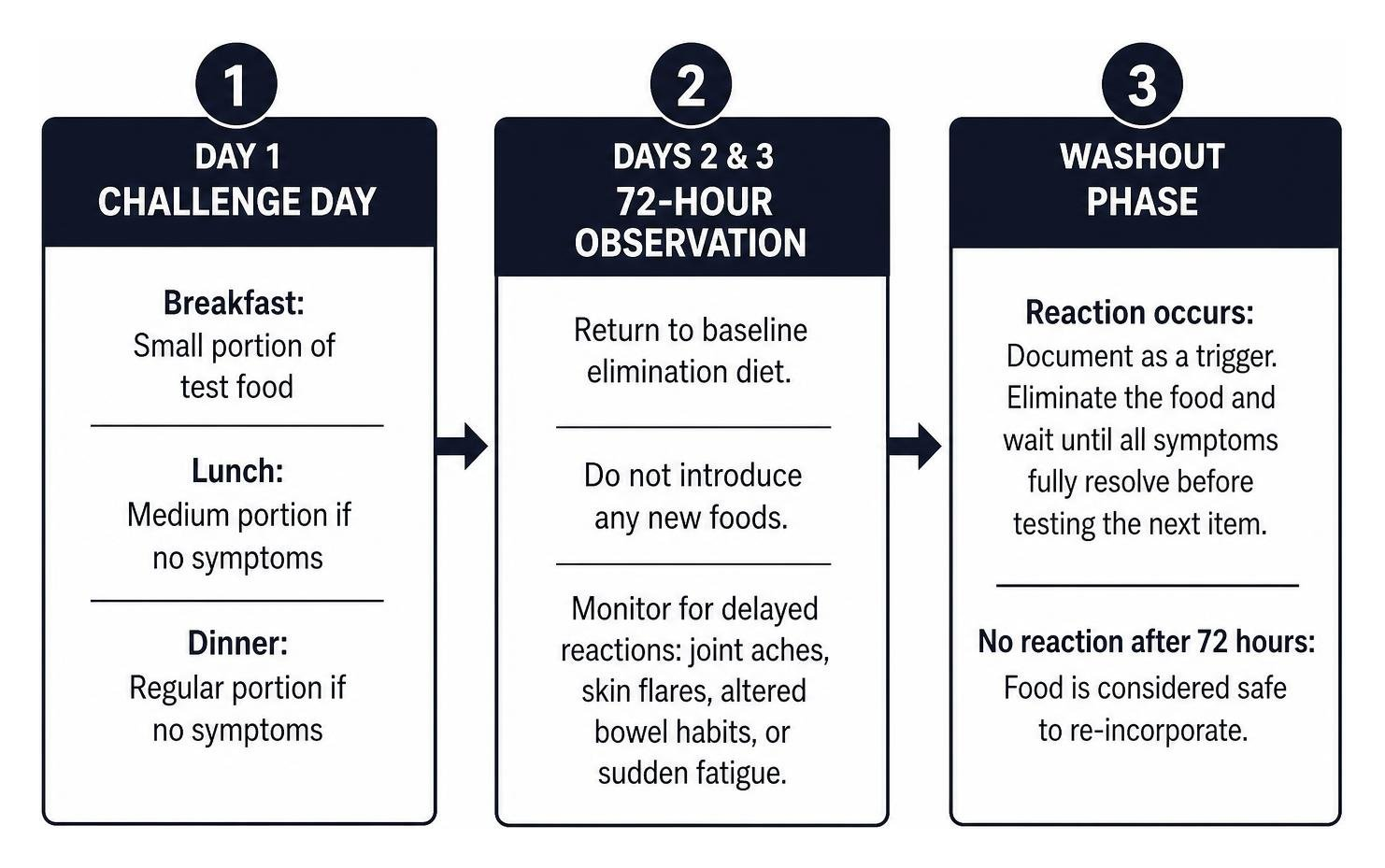
Follow this precise reintroduction schedule:
Day 1 (Challenge Day): Eat a small portion of the test food at breakfast. If no symptoms appear, consume a medium portion at lunch, and a regular portion at dinner.
Days 2 & 3 (Observation Window): Return strictly to the baseline elimination diet. Do not introduce any new foods. Closely monitor your journal for delayed reactions such as joint aches, skin flares, altered bowel habits, or sudden fatigue.
Evaluation: If a clear adverse reaction occurs, document the food as an active trigger and eliminate it from your diet. Wait until all symptoms completely resolve (a "washout period") before testing the next item. If no reaction occurs after 72 hours, the food is considered safe to re-incorporate.
Navigating Daily Life, Risks, and Safe Substitutions
Maintaining an elimination diet requires practical forethought, smart pantry stocking, and balanced meal planning to keep your food enjoyable and nutrient-dense.

Preventing Nutritional Deficiencies and Managing Health Risks
Unsupervised or excessively prolonged elimination diets can lead to unintended health risks, including nutrient deficiencies, a restricted gut microbiome, and anxiety around eating.
Calcium & Vitamin D: When eliminating dairy, prioritize calcium-fortified plant milks (aiming for >120 mg calcium per 100 mL), canned bone-in sardines, sesame tahini, and dark leafy greens.
Fiber & B Vitamins: When eliminating gluten grains, maintain dietary fiber through quinoa, buckwheat, wild rice, sweet potatoes, and chia seeds.
Psychological Safety: Highly restrictive diets should be approached cautiously by anyone with a history of disordered eating.
Collaborating with a knowledgeable clinical team ensures that elimination diets remain short-term diagnostic interventions rather than indefinite, nutritionally inadequate restrictions.
Dining Out, Label Reading, and Practical Food Swaps
Learning to navigate grocery aisles and restaurants ensures success without social isolation:
Scrutinize Ingredient Labels: Look out for hidden allergens like whey, casein, hydrolyzed soy protein, maltodextrin, and natural flavorings. "Gluten-free" packaged items often contain added soy, eggs, or refined starches.
Simple Home Swaps: Use coconut aminos instead of soy sauce; replace cow's milk with unsweetened almond, oat, or coconut milk; swap wheat flour for cassava or almond flour; and use flaxseed meals or aquafaba (chickpea liquid) in place of eggs when baking.
Dining Out with Confidence: Review restaurant menus ahead of time. Choose restaurants that prepare meals from scratch, select simple grilled proteins paired with steamed vegetables and olive oil, and communicate dietary parameters politely with kitchen staff.
Supporting Children and Family Members on Restrictive Plans
When a child or family member needs an elimination diet, family-wide solidarity makes a tremendous difference. Avoid preparing separate, isolating meals; instead, design dinner menus around naturally allergen-free, colorful whole foods that everyone can enjoy.
Positive Language: Frame foods in terms of "nourishing and calming" versus "irritating," avoiding rigid labels like "bad" or "forbidden."
School Lunches & Social Events: Involve children in packing creative bento boxes filled with safe meats, colorful fruits, gluten-free seed crackers, and homemade dips. Coordinate in advance with school teachers and event hosts to ensure safe treat alternatives are on hand.
Protect Growth: Always conduct pediatric elimination diets under the supervision of a pediatrician or pediatric registered dietitian to safeguard caloric intake and physical development.
Frequently Asked Questions About Elimination Diets
Why is an elimination diet more accurate than a blood test?
Commercial IgG food sensitivity blood tests measure the presence of circulating immunoglobulins, which frequently indicate routine dietary exposure and immunological tolerance rather than pathology. An elimination and reintroduction protocol directly observes physiological cause and effect within your digestive tract, immune pathways, and systemic tissues, eliminating the 50% false positive error rate seen in laboratory sensitivity panels.
How soon can you expect symptom relief during the elimination phase?
Most individuals notice significant improvements in digestive comfort, mental clarity, and energy levels within 10 to 14 days. However, because IgG antibodies have a half-life of roughly 21 days and intestinal mucosal healing takes time, a full three to four weeks of strict elimination is recommended to allow baseline systemic inflammation to resolve completely before beginning food challenges.
Can an elimination diet permanently cure a food sensitivity?
Yes, many non-allergic food sensitivities are reversible. Once the underlying gut mucosal barrier heals, microbiome diversity is re-established, and systemic inflammation cools, the immune system often regains tolerance. After removing confirmed triggers for three to six months while supporting gut barrier integrity, many individuals can successfully reintroduce previously problematic foods in moderation without provoking symptoms.
Conclusion
Lingering health issues like chronic bloating, migraines, joint stiffness, and fatigue do not have to remain an unsolved mystery. By moving away from unproven blood panels and adopting a structured clinical elimination protocol, you take control of your digestive health and identify the exact root causes of your symptoms.
At Functional Medicine Fast Track, we empower healthcare professionals and their patients with evidence-based, clinical frameworks designed to uncover the root causes of chronic dysfunction. To begin your journey with structured, clinician-designed meal templates, download our comprehensive functional medicine elimination diet food plan and start testing your food sensitivities the right way.
References
Jordan C. Malone, Sharon F. Daley. "Elimination Diets." StatPearls Publishing, 2024. NBK599543.